

Back to all lyrics
Artwork for The First Sign

John 2:1-11

The First Sign

Lyrics · John

The First Sign

John 2:1-11

Lyrics
Now playing

The First Sign

John 2:1-11

Playing next

  1. Lyrics and song details
  2. Lyrics and song details
  3. Lyrics and song details
  4. Lyrics and song details
  5. Lyrics and song details
  6. Lyrics and song details
  7. Lyrics and song details
  8. Lyrics and song details

About this song

About this song

This song belongs to the John collection. 8 recordings are available to play here, with the complete lyrics below.

Bible book
John
Collection
John
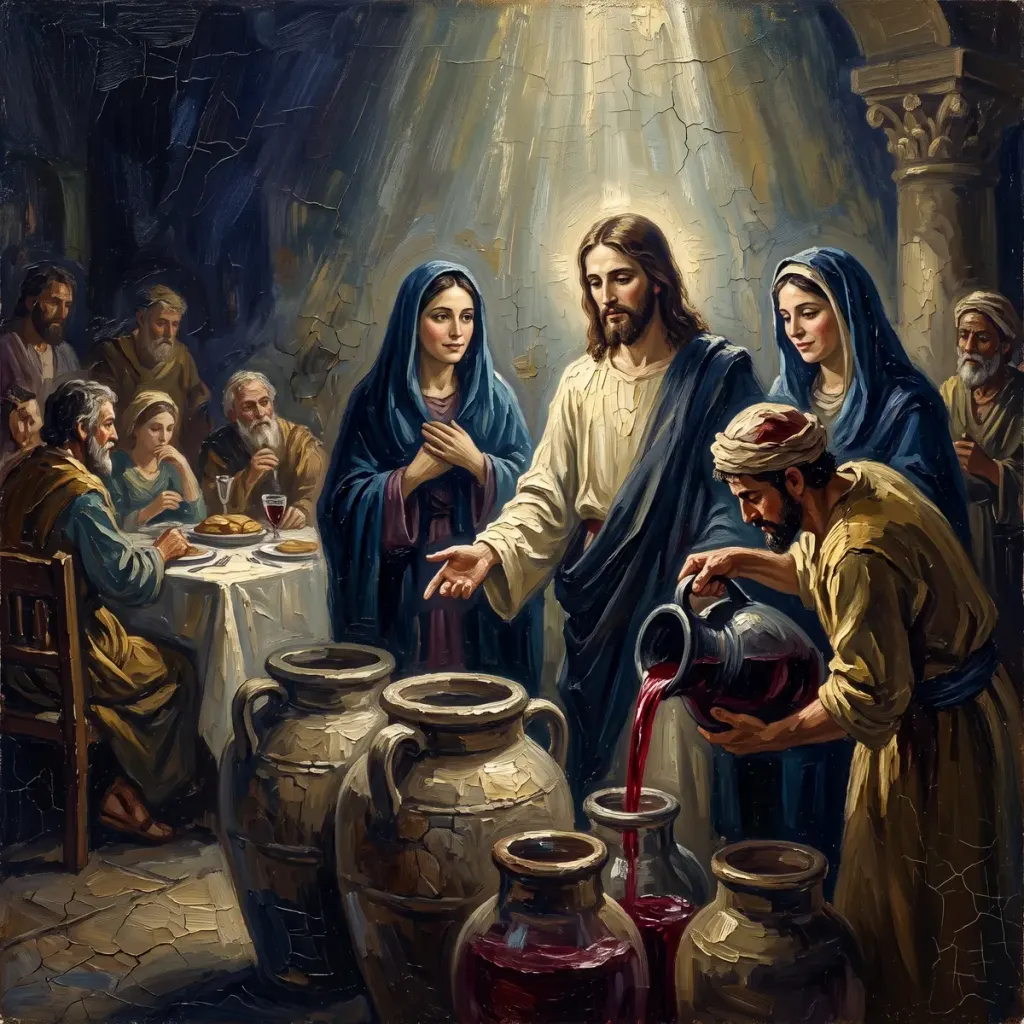
[Verse 1] A wedding feast in Cana, Music, tables, family near. Then the wine failed in the middle, And quiet trouble entered cheer. Mary told the servants simply, "Do whatever He may say." Six stone jars for purification Waited empty through the day. [Refrain] Fill them to the brim. Draw and carry. Water held the ordinary, But the feast received the best. Fill them to the brim. No trumpet marked the wonder. The servants knew what passed beneath The master of the banquet's test. [Verse 2] The ruler tasted, called the bridegroom: "Every man serves good wine first, Then the lesser when men have drunken; Thou hast kept the best in reserve." No crowd proclaimed the hidden sign; No marketplace was stirred. His disciples saw the glory And believed beneath the word. [Chorus] The first sign, Joy preserved where lack had started. The first sign, Quiet grace for the embarrassed. Stone jars once assigned to washing Poured abundance through the room. The first sign Let a wedding carry glory into bloom. [Coda] The servants bore the secret. The disciples learned the line: At Cana, water answered, And the latter wine excelled.

Named in this songCana

About the passage

John 2: A wedding sign and a temple argument

A wedding and a temple could hardly look less alike, yet the Book of John uses both to test what people recognize in Jesus. At Cana, the sign happens quietly. Servants know where the wine came from, the feast governor does not, and the bridegroom receives credit he never earned. In Jerusalem, Jesus acts publicly, naming the temple “my Father’s house” and provoking a demand for authority. His answer shifts the meaning of temple toward his own body and a resurrection nobody present yet understands. The chapter closes by complicating belief itself. Many respond to signs, but Jesus does not entrust himself to their enthusiasm because he knows what is in people. Seeing a work, understanding what it discloses, and receiving the person who performs it are not treated as the same thing.

Study John 2 in depth