
2 Peter

3 Chapters
2 Peter: The Whole Book, Chapter by Chapter
Knowledge That Holds After the Eyewitness Is Gone
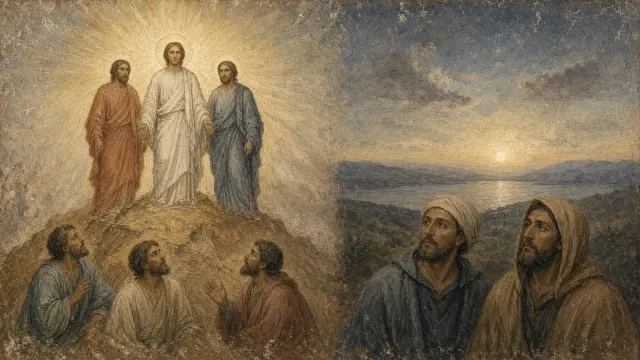
The Second Epistle of Peter opens by giving its readers equal standing with the apostle in a faith neither side arranged for itself. Divine power has already supplied what pertains to life and godliness before the letter asks for diligence, and the famous chain of qualities places knowledge in the middle rather than at the summit. Then the reason for the chapter's urgency becomes personal: the writer expects to die soon and keeps returning to remembrance. He reaches back to the transfiguration, strips the scene down to the heavenly voice, and then sets that remembered experience beside prophecy. The result is deliberate. The eyewitness will disappear, but the written word remains, a lamp held in darkness until dawn.
One complete chapter pageOpen chapter →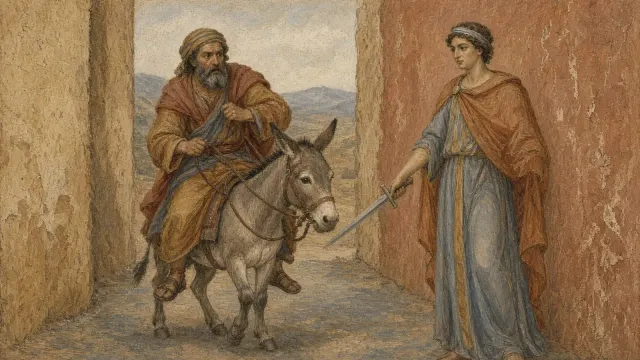
The Teachers Who Sell What They Deny
The Second Epistle of Peter's second chapter puts false teachers inside the community they damage and describes their work in commercial language. They deny the Lord who bought them while turning other people into merchandise. Their threatened judgment is answered from earlier judgments, yet the long sentence about angels, the flood and Sodom finally lands on the Lord's ability to deliver as well as reserve for punishment. From there the language grows deliberately animal and humiliating. Men boast about realities they do not understand, Balaam's madness is checked by an ass, and the teachers themselves become wells without water and clouds that fail to deliver rain. They promise liberty while already enslaved to corruption. The chapter closes with escape followed by entanglement and two proverbs, leaving the return itself starkly visible without settling the later theological arguments built around it.
One complete chapter pageOpen chapter →
The Delay Is Not Slackness
The Second Epistle of Peter's final chapter takes the scoffers' objection seriously enough to quote it: if the promised coming is real, why does the world look unchanged? The answer begins with the flood. The same word that created the world has already interrupted it, so the scoffers' problem lies in the premise of uninterrupted continuity rather than in the logic drawn from it. The chapter then reframes the waiting. A day and a thousand years do not measure the Lord as human arithmetic assumes, and what appears to be slackness is called longsuffering with a purpose. Suddenness still remains, pictured by the thief, but dissolution is set beside the promise of new heavens and a new earth where righteousness dwells. The ending circles back to interpretation and knowledge: Paul's letters can be hard, unstable readers can twist them, those letters stand beside "the other scriptures", and knowledge remains something in which to grow.
One complete chapter pageOpen chapter →Source: eBible.org · eng-kjv2006