
Hosea
14 Chapters
Hosea: The Whole Book, Chapter by Chapter
Names That Announce Judgment and Then Change Direction
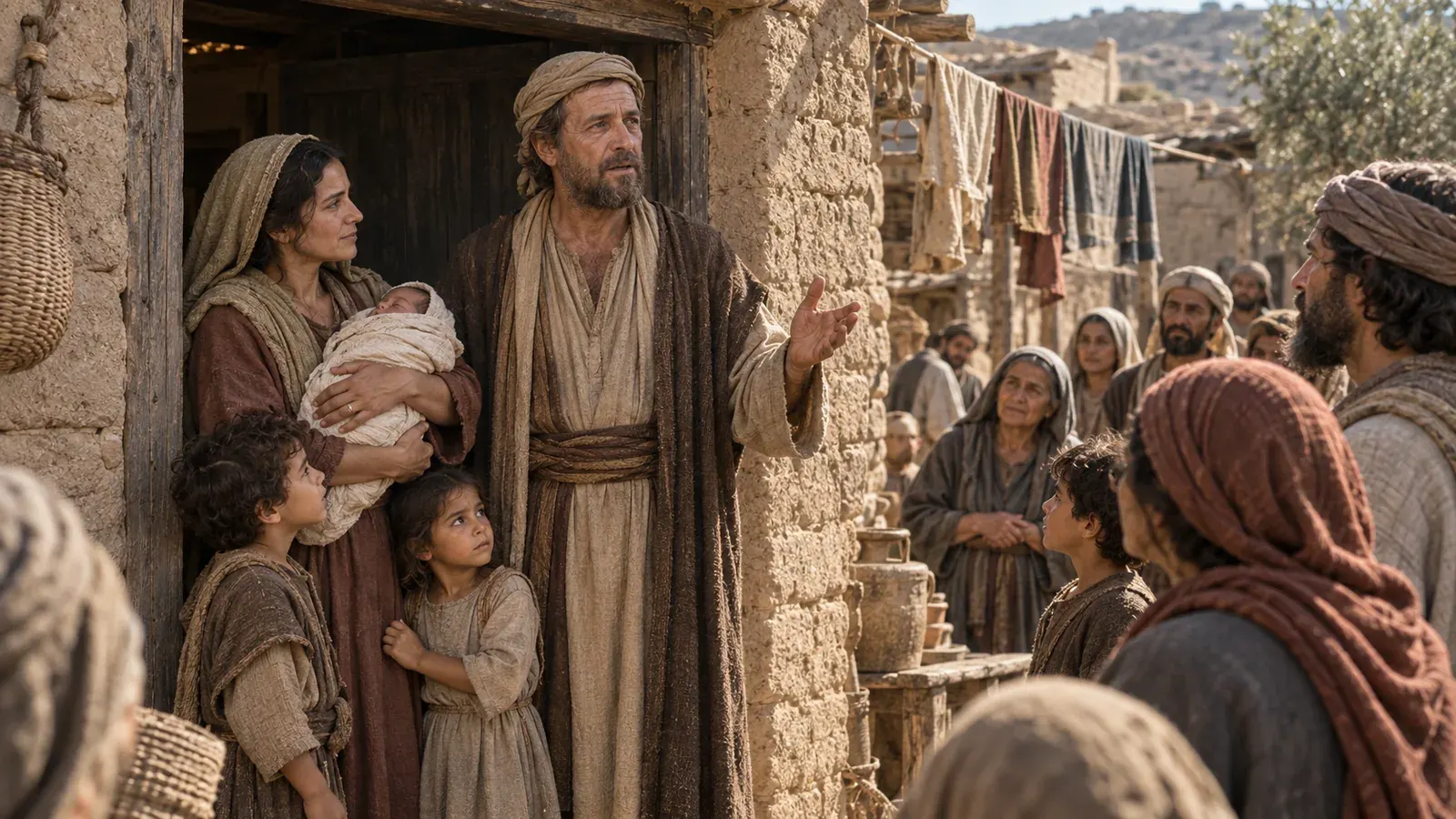
Hosea opens by placing the prophetic word inside the reigns of named kings, then makes the prophet's household carry an accusation against the northern kingdom. Gomer's marriage and the children's names are not treated as private curiosities. Jezreel announces accountability for bloodshed and the breaking of Israel's military power. Lo-ruhamah and Lo-ammi press the judgment further by naming withdrawn mercy and denied covenant belonging. Yet the chapter changes direction before the accusation has even finished developing. Israel is again compared with the innumerable sand, the people called "not my people" are promised the name "sons of the living God," and Judah and Israel are gathered under one head. Even Jezreel is left open to a future larger than its first announcement of judgment.
One complete chapter pageOpen chapter →
The Gifts Have Been Credited to the Wrong Giver
The marriage figure expands into a dispute over provision, worship, and identity. Israel has credited bread, water, wool, flax, oil, wine, silver, and gold to lovers, while the Lord claims those gifts as his own. Withdrawal therefore exposes more than deprivation. It exposes a false account of who supplied ordinary life in the first place. Feasts cease, vines fail, and the supposed providers cannot rescue what was attributed to them. Then the chapter's next "therefore" turns unexpectedly toward renewed address in the wilderness, a door of hope in the valley of Achor, and a corrected vocabulary for the divine husband. The final movement widens restoration to land, safety, betrothal, fertility, mercy, and belonging. The gifts, their source, and the people's acknowledgment are brought back into one relationship.
One complete chapter pageOpen chapter →
Love Returns, but Restoration Includes Waiting
A renewed command to love is answered by a concrete purchase involving silver and barley, but the Book of Hosea refuses to supply the marketplace scene that later imagination might want. The woman is not named, and the text does not settle every question about her identity or circumstances. What it does make clear is the comparison with the Lord's continuing love toward Israel while Israel looks to other gods. The purchase leads not to an instant return to ordinary married life but to "many days" of restraint and exclusive attachment. Hosea then explains that waiting through Israel's coming deprivation: king, prince, sacrifice, image, ephod, and teraphim will all be absent. The chapter ends beyond that suspension, with Israel seeking the Lord and David their king and approaching divine goodness with reverence.
One complete chapter pageOpen chapter →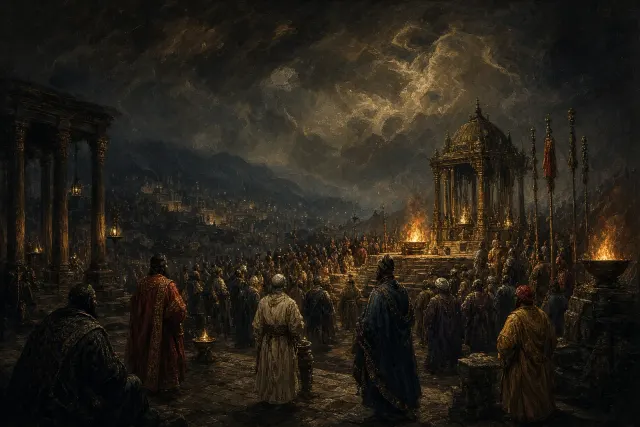
A Land Full of Religion and Empty of Covenant Knowledge
The Lord's controversy with Israel begins with absences that are visible in public life: no truth, no mercy, and no knowledge of God. Lying, killing, stealing, adultery, and bloodshed fill the space, and the land itself is described as wasting with its inhabitants and creatures. The charge then moves directly into religious leadership. Priests have rejected the knowledge they were meant to carry, and their position has become entangled with the very sin they should oppose. People and priest therefore stand together under judgment. The chapter also refuses to isolate women's sexual wrongdoing while excusing men who participate in the same corruption. False worship, intoxication, and appeals to wooden objects expose a community rich in religious activity but empty of covenant knowledge. Judah is warned not to follow the same road.
One complete chapter pageOpen chapter →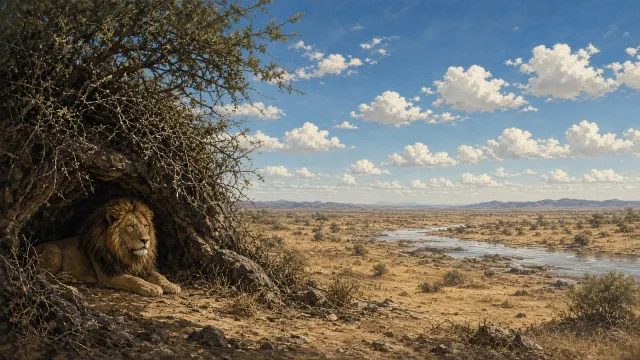
The Wound Has Been Taken to the Wrong Healer
Priests, the house of Israel, and the royal house are summoned together because leadership has become a snare instead of protection. Hosea exposes a search for the Lord that can arrive with flocks and herds and still fail, because sacrificial expense does not substitute for a turn in conduct. Judah, previously distinguished from Israel at points, is now drawn explicitly into the fall. The chapter's imagery moves from audible alarm to quiet internal decay: trumpet calls announce danger, while moth and rottenness describe weakening already at work. When Ephraim sees sickness and Judah sees a wound, the chosen remedy is Assyria. Hosea's answer is severe and simple: the foreign ruler cannot heal this condition. The chapter closes with divine withdrawal until guilt is acknowledged and the Lord's face is sought.
One complete chapter pageOpen chapter →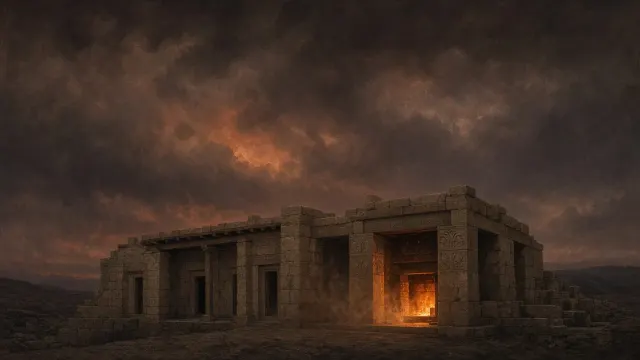
A Promise of Return Meets the Test of Enduring Loyalty
The chapter begins with language of return, healing, revival, dawn, and rain. The one who has torn is also named as the one able to bind up. Yet the divine response immediately tests the durability of that confident speech. Ephraim's and Judah's goodness is compared with a morning cloud and early dew that vanish quickly. Hosea therefore places enduring mercy and knowledge of God above sacrifice and burnt offerings. The issue is not lack of religious performance but the absence of the covenant loyalty those offerings are supposed to express. The accusation then leaves the sanctuary and reaches the road: blood marks Gilead, and priests are compared with robbers waiting for a traveler. A difficult closing reference to Judah's harvest and restored captivity prevents the chapter from ending as a simple contrast between judgment and comfort.
One complete chapter pageOpen chapter →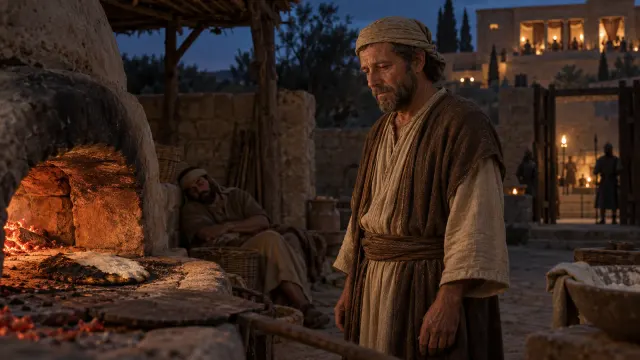
An Overheated Court and a Cake Never Turned
Attempts at healing uncover more corruption rather than recovery. Falsehood, theft, raiding, royal approval, intoxication, and political violence accumulate around the image of an oven whose heat continues even when the baker sleeps. The same heated order that entertains rulers eventually consumes judges and kings. Hosea then turns from the court to a kitchen, calling Ephraim a cake not turned, damaged by uneven exposure while remaining unaware of its condition. Gray hairs continue the same diagnosis of decline without recognition. Foreign policy receives equally unflattering imagery: Ephraim is a silly dove moving between Egypt and Assyria, only to meet a net. The closing verses distinguish loud distress from genuine return. Crying, assembling, traveling, and turning can all occur without turning to the Most High, leaving the nation like a bow that cannot shoot straight.
One complete chapter pageOpen chapter →
The Maker of the Calf Cannot Make It God
A trumpet alarm exposes the distance between Israel's claim to know God and the covenant conduct that should accompany that claim. The people can say, "My God, we know thee," while rejecting the good. Hosea then joins unauthorized political rule with manufactured religion: kings are established apart from divine authorization, silver and gold become idols, and the calf of Samaria is reduced to the obvious fact that a craftsman made it. Foreign policy fares no better. Sowing wind produces a whirlwind, any surviving harvest is swallowed by strangers, and hired alliances bring burden rather than security. The chapter closes by placing multiplied altars, rejected instruction, unaccepted sacrifices, temples, and fortified cities under one accusation. Israel has forgotten its Maker, and impressive religious or defensive structures cannot replace the relation that has been refused.
One complete chapter pageOpen chapter →
The Festival Cannot Keep the Land from Being Lost
Hosea interrupts harvest celebration with an announcement that the threshing floor, winepress, land, and festival calendar cannot preserve Israel's security. Exile means more than relocation because it disrupts acceptable worship and settled life in the Lord's land. The chapter then moves into the troubled relation between prophetic warning and the community hearing it. Prophets are associated with folly, madness, snares, and hatred in wording whose precise direction is disputed, but the hostility surrounding divine warning is unmistakable. Memory then reaches back to the delight of first grapes and early figs before turning to Baalpeor and corrupted allegiance. The final sections are especially severe, moving from lost fruitfulness to threatened children, dried roots, rejection, and wandering among the nations. The chapter will not let fertility language hide the human cost of announced judgment.
One complete chapter pageOpen chapter →
Prosperity Grows the Wrong Harvest
Israel is pictured as a vine whose increased fruit finances increased altars. Prosperity has not corrected false worship; it has enlarged it. A divided heart, false oaths, and corrupt covenants then produce judgment like poisonous growth in a cultivated field. The calf at Bethaven cannot protect its worshippers and instead becomes an object they fear losing, carried away as tribute while the king vanishes like foam on water. Hosea returns to agriculture to show that the field could have been used differently: righteousness could be sown, mercy reaped, and fallow ground broken while seeking the Lord. The final verses name the crop actually produced. Wickedness has been plowed, iniquity reaped, and lies eaten as fruit. Trust in military strength ends not in security but in the collapse of fortresses and kingship.
One complete chapter pageOpen chapter →
The One Who Taught the Child to Walk Refuses the Last Word of Ruin
The Lord remembers Israel as a child loved, called from Egypt, taught to walk, healed, drawn, and fed. The intimacy of those memories makes the repeated failure to recognize the giver more, not less, serious. Israel answers calling by moving toward Baalim and refuses the return urged throughout the book, so Assyrian rule and the sword enter the chapter as consequences. Then the divine speech itself changes direction. Faced with the prospect of giving Ephraim up like Admah and Zeboim, compassion rises within the speech and complete destruction is refused. The reason given is God's own identity: "God, and not man," the Holy One still in the midst of the people. Earlier images are then reversed. The lion's roar gathers rather than tears, and trembling birds return from Egypt and Assyria to be placed again in their houses.
One complete chapter pageOpen chapter →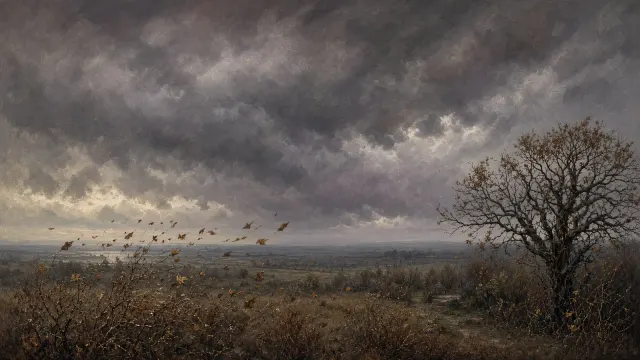
Jacob's Descendants Cannot Live on Wind and Dishonest Scales
Ephraim's foreign agreements are described as feeding on wind and chasing an east wind, while Judah is also brought into the Lord's controversy. Hosea reaches back to Jacob, but ancestry does not become a shield against accusation. The ancestor who grasped a heel, struggled, wept, and made supplication becomes a reminder that Israel's beginnings included dependence rather than effortless self-sufficiency. That challenge sharpens when a merchant with deceitful balances boasts of wealth and innocence. Financial gain cannot make crooked measures straight. The Lord answers with the memory of Egypt, repeated prophetic speech, and corrupted altars. The final section returns to Jacob as a fugitive who worked for a wife and kept sheep, then to Israel's preservation through a prophet. Family and nation both began in dependence, making Ephraim's present claim of self-made security ring false.
One complete chapter pageOpen chapter →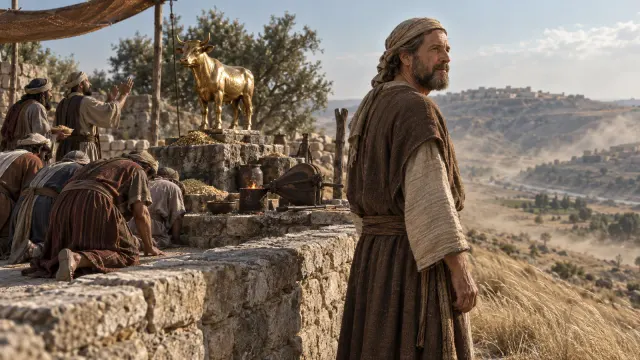
The Forgotten Giver and the Power of the Grave
Ephraim's former standing collapses into devotion to Baal and handmade calves, and the chapter answers that decline with images of things that disappear quickly: cloud, dew, chaff, and smoke. The Lord then recalls exclusive saving care from Egypt and provision in the wilderness. The crucial reversal occurs in prosperity. Full pasture leads to a lifted heart, and abundance becomes the setting of forgetfulness. Lion, leopard, bear, and wild beast therefore turn the place of feeding into a place of danger. Kingship is also exposed as unable to save. A difficult saying about ransom from death and the grave interrupts the judgment language, and the KJV presents it as a declaration of redemption even though other readings understand the wording as a refusal of rescue. The chapter closes by returning to drought, plunder, desolation, and the terrible civilian consequences of Samaria's rebellion.
One complete chapter pageOpen chapter →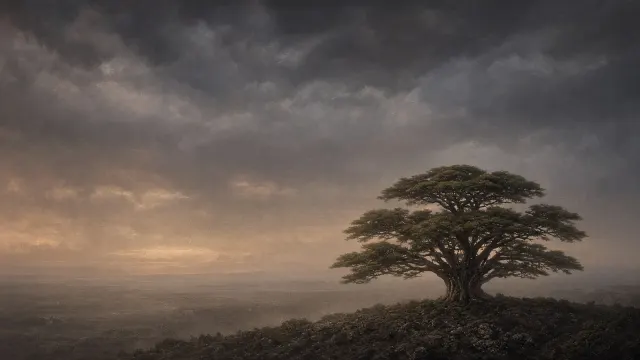
The Final Return Brings Words Instead of Another Calf
The Book of Hosea ends with a direct summons to return, and this time the text supplies the words of that return. The people are to ask for iniquity to be removed and gracious acceptance to be given, while explicitly renouncing Assyria, horses, and the work of their own hands as sources of salvation. The answer addresses the problem beneath the visible disasters: backsliding itself is healed, love is given freely, and anger is turned away. Hosea then reverses much of his earlier natural imagery. Dew no longer disappears but nourishes; dried roots become deep roots; failed harvests become grain, vine, olive, fragrance, shade, and fruit. The final exchange rejects idols and locates fruit in the Lord as its source. A closing wisdom saying gathers judgment and restoration together by distinguishing those who walk in the Lord's right ways from those who stumble in them.
One complete chapter pageOpen chapter →Source: eBible.org · eng-kjv2006