
Malachi

4 Chapters
Malachi: The Whole Book, Chapter by Chapter
Love Challenged, Honor Withheld
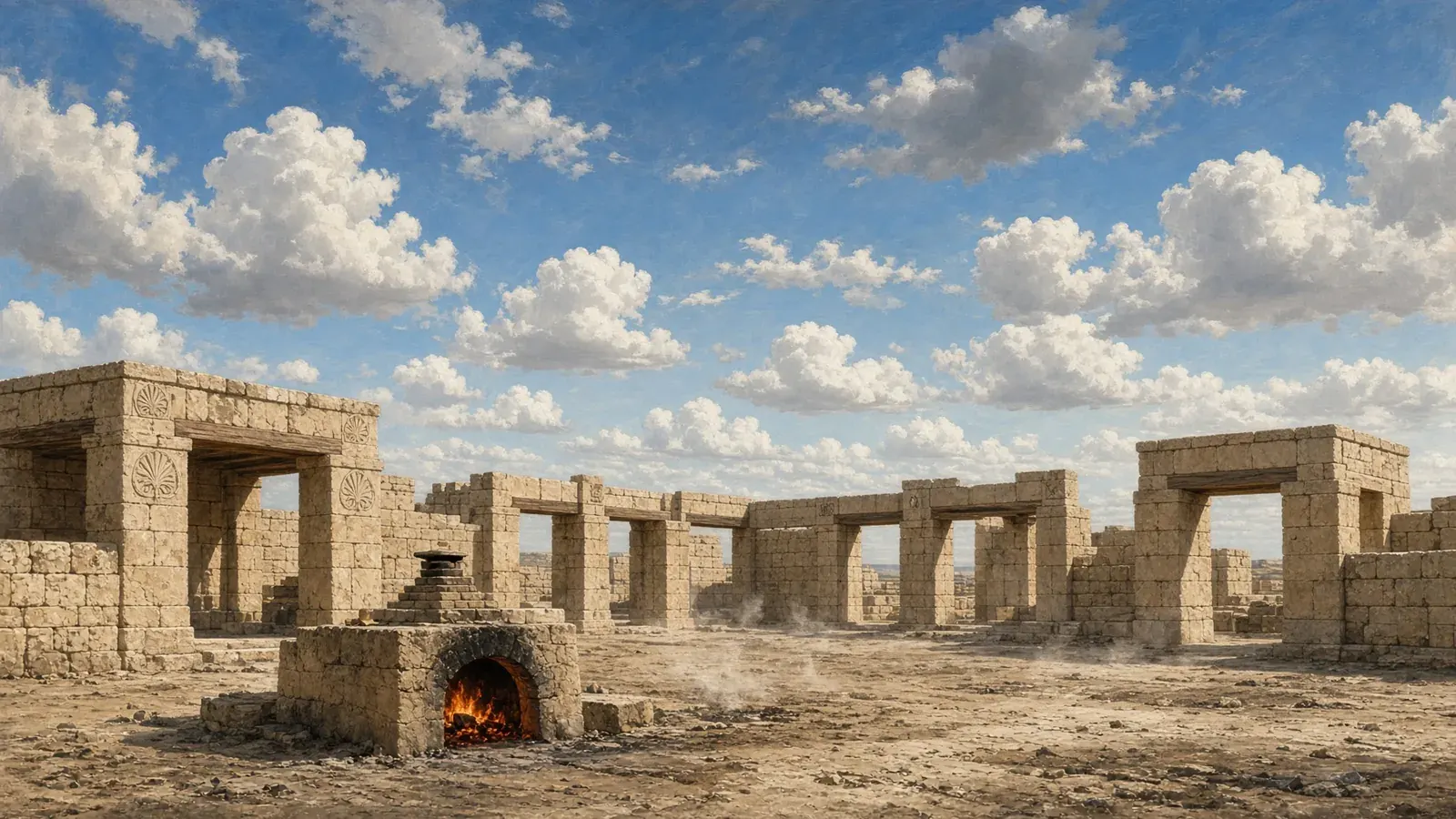
Malachi begins with a declaration of love that does not produce gratitude but an argument: “Wherein hast thou loved us?” The answer reaches back to Jacob and Esau, then quickly moves from national fortunes to the altar. There the book makes contempt visible in ordinary objects. Blind, lame, sick, and torn animals reach God’s table even though the worshippers already know such gifts would insult a human governor. The issue is not lack of religious activity. Fires are still kindled, vows are still made, and offerings are still brought. The problem is what those actions reveal about the worth assigned to the recipient. Against that local dishonor, Malachi announces a name that will be great from sunrise to sunset. The chapter closes with the sharpest example: a worshipper owns the acceptable animal, vows it, and substitutes a corrupt one before “a great King.”
One complete chapter pageOpen chapter →
The Covenant Betrayed at the Altar and at Home
Chapter 2 asks what becomes of religious office when the people holding it reverse its purpose. The covenant of Levi is described through reverence, truthful instruction, peace, equity, and the turning of many from iniquity. The present priests instead cause people to stumble and show partiality in the law, so the honor attached to their office collapses with their conduct. Malachi then carries the same covenant language into marriage. Judah’s divided allegiance and the betrayal of “the wife of thy youth” are not treated as private matters sealed off from worship. God is witness to the marriage covenant, and tears at the altar do not make the wife disappear from view. The wording of verses 15 and 16 is difficult in places, but the chapter’s repeated accusation is plain: treachery. It closes with another dispute, this time about judgment, as the people speak as though evil prospers because God either approves it or is absent.
One complete chapter pageOpen chapter →
The Judge They Asked for Comes to His Own House
Chapter 3 answers the question “Where is the God of judgment?” with an arrival that immediately complicates the people’s expectations. A messenger prepares the way, and the Lord comes suddenly to his temple, but his presence is like refiner’s fire and fullers’ soap. Priests are purified, offerings are restored, and specific wrongs are named, from false swearing and adultery to withheld wages and oppression of the vulnerable. The chapter then turns again to Malachi’s familiar dispute form. God’s unchanging character explains why Jacob’s descendants are not consumed, while their departure from his ordinances still requires a return. That return becomes concrete in withheld tithes and offerings, with promised blessing described through storehouse food, rain, vines, and crops. Finally, two conversations are set beside each other: one calls service to God useless because the proud seem to prosper, while those who fear the LORD speak together and are remembered as his treasured possession.
One complete chapter pageOpen chapter →
The Burning Day and the Promised Turning of Hearts
Malachi’s final chapter takes the distinction promised at the end of chapter 3 and makes it impossible to miss. The same coming day has radically different effects. The proud and those who do wickedly become stubble before a burning oven, while those who fear God’s name meet the “Sun of righteousness” with healing and the vitality of calves released from the stall. The image answers the earlier complaint that the proud are happy and evildoers established by showing that present appearance is not the final measure. The closing verses then join memory and expectation. Israel is told to remember the law of Moses given at Horeb while waiting for Elijah before the great and dreadful day of the LORD. His announced work is not spectacle but reconciliation, turning the hearts of fathers and children toward one another. The book ends with a threatened curse, yet the last promised intervention is a messenger sent before that judgment to turn hearts.
One complete chapter pageOpen chapter →Source: eBible.org · eng-kjv2006