
Micah
7 Chapters
Micah: The Whole Book, Chapter by Chapter
The Wound Crosses the Border
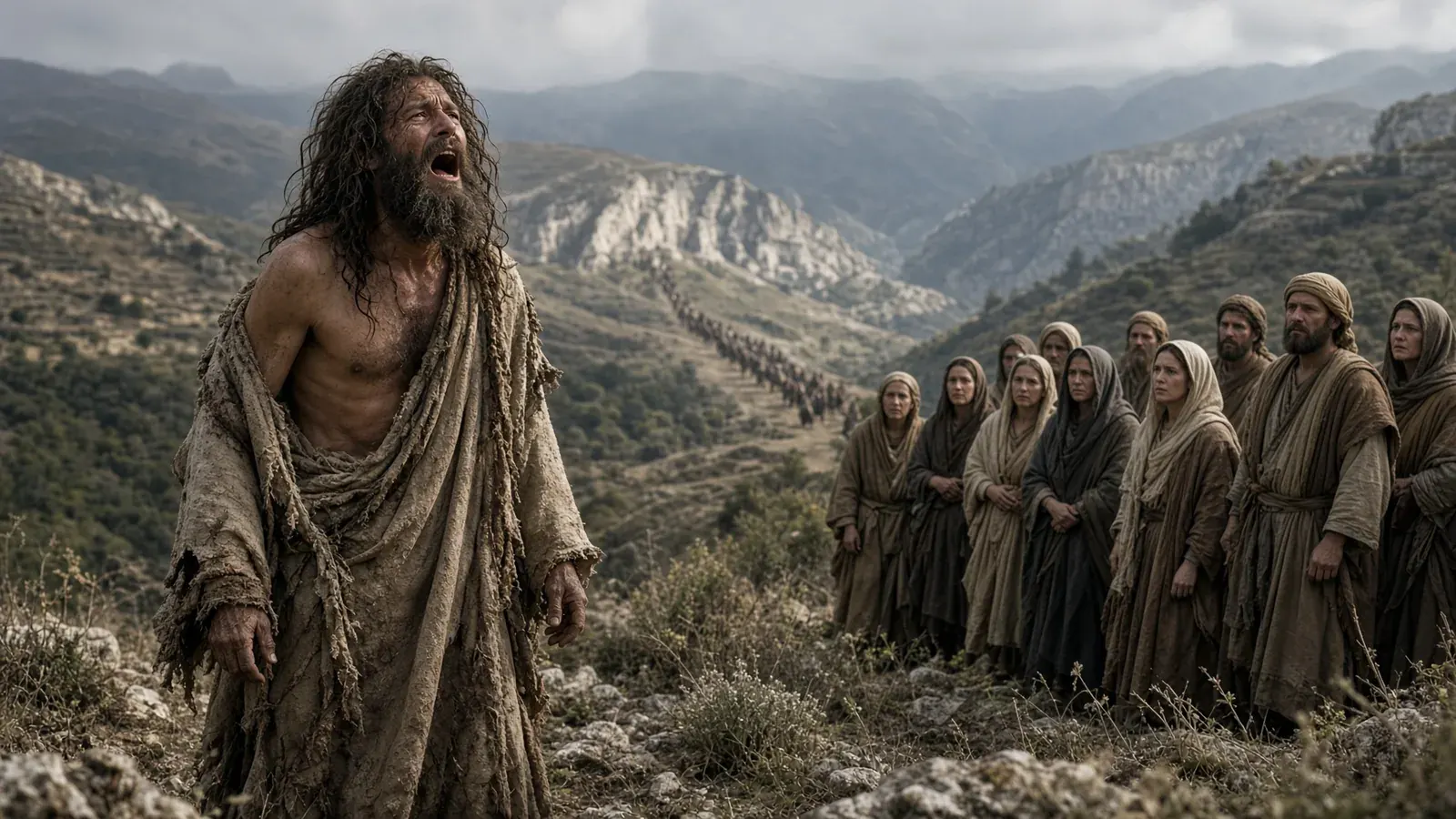
Micah begins with a case against Samaria and Jerusalem, but the scale changes quickly. The whole earth is called to hear, mountains melt before the Lord, and Samaria is reduced in the announcement from a capital to exposed foundations and scattered stones. Then the wound crosses into Judah. Micah does not report that movement coldly. He wails, and the names of towns become part of the lament through soundplay, shame, frustrated escape, and disappointed expectation. Jerusalem is not allowed to watch the northern collapse from a safe distance. By the chapter's end, swift chariots and royal resources have given way to the image that matters most: households mourning children taken into captivity. The Book of Micah moves from cosmic disturbance to local grief without treating either scale as less real.
One complete chapter pageOpen chapter →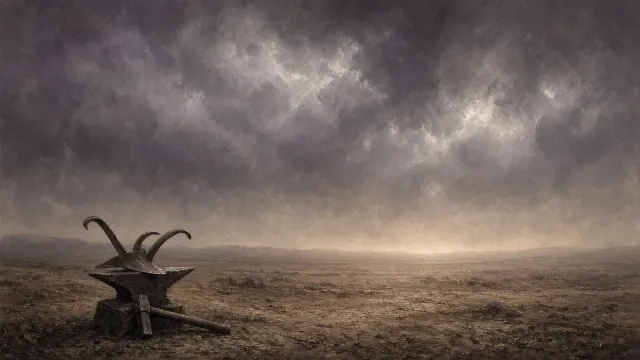
The Land Grabbers Meet Another Plan
The chapter begins in bedrooms where injustice is designed before it is carried out in daylight. Those with power seize fields, houses, and inheritances, only to hear that the Lord is devising a calamity they cannot escape. Resistance then turns toward the message itself: unwelcome prophecy is told to stop, as though silence could repair the conduct being exposed. Micah answers by describing people stripped on the road, women driven from pleasant homes, and children deprived of what belonged to them. His satire is especially sharp when he imagines the sort of prophet such an audience would prefer, one promising wine and strong drink. Then the tone changes abruptly. The same chapter that has watched households scattered ends with a noisy gathered flock, an opened way, a king before them, and the Lord at their head.
One complete chapter pageOpen chapter →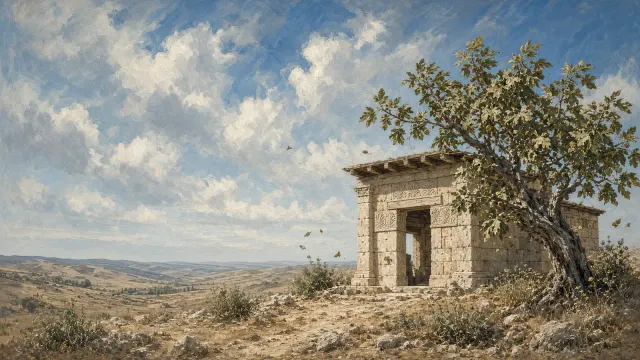
When Justice and Prophecy Have a Price
Micah turns directly on the institutions that should have made public life trustworthy. Rulers who ought to know judgment are pictured as butchers tearing apart the people they were meant to govern. Prophets make peace or war according to what reaches their mouths, while Micah defines his own commission by the Spirit-given power to name transgression. The final indictment widens to rulers, priests, and prophets together: judgment has a price, teaching has a fee, divination has a payment, and yet the city still leans on the Lord as though divine presence guaranteed immunity. The Book of Micah refuses that confidence. Zion built with blood is threatened with becoming a plowed field, Jerusalem with becoming heaps, and the temple mountain with returning to rough high ground. Sacred location does not cancel corrupt practice.
One complete chapter pageOpen chapter →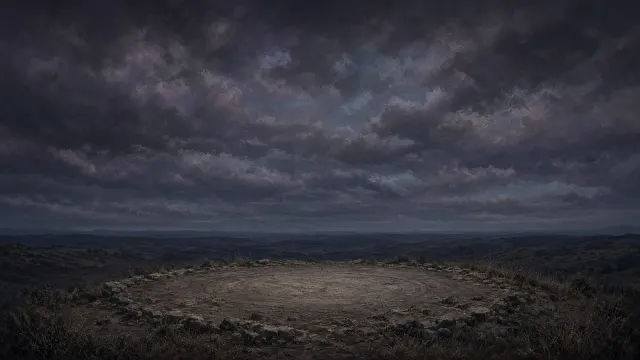
The Plowed Mountain Becomes a Place of Teaching
The last line of chapter 3 leaves Zion plowed, but chapter 4 raises the same mountain into a place nations seek for instruction. People flow uphill, judgment reaches strong nations, and weapons are remade for cultivation until war itself is no longer learned. The promise then becomes domestic: a person can sit under vine and fig tree without being made afraid. Micah keeps that future from floating above the people who need it most by gathering the limping, the driven out, and the afflicted into a restored nation. Even so, hope does not erase the route through pain. Zion leaves the city, reaches Babylon, and is promised redemption there. Hostile nations also gather to watch her humiliation, unaware that their assembly has another meaning in the Lord's counsel. Peace, exile, rescue, and judgment all remain in the same chapter.
One complete chapter pageOpen chapter →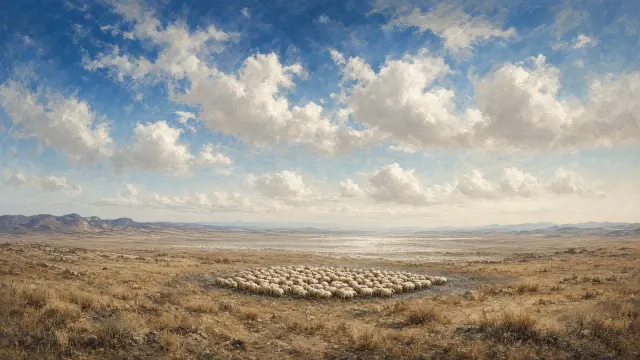
A Small Town and a Shepherd to the Ends of the Earth
A ruler under siege is struck on the cheek, and then little Bethlehem becomes the unexpected center of the promise. From there comes the ruler whose goings forth are “from of old,” a passage Matthew later cites in connection with the Messiah's birth. He stands and feeds the people in the Lord's strength, a direct reversal of chapter 3's rulers who consumed them. His greatness reaches outward, but the immediate effect is that the flock can abide. The remnant is then given two deliberately different images: dew from the Lord among many peoples, and a lion whose strength cannot be resisted. The chapter closes by turning the knife inward as well as outward. Horses, chariots, strongholds, magical practices, and manufactured objects of worship are all cut off. The promised future dismantles false securities along with enemies.
One complete chapter pageOpen chapter →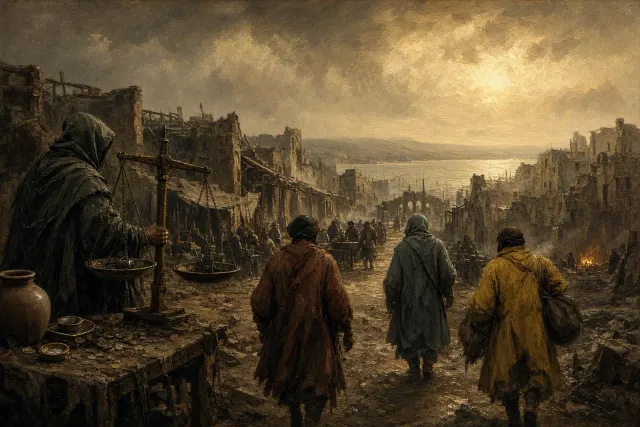
The Case Is Not Solved with a Larger Offering
Micah stages the chapter as a covenant controversy with mountains and the foundations of the earth listening. The Lord asks how he has wearied Israel and answers the question with a record of deliverance: Egypt, the house of slavery, Moses, Aaron, Miriam, and the failed designs of Balak. Against that record comes a worshipper's escalating attempt to find the right price, from ordinary offerings to thousands of rams, rivers of oil, and finally a firstborn child. The answer is famous because it is plain: do justly, love mercy, and walk humbly with God. Micah immediately protects those words from becoming decorative. Crooked measures, deceitful weights, violence, lies, and corrupt precedents enter the case. The chapter ends with work severed from enjoyment, as sowing, pressing, eating, and preserving no longer reach their expected completion.
One complete chapter pageOpen chapter →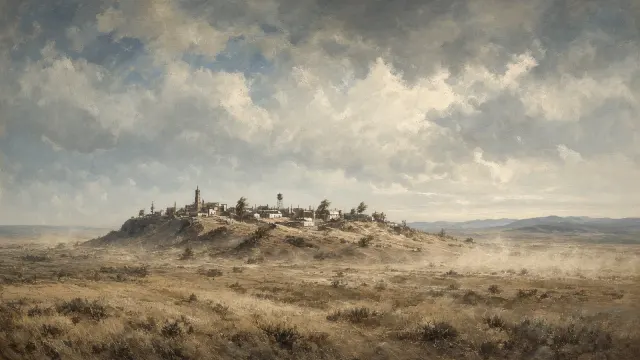
Mercy Has the Final Word Without Denying the Guilt
The closing chapter begins like a search through an emptied vineyard. Goodness is scarce, officials cooperate in evil, and distrust reaches from public life into the household. Yet Micah does not move toward hope by declaring the people innocent. The voice waits for the Lord while admitting, “I have sinned against him,” and expects light beyond the present darkness. Rebuilding and return are promised, but desolation is still named as the fruit of wrongdoing. The shepherding prayer then gathers several strands of the book: the Lord's flock, the memory of Egypt, and nations silenced before divine action. The final praise brings the deepest reversal. The decisive conquest is not of another city but of iniquity itself. Sins are cast into the sea, mercy is delighted in, and the ancient promises to Jacob and Abraham close the Book of Micah.
One complete chapter pageOpen chapter →Source: eBible.org · eng-kjv2006