
Nahum

3 Chapters
Nahum: The Whole Book, Chapter by Chapter
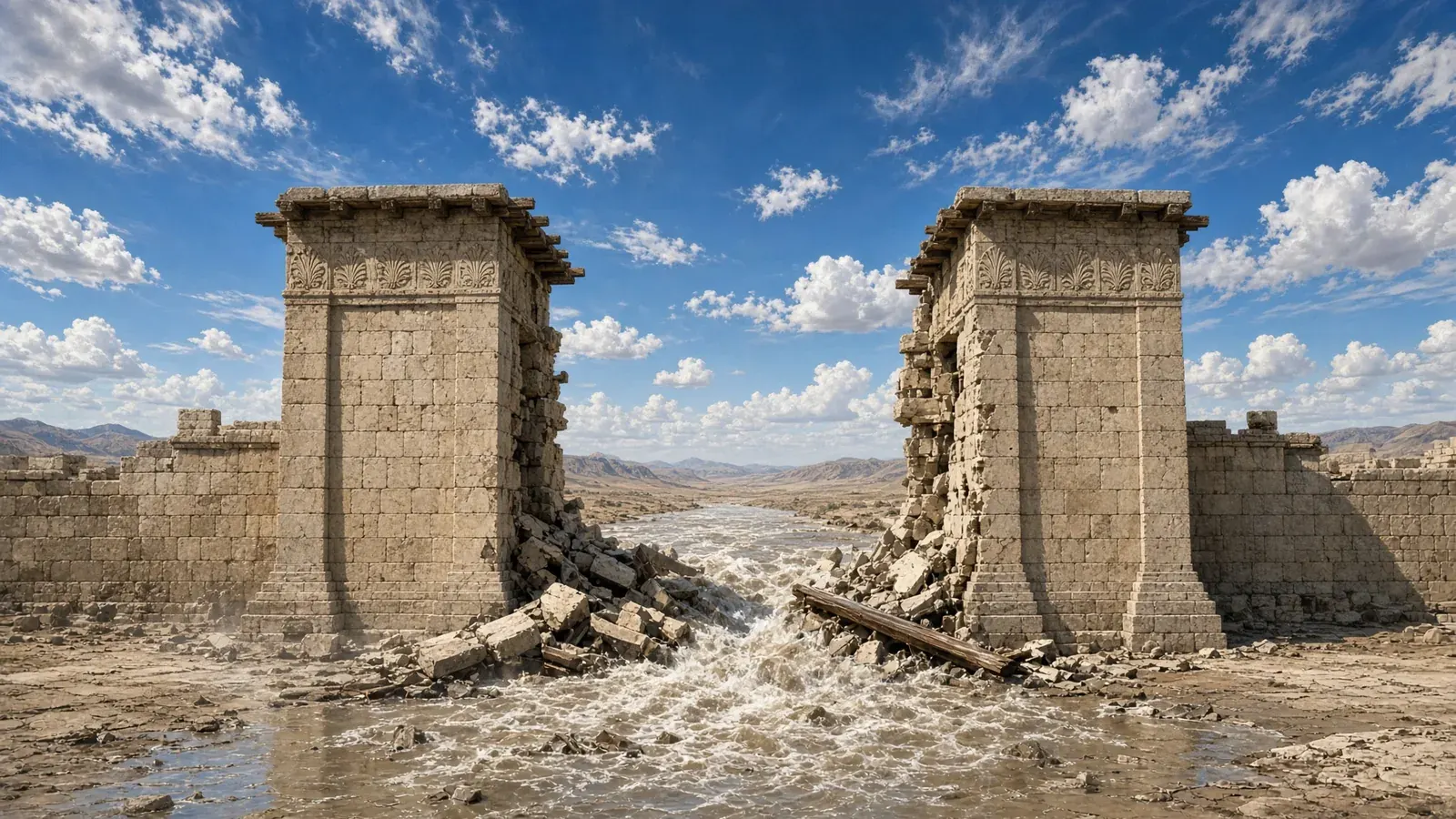
The Power That Judges Is Also a Refuge
Nahum 1 refuses to separate patience from judgment or refuge from power. The Lord is "slow to anger," yet wickedness is not treated as something patience will excuse forever. Sea, river, mountain, hill, rock, and inhabited earth all become measures of a presence before which ordinary stability fails. Yet the same passage calls the Lord good and a stronghold, so the refuge is not an escape from that power but security in it. The chapter then narrows from creation to Assyrian oppression. Schemes become dry stubble, numbers cannot prevent cutting down, and the yoke laid on Judah is broken. Dynasty, idols, and grave are gathered into the enemy's threatened end. The last sound is not battle but news: feet on the mountains publish peace because the power that once passed through Judah has been cut off.
One complete chapter pageOpen chapter →
The City That Emptied Others Is Emptied
Nahum 2 turns the judgment into motion. Orders to guard the walls and strengthen the defence arrive with the awkward fact that the defenders are already hurrying, stumbling, and losing control of the approaches. Red shields, scarlet clothing, torchlike chariots, and lightning speed make the assault vivid, but the chapter's deeper movement is from concentration to dispersal. Nineveh, long gathered like a pool, cannot keep its people from draining away. Its silver, gold, and splendid stores remain long enough to become somebody else's spoil. The Book of Nahum then asks what the city's security had really been. The lion's den looked safe from inside, but it was filled by tearing and prey. When the Lord declares "I am against thee," chariots burn, the supply of prey ends, and the imperial voice that reached beyond the walls is silenced.
One complete chapter pageOpen chapter →
The City’s Fall Finds No Circle of Mourners
Nahum 3 names what the earlier images have been exposing. Nineveh is a bloody city marked by lies, robbery, and prey that does not depart, and the attack upon it ends among bodies too numerous to ignore. The city's ability to attract and manipulate is treated as another face of domination, then its glamour is replaced by public exposure and the flight of those who once looked on. The fall of Egyptian No removes the comfort of exceptionalism: water, allies, and strong position did not save another formidable city. From there, every remaining support is reduced. Fortresses become ripe figs, defensive labour cannot stop fire, merchants and officials multiply only to vanish like insects, and leaders no longer gather the people. The final wound has no cure, and the news produces clapping because Assyria's harm had traveled so widely.
One complete chapter pageOpen chapter →Source: eBible.org · eng-kjv2006