

Lyrics · Isaiah
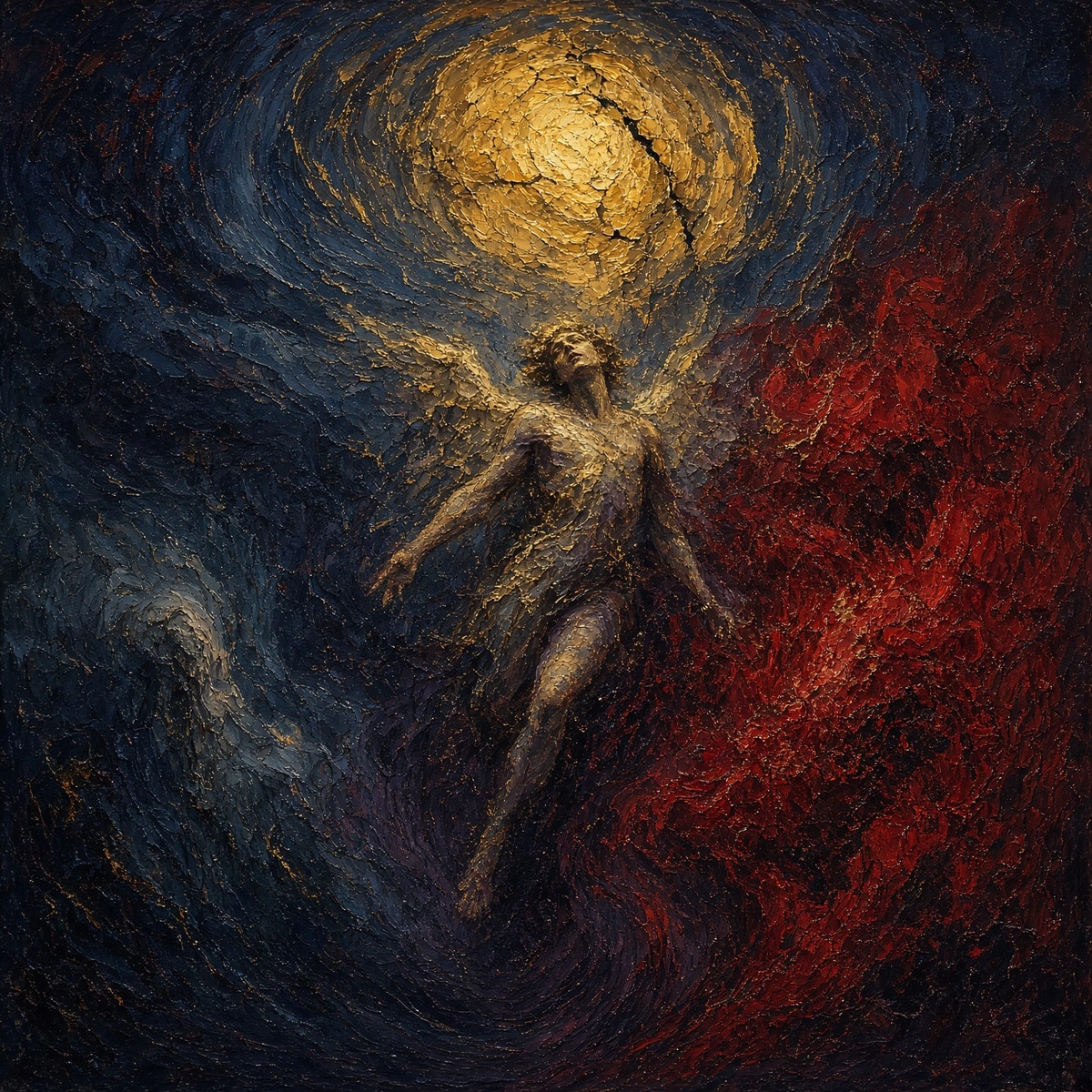
How Art Thou Fallen
Isaiah 13:1-14:27
Lyrics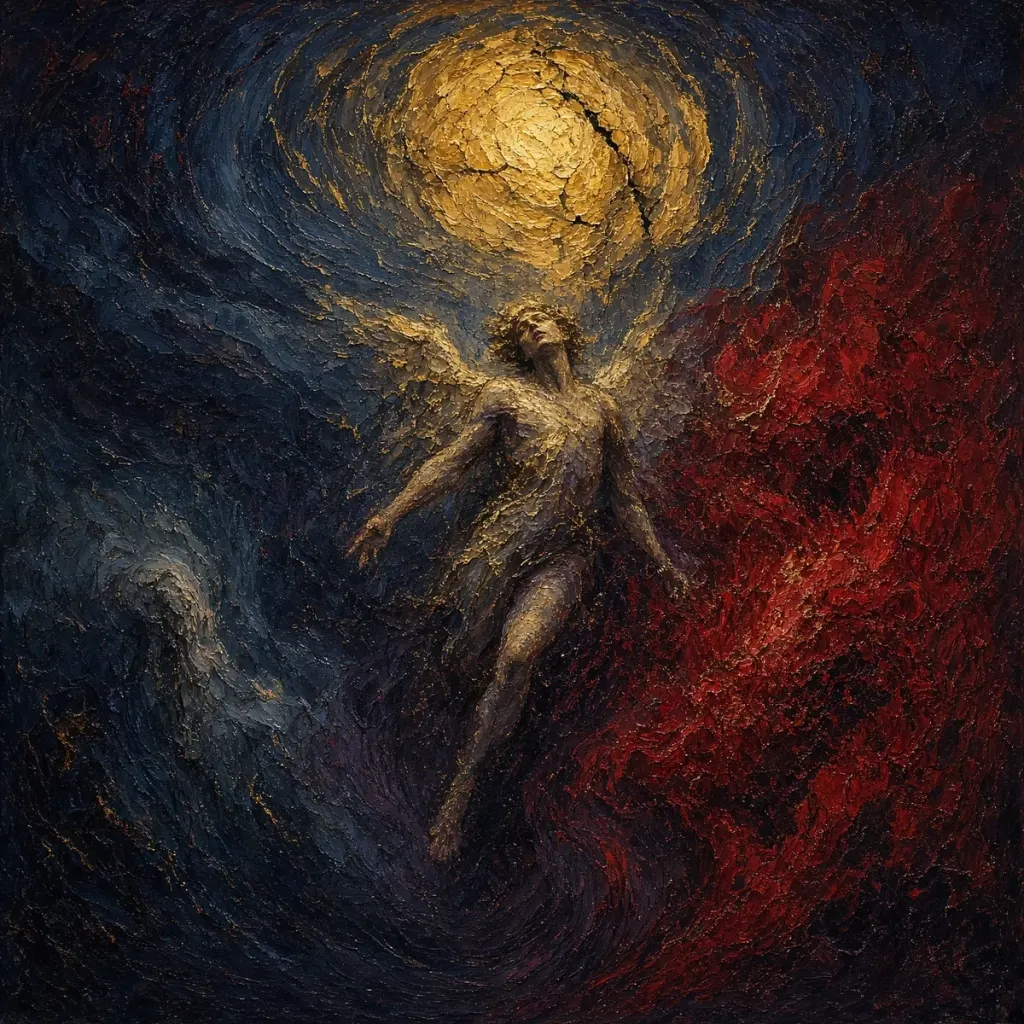
Playing next
About this song
About this song
This song belongs to the Isaiah collection. One recording is available to play here, with the complete lyrics below.
- Bible book
- Isaiah
- Collection
- Isaiah
- Musical styles
- Uncategorized
About the passage
Isaiah 13: Babylon's splendor under a darkened sky
Isaiah 13 opens the burdens against foreign kingdoms with Babylon already under summons. A banner rises, nations gather, and the LORD of hosts musters the force before Babylon gets a word. The judgment then expands beyond city walls into darkened stars, sun, and moon, a shaken heaven and earth, and language broad enough to make the fall of one empire feel like a world coming apart. Yet Isaiah does not leave the oracle at cosmic scale. He narrows it to hunted people, murdered children, violated women, looted houses, and an army unmoved by silver or gold. Babylon's wealth cannot buy its way out. The final reversal is architectural and almost eerie. The "glory of kingdoms" loses human occupants, and wilderness creatures inherit palaces once built to display permanence. Isaiah moves from imperial splendor to a city whose finest rooms answer with animal cries.
Study Isaiah 13 in depthIsaiah 14: The throne above the stars ends below the ground
Isaiah 14 begins with Jacob's promised relief and then hands Israel a taunt for the king of Babylon. The ruler who shook kingdoms is received beneath the earth by dead kings asking whether he has become as weak as they are. His imagined ascent above stars and clouds collapses into descent, worms, a dishonored body, and a dynasty cut off. The poem reaches spectacular heights only to make ordinary mortality the final insult. Isaiah then turns from Babylon to Assyria, repeating the image of a burden lifted from shoulders because the LORD's purpose cannot be cancelled. A separate oracle to Philistia warns that the breaking of one hostile rod does not make the future safe. The chapter's movements differ, but one claim holds them together: political powers may change shape, successor, and direction, while the LORD's purpose remains the fixed point by which their rise and fall are measured.
Study Isaiah 14 in depth