
Lyrics · Leviticus
Leviticus, Through Fire and Mercy
Leviticus 1:1-27:34
Lyrics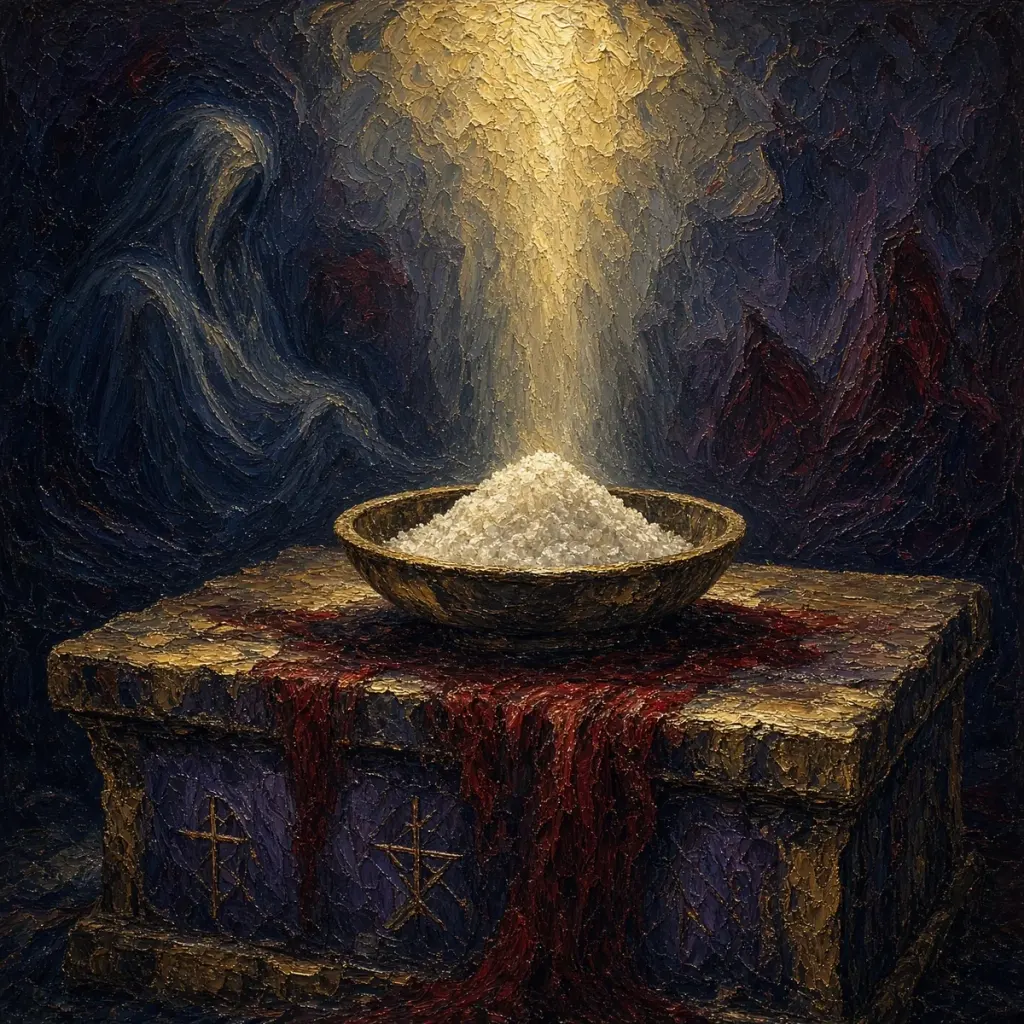
Playing next
Lyrics transcribed from this recording. Word-for-word review is pending.
About the passage
Leviticus 1: A call from inside the tabernacle
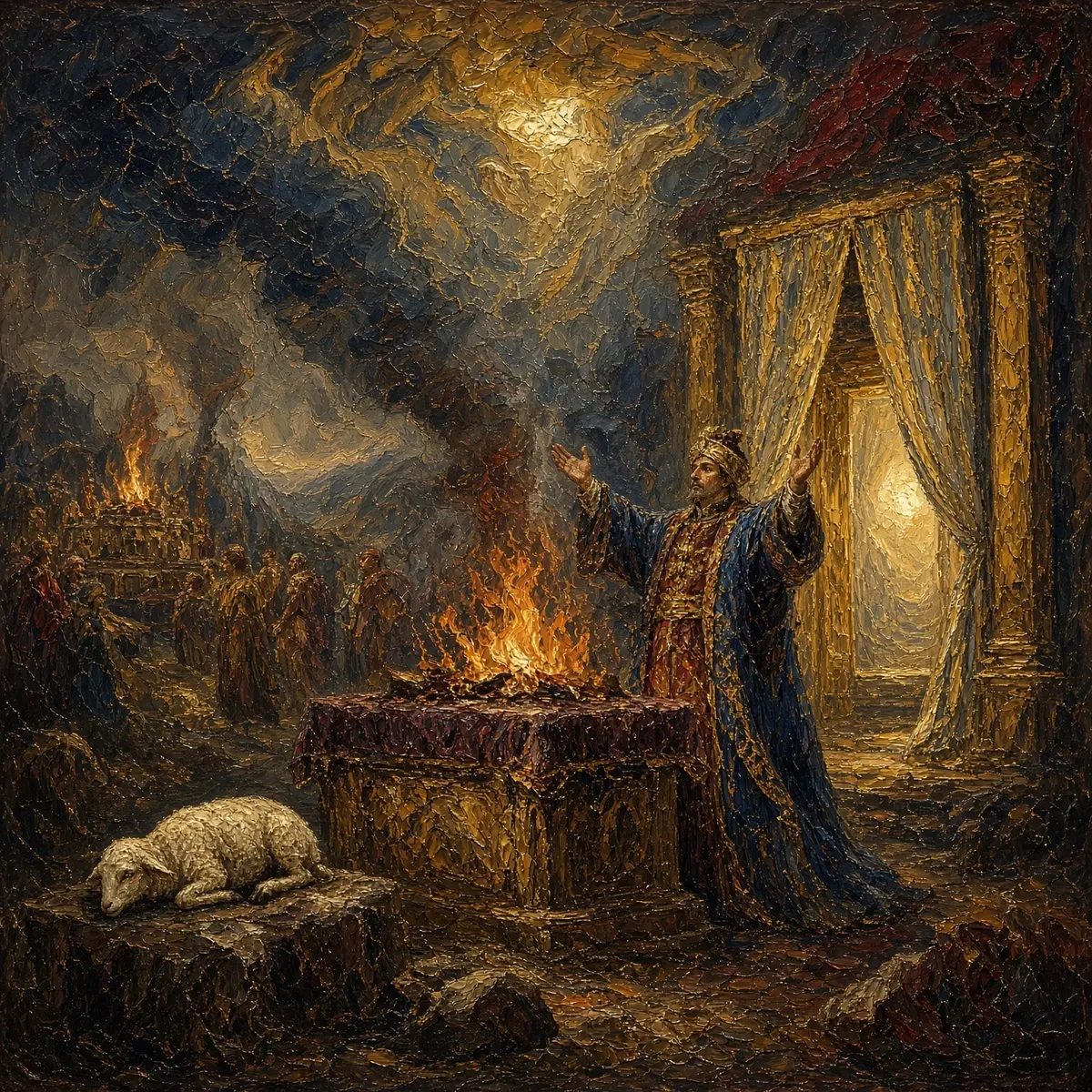
Leviticus opens not with another journey but with a voice from inside the completed tabernacle. The LORD’s nearness now creates the need for an ordered approach, and the burnt offering is the first answer. Herd animal, flock animal, and bird are handled differently because they are different bodies, yet each route ends at the same altar and with the same language of acceptance. The worshipper is not a spectator. With larger animals, he kills, flays, cuts, and washes while the priests handle blood, fire, and altar placement. The chapter’s repetition does legal work: a smaller permitted offering is not treated as a smaller welcome, and detailed procedure keeps devotion from becoming improvisation. The opening chapter makes access concrete: doorway, hand, blood, fire, and preparation all belong to the approach.
Study Leviticus 1 in depthLeviticus 2: Flour, oil, and the salt of the covenant
Leviticus 2 brings cultivated food into the sanctuary: flour, oil, frankincense, cakes, wafers, grain, and salt. The KJV’s “meat offering” contains no animal meat, and the chapter carefully separates what is burned from what is presented and what becomes priestly food. Different kitchens and cooking methods remain legitimate within one offering law. Leaven and honey are excluded from altar burning, but that does not make them inherently sinful in every setting; firstfruits may be presented without being burned, and later offerings can include leavened bread. Salt, by contrast, must not be missing. The chapter keeps returning to one idea: material can vary in form while its sacred allocation remains exact. Even the chapter’s restrictions work by placement and purpose, not by declaring every excluded ingredient morally corrupt.
Study Leviticus 2 in depthLeviticus 3: The peace offering and the portion reserved
The peace offering begins with familiar actions from the burnt offering, but its distribution is different. Male or female animals may be brought, hand-laying and blood application remain, and only specified portions are burned. Leviticus notices the actual animal: a lamb’s whole fatty tail belongs to the altar portion, while the goat instructions omit it. The repeated focus on fat establishes what is reserved to the LORD before later chapters explain the shared meal. Then the rule leaves the courtyard. Israel is forbidden to eat the designated fat or blood throughout its dwellings. An altar law therefore reaches the dinner table, tying household practice to the portions already marked out in sacrifice. The offering is shared only after Leviticus first establishes which parts cannot become ordinary food.
Study Leviticus 3 in depth