
Lyrics · Numbers
The Vow Must Stand
Numbers 28:1-32:42
Lyrics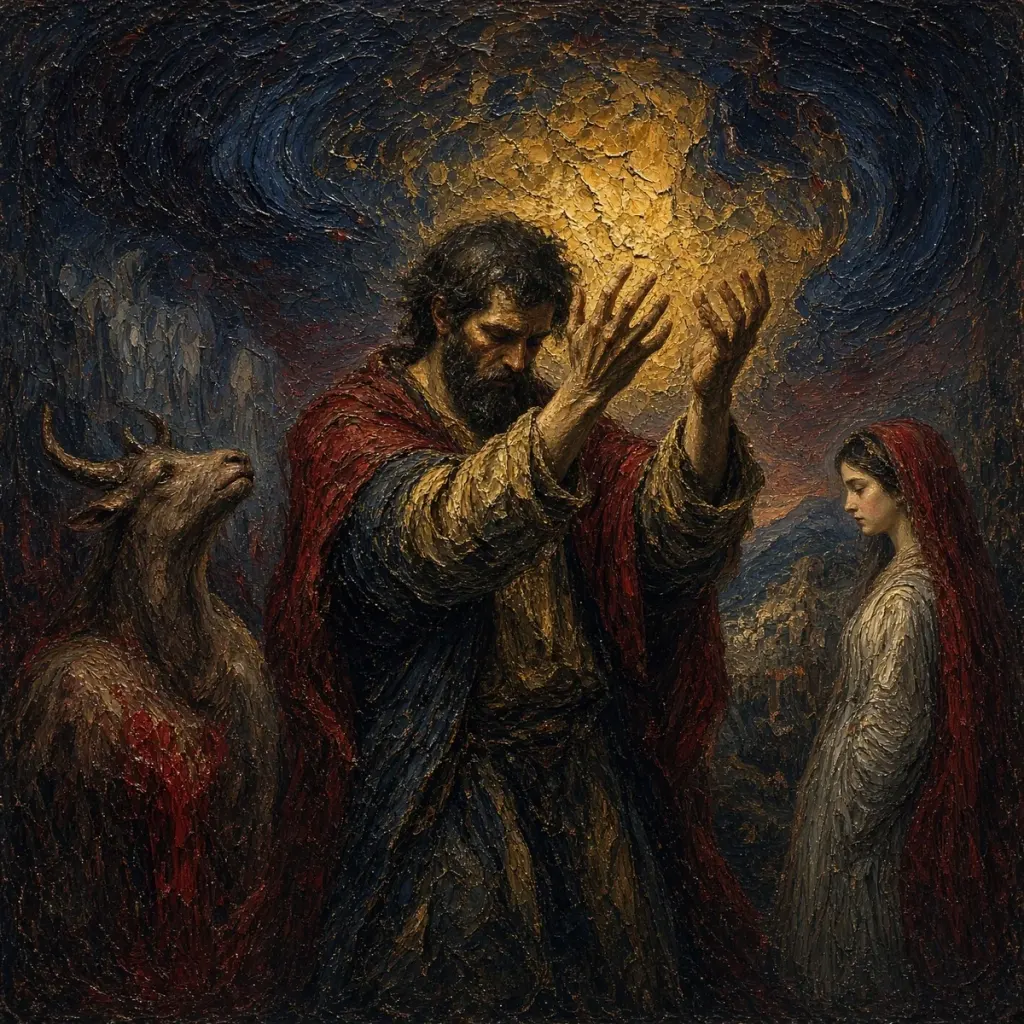
Playing next
About this song
About this song
This song belongs to the Numbers collection. One recording is available to play here, with the complete lyrics below.
- Bible book
- Numbers
- Collection
- Numbers
- Musical styles
- World Music
About the passage
Numbers 28: The calendar is built on the daily offering
Numbers 28 follows Joshua's appointment not with military strategy but with a calendar of worship. The future nation will be measured not only by campaigns and territory but by mornings, evenings, Sabbaths, months, Passover, weeks, and harvest. Two lambs every day form the foundation, each with its grain, oil, and drink offering, and every special observance is added "beside the continual burnt offering" rather than replacing it. The monthly and festival sacrifices increase in scale while remaining carefully proportioned and distinguished by type. Passover on the fourteenth is kept distinct from the seven-day feast beginning on the fifteenth. The chapter ends with firstfruits, a command that quietly assumes fields, grain, and settled agricultural life ahead. Israel is still on the plains of Moab, but Numbers is already ordering the rhythm of life in the land. The new generation inherits more than territory. It inherits an appointed pattern in which ordinary daily worship remains underneath every larger celebration.
Study Numbers 28 in depthNumbers 29: The seventh month gathers the offerings together
Numbers 29 gathers the seventh month's observances into one dense calendar and keeps showing how obligations accumulate rather than replace one another. The first day adds trumpet blasts, assembly, and special sacrifices beside the monthly and continual offerings. The tenth day adds affliction, cessation from work, and offerings that are explicitly separate from the established atonement rite. The seven-day feast then begins at its largest scale, with thirteen bullocks, and reduces that number by one each day while the rams, lambs, goat, and continual service remain steady. An eighth-day solemn assembly breaks the descending pattern with a smaller distinct offering. The chapter closes by placing the fixed festival schedule beside vows and freewill offerings, preparing the move from appointed sacrifices to obligations created by spoken promises.
Study Numbers 29 in depthNumbers 30: Words bind, and silence can confirm them
Numbers 30 treats vows as words that can become binding obligations and then defines how those obligations operate inside particular household relationships. A man who binds himself is required to do what came from his mouth. A young woman's vow in her father's house may stand through his silence or be annulled by his objection on the day he hears it. The same pattern appears in marriage, while the vows of widows and divorced women stand without a father's or former husband's veto. The chapter does not erase the unequal authority built into the household cases, but it also does not present that authority as unlimited or indefinite. Silence confirms a vow, and a husband who waits and later overturns what he had already allowed can bear the resulting iniquity himself.
Study Numbers 30 in depth