[Gathering Call]
Gather together, gather near,
O nation without the blush of fear.
Before the decree gives birth to the day,
Before the chaff is blown away.
[Verse]
Before fierce anger crosses the land,
Before the hour no wall can withstand,
Come from the market, field, and street;
Lay down the pride beneath your feet.
[Round]
Seek the LORD,
Seek what is right.
Seek the meek path
Before the night.
[Chorus]
Seek righteousness, seek meekness,
All who have kept his judgment in weakness.
Perhaps you may be hidden away
In the fierce approach of the LORD's own day.
Seek righteousness, seek meekness,
Not outward ash with inward secrets.
Gather together while mercy still calls;
Bend before truth before judgment falls.
[Verse II]
The decree is not sleeping, the hour is not late,
The wind already moves at the edge of the gate.
No nation is healed by refusing its shame,
No mouth is restored by avoiding the name.
[Bridge]
Not wealth,
Not rank,
Not walls,
Not blame.
A humble heart
Must seek his name.
[Final Chorus]
Seek righteousness, seek meekness,
All who have kept his judgment in weakness.
Perhaps you may be hidden away
In the fierce approach of the LORD's own day.
Seek righteousness, seek meekness,
The road is narrow, the summons is gracious.
Gather together while mercy still calls;
Bend before truth before judgment falls.
[Outro]
Before the chaff flies,
Seek.
About the passage
Zephaniah 2: The humble remnant and the cities that trusted themselves
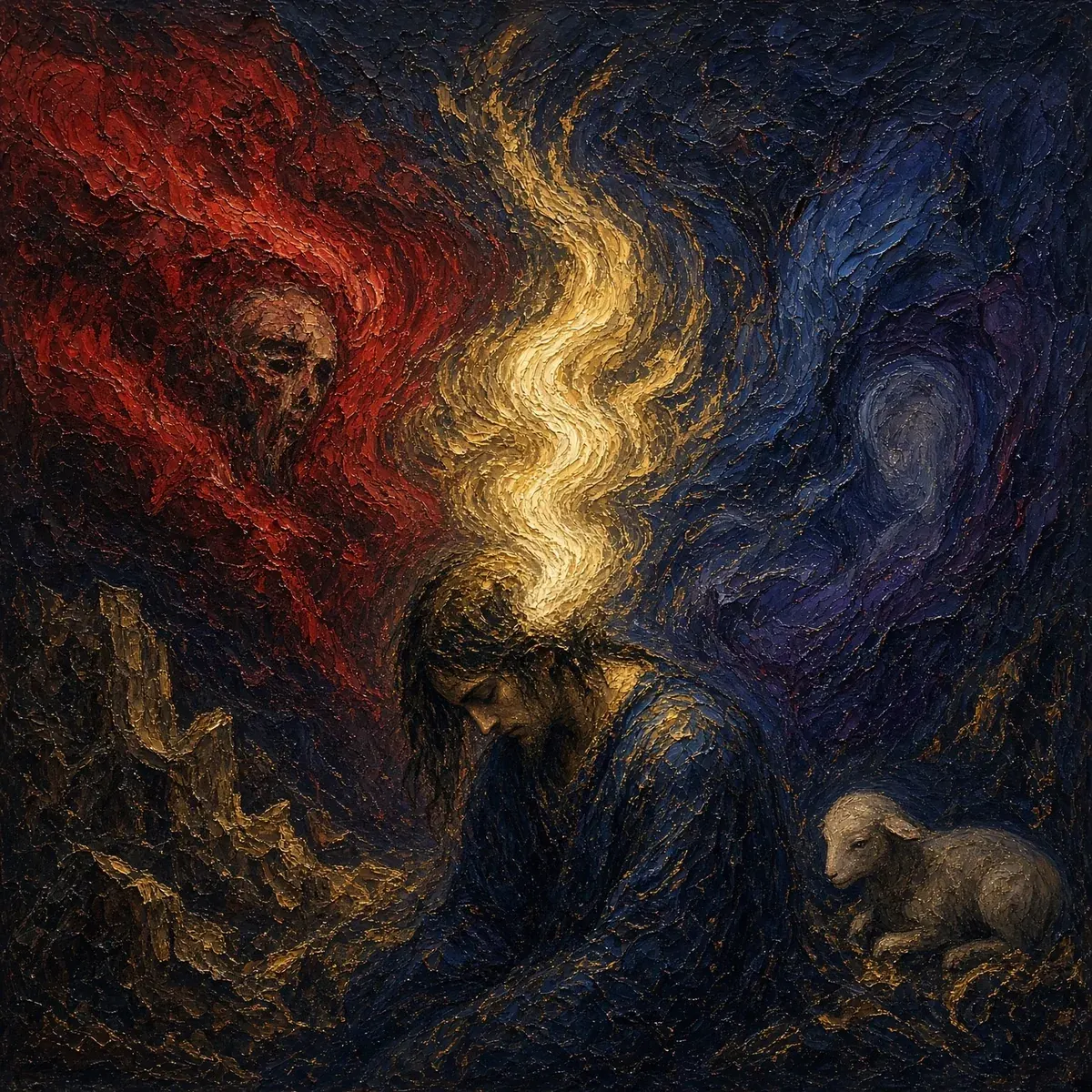
The Book of Zephaniah interrupts judgment with a narrow window marked by one urgent idea: before. Before the decree comes, before the day passes like chaff, the nation is summoned to gather, and the meek are called to seek the LORD, righteousness, and meekness. Even then, shelter remains "it may be," not a reward they can force into existence. From there the prophecy moves outward along the Philistine coast, through Moab and Ammon, toward Ethiopia and Assyria. The geography widens, but the themes stay connected: pride, hostility, false security, and the limits of gods and cities that seem permanent. Judah's remnant appears in landscapes emptied of former occupants, while distant peoples also appear as future worshippers. Nineveh closes the chapter by turning self-sufficiency into a ruin occupied by animals, a severe answer to the city's claim that none existed beside it.