
The big picture
First John opens with a claim of direct contact with Jesus Christ, God's Son. Those who speak have heard him, seen him, and touched him. They want their readers to share the life they have come to know. The letter soon turns from that shared joy to a hard test. Claims of closeness to God must agree with conduct. That includes admitting sin, the wrong people do against God, rather than pretending it is absent.
In this chapter
- Witnesses Share What They Encountered 1 John 1:1-4
The opening speakers describe something they have met through their senses.
- Light and Conduct Belong Together 1 John 1:5-7
The message about God begins with light.
- Confession Replaces Claims of Innocence 1 John 1:8-10
Denying sin deceives the person making the claim.
Central truth
First John connects shared life with God to truthful conduct, cleansing through Jesus, and honest confession of sin.
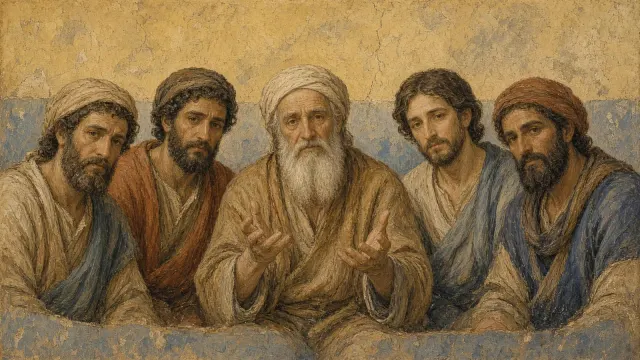

Scripture beside the summary
1 John · King James Version · 101 John 1:1-4
Witnesses Share What They Encountered
The opening speakers describe something they have met through their senses. They heard, watched, and touched the one they call the Word of life. The life that was with God the Father became visible to them in Jesus. Now they tell others what they witnessed. Their aim is fellowship, a shared life and bond, with their readers. That bond also reaches to the Father and his Son. The letter is written so that joy can become full through this shared knowledge and relationship.
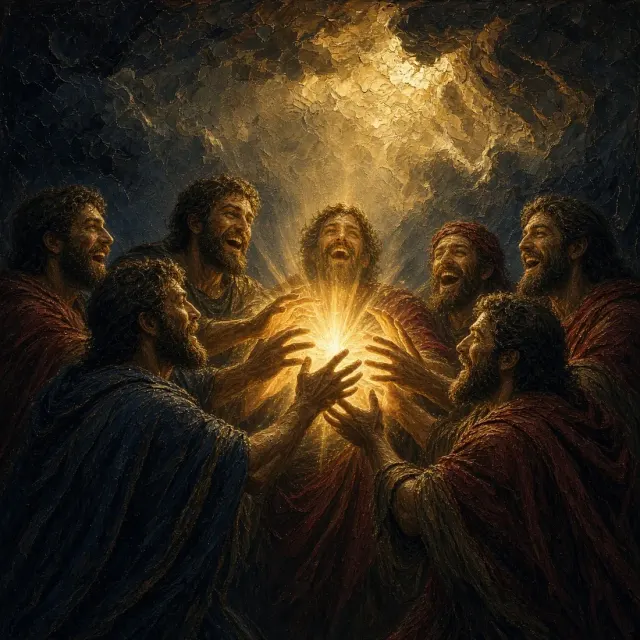
In everyday life
A singer plays an old recording in a sound booth for a younger musician. She was present at the session and points out the voices she remembers. The younger musician now hears what was once limited to that small group. A shared connection grows through a witness. First John offers shared life with God, not access to a recorded performance.
Notice
1 John 1:3 The invitation reaches further than joining the human witnesses. Their shared life is also with God the Father and Jesus, so the bond has two directions.
1 John 1:1-4
King James Version1That which was from the beginning, which we have heard, which we have seen with our eyes, which we have looked upon, and our hands have handled, of the Word of life;
2(For the life was manifested, and we have seen it, and bear witness, and shew unto you that eternal life, which was with the Father, and was manifested unto us;)
3That which we have seen and heard declare we unto you, that ye also may have fellowship with us: and truly our fellowship is with the Father, and with his Son Jesus Christ.
4And these things write we unto you, that your joy may be full.
1 John 1:5-7
Light and Conduct Belong Together
The message about God begins with light. There is no moral darkness in him at all. A claim to share life with him is false if a person keeps walking in darkness. Here walking means the course of a life, rather than a physical route. Living in the light brings believers into fellowship with one another. Jesus' blood, meaning his life given in death, cleanses them from sin. The letter holds truthful conduct and that cleansing together. Neither a claim alone nor hidden wrongdoing matches God's light.
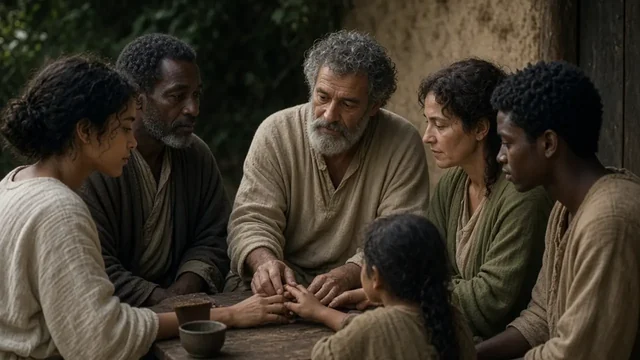
In everyday life
An allotment grower signs a pledge to share water fairly, then opens a hidden tap at night. His neighbours trust the signed sheet until the dry tanks expose his conduct. Another grower leaves her meter visible so everyone can check it. Shared work needs open dealing. Jesus cleanses sin in a way that honest allotment rules cannot.
Notice
1 John 1:7 Cleansing appears in the description of walking in light. The letter does not define life in the light as having no further need of forgiveness.
1 John 1:5-7
King James Version5This then is the message which we have heard of him, and declare unto you, that God is light, and in him is no darkness at all.
6If we say that we have fellowship with him, and walk in darkness, we lie, and do not the truth:
7But if we walk in the light, as he is in the light, we have fellowship one with another, and the blood of Jesus Christ his Son cleanseth us from all sin.
1 John 1:8-10
Confession Replaces Claims of Innocence
Denying sin deceives the person making the claim. The letter says that truth cannot live within such denial. Confession offers a different response: people name their sins instead of hiding them. God is faithful and right to forgive and cleanse those who confess. A claim never to have sinned goes further than self deception. It treats God as a liar, because it rejects what he says about human wrongdoing. The chapter ends with a sharp choice between honest admission and a denial that shuts out his word.
In everyday life
A patient sits in a dental chair and insists that a broken filling causes no trouble. Then she admits the pain that has kept her awake. The dentist can now examine the real problem instead of hearing a claim that everything is fine. Admitting damage opens an honest exchange. Forgiveness from God concerns guilt, not the repair of a tooth.
Notice
1 John 1:10 The final denial challenges God's truthfulness as well as a person's self knowledge. Confession matters because the relationship depends on truth.
1 John 1:8-10
King James Version8If we say that we have no sin, we deceive ourselves, and the truth is not in us.
9If we confess our sins, he is faithful and just to forgive us our sins, and to cleanse us from all unrighteousness.
10If we say that we have not sinned, we make him a liar, and his word is not in us.
Details worth noticing
The opening image
1 John 1:1 begins with “That which was from the beginning, which we have heard, which we have seen with our eyes, which we have looked upon, and our hands have handled, of the…”
Where the chapter turns
1 John 1:7 forms a natural hinge: “But if we walk in the light, as he is in the light, we have fellowship one with another, and the blood of Jesus Christ his Son cleanseth us from all sin.”
The final note
1 John 1:10 leaves the reader with “If we say that we have not sinned, we make him a liar, and his word is not in us.”
A word trail through the chapter
The words fellowship, life, light, seen, Christ, darkness help reveal the chapter’s repeated concerns.
KJV words made clear
- unto
- to
Music and video connected to the passage
Related media appears when its Scripture reference overlaps this study. Music and video can illuminate a theme while the biblical text remains the foundation.