

Lyrics · Judges
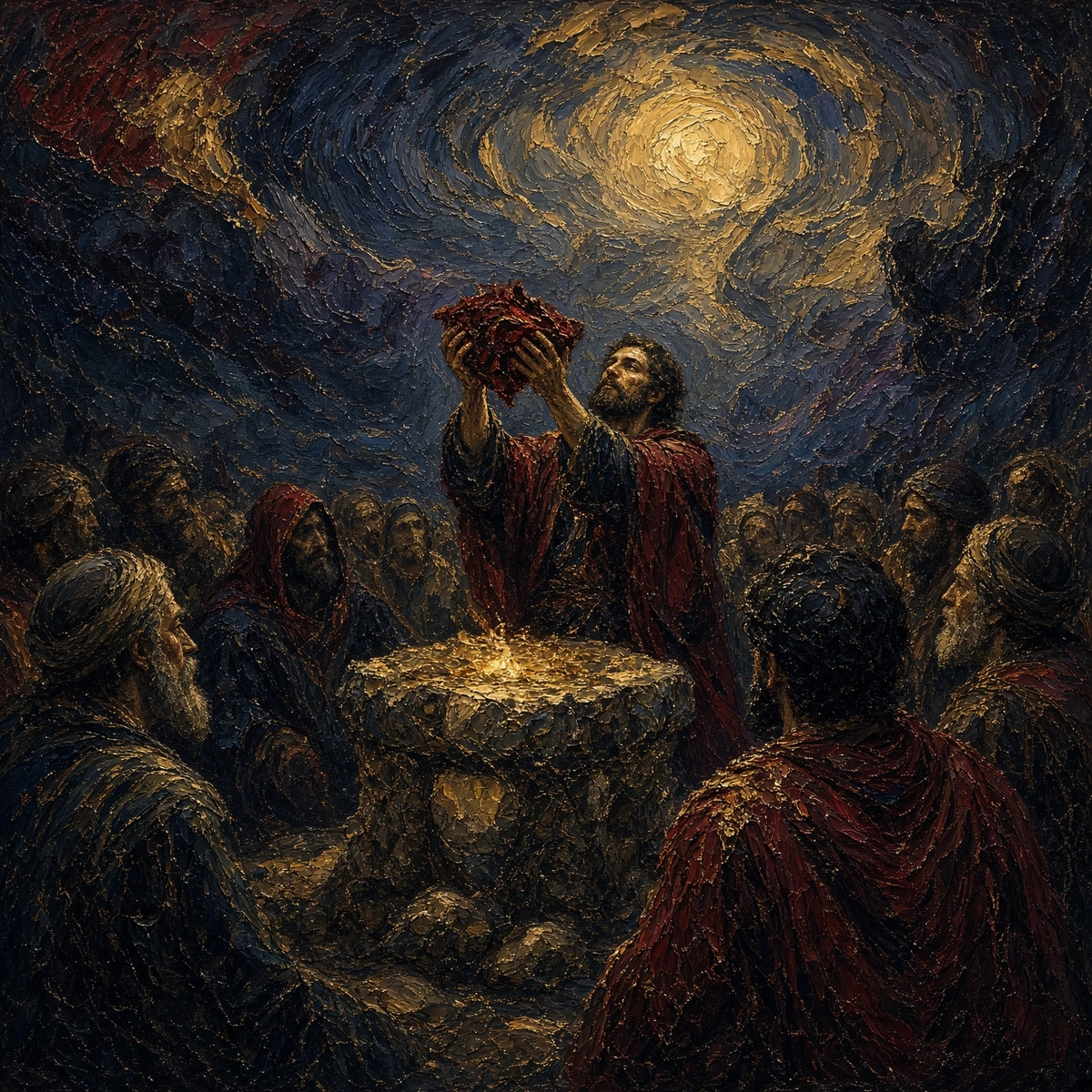
The Vow at Mizpeh
Judges 10:1-12:7
Lyrics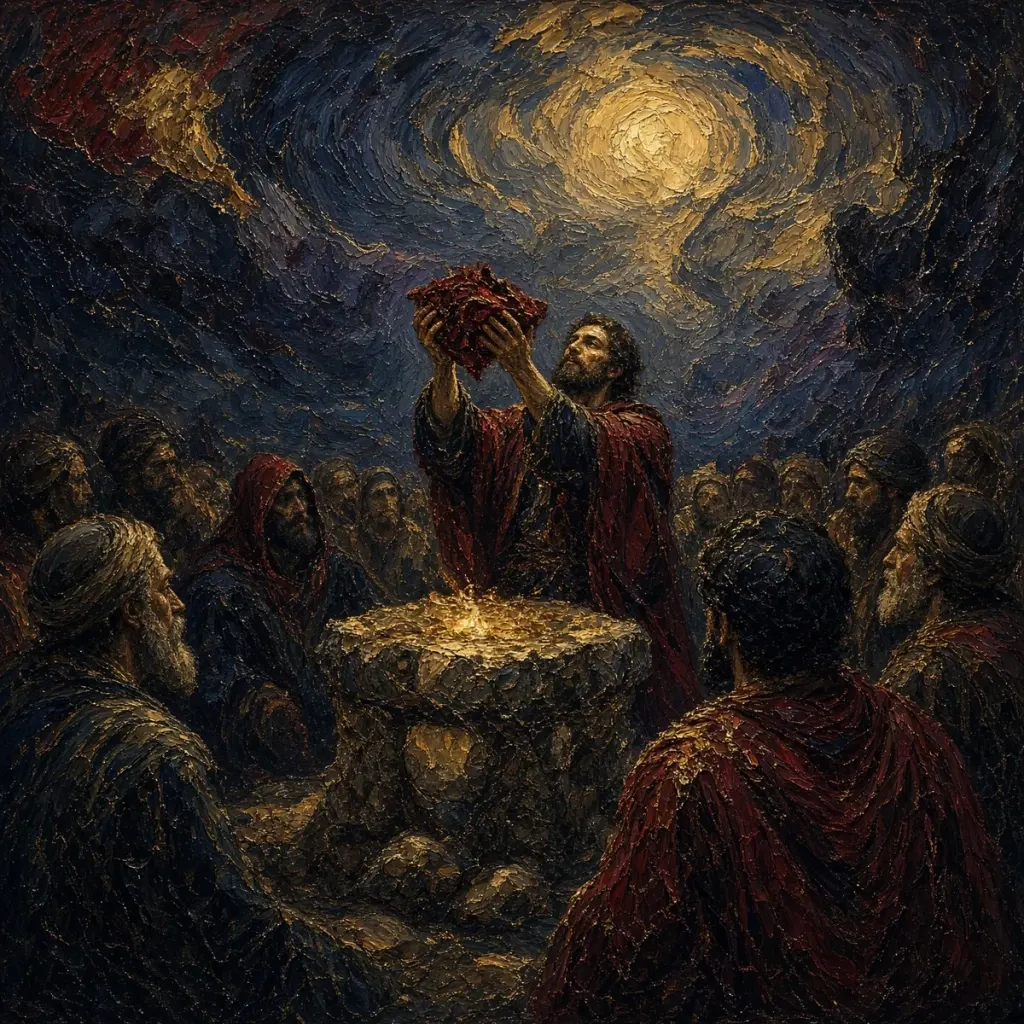
Playing next
About this song
About this song
This song belongs to the Judges collection. One recording is available to play here, with the complete lyrics below.
- Bible book
- Judges
- Collection
- Judges
- Musical styles
- World Music
Named in this songJephthah
About the passage
Judges 10: Brief judges, renewed apostasy, and a cry beyond words
Judges 10 gives forty-five years of leadership in only a few verses before returning to the larger cycle. Tola and Jair receive no dramatic battle account, though their years, locations, families, and influence are remembered. Israel then serves an unusually long list of surrounding gods and suffers under Philistine and Ammonite power. The people confess that they have forsaken the LORD, but the first response is severe: let the gods they chose deliver them. Their second confession accepts God’s judgment, and action follows words as they remove foreign gods and serve the LORD. The chapter says his soul is grieved for Israel’s misery. Even then, the military crisis remains unresolved. Ammon gathers in Gilead, Israel assembles at Mizpeh, and Gilead offers headship to whoever will begin the fight, setting up Jephthah’s return.
Study Judges 10 in depthJudges 11: Jephthah rises, negotiates, wins, and makes a terrible vow
Judges 11 places Jephthah between rejection, political ambition, careful argument, military victory, and a catastrophic vow. His brothers expel him from inheritance because of his mother, yet Gilead’s elders later seek the very man they rejected when Ammon threatens them. Jephthah negotiates for more than command: victory must make him head. Before battle he sends a long historical argument, distinguishing Ammonite and Moabite land from territory taken from the Amorite king Sihon, but the Ammonite king will not listen. The Spirit of the LORD comes upon Jephthah before he makes any vow. He nevertheless bargains concerning whatever comes from his doors. Victory follows, then his only daughter comes out with timbrels and dancing. The chapter ends in grief around words God never required him to add.
Study Judges 11 in depthJudges 12: Civil conflict turns a word into a boundary of death
Judges 12 shows how quickly conflict with an external enemy can turn inward. Ephraim confronts Jephthah over the Ammonite war and threatens his house with fire. Jephthah answers with his own account of having called for help, and the dispute becomes civil war. Gilead controls the Jordan crossings, where a small pronunciation difference in the word Shibboleth identifies fleeing Ephraimites for death. Forty-two thousand fall before Jephthah’s six-year judgeship ends. The rest of the chapter changes pace sharply. Ibzan, Elon, and Abdon pass in rapid succession, remembered through years of service, burial places, family networks, marriages, and visible signs of status. After the savagery of a tribal boundary enforced by speech, twenty-five quieter years are preserved without a recorded deliverance scene.
Study Judges 12 in depth