
Lyrics · Numbers
A Star out of Jacob
Numbers 22:1-24:25
Lyrics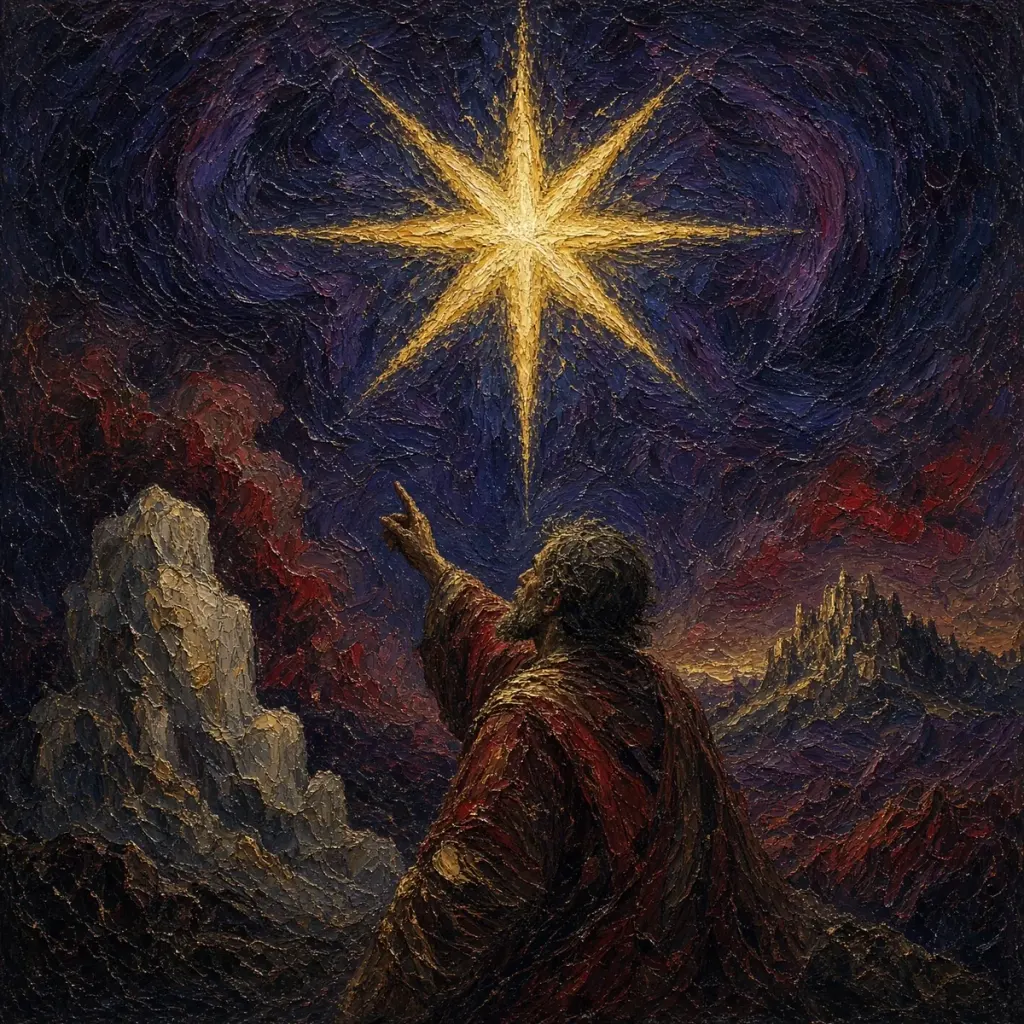
Playing next
About this song
About this song
This song belongs to the Numbers collection. 2 recordings are available to play here, with the complete lyrics below.
- Bible book
- Numbers
- Collection
- Numbers
- Musical styles
- Classical, Uncategorized
Named in this songJacob
About the passage
Numbers 22: The hired seer needs his eyes opened
Numbers 22 shifts the viewpoint outside Israel's camp. Balak of Moab sees what has happened to the Amorite kingdoms and tries to answer military fear with a purchased curse. Balaam can receive divine words, but he cannot make those words serve the king's purpose. The first refusal is narrowed as it travels back to Balak, inviting a more impressive embassy and greater promises of honor. Permission to travel comes with a strict limit on speech, and the road exposes Balaam's dependence even more sharply. His donkey sees the armed angel before he does, turns aside three times, and is beaten for repeatedly saving his life. The LORD opens the animal's mouth and then Balaam's eyes. By the time Balaam reaches Balak, the lesson is already established: physical arrival does not mean verbal control. The king can choose the meeting place, prepare sacrifices, and promise reward, but the word placed in Balaam's mouth remains outside his ownership.
Study Numbers 22 in depthNumbers 23: Another hill cannot reverse the blessing
Numbers 23 turns Balak's campaign into a repeated demonstration of what he cannot control. Seven altars, seven bullocks, seven rams, another hill, another view, and another round of sacrifice all fail to produce the curse he wants. Balaam's first oracle refuses the commission at its root: he cannot curse those whom God has not cursed. The second goes further, declaring that God's blessing is not available for renegotiation simply because Balak changes location or increases effort. Israel is pictured as distinct, accompanied by the LORD, and beyond the reach of the divination hired against it. Balak's demands shrink as the chapter proceeds. First he wants a curse; then he asks Balaam to stop blessing; finally he tries one more height at Peor. His arrangements multiply while his control disappears. The chapter ends beside yet another set of offerings, with the king still hoping that different scenery might somehow produce a different divine answer.
Study Numbers 23 in depthNumbers 24: The unwanted blessing reaches toward a coming king
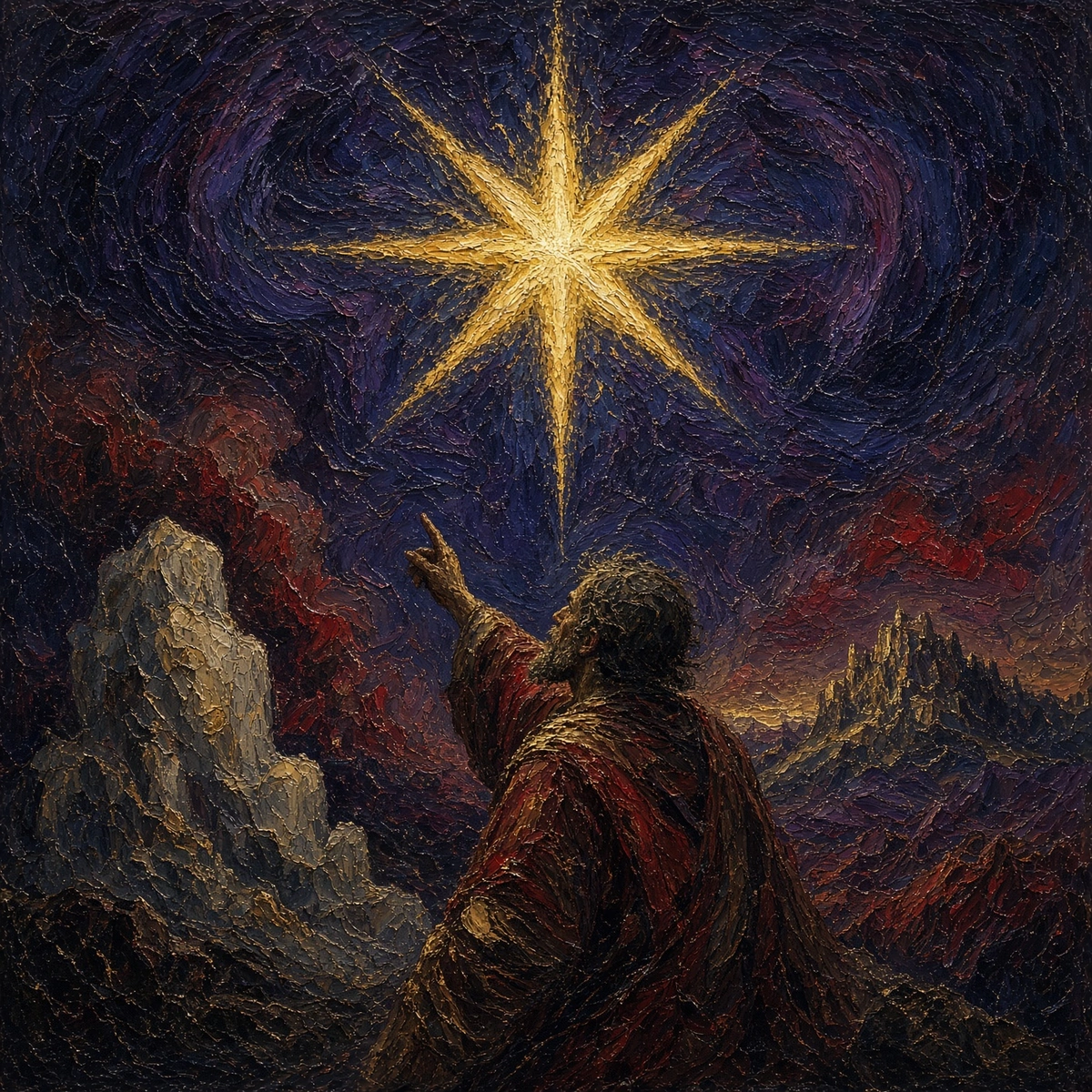
Numbers 24 closes Balak's failed commission by widening Balaam's vision far beyond the curse that was requested. Balaam no longer seeks enchantments but looks toward Israel's ordered camp as the Spirit of God comes upon him. Tents become riverside gardens, abundant waters, royal strength, and the image of a lion at rest after victory. The blessing then turns back on Balak: the one who blesses Israel is blessed, and the one who curses is cursed. Balak angrily dismisses Balaam and withdraws the honor he had promised, yet dismissal does not end the speech. Further oracles reach toward a future ruler from Jacob, figured as a star and sceptre, whose dominion touches Moab and Edom. The view then expands again to Amalek, the Kenites, Asshur, Eber, and ships from Chittim. Apparent security repeatedly gives way to overthrow. Balak wanted one hostile word against the camp below; he receives instead a vision in which Israel remains blessed and surrounding powers prove temporary.
Study Numbers 24 in depth