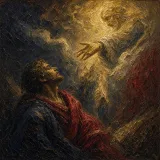
The big picture
Wholehearted praise follows a prayer that God answered with inward strength. The speaker bows towards the holy temple, the place set apart for God's worship, and honours his mercy and truth. Kings are expected to join the praise when they hear God's words. Though high above all, he attends to the lowly. Trouble and enemies remain, so the ending asks the maker not to abandon his own work. Thanks and unfinished need belong in the same prayer.
In this chapter
- A Heard Prayer Becomes Wholehearted Thanks Psalms 138:1-3
The speaker gives praise with an undivided heart, even before beings called gods.
- High Rank Does Not Escape God’s Sight Psalms 138:4-6
The speaker expects the earth's kings to praise the Lord when they hear his words.
- The Maker Is Asked to Finish His Work Psalms 138:7-8
Walking amid trouble does not end the hope for renewed life.
Central truth
God's answer gives strength for praise, and his care for the lowly supports trust that he will complete his work amid trouble.


Scripture beside the summary
Psalms · King James Version · 8Psalms 138:1-3
A Heard Prayer Becomes Wholehearted Thanks
The speaker gives praise with an undivided heart, even before beings called gods. Who is meant by that term here is not fully clear. He bows towards God's holy house and thanks him for mercy and truth. God's word has been greatly honoured, matching the greatness of his name. The reason becomes personal: on the day the speaker cried, God answered and strengthened him within. The answer is described through renewed courage rather than a list of outward changes. That strength now finds a voice in praise.

In everyday life
A patient advocate answers a frightened caller and explains the next steps while staying on the line. The caller sits straighter, writes down the plan, and later sends thanks for being heard. The appointment has not happened yet, but the call has given him strength to face it. The psalm credits God with strengthening the soul.
Notice
Psalms 138:3 The answer is described as strength within the speaker. The verse names an inward change without requiring every outward problem to have vanished first.
Psalms 138:1-3
King James Version1I will praise thee with my whole heart: before the gods will I sing praise unto thee.
2I will worship toward thy holy temple, and praise thy name for thy lovingkindness and for thy truth: for thou hast magnified thy word above all thy name.
3In the day when I cried thou answeredst me, and strengthenedst me with strength in my soul.
Psalms 138:4-6
High Rank Does Not Escape God’s Sight
The speaker expects the earth's kings to praise the Lord when they hear his words. They will sing about his ways because his glory is great. Yet highness does not make God neglect lowly people. He sees and attends to them. The proud, by contrast, are known from a distance. Rank and closeness to God are not the same thing. The song brings rulers into praise while denying pride a special claim on his favour. His greatness includes a regard for those who have little standing.
In everyday life
A senior surgeon stops beside the quiet porter who has spotted a problem with a patient's transfer. She listens to his concern before the crowded ward round moves on. His job title has not made his words invisible. The loudest person does not own her attention. The psalm describes God's regard for the lowly despite his supreme height.
Notice
Psalms 138:6 God's high place is followed by his attention to the lowly. The contrast makes clear that greatness does not mean indifference to those without rank.
Psalms 138:4-6
King James Version4All the kings of the earth shall praise thee, O LORD, when they hear the words of thy mouth.
5Yea, they shall sing in the ways of the LORD: for great is the glory of the LORD.
6Though the LORD be high, yet hath he respect unto the lowly: but the proud he knoweth afar off.
Psalms 138:7-8
The Maker Is Asked to Finish His Work
Walking amid trouble does not end the hope for renewed life. God will stretch out his hand against angry enemies and rescue him. The Lord will bring his purposes for the speaker to completion. That trust rests on mercy that lasts, yet it ends with a plea not to abandon what God's own hands have made. Confidence does not silence request. The person giving thanks is still threatened and still needs care. He asks the same God who answered before to remain engaged with an unfinished life.
In everyday life
A cabinet restorer returns to a damaged chest she has worked on for weeks. The owner watches her fit the last loose panel and asks her to stay until the door works properly. Earlier care gives him reason to trust her with what remains. He does not treat the unfinished part as lost. The psalm addresses God as maker and rescuer.
Notice
Psalms 138:8 A claim that God will complete his work ends in a plea against abandonment. Trust expresses itself by asking, not by pretending further help is unnecessary.
Psalms 138:7-8
King James Version7Though I walk in the midst of trouble, thou wilt revive me: thou shalt stretch forth thine hand against the wrath of mine enemies, and thy right hand shall save me.
8The LORD will perfect that which concerneth me: thy mercy, O LORD, endureth for ever: forsake not the works of thine own hands.
Details worth noticing
The opening image
Psalms 138:1 begins with “I will praise thee with my whole heart: before the gods will I sing praise unto thee.”
Where the chapter turns
Psalms 138:4 forms a natural hinge: “All the kings of the earth shall praise thee, O LORD, when they hear the words of thy mouth.”
The final note
Psalms 138:8 leaves the reader with “The LORD will perfect that which concerneth me: thy mercy, O LORD, endureth for ever: forsake not the works of thine own hands.”
A word trail through the chapter
The words LORD, praise, hand, name, sing, afar help reveal the chapter’s repeated concerns.
KJV words made clear
- lovingkindness
- Steady mercy and faithful care shown towards another.
Music and video connected to the passage
Related media appears when its Scripture reference overlaps this study. Music and video can illuminate a theme while the biblical text remains the foundation.