
Psalms
150 Chapters
Psalms: The Whole Book, Chapter by Chapter
Two Ways, One Rooted Life
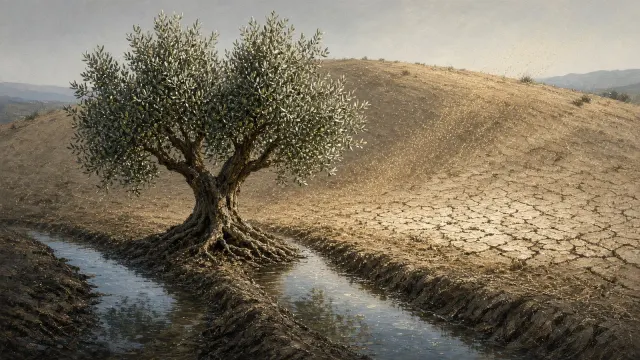
Psalm 1 opens the Book of Psalms by making a life visible through what feeds it. The movement from walking to standing to sitting shows how counsel can become a settled place, while delight in the LORD’s law supplies a different source altogether. The tree is not impressive because it never faces a dry season, but because it is planted beside water and bears fruit “in his season.” The wicked receive no rival tree. They are chaff, unable to hold their ground when judgment comes. The final contrast therefore reaches beyond isolated choices. One way is known by the LORD and has depth, continuity, and fruit; the other has motion without rootedness and ends by perishing.
One complete chapter pageOpen chapter →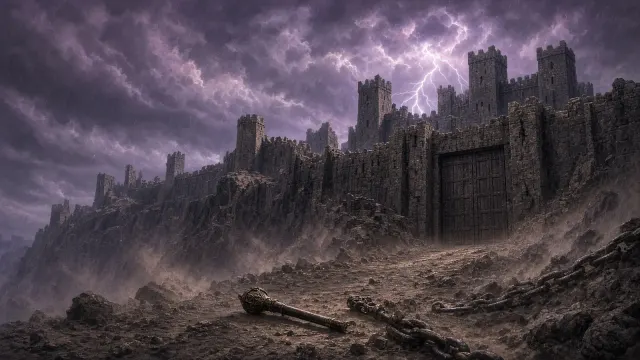
The Throne That Rebellion Cannot Unsettle
Psalm 2 begins with political noise and ends with refuge. Nations rage, rulers coordinate, and the LORD’s authority is described by them as cords to be broken, yet heaven answers without panic. The Book of Psalms contrasts rulers who “set themselves” with the Lord who simply sits, then places the king’s authority inside a decree received from God. The nations that first appear as rebels become the horizon of the king’s inheritance, and the imagery of iron against pottery makes resistance look fragile beside that grant. The closing address does not stop at judgment. The same rulers are told to receive instruction, serve with fear, and seek safety in submission, so warning and blessing occupy the same ending.
One complete chapter pageOpen chapter →
Sleep Inside the Circle of Enemies
Psalm 3 places one surrounded person beneath an increasing weight of hostile voices. The enemies do more than threaten him physically; they announce a theological verdict, “There is no help for him in God.” The answer comes by changing the audience. Instead of arguing with the crowd, the speaker addresses the LORD as shield, glory, and the lifter of his head. Then the psalm moves to an ordinary act with unusual force: he sleeps and wakes while the danger remains. That night becomes evidence of sustaining care before any battlefield report appears. The closing petition is personal and communal at once. Salvation belongs to the LORD, and the blessing sought at the end reaches beyond the besieged individual to God’s people.
One complete chapter pageOpen chapter →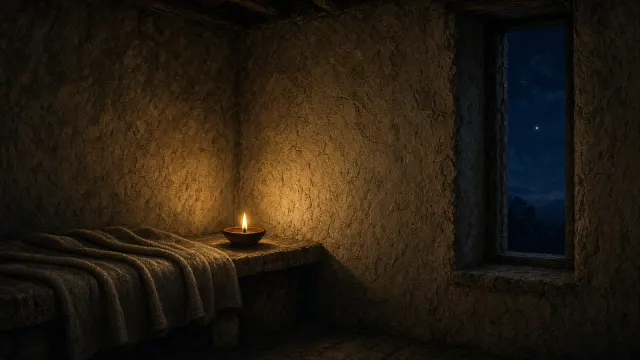
A Quiet Bed After a Noisy Dispute
Psalm 4 moves from public dishonor and disputed speech toward a bed that has become quiet. The speaker remembers being given room in distress, challenges people who love vanity and falsehood, and turns the argument inward by calling for reflection “upon your bed.” The Book of Psalms does not let sacrifice function as a way around conduct; worship, speech, private thought, and trust remain connected. A crowd asks who will show any good, but the answer is not simply a larger harvest. The speaker names gladness greater than increased corn and wine, then closes by lying down in peace. The dispute has not been narrated away. Safety is located in the LORD even before opponents apologize or circumstances visibly settle.
One complete chapter pageOpen chapter →
Morning Prayer Before a Dangerous Tongue
Psalm 5 arranges the day around competing forms of speech. Morning begins with words, meditation, crying, and deliberate prayer directed to “my King, and my God.” The psalm then contrasts that ordered appeal with mouths marked by falsehood, flattery, and violence. Access to worship is not claimed as a personal entitlement; the speaker comes in “the multitude” of God’s mercy and asks to be led in a straight way because enemies make the path dangerous. Their speech is pictured as an open grave, giving words the weight of lethal action. The ending answers hostile enclosure with another kind of surrounding presence: divine favor compasses the righteous like a shield, and joy belongs to those whose trust rests there.
One complete chapter pageOpen chapter →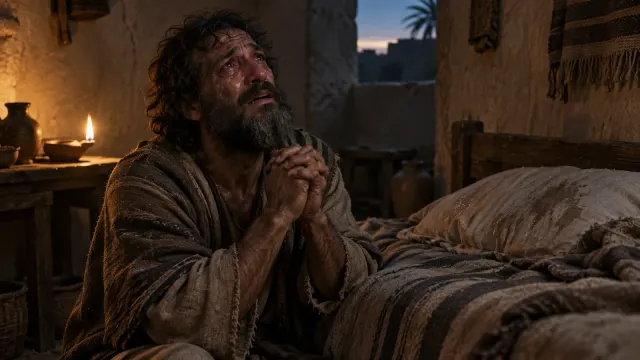
The Prayer Heard Through Tears
Psalm 6 gives distress a body. Weakness reaches bones, soul, eyes, and the bed itself, while the speaker asks for mercy without supplying a diagnosis or naming a particular sin. The plea “how long?” measures duration rather than offering an explanation. Death is feared partly because it would silence the living voice of thanksgiving, making rescue inseparable from continued praise. Then the poem changes its tone without reporting a cure, messenger, or altered circumstance. The LORD has heard the “voice” of weeping, and that assurance is enough to turn the speaker toward his enemies with new confidence. The Book of Psalms leaves the outward mechanism unstated and locates the decisive change in divine attention received as certain.
One complete chapter pageOpen chapter →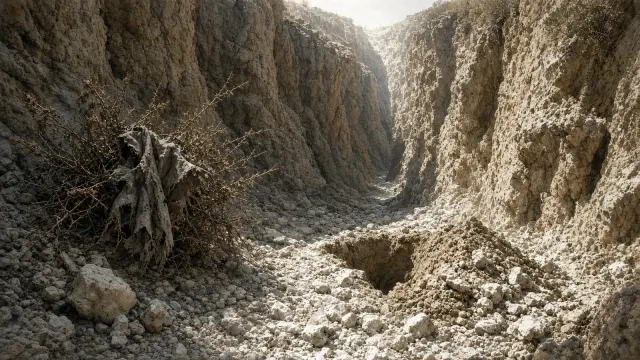
A Plea Willing to Stand Examination
Psalm 7 is a prayer for vindication that refuses immunity from examination. The speaker asks for rescue from a predator-like enemy, then immediately places his own hands and conduct under judgment, accepting the consequences if the accusation is true. The courtroom widens from one quarrel to a God who tests hearts and inward motives. Judgment then becomes active: sword, bow, and arrows picture a justice that will not remain permanently theoretical, while the condition “if he turn not” leaves repentance inside the warning. The final images show evil producing its own collapse. Mischief gives birth to falsehood, a pit catches its maker, and violence returns upon the head that planned it. Praise closes the psalm because righteousness, not retaliation, governs the appeal.
One complete chapter pageOpen chapter →
Human Smallness Crowned with Honor
Psalm 8 begins and ends with the excellence of the LORD’s name, placing everything between those lines inside divine majesty. The surprising middle moves from infants to the moon and stars, then to human beings crowned with glory and honor. The heavens do not make humanity disposable; they make God’s attention to humanity astonishing. Dominion over animals, birds, and sea creatures is real, yet every creature remains part of “the works of thy hands.” The Book of Psalms therefore holds smallness and dignity together without letting either erase the other. Human authority is delegated rather than self-originating, and the closing refrain keeps the crowned creature from becoming the center. The last word returns to the giver whose name fills the earth.
One complete chapter pageOpen chapter →
The Judge Remembers the Forgotten
Psalm 9 joins thanksgiving to an unfinished need for mercy. The speaker praises the LORD for maintaining his cause and contrasts vanished enemy memorials with a throne that endures for judgment. That high royal language immediately becomes shelter: the same judge is refuge for the oppressed and remembers cries that violent power would prefer to erase. The psalm then moves from the “gates of death” to Zion’s gates, where rescue would become public praise. Enemies fall into pits and nets of their own making, but the conclusion does not become simple celebration of their ruin. The final emphasis is memory and human limits. Nations may forget God, yet the needy are not finally forgotten, and human power is asked to recognize that it is still only human.
One complete chapter pageOpen chapter →
The Violence Hidden Under Confidence
Psalm 10 stays close to the logic of oppression. It opens by asking why the LORD seems far away, then shows how the wicked convert apparent divine distance into confidence that no accounting will come. Their theology is practical: “God hath forgotten” becomes permission for boasting, deceit, ambush, and the hunting of the poor. The prayer directly contests that conclusion with “Thou hast seen it.” Divine sight is joined to action for the fatherless and to a request that oppressive power be broken. The Book of Psalms does not pretend the opening complaint was imaginary. It carries that complaint through a detailed exposure of arrogance and ends by naming the LORD as king, the humble as heard, and judgment as the end of terror for those without protectors.
One complete chapter pageOpen chapter →
The Foundations and the Throne
Psalm 11 begins with competing refuges. Advisers urge flight to a mountain because hidden archers are ready and the foundations appear destroyed, but the speaker has already named the LORD as the place of trust. The danger is not dismissed as nervous imagination. Bows are bent, arrows are prepared, and the social order itself seems unstable. The answer changes the field of vision rather than denying the crisis: the LORD remains in his holy temple, his throne remains in heaven, and his eyes examine human conduct. Secret attackers are not hidden from that gaze. The ending turns on character. The righteous LORD opposes the love of violence and loves righteousness, so the final security of the upright rests in who still sees when earthly supports fail.
One complete chapter pageOpen chapter →
Pure Speech in a Flattering Generation
Psalm 12 treats speech as a social crisis. Faithful people seem to disappear while neighbors use vanity, flattery, and divided intention, and the proud tongue claims that no lord stands above it. The LORD’s reply is prompted not by verbal competition but by the oppression and sighing of the needy. His promise of safety is then compared with silver purified again and again, giving divine speech the opposite character from double-hearted language. The Book of Psalms does not manufacture a neat ending. The wicked are still said to walk on every side. Trustworthy promise and a corrupt public scene remain visible together, which makes the contrast sharper: human words may protect domination through deceit, while the LORD’s words are presented as clean enough to bear the weight of the vulnerable.
One complete chapter pageOpen chapter →
Four Cries of Delay and a Coming Song
Psalm 13 compresses prolonged suffering without making it brief in experience. Four cries of “how long” move through apparent divine forgetting, exhausting self-counsel, daily sorrow, and an enemy who remains elevated. The petition then narrows to being seen, heard, and given light before death allows the enemy to claim victory. No event is narrated between that urgency and the final turn. Instead the speaker reaches back to mercy already trusted and forward to salvation not yet described as visible. The same heart that carried daily sorrow is the heart that will rejoice. In the Book of Psalms, lament and confidence are not rival genres here. They inhabit one prayer, and the promised song has weight precisely because the unanswered questions were allowed to remain fully spoken.
One complete chapter pageOpen chapter →
The God Denied Is Already Looking
Psalm 14 begins with an inward denial and immediately places it beneath the LORD’s searching gaze. The fool’s “There is no God” is treated as a moral orientation expressed in corrupt conduct, not as an intelligence test or abstract debate. The resulting diagnosis is sweeping: the LORD looks for understanding and goodness and finds humanity gone aside. Yet the second half does not flatten everyone into one social role. Oppressors consume God’s people as casually as bread, while the poor person’s mocked refuge is the LORD. Sudden fear interrupts the assumption that vulnerable people have no defender. The Book of Psalms ends the movement with longing for Israel’s restoration, so a universal indictment of human sin stands beside a very concrete hope that a devoured people will again rejoice.
One complete chapter pageOpen chapter →
The Guest Whose Word Can Be Trusted
Psalm 15 asks who may dwell in the LORD’s holy presence and answers by moving almost immediately into ordinary relationships. Walking uprightly, doing righteousness, speaking truth, refusing slander, and protecting a neighbor’s reputation all become sanctuary language. The second half reaches promises and money, where integrity becomes costly enough to test whether it is real. A person keeps an oath even when it hurts, refuses profit that exploits need, and will not accept a reward against the innocent. The Book of Psalms therefore connects holiness with the reliability another person can encounter in daily dealings. The closing promise of stability gathers the whole portrait. What will not be moved is a life whose heart, tongue, commitments, money, and judgment belong to the same moral shape.
One complete chapter pageOpen chapter →
The Inheritance No Boundary Can Contain
Psalm 16 describes security as received relationship rather than isolated possession. The speaker asks to be preserved because his trust is in God, names the LORD as Lord, delights in the holy ones, and refuses the names and offerings of rival worship. Inheritance language then becomes personal: the LORD is the portion before lines, lot, and heritage are described as pleasant. Counsel continues into the night, and presence at the right hand grounds stability. The final movement carries that confidence toward death, joining bodily rest with hope that the faithful one will not be abandoned to the grave. The Book of Psalms ends this chapter with the path of life, fullness of joy, and enduring pleasure in God’s presence, making the giver himself the deepest content of the inheritance.
One complete chapter pageOpen chapter →
The Face Desired Beyond the Enemy's Portion
Psalm 17 combines a bold claim of integrity with continued dependence. The speaker asks God to hear a sincere plea, examine heart and lips, and issue judgment from divine presence, yet he also asks that his steps be held up so they do not slip. Protection is then pictured with extraordinary intimacy: the pupil of the eye and the shadow of wings stand against enemies who surround him like hunting lions. Their watchfulness is predatory, while God’s sight is the judgment to which he appeals. The closing contrast concerns two kinds of fullness. Men of the world can have abundance, children, and wealth to pass on, but the speaker names a different satisfaction: beholding God’s face in righteousness. The Book of Psalms leaves that desire larger than material survival alone.
One complete chapter pageOpen chapter →
The Hand Above the Storm
Psalm 18 turns deliverance into an expansive royal thanksgiving. It begins with a cluster of names for shelter and a cry from someone enclosed by death, then answers with a storm so large that earth, heaven, clouds, fire, wind, and waters seem pulled into divine intervention. Yet the grandeur narrows to a hand drawing one person from many waters. The speaker openly admits that his enemies were too strong for him and interprets rescue as vindication under God’s sight. From there the psalm moves through light, strength, sure footing, warfare, victory, and rule, repeatedly tracing effective action back to the LORD. The ending names David, the anointed king, and his descendants, while praise reaches the nations. Royal greatness remains received, upheld, and finally sung as divine mercy.
One complete chapter pageOpen chapter →
From the Speaking Heavens to a Cleansed Heart
Psalm 19 moves through three kinds of disclosure. The heavens declare God’s glory across the earth, and the sun crosses its appointed course with nothing hidden from its heat. The poem then turns from creation’s witness to the LORD’s instruction, piling up descriptions of law, testimony, statutes, commandments, fear, and judgments as reliable, life-giving, illuminating, valuable, and sweet. Finally the light reaches the speaker himself. Hidden errors cannot all be discovered by self-inspection, while presumptuous sins can become a ruling power, so warning leads to a request for cleansing and restraint. The Book of Psalms ends the movement at the mouth and heart. Creation may speak broadly, but the last prayer is that one person’s own words and meditation become acceptable before the LORD, strength and redeemer.
One complete chapter pageOpen chapter →
The King's Strength Is Answered Prayer
Psalm 20 sounds like a people gathered around their king in a day of danger. The opening petitions ask the LORD to hear, defend, strengthen, remember offerings, and fulfill counsel, placing royal planning within worship rather than outside it. Banners are raised in God’s name, and the community anticipates rejoicing because the king’s rescue concerns more than private success. Confidence then sharpens: the LORD saves his anointed and answers from heaven with the strength of his right hand. Against that stands the visible advantage of chariots and horses. The Book of Psalms does not deny their military usefulness, but it refuses to make them the final support. Falling and standing become the decisive images, and the psalm closes where it began, still dependent on an answer when the people call.
One complete chapter pageOpen chapter →
The Crown Received, Not Secured
Psalm 21 answers the petitions of Psalm 20 with thanksgiving. The king rejoices, but the verbs keep directing attention behind the crown: God gives the heart’s desire, meets him with blessing, sets gold on his head, grants life, lays honor upon him, and makes him glad with his countenance. Royal glory is therefore substantial without becoming self-explanatory. Stability rests on trust and the mercy of the Most High. The second half turns toward severe judgment on enemies whose destructive intentions fail, using fire and the drawn bow without softening the violence of royal conflict. Yet the closing voices do not praise the king as an independent force. The Book of Psalms returns to the source named at the beginning: “Be thou exalted, LORD, in thine own strength.”
One complete chapter pageOpen chapter →
The Cry That Reaches the Congregation and Beyond
Psalm 22 begins with a cry in which relationship and abandonment are spoken together: “My God” stands beside the question of forsakenness. Remembered deliverance makes present silence more difficult, while public mockers turn the speaker’s trust itself into material for ridicule. Animal images gather around a body that seems to dissolve under pressure, clothing is divided, and the prayer keeps reaching toward the God who appears far away. Then “thou hast heard me” changes the direction without narrating the intervening event. From there, praise widens in stages: brethren, the congregation, the meek, the nations, the prosperous, the dying, and generations not yet born. The Book of Psalms preserves the whole movement, so the final declaration that God “hath done this” carries the full weight of the unanswered cry that opened it.
One complete chapter pageOpen chapter →
The Shepherd Who Stays and the Host Who Welcomes
Psalm 23 in the Book of Psalms does not build confidence by pretending the landscape stays pleasant. The shepherd who gives pasture, water, restoration, and right paths is the same one addressed directly when the route enters the "valley of the shadow of death." That small turn from speaking about God to speaking to him gives the danger a new intimacy without making it disappear. Then the picture changes from shepherding to hospitality. A table is prepared, oil is given, and the cup overflows while enemies remain in view. The ending does not hand the last motion to those enemies. Goodness and mercy become the companions that follow the speaker through his days, and the house of the Lord becomes the destination of a life already carried through both rest and threat.
One complete chapter pageOpen chapter →
The World's Owner Approaches the Gates
Psalm 24 begins so broadly that the holy hill cannot be mistaken for God's entire territory. The Book of Psalms names the earth, its fullness, the world, and its inhabitants as belonging to the Lord before it asks who may ascend into a particular holy place. Access is then described through clean hands, a pure heart, undivided desire, and truthful speech, while blessing and righteousness are still received from the God of salvation. The final movement reverses the direction. Human beings have been asking how to approach God's dwelling; now the gates themselves are commanded to rise for the King of glory. The world's owner does not enter as a visitor seeking permission. Repeated questions identify him as the Lord, strong in battle and Lord of hosts, so worshippers approach carefully while the sovereign approaches as one to whom everything already belongs.
One complete chapter pageOpen chapter →
The Pupil Who Brings His Guilt
Psalm 25 makes a pupil out of a person under pressure. The Book of Psalms joins trust, shame, guidance, confession, mercy, enemies, and rescue so closely that none can be isolated as the whole prayer. The speaker who trusts God does not claim to know the route; he asks to be shown, taught, and led. He also asks God to remember ancient mercy rather than youthful sins, then makes the greatness of his iniquity part of the urgency for pardon. Instruction continues after confession. The person who fears the Lord is taught, shown covenant counsel, and still needs feet pulled from a net. By the close, trouble has widened both inwardly and outwardly, but the prayer itself widens too. A lifted individual soul ends by asking God to redeem Israel out of all its troubles, letting personal dependence become language large enough for the people.
One complete chapter pageOpen chapter →
An Examined Life at the Altar
Psalm 26 is bold enough to ask for judgment and humble enough to ask for examination. The Book of Psalms places the speaker's claim of integrity under verbs of testing: examine, prove, and try the inward life. His separation from deceitful company is not social fastidiousness for its own sake; it is paired with love for God's house, clean hands at the altar, thanksgiving, and public praise. The poem repeatedly contrasts gatherings, hands, and places of standing. Violent people hold mischief and bribes, while the speaker washes his hands and circles the altar. Yet integrity never becomes a replacement for grace. Near the end, the same person who declares his walk asks, "redeem me, and be merciful unto me." The psalm closes on level ground among the congregations, with a life first submitted to scrutiny now imagined standing openly in worship.
One complete chapter pageOpen chapter →
Confidence That Still Calls for Help
Psalm 27 refuses to choose between confidence and pleading, and that refusal is part of its strength. The Book of Psalms opens with light, salvation, and the strength of life, then lets enemies, armies, false witnesses, abandonment, and delay remain real. The speaker's "one thing" is not merely survival but residence in the Lord's presence, where beauty, inquiry, shelter, sacrifice, and song belong together. Midway through the psalm, the tone becomes urgent: the confident voice now cries for mercy and asks not to be forsaken. Even the possibility of father and mother abandoning him is placed under the promise of divine receiving care. The final lines do not report a completed victory. They ask for a plain path, protection from cruel witnesses, and courage to wait. The opening assurance is therefore not cancelled by the later pleas; it is tested inside them.
One complete chapter pageOpen chapter →
The Silence That Would Mean the Pit
Psalm 28 begins with the terrifying possibility of divine silence and ends with the language of a shepherd. The Book of Psalms lets the speaker call the Lord his rock while still pleading, "be not silent to me," because dependable refuge is exactly why an answer matters. Lifted hands point toward the sanctuary, while wicked hands are described through deeds that deserve fitting judgment. The opposition is not superficial: peaceful words can hide mischief in the heart, and apparent friendliness can therefore be dangerous. Then the psalm turns. The voice of supplication once begged to be heard and is now celebrated as heard. Personal help becomes song, and song widens into prayer for the Lord's people and inheritance. The closing verbs, save, bless, feed, and lift up, move beyond one dramatic rescue toward the continuing care of a people who still need shepherding.
One complete chapter pageOpen chapter →
The Voice Over the Waters and the Blessing of Peace
Psalm 29 hears a storm without giving the storm independent sovereignty. The Book of Psalms frames the entire display with worship: glory and strength are acknowledged as the Lord's before his voice is heard over waters, cedars, mountains, fire, wilderness, animals, and forest. Seven repetitions of "the voice of the LORD" give the section its pulse, making thunder a sustained declaration rather than scattered noise. Immense things become surprisingly movable. Cedars break, mountains skip, and the wilderness shakes, while the temple answers with glory. Then, after all that motion, the Lord sits. The flood does not unseat him, and everlasting kingship outlasts the weather. The final surprise is that strength does not remain remote power. It is given to the Lord's people, and the psalm's last word is peace. The force that shook the landscape ends in blessing rather than chaos.
One complete chapter pageOpen chapter →
The Morning After a Confidence That Failed
Psalm 30 remembers rescue and also remembers a bad conclusion drawn from prosperity. The Book of Psalms opens with a life lifted from the edge of the pit, then invites the saints to praise the God whose anger is brief and whose favor is life. Weeping and morning joy frame the reversal, but the speaker does not turn that poetry into a mechanical timetable for suffering. Instead, he looks back at the confidence that once said, "I shall never be moved," and recognizes that the mountain stood because of God's favor. When that favor was experienced as hidden, the supposed self-evident stability vanished. The closing transformation is physical and vocal: mourning becomes dancing, sackcloth becomes gladness, and threatened silence becomes praise. The psalm ends with permanence again, but no longer the permanence of invulnerability. The durable thing now is thanksgiving to the one who restored the speaker's life.
One complete chapter pageOpen chapter →
Held in a Different Hand
Psalm 31 keeps asking which hand will finally hold the speaker. The Book of Psalms places nets, slander, social abandonment, grief, and threats to life beside a repeated language of refuge. "Into thine hand I commit my spirit" is immediately contrasted with the enemy's hand, which would confine rather than receive. Open space answers the hidden net, and divine presence answers people who flee the speaker's presence. The lament then grows painfully specific: eye, soul, belly, strength, bones, neighbors, acquaintances, and conspirators all enter the account. Yet the turn "But I trusted" does not deny any of it. The speaker places his times in God's hand and asks that the Lord's face shine where human faces have withdrawn. At the end he admits that, in haste, he thought himself cut off. That mistaken fear becomes part of the praise because his cry was heard anyway.
One complete chapter pageOpen chapter →
The Sin Uncovered and the Person Sheltered
Psalm 32 is built around two opposite kinds of hiding. The Book of Psalms blesses the person whose sin is forgiven and covered, then shows what happens when the speaker tries to cover it himself. Silence about guilt dries him out even while he groans aloud. Confession reverses that contradiction: he acknowledges, stops hiding, and names his transgression, and God forgives. Only then does hiding become safety. The God before whom sin is uncovered becomes the speaker's hiding place from trouble, surrounded not by secrecy but by songs of deliverance. The closing movement turns forgiveness toward instruction. Whether the voice of verse 8 is heard as divine guidance or the forgiven speaker teaching another, the way forward requires responsive understanding rather than the bit and bridle of forced restraint. Mercy encircles the trusting person, and joy belongs to an uprightness defined by truthfulness and pardon rather than invented sinlessness.
One complete chapter pageOpen chapter →
The Word That Makes and the Counsel That Lasts
Psalm 33 lets music be skilled, loud, fresh, and still answerable to truth. The Book of Psalms begins with instruments and a new song, then immediately gives the reason for the sound: the Lord's word is right and his works are done in truth. That word becomes creative power over heavens and seas, then the standard against which human plans are measured. Nations devise; the Lord's counsel stands. The poem next looks from heaven across all humanity and strips kings, mighty men, armies, and horses of their claim to ultimate security. Divine sight reaches beyond public display and attends especially to those who fear the Lord and hope in mercy, including bodies threatened by death and famine. Finally the vast hymn contracts into "our soul." Creation, generations, and nations end in a waiting community asking that mercy be upon them according to their hope.
One complete chapter pageOpen chapter →
The Rescued Man Becomes a Teacher
Psalm 34 turns one man's rescue into a school of praise. The Book of Psalms begins with a boast that makes the humble glad because the subject of the boast is not the speaker's importance but the Lord who heard a poor man's cry. Personal experience then broadens into invitation: magnify, taste, see, fear, listen, learn. The instruction is strikingly practical. Fear of the Lord reaches the tongue, lips, conduct, and the active pursuit of peace. Divine attention is described through eyes, ears, and face, with special nearness named at the point of brokenheartedness. Yet the psalm refuses easy prosperity. "Many are the afflictions of the righteous" stands inside the same poem that promises care. The difference is not between belonging to God and never suffering. It is between affliction and final abandonment, ending with the Lord's redeeming claim upon servants who trust in him.
One complete chapter pageOpen chapter →
The False Witnesses and the God Who Has Seen
Psalm 35 is a courtroom prayer wearing battlefield armor. The Book of Psalms asks God to plead a cause and fight a fight, because a just verdict must become effective protection if the threatened person is to survive. Hidden nets, false witnesses, mockers, conspirators, and hostile mouths fill the psalm, but so do repeated promises of public praise. The deepest grievance is not simply that enemies exist. The speaker remembers fasting, sackcloth, and grief when they were sick, then watches the same people celebrate his adversity. Their claim to have "seen" enough to condemn him becomes central. The answer is not a rival performance of certainty but an appeal to the witness above them: "This thou hast seen, O LORD." The closing section finally places a different company and a different tongue beside the hostile gathering. Vindication aims not only at silencing lies but at recovering truthful public speech about God's righteousness.
One complete chapter pageOpen chapter →
The Cramped Counsel of Evil and the Wide Mercy of God
Psalm 36 begins in a cramped moral room and then throws the windows open. The Book of Psalms traces wrongdoing from self-flattering sight to deceitful speech, private planning, and a settled way that no longer rejects evil. The bed itself becomes a workshop for mischief. Then the perspective expands almost violently into heavens, clouds, mountains, deep waters, wings, abundance, a river, a fountain, and light. God's mercy and faithfulness are not merely better thoughts than the wicked person's thoughts; they belong to an entirely larger order of reality and sustaining care. The speaker then turns praise back into petition, asking that lovingkindness continue and that proud feet and wicked hands not drive him away. The final sight is of evildoers fallen and unable to rise. The person who looked powerful while plotting in secret proves less stable than the mercy under which the speaker seeks refuge.
One complete chapter pageOpen chapter →
The Flourishing That Does Not Last
Psalm 37 is patient because appearances are loud. The Book of Psalms looks at people who prosper through wrongdoing and refuses to deny that they can look green, powerful, wealthy, armed, and firmly rooted. Its answer is to ask what lasts. Grass is cut, a spreading tree disappears, swords turn, bows break, and riches lose their weight beside the Lord's sustaining hand. The danger is not only what evildoers do. Resentment can tempt the observer to copy the conduct he hates, so anger itself comes under instruction. The righteous life is described through trust, good work, waiting, generosity, inward law, wise speech, and ordered steps, yet even ordered steps can fall. The difference is that the fall is not final because the Lord upholds. Again and again, inheritance is set against brief display. The psalm measures lives by their end, not by how impressive they look in the middle.
One complete chapter pageOpen chapter →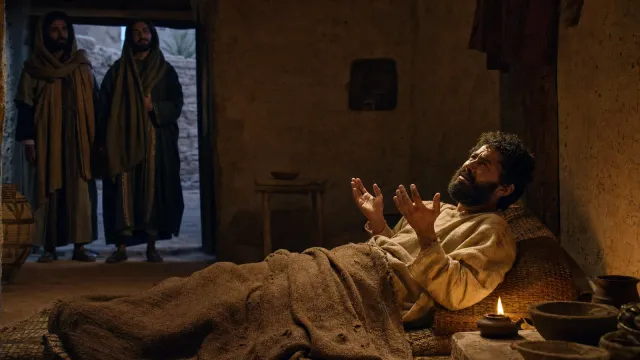
The Body That Cannot Carry the Burden
Psalm 38 carries more weight than the speaker's body can hold. The Book of Psalms joins acknowledged sin, divine displeasure, physical suffering, social distance, and hostile plotting without pretending they are all the same problem. Arrows stick, a hand presses, wounds trouble, strength fails, and iniquity rises like a burden above the head. Friends and relatives stand far off while enemies use the exposure to lay snares and speak deceit. The speaker becomes like a deaf and speechless man before them, but he never becomes speechless before God. That difference matters. He can confess his sin without agreeing that his enemies are therefore right to hate or exploit him. The ending leaves the imbalance visible: hostile people are lively and strong while he is weak. No recovery scene follows. The psalm closes with proximity and speed as the need, "be not far from me" and "make haste to help me."
One complete chapter pageOpen chapter →
The Guarded Tongue That Finally Speaks
Psalm 39 begins with disciplined silence and discovers that silence can burn. The Book of Psalms places a bridle on the speaker's mouth while the wicked are present, but restraint expands until even good speech is withheld and sorrow heats the heart. When the words finally break through, they are directed to God and ask for the measure of a life. A handbreadth, a vain show, gathered riches with an unknown heir, and beauty consumed like a moth all expose how little permanence human beings can manufacture. Yet the psalm does not stop at reflection on mortality. The speaker confesses transgressions, acknowledges God's correcting hand, and still asks that the stroke be removed. Submission and protest remain close together. Finally, tears become part of the prayer. Calling himself a stranger and sojourner with God, the speaker asks for enough respite to recover strength before he goes away.
One complete chapter pageOpen chapter →
A New Song and a New Cry for Help
Psalm 40 refuses to let past deliverance cancel present need. The Book of Psalms begins with patient waiting answered by rescue from miry clay, firm footing on a rock, established steps, and a new song that directs others toward trust in the Lord. The middle of the psalm turns from sacrifice to willing obedience: opened ears, delight in God's will, and law within the heart. That inward reception becomes public declaration in the great congregation, where righteousness, faithfulness, salvation, lovingkindness, and truth are not concealed. Then the speaker is suddenly surrounded again, this time by innumerable evils and his own iniquities. The same divine qualities he proclaimed must now preserve him personally. The closing prayer sounds like a return to the beginning, but with urgency rather than recollection. The rescued person is poor and needy again. Remembered help becomes the reason to ask for help once more.
One complete chapter pageOpen chapter →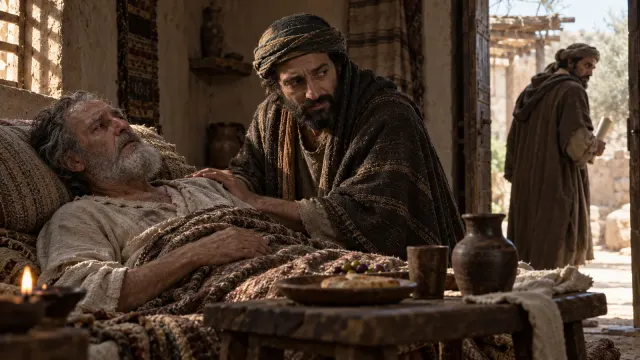
The Sickbed and the Unfaithful Visitor
Psalm 41 begins by blessing the person who considers the weak, then turns and places its own speaker on the weak side of that relationship. The Book of Psalms moves from promised care in trouble and sickness to a first-person plea for mercy, healing, and forgiveness. Illness becomes socially dangerous because some visitors do not come to help. They gather information, carry it outside, whisper together, and turn the sickbed into material for hostile expectation. The deepest breach comes from a familiar friend who shared bread and then lifted his heel. The closing prayer asks to be raised and vindicated, yet integrity appears beside, not instead of, confessed sin and needed mercy. Finally the scale widens from the threatened individual to "the LORD God of Israel" from everlasting to everlasting. The enemies hoped for the speaker's name to disappear; the psalm ends by giving the final word to God's enduring name.
One complete chapter pageOpen chapter →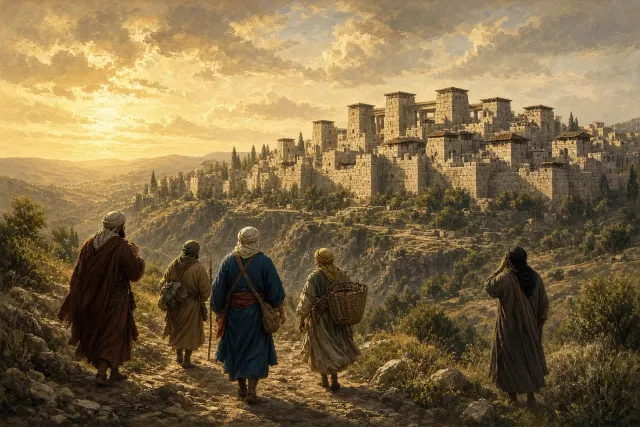
Thirst, Deep Water, and a Repeated Hope
Psalm 42 begins with thirst and then makes the image strange by surrounding the thirsty person with too much water. The soul longs for “the living God,” remembers joyful worship, eats tears instead of food, and hears the taunt “Where is thy God?” The remembered procession hurts because it preserves exactly what is absent. Then “deep calleth unto deep,” and the missing brook becomes waves and billows going over the speaker. Yet God is still named as rock, lovingkindness, and “the God of my life.” The refrain does not announce recovery. It addresses a soul that remains cast down and tells it again to hope. Psalm 42 therefore keeps longing, complaint, memory, and expected praise in the same prayer without pretending that one has already canceled the others.
One complete chapter pageOpen chapter →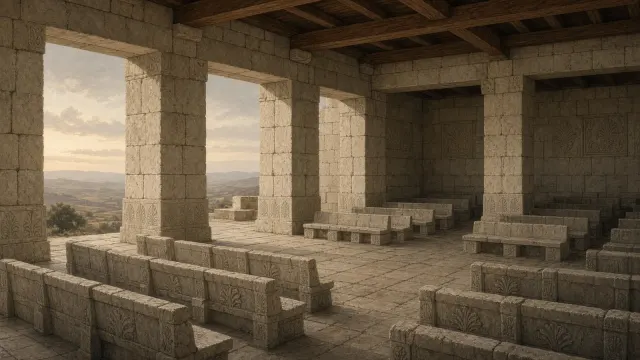
Light and Truth for the Return
Psalm 43 continues the pressure of Psalm 42 but gives the desired movement a clearer destination. The speaker asks God to judge his cause against deceit and injustice while still calling the God who seems to have cast him off “the God of my strength.” Light and truth are then asked to become guides, leading not merely toward a better mood but toward the holy hill, the tabernacles, the altar, and finally “God my exceeding joy.” Music waits at that destination, but the psalm never narrates the arrival. Instead, the familiar question returns: “Why art thou cast down, O my soul?” The repeated hope is therefore prospective. The way has been requested, the destination named, and praise anticipated, while the actual movement from oppression to worship remains entrusted to God.
One complete chapter pageOpen chapter →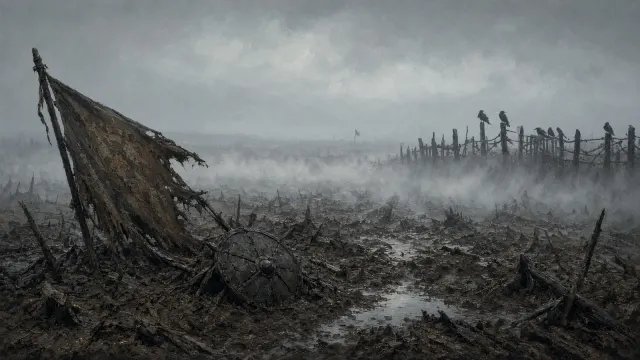
Faithfulness Without the Expected Victory
Psalm 44 sets inherited memory against present experience and refuses to make the contradiction easy. The community has heard how God planted the fathers in the land, and it explicitly denies that the earlier victories came by sword or human arm. That confession makes the present defeat harder, not easier, because the same God is addressed as the one who has now cast the people off, scattered them, and made them a byword. The speakers then reject the explanation that they simply abandoned the covenant, placing that claim before the God who knows the secrets of the heart. Their suffering is even described as occurring “for thy sake.” The ending asks God to awake, arise, and redeem “for thy mercies’ sake.” No answer follows. The psalm preserves faithful allegiance and devastating defeat in one unresolved appeal.
One complete chapter pageOpen chapter →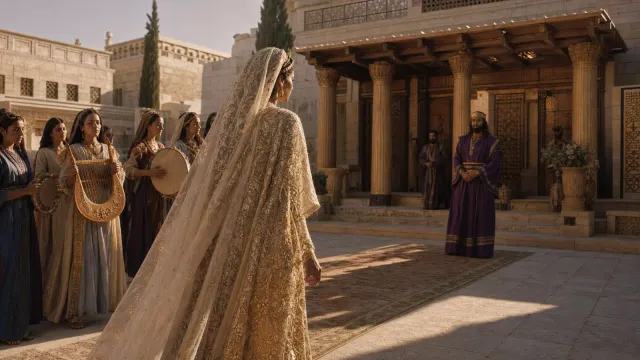
The Royal Wedding and the Righteous Scepter
Psalm 45 delights in royal splendor, but it refuses to let splendor define the king. Beauty, gracious speech, sword, majesty, perfume, gold, and procession all appear, yet the royal ride is tied to “truth and meekness and righteousness,” and the scepter is called right because the king loves righteousness and hates wickedness. The extraordinary words “Thy throne, O God” stand within this wedding poem and are later quoted in Hebrews concerning the Son, giving Christian reading a direct textual connection while leaving the immediate royal celebration visible. The bride is addressed as one entering a new household, surrounded by gifts, embroidery, companions, and public honor. The conclusion then looks beyond the wedding day to children, princes, remembrance, and praise across generations. The ceremony becomes a horizon for continuing rule rather than a spectacle that ends with the procession.
One complete chapter pageOpen chapter →
The City Held While the World Shakes
Psalm 46 removes almost every ordinary ground of stability and then asks what remains. Earth moves, mountains fall into the sea, waters roar, kingdoms rage, and the earth melts at the voice of God. Against that shaking landscape stands a different water, a river whose streams make glad the city of God. The city is not steady because stone is stronger than the sea; “God is in the midst of her.” The final scene turns from refuge to disarmament as bows are broken, spears cut apart, and chariots burned. “Be still” therefore arrives as a command inside a world of warfare, not merely as advice for private quiet. The repeated refrain supplies the psalm’s answer to upheaval: “The LORD of hosts is with us; the God of Jacob is our refuge.” Presence, rather than an untroubled world, is the ground of confidence.
One complete chapter pageOpen chapter →
The King Beyond Every Border
Psalm 47 sounds like a public coronation stretched to the borders of the earth. Hands clap, voices shout, a trumpet sounds, and the command to sing praises is repeated until the poem itself feels like an assembly being drawn into a refrain. Israel’s inheritance appears inside this larger kingship, chosen by the Lord rather than treated as an achievement independent of him. The nations may be subdued, yet they are also the audience summoned to acclaim the King “over all the earth.” The final scene places God on the throne of holiness and gathers princes in relation to “the God of Abraham.” Even the “shields of the earth,” the powers by which peoples imagine themselves protected, are said to belong to him. The psalm therefore holds particular covenant belonging and universal sovereignty together without allowing either to erase the other.
One complete chapter pageOpen chapter →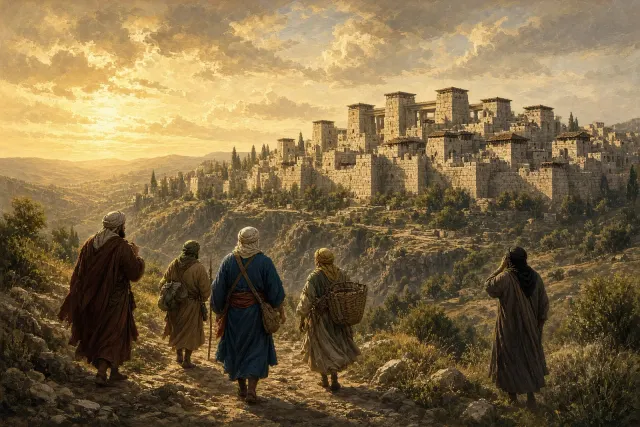
The City That Gives the Next Generation Something to See
Psalm 48 praises Zion by first praising the Lord who makes Zion meaningful. The city is beautiful because it is “the city of the great King,” and God is known in its palaces as refuge. When hostile kings gather, their alliance dissolves almost as soon as they see the city; marvel becomes fear, pain, and retreat. The worshippers then make a crucial move from inherited report to personal witness: “As we have heard, so have we seen.” That experience is not allowed to remain private. They are told to walk around Zion, count its towers, mark its defenses, and consider its palaces so the next generation can be told. Stone becomes a visible aid to memory, not an object of confidence in itself. The final declaration points beyond the walls to the God who will guide his people “even unto death.”
One complete chapter pageOpen chapter →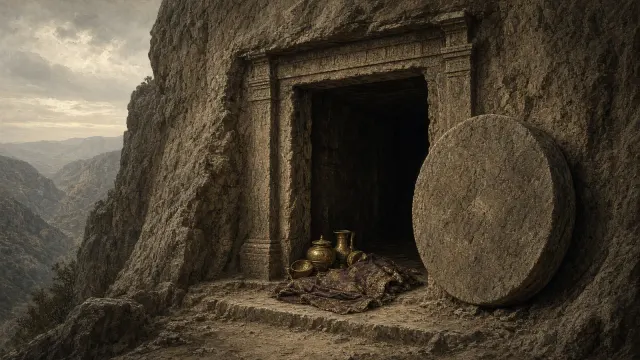
The Ransom Wealth Cannot Pay
Psalm 49 gathers rich and poor, low and high, under one limit that money cannot negotiate. The teacher inclines his own ear before opening his “dark saying” with the harp, and the question soon becomes brutally practical: what can wealth actually purchase when death arrives? It cannot redeem a brother or pay God enough for permanent life. Wise and foolish alike die, houses remain behind, and land may carry a person’s name long after the named person is gone. The psalm’s darkest image makes death a shepherd leading the powerful like sheep into the grave. Then “But God” changes the direction: the speaker expects God to redeem and receive him. The closing refrain adds one decisive word to the earlier comparison with beasts: the person in honor who “understandeth not” still perishes. Status is visible; understanding judges what status can actually secure.
One complete chapter pageOpen chapter →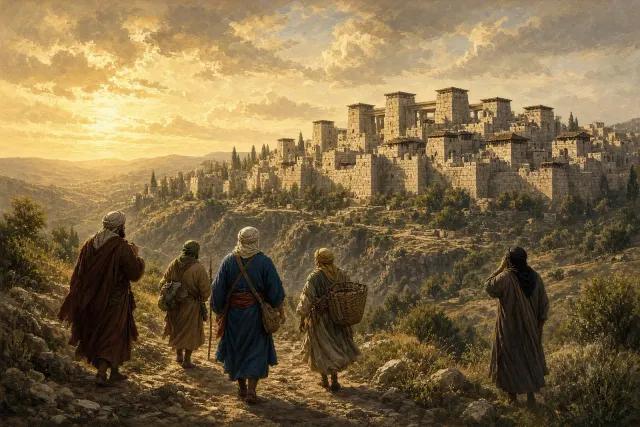
The God Whom Offerings Cannot Supply
Psalm 50 stages a courtroom in which the surprising defendants are God’s own covenant people. Fire and storm announce the judge, heaven and earth frame the hearing, and sacrifice itself identifies those being called to account. Yet the first charge is not that sacrifices are missing. The animals already belong to God, along with the whole world, so offerings cannot be treated as provisions for a hungry deity. Thanksgiving, fulfilled vows, and dependent prayer restore the proper direction of the relationship. The second charge turns to speech: people recite statutes and carry covenant language in their mouths while rejecting instruction, joining theft and adultery, and using the same tongue for deceit and slander. God’s silence has been mistaken for approval. The close brings worship and conduct together. Praise glorifies God, but a rightly ordered life matters because sacred vocabulary cannot hide a person from the judge who hears it.
One complete chapter pageOpen chapter →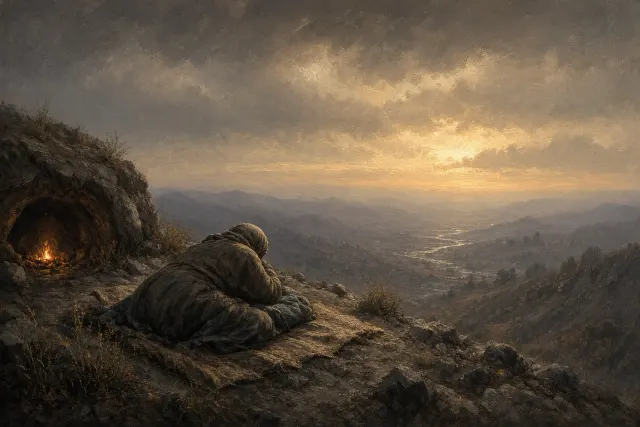
A Clean Heart, Not a Cleaner Reputation
Psalm 51 is confession without bargaining. David asks for mercy according to God’s lovingkindness and piles up images of removal: blotting, washing, cleansing. The prayer does not stop with the exposed deeds but moves inward, tracing the problem back toward the speaker’s beginnings and asking for truth in the hidden parts. “Create in me a clean heart” is therefore larger than a promise to behave better. Presence itself belongs to restoration, as God is asked to hide his face from the sins without casting the sinner away. Renewed speech follows only after that inward work: teaching, singing, and praise all depend upon lips God opens. Sacrifice cannot replace a broken and contrite heart, though sacrifices return at the end after restoration has been sought. The closing prayer for Zion widens the frame from one guilty man to the welfare and worship of the community affected by royal life.
One complete chapter pageOpen chapter →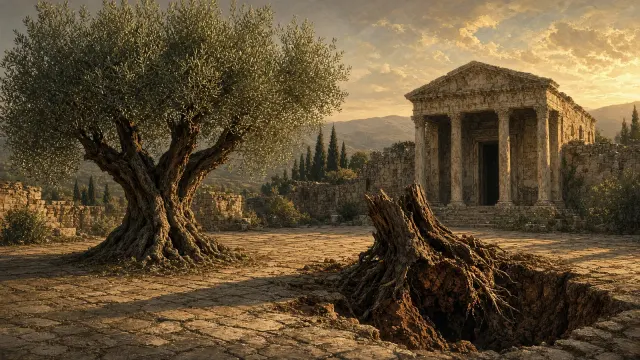
The Uprooted Boaster and the Green Olive Tree
Psalm 52 opens by asking why a mighty man boasts in mischief when “the goodness of God endureth continually.” That contrast determines the scale of everything that follows. The destructive tongue is a sharp razor, but the deeper accusation is what it loves: evil, lying, and “devouring words.” The heading’s connection with Doeg and the slaughter at Nob gives that appetite a grim historical weight, because speech can prepare violence before a sword is drawn. Judgment then removes the boaster from the very forms of security he trusted, plucking and rooting him out while the righteous recognize the absurdity of making riches and wickedness into strength. The speaker closes with a deliberately opposite picture, a green olive tree in the house of God. One life is uprooted by the judgment of the God it ignored; the other is established by trusting the mercy of that same God.
One complete chapter pageOpen chapter →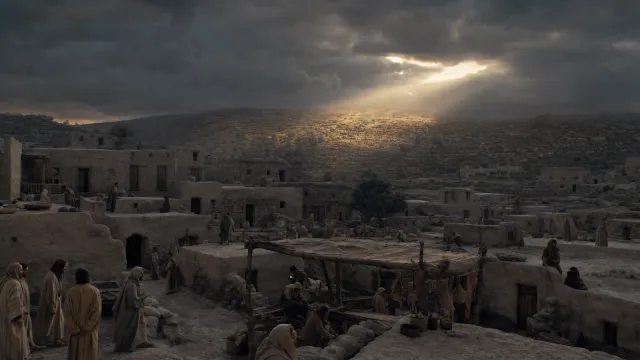
The Old Denial Meets a New Terror
Psalm 53 repeats much of Psalm 14, but the repetition is not empty duplication. The fool’s inward denial that God matters appears in corrupt conduct, while God looks down from heaven and finds a humanity that has turned aside. The accusation is moral rather than intellectual; the problem is living as though divine judgment can be excluded from the account. The second half sharpens the fate of those who “eat up” God’s people as casually as bread. Their apparent security gives way to terror, scattered bones, and shame before the God they did not call upon. Yet judgment is not the final desire voiced by the psalm. It ends by longing for salvation out of Zion and for Jacob and Israel to rejoice when God reverses the people’s condition. Predatory power is exposed, but restoration supplies the final horizon.
One complete chapter pageOpen chapter →
The Name That Answers the Threat
Psalm 54 is brief enough to feel almost like a single turn of the head. It begins with attackers who seek the speaker’s life and have “not set God before them,” then pivots on “Behold, God is mine helper.” The appeal to God’s name is not a formula detached from character; it invokes the authority and strength of the one whose hearing the oppressors have ignored. The prayer asks for vindication and severe judgment without turning that judgment into a private act the speaker plans to carry out. From there the psalm moves toward free sacrifice and praise of the name already invoked as good. The language of deliverance can sound completed even though the poem does not explain the timing. What matters is the changed center of attention: the threat remains real, but the final account of safety belongs to the helper rather than to the speaker’s ability to outmaneuver his enemies.
One complete chapter pageOpen chapter →
When the Familiar Voice Carries a Sword
Psalm 55 begins with noise and ends with a decision about trust. An enemy’s voice, oppression, fear, trembling, and horror make the speaker wish for wings so he could leave the city entirely. The city itself has become unsafe, with violence on its walls, wickedness in its center, and deceit in its streets. Then the wound receives a familiar face. The deepest betrayal comes from an equal, guide, and acquaintance who once shared counsel and walked with him to the house of God. Smooth words conceal war; speech softer than oil becomes a drawn sword. Against that treachery, the speaker fills evening, morning, and noon with another voice, calling upon God. The promise to cast the burden on the Lord does not erase trembling. It relocates the weight. The psalm closes by placing trust in God precisely where confidence in a companion has failed.
One complete chapter pageOpen chapter →
The Tears Are Not Lost in the Counting
Psalm 56 refuses the idea that trust begins only after fear has disappeared. “What time I am afraid, I will trust in thee” allows both realities to inhabit one prayer. Enemies press daily, twist words, watch steps, and wait for an opening to harm the speaker. Their close surveillance is answered by a different kind of attention: God counts the wanderings and keeps the tears as though they were entered in a book. The imagery makes sorrow memorable rather than disposable. The repeated praise of God’s word then returns after the danger has been described, giving the confession of trust more weight because it has passed through the details of the threat. Vows and thanksgiving follow deliverance, not as payment for rescue but as the continuing speech of a preserved life. The psalm ends with feet kept from falling so that life may be lived “before God in the light of the living.”
One complete chapter pageOpen chapter →
Under the Wings, Above the Heavens
Psalm 57 places a frightened person under wings without pretending that the lions have disappeared. The speaker asks for mercy and refuge “until these calamities be overpast,” while enemies around him still possess teeth like spears and tongues like swords. Divine height is not distance from need: the God “most high” is expected to send mercy and truth from heaven into the danger. A prepared net and pit then recoil upon those who made them, while the speaker’s bowed soul gives way to a heart described twice as fixed. Instruments are called awake, and praise becomes as deliberate as the enemy’s trap had been. The song then grows beyond the immediate refuge, reaching toward peoples and nations while mercy and truth are pictured reaching to the heavens. The repeated appeal for God’s glory frames the whole psalm, joining intimate shelter beneath the wings with exaltation above the earth.
One complete chapter pageOpen chapter →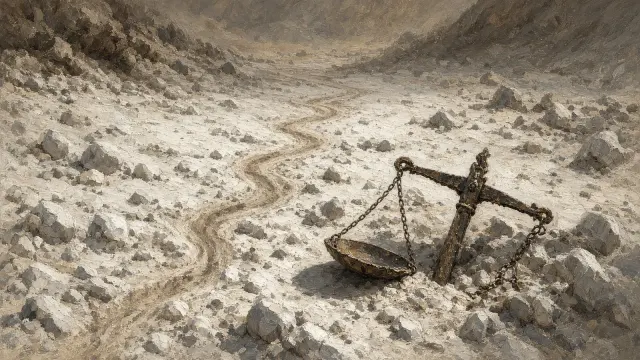
When Judgment Itself Needs Judging
Psalm 58 attacks corrupted judgment by using the language of judgment against those responsible for it. The opening address is difficult to translate precisely, but the charge is clear: hearts work wickedness and hands weigh out violence where righteousness should have been measured. Poisoned serpent imagery then portrays deliberate refusal to hear. The petitions that follow are among the Psalter’s fiercest. Teeth are to be broken, weapons rendered ineffective, power made to melt away, and apparent durability swept aside before it matures. Even the difficult images keep pressing one point: destructive strength must lose its capacity to continue. The closing battlefield language is equally severe, yet its conclusion is not that private vengeance has become the highest good. The final recognition is that “there is a God that judgeth in the earth.” Human verdicts can be corrupted, but they do not exhaust the moral jurisdiction under which the world stands.
One complete chapter pageOpen chapter →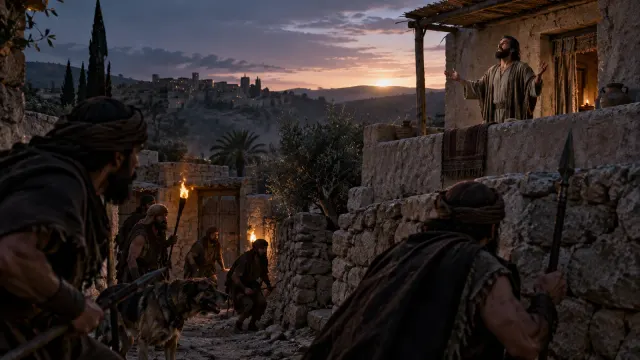
The Evening Dogs and the Morning Song
Psalm 59 gives the enemy a nightly rhythm. Violent men gather, prowl the city like dogs, and use mouths that carry swords while assuming no one of consequence hears them. The speaker rejects the idea that their attack is punishment for his fault in this conflict and repeatedly asks God to awake, behold, deliver, and defend. God’s laughter answers the boast “who doth hear?” by exposing how badly the attackers have misjudged the audience. The petitions for judgment are not perfectly smooth: one asks that the enemies be scattered rather than immediately slain so the people will remember, while another asks that they be consumed. Both seek a public end to destructive power. The final contrast is musical and temporal. The dogs return at evening, but the speaker intends to sing of divine power and mercy in the morning. The night does not receive the last sound.
One complete chapter pageOpen chapter →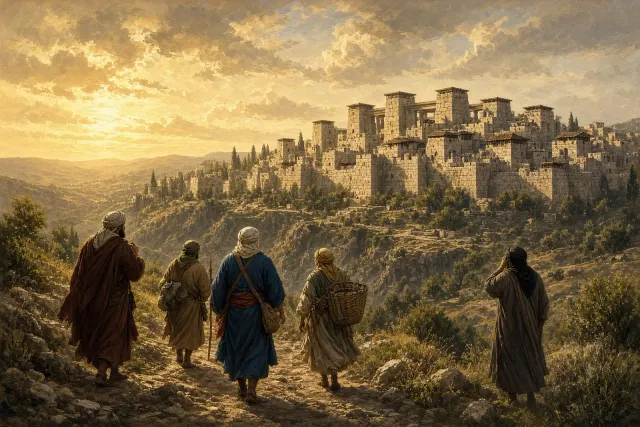
The Promise Is Spoken Across a Shaken Land
Psalm 60 interprets national defeat with unsettling directness. God is addressed as the one who cast the people off, scattered them, broke the land, and made them drink “the wine of astonishment.” The prayer therefore asks the same God who caused or permitted the rupture to heal its breaches. A banner appears inside the shaking landscape as a sign that belonging has not vanished, and then divine speech names territories and neighboring peoples beneath God’s authority. Yet that declaration does not erase the battlefield problem. The speaker still asks who will lead into the strong city and pointedly turns back to the God who “didst not go out with our armies.” Human help is called vain, but human action is not discarded; the people expect to “do valiantly” through God. Promise and unresolved need remain side by side until the end.
One complete chapter pageOpen chapter →
A Refuge Higher Than the Overwhelmed Heart
Psalm 61 begins at the edge, geographically and emotionally. From “the end of the earth” and with an overwhelmed heart, the speaker asks to be led to a rock that is “higher than I.” The height is both safety and confession, because a refuge above the speaker’s own reach cannot be gained by self-sufficiency. Memory supports the request: God has already been shelter and strong tower. The images then soften without losing strength, moving from rock and fortification to tabernacle and wings. Refuge becomes belonging as well as defense. The second half widens toward the king, whose preservation is placed under mercy and truth rather than under military strength alone. Finally, the grand promise of praise “for ever” is brought down into ordinary time through vows performed “daily.” Enduring faithfulness is pictured not as abstraction but as a succession of actual days.
One complete chapter pageOpen chapter →
The Weight That Human Power Cannot Carry
Psalm 62 keeps returning to one word of exclusivity: “only.” Salvation, defense, expectation, glory, strength, and refuge are repeatedly located in God while human power is exposed as both deceptive and light. Enemies bless with the mouth while cursing inwardly, and their unstable arrangements are set against the image of rock. The speaker first states his waiting, then commands his own soul to continue it, turning repetition into deliberate maintenance of direction. Yet this stillness does not exclude speech, because the gathered people are invited to “pour out your heart before him.” The final section places both low and high degree in the balances and finds no rank heavy enough to become an ultimate foundation. Oppression, robbery, and even honestly increasing riches fail the same test. The last words join power, mercy, and recompense in God, giving judgment a weight no human title or fortune can carry.
One complete chapter pageOpen chapter →
Thirst That Turns Into a Feast
Psalm 63 turns a dry landscape into the language of a whole person longing for God. The speaker remembers power and glory seen in the sanctuary, yet the memory does not make absence painless. It sharpens desire. Hunger then becomes the image of abundance as the night watches fill with remembrance, praise, and the confidence of being upheld even while the soul still reaches forward. The closing verses reveal why refuge matters so urgently: enemies seek the same life that has been thirsting, satisfied, and following after God. Their future is set against the king's rejoicing and against mouths devoted to truth. The psalm begins with lips praising in deprivation and ends with lying mouths stopped, making speech itself part of the final contrast.
One complete chapter pageOpen chapter →
The Hidden Arrow Does Not Remain Hidden
Psalm 64 begins with a threat designed to remain unseen. Enemies sharpen speech like a sword, fit bitter words to arrows, and strengthen one another with the confidence that no one can see the trap. Their organization is real, and the psalm does not confuse evil with carelessness or lack of intelligence. The reversal comes with the compact interruption, "But God." The attackers' sudden strike is answered by a sudden wound, and their own tongue becomes part of their fall. What began in private council ends before an audience. Observers move from seeing to fearing, declaring, and considering God's work, while the righteous respond with gladness and trust. The conspiracy's deepest mistake is not poor planning. It is the assumption that secrecy can place its work beyond the sight of the God being addressed.
One complete chapter pageOpen chapter →
The God of the Sanctuary Waters the Furrows
Psalm 65 begins in Zion with praise, vows, prayer, forgiveness, and the gift of nearness to God's courts. It then widens rapidly. Mountains stand by divine strength, seas are stilled, peoples' tumult is restrained, and the farthest inhabitants live beneath signs of the same authority. After reaching the edges of the earth and the edges of the day, the psalm bends down over ridges, furrows, showers, and grain. That change of scale is the point rather than a change of subject. The God whose power is not confined to the sanctuary is also attentive to the ordinary processes by which fields become fruitful. By the end, pastures wear flocks and valleys wear grain. The praise that waited in Zion has spread into the landscape until the cultivated earth itself seems to sing.
One complete chapter pageOpen chapter →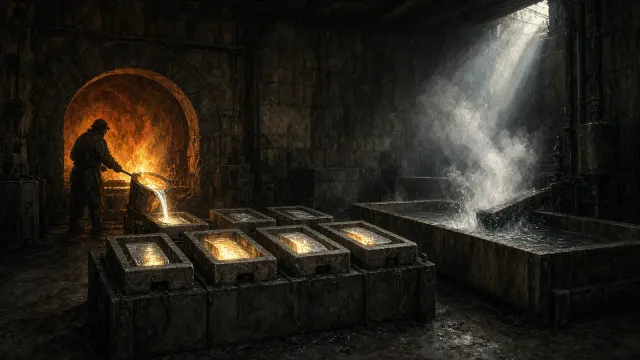
Come and See, Then Come and Hear
Psalm 66 moves through three circles of testimony. First, all lands are called to look at God's works, especially the remembered passage through water on dry ground. Then the community speaks of being preserved through a testing that included nets, burdens, humiliation, fire, and water. Survival did not mean an untouched road. Finally, one worshipper steps forward with vows made in trouble, costly offerings, and a personal invitation to hear what God has done for his soul. The progression from public deliverance to communal trial to individual prayer keeps any one scale from exhausting the praise. The final emphasis is especially careful. The worshipper examines the heart and insists that God has heard, yet the conclusion credits mercy rather than leverage. Offerings are paid, testimony is given, and the lasting explanation is that God did not turn away either the prayer or his mercy.
One complete chapter pageOpen chapter →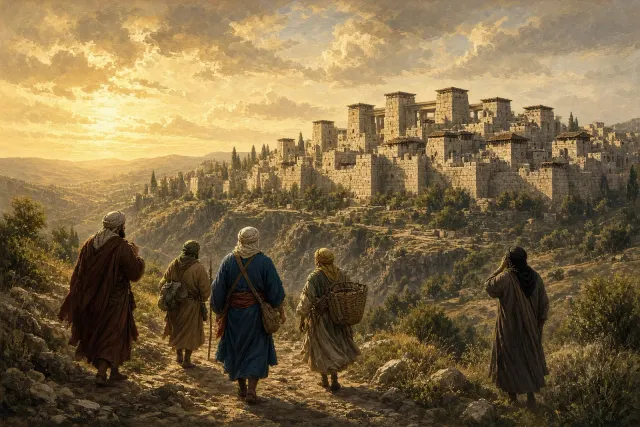
A Blessing with the Nations in View
Psalm 67 asks for mercy, blessing, and the light of God's face, then immediately tells why: so that God's way and saving power may be known among the nations. The community's good is not imagined as a private enclosure. Its blessing is meant to become visible beyond itself. The repeated call for all peoples to praise surrounds the hope of righteous government, shared gladness, and the earth's increase. Harvest therefore does not interrupt the concern for the nations. It belongs inside it. Even the intimate phrase "our own God" does not shrink the horizon, because the final line reaches again to the ends of the earth. From beginning to end, particular relationship and worldwide recognition stand together. The psalm asks for gifts that remain truly good for the community while also pointing beyond the community that receives them.
One complete chapter pageOpen chapter →
The Victorious King Makes Room for the Vulnerable
Psalm 68 is crowded with movement: enemies scatter, God marches through the wilderness, rain falls, kings flee, a victorious ruler ascends, a procession enters the sanctuary, foreign powers bring tribute, and earth's kingdoms are called to sing. Yet its most revealing details concern the people divine strength makes room for. The heavenly rider is immediately named as father of the fatherless, defender of widows, giver of families to the solitary, and liberator of prisoners. The march that shakes Sinai also refreshes a weary inheritance and prepares goodness for the poor. Difficult images remain difficult, especially the dove, snow in Salmon, and some lines of judgment, but the psalm's larger architecture is clear. Strength belongs to God, past victory does not make the people independent, and the power they are told to ascribe to him is finally the power he gives back to them.
One complete chapter pageOpen chapter →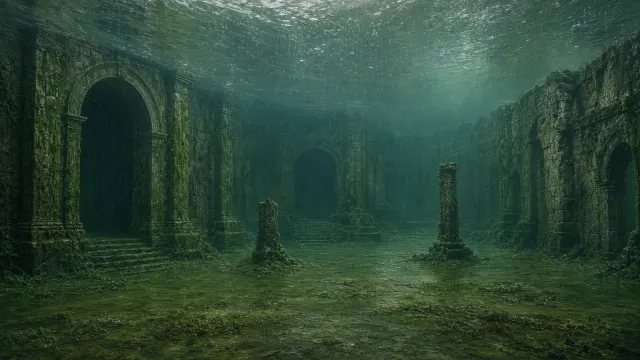
The Drowning Voice Becomes a Song for Zion
Psalm 69 begins with too much water and not enough breath. The speaker sinks in mire, cries until his throat is dry, and faces hatred he says has no just cause. Yet he also confesses his own foolishness and sin, refusing to turn protest into a claim of complete innocence. Reproach spreads through family and public life, human comfort fails, and even food and drink become bitter. The petitions for judgment are severe, especially when the enemies' table is asked to become a snare, but the psalm does not end there. The poor and sorrowful speaker anticipates a song that will encourage other humble people because God hears the poor and does not despise prisoners. Creation is summoned to praise, Zion is rebuilt, and descendants receive a place to dwell. A prayer that opened without a foothold closes with an inheritance and a home.
One complete chapter pageOpen chapter →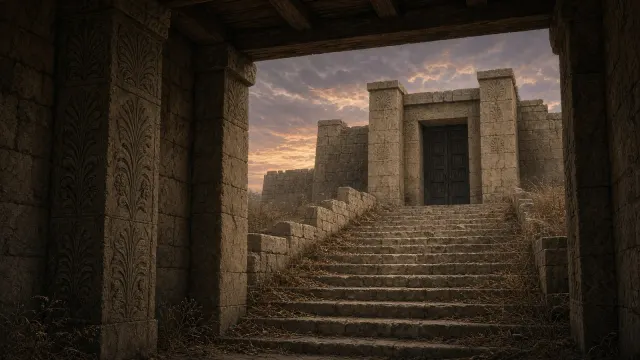
The Prayer Leaves the Urgency in Place
Psalm 70 has almost no spare motion. It begins by asking God to hurry and ends by asking him not to delay. Between those appeals, two kinds of seekers are placed side by side. One group seeks the speaker's life and enjoys his distress with an audible "Aha." The other seeks God, loves his salvation, and is asked to rejoice and say continually that God is magnified. The contrast reaches speech as well as intention. Gloating over another person's collapse stands opposite praise directed toward God. The speaker can ask gladness for others without disguising his own poverty and need. He can also call God helper and deliverer without pretending that help has already arrived. The psalm's confidence is therefore not calm distance from danger. It is the urgent persistence of a needy person who knows where the appeal must go.
One complete chapter pageOpen chapter →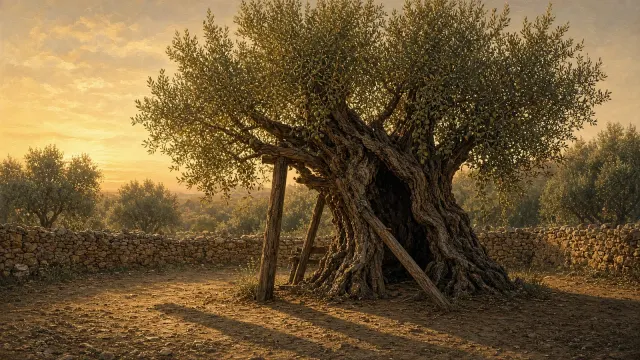
The Voice Is Older, but the Witness Is Unfinished
Psalm 71 lets an older voice speak without treating age as either embarrassment or ornament. The speaker remembers dependence reaching back beyond youth to birth itself and asks that the refuge known across a lifetime remain available when bodily strength fails. Enemies interpret weakness as evidence that God has abandoned him, but the prayer refuses their conclusion and asks for help that would contradict it in practice. Continuing life is then given a purpose larger than self-preservation: the speaker wants to show God's strength to a generation still coming after him. The distinction is deliberate. His own strength is failing, while the strength he wants to declare has not become smaller. The ending gathers instruments, lips, soul, and tongue into anticipated praise. Great troubles remain part of the remembered life, but they do not receive its final sound.
One complete chapter pageOpen chapter →
A King's Greatness Is Measured Beside the Needy
Psalm 72 prays for a king whose authority receives its shape from God's judgments and righteousness. The first measure of that rule is not military display or accumulated wealth but what happens to poor people, needy children, and those facing an oppressor. The same standard continues when the reign expands from sea to sea and distant kings bring gifts. The reason given for such honor is startlingly small in scale: a needy person cries with no helper, and the king delivers him. Rain, grain, flourishing cities, enduring name, and international blessing all grow around that concern for life. The poem stretches beyond the easy boundaries of one ordinary reign, which is why its language later feeds messianic expectation. Yet the close prevents royal greatness from becoming self-contained. The final blessing belongs to the Lord God of Israel, whose glory, not the king's, is asked to fill the whole earth.
One complete chapter pageOpen chapter →
The Portion Envy Could Not Count
Psalm 73 begins with its conclusion and then admits how nearly the speaker lost it. God's goodness is stated first, but envy of prosperous wicked people almost takes his footing. Their ease seems to function like a moral verdict, while his own clean heart appears to have earned only repeated trouble. He restrains himself from teaching that despair as settled truth, yet the problem remains painful until the sanctuary changes the horizon. The crucial discovery is not that the wicked were never prosperous. It is that prosperity cannot reveal the ground beneath a life or determine its end. The slippery place changes owners, and the speaker also judges his own bitterness. Then comes the word "Nevertheless": even while his understanding failed, he had been held. God himself becomes the portion that envy could not count, and goodness is finally named as nearness rather than matching someone else's possessions.
One complete chapter pageOpen chapter →
The Sanctuary Is Ruined, and the Prayer Stays Open
Psalm 74 refuses to make a ruined sanctuary sound less ruined. Enemy standards occupy the place of worship, axes and hammers destroy carved work, fire brings the dwelling of God's name to the ground, and the community has no prophetic timetable explaining how long the devastation will last. Yet every complaint is built on belonging. The people are still called God's congregation, inheritance, redeemed possession, and vulnerable turtledove. Zion is still the place where he has dwelt. Memory then widens beyond the ruins to sea, rivers, day, night, sun, seasons, and the established borders of the earth. The sanctuary has been devastated, but it is not the edge of God's kingdom. That remembered rule becomes the ground of a covenant appeal. The psalm ends without announcing relief. Enemy tumult is still rising, and faithfulness takes the form of keeping the case open before God.
One complete chapter pageOpen chapter →
The Raised Horn Does Not Appoint the Judge
Psalm 75 begins with repeated thanks for a nearness known through deeds, then hears judgment spoken into a world that feels unstable. The earth and its inhabitants may seem to dissolve, yet the judge is also the one who bears up its pillars. That image makes the warning to arrogant power especially pointed. A raised horn and stiff neck can advertise strength, but visible self-exaltation does not decide who stands. Promotion is removed from the horizon of human calculation and placed under God's judgment, which puts down one and sets up another. The cup in the Lord's hand makes that judgment unavoidable rather than accidental, while the singer answers with declaration and praise. The final return to horns completes the reversal. The wicked lose the power they raised for themselves, and the righteous are lifted by an agency beyond themselves.
One complete chapter pageOpen chapter →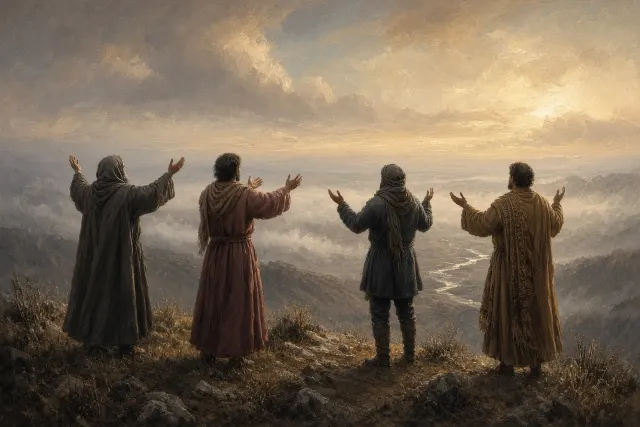
The Battlefield Falls Silent Before the Judge
Psalm 76 locates God's known name in Judah and his dwelling in Zion, then makes that same place the location where weapons are broken. Bow, shield, sword, and finally "the battle" itself collapse together. The next scene makes military strength look strangely useless: stouthearted warriors sleep, chariots and horses are still, and mighty men cannot "find their hands." Their capacity to act has been removed. Yet the psalm supplies a purpose for this terrifying judgment. God rises to save the meek of the earth. The violence of the strong is stopped for the sake of those most exposed to it. Human wrath therefore cannot govern the final outcome. It is either turned toward God's praise or restrained beneath his control. By the close, princes and kings are included in the horizon of fear, and political titles offer no exemption from the Judge who silences the battlefield.
One complete chapter pageOpen chapter →
A Path Through Water Leaves No Footprints
Psalm 77 spends a sleepless night refusing cheap comfort. The speaker cries to God, remembers God, and is initially more troubled by the memory, not less. Former songs only deepen the contrast with a present in which the soul refuses consolation and questions whether favor, mercy, promise, and grace have disappeared for good. The turning point is not a reported change in circumstances. It is a deliberate change in the evidence being considered. The speaker moves from circling his own condition to meditating on God's works and Israel's redemption. The remembered exodus then erupts in storm imagery: waters fear, clouds pour, thunder speaks, lightning fills the world, and the earth shakes. Yet the final image is quiet guidance. God's path crossed the sea without leaving recognizable footprints, and the people were led like a flock through Moses and Aaron.
One complete chapter pageOpen chapter →
A Remembered Rescue and a Repeatedly Forgotten Covenant
Psalm 78 turns remembered history into instruction about the heart. The coming generations are to inherit more than flattering memories, because Israel's past includes repeated failure alongside repeated provision. An armed Ephraim can turn back, a people that saw the sea divided can ask whether God can set a table, and mouths can return to correct religious language while hearts remain unstable. The psalm repeatedly places God's remembering against the people's forgetting. He remembers that they are flesh, restrains anger, and continues to act even while the poem exposes their unreliable response. The history doubles back to Egypt because forgotten wonders need to be set out again. It then moves through settlement, idolatry, Shiloh's loss, and the choice of Zion. David's shepherding closes the long account with two qualities that answer its recurring failures: integrity of heart and skill of hands. Memory matters here because it is meant to shape future faithfulness.
One complete chapter pageOpen chapter →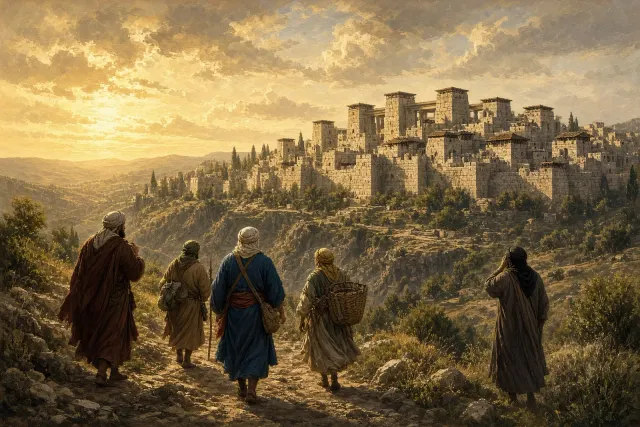
The Ruined City Still Speaks of God’s Inheritance
Psalm 79 begins with Jerusalem reduced to a public humiliation, but its first instinct is to speak of ownership: the ruined city, defiled temple, dead servants, and saints all belong to God. That language makes the devastation a crisis within a relationship, not merely a military loss. The community confesses former iniquities and asks that sins be purged, so its appeal never depends on pretending innocence. At the same time, confession does not excuse those who have poured out blood and mocked the question, “Where is their God?” The prayer narrows from a ruined city to the sigh of a prisoner and people marked for death, then ends by calling the survivors God’s people and the sheep of his pasture, still promising praise beyond the attempted silencing.
One complete chapter pageOpen chapter →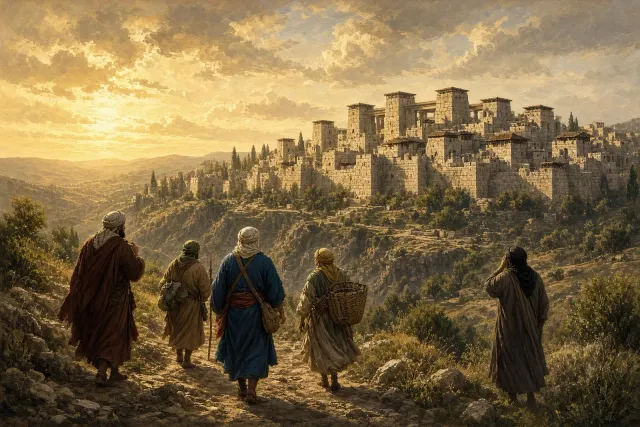
The Shepherd’s Vine Is Left Without a Hedge
Psalm 80 keeps asking for one thing in a refrain that grows heavier each time: “Turn us again” and make God’s face shine. Israel is first a flock under a Shepherd, then a vine brought out of Egypt, planted, rooted, and spread from sea to river. The pain of the poem lies in the fact that the same gardener who established the vine is asked why its hedge has been torn down. Passersby pluck it and wild creatures consume it. Restoration therefore requires more than defeating enemies. It requires the gardener’s own return to the planting he made. The final appeal introduces the man at God’s right hand, asks for renewed life, and reaches the fullest form of the refrain, joining Shepherd, gardener, strength, and shining face in one request for rescue.
One complete chapter pageOpen chapter →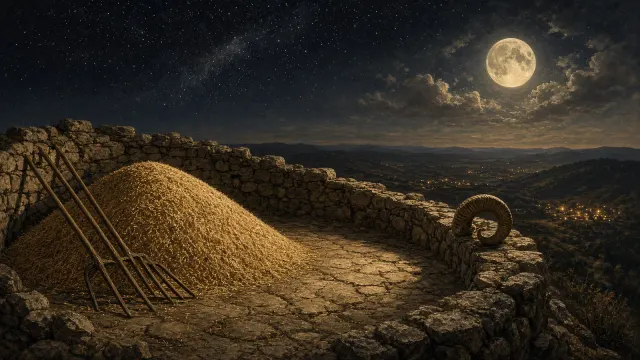
A Festival Song Becomes an Appeal to Listen
Psalm 81 begins loud enough to sound purely celebratory: singing, timbrel, harp, psaltery, trumpet, and an appointed feast. Then the God being praised begins to speak, and the festival becomes an examination of whether Israel is listening. The exodus is remembered in bodily terms, with burdens removed from shoulders and hands freed from labor. The same rescuer asks for exclusive allegiance and offers a startling invitation: “open thy mouth wide, and I will fill it.” The tragedy is that open mouths are paired with closed ears. Israel will not hear, so God gives the people over to their own desires and counsels. The closing vision names enemies subdued, lasting security, finest wheat, and honey from the rock, leaving the feast to end with food that disobedience has left uneaten.
One complete chapter pageOpen chapter →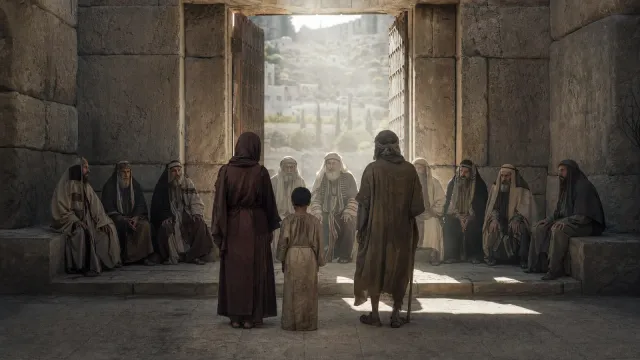
The Judges Are Summoned to Judgment
Psalm 82 opens a courtroom in which the usual authorities suddenly discover that they are the defendants. God stands among those called “gods” and asks why they judge unjustly, favor the wicked, and fail the poor, fatherless, afflicted, and needy. The identity of these “gods” has been read as human judges or as heavenly beings, but the poem’s direction is clear in either case: elevated status leads to accountability, not immunity. Their refusal of understanding leaves the foundations of the earth out of course. The title “children of the most High” does not protect them from the sentence, “ye shall die like men.” The psalm closes by lifting the matter beyond one failed tribunal and asking God himself to judge the earth, because all nations finally belong to him.
One complete chapter pageOpen chapter →
A Coalition Seeks to Erase Israel’s Name
Psalm 83 hears a coalition making noise while God appears silent. The allied peoples speak with one purpose: to cut Israel off from being a nation and erase its name from remembrance. Their threat is presented not only as hostility toward Israel but as confederacy “against thee.” The prayer responds by reaching back to enemies defeated in the Book of Judges, using Midian, Sisera, Jabin, Oreb, Zeeb, Zebah, and Zalmunna as precedents rather than pretending a victory has already occurred. Wind, stubble, fire, and storm then picture the coalition losing the control it seems to possess. The ending keeps a hard tension intact. Shame is requested so that God’s name may be sought, yet lasting confusion and destruction are also requested, all under the final desire that the Most High be known over the whole earth.
One complete chapter pageOpen chapter →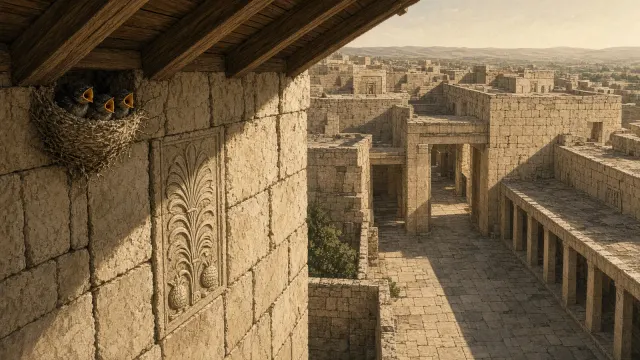
The Birds Are Already at Home in the Courts
Psalm 84 measures blessing by nearness to the living God. The speaker longs so intensely for the courts of the Lord that a sparrow and swallow become almost enviable: the birds have already found a home near the sanctuary. The poem then shifts from those who dwell there to those still traveling, whose hearts are set on the way to Zion and whose route can pass through a difficult valley. They move “from strength to strength” without the journey being described as easy. A brief prayer for God’s anointed gives way to a deliberately uneven comparison: one day in the courts is better than a thousand elsewhere, and a place at the threshold is preferred to residence in wickedness. The three blessings move from dwelling, to journeying, to trusting, all because the desired place is valued for the God who is there.
One complete chapter pageOpen chapter →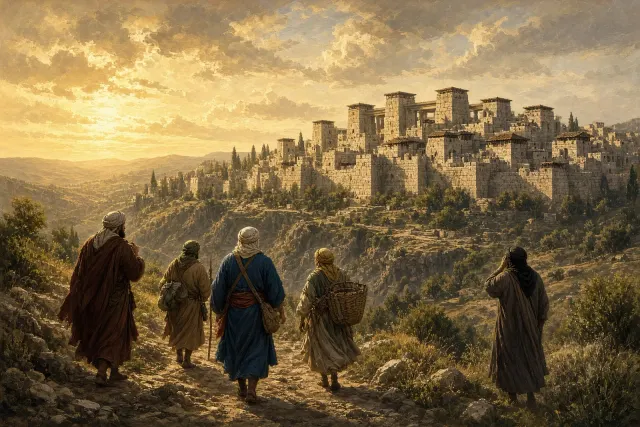
Restoration Remembered, Restoration Still Requested
Psalm 85 begins with completed acts of mercy and then refuses to pretend that completed acts mean every present need has disappeared. God has favored the land, restored Jacob, forgiven iniquity, covered sin, and turned from fierce anger. Yet the community still asks to be turned again, revived again, shown mercy, and granted salvation. Past restoration becomes the ground for present prayer rather than a reason to suppress it. The final movement listens for what God will speak and imagines peace without separating it from truth or righteousness. Mercy and truth meet, righteousness and peace kiss, truth springs from the earth, and righteousness looks down from heaven. The vision closes with renewed fruitfulness in the land, joining moral and material restoration instead of reducing either one to the other.
One complete chapter pageOpen chapter →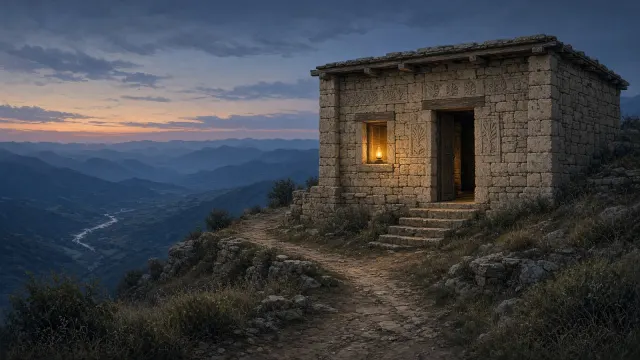
A Divided Heart Asks to Be Made One
Psalm 86 is intensely personal without becoming narrow. The speaker repeatedly calls himself poor, needy, servant, and one who trusts God, grounding every appeal in dependence rather than self-sufficiency. Yet the prayer quickly widens until all nations are envisioned coming to worship the God who made them. At the center stands one of the psalm’s most revealing petitions: “unite my heart to fear thy name.” The request for mercy is therefore matched by a request for inner coherence and instruction. Praise “with all my heart” answers the desire for an undivided heart. When proud and violent opponents appear, the speaker does not answer them merely with his own strength, but with God’s compassion, graciousness, patience, mercy, and truth. The final request is for help visible enough that enemies can see whose servant has been upheld.
One complete chapter pageOpen chapter →
Zion’s Register Includes Unexpected Birthplaces
Psalm 87 is brief, but its register is startlingly crowded. Zion’s distinction begins with God’s own foundation and love for the city, not with a catalogue of walls, wealth, or military strength. Then foreign names enter: Rahab, Babylon, Philistia, Tyre, and Ethiopia. Repeated declarations that “this man was born there” make belonging the poem’s central concern, even though the compressed pronouns allow more than one reading of exactly how foreign birthplaces and Zion relate. What is not compressed is the decisive action: the Lord himself counts and writes up the people. The city’s identity is therefore controlled neither by prestige nor by self-appointed gatekeepers. Singers and instrumental players fill the ending, and “all my springs are in thee” turns the civic register into an image of living abundance rather than a dry list of accepted names.
One complete chapter pageOpen chapter →
Prayer Continues Where the Poem Gives No Dawn
Psalm 88 is remarkable for what it does not do. It never reports rescue, never turns into thanksgiving, and never lets morning become the expected emotional reversal. Yet it begins by addressing the Lord as “God of my salvation,” and that name remains meaningful precisely because the darkness persists. The speaker describes himself as near the grave, without strength, shut in, overwhelmed by waves, separated from acquaintances, and afflicted from youth. He repeatedly says that God has done or permitted the conditions he is lamenting, bringing the sharpest perception of abandonment directly into prayer. Questions about praise in the grave become arguments for continued life. Even the final return to morning prayer leads straight back into “why castest thou off my soul?” The poem closes in darkness, but it closes after continued address, refusing both despairing silence and a rescue it has not actually received.
One complete chapter pageOpen chapter →
An Enduring Covenant Confronts a Crown in the Dust
Psalm 89 constructs the problem before it complains about it. The opening celebrates mercy and faithfulness “for ever,” then places God’s covenant with David in direct speech: the chosen servant, his seed, and his throne will be established through generations. The psalm expands that promise through divine sovereignty, justice, protection, royal sonship, enduring mercy, and even explicit provision for disciplining disobedient descendants without cancelling the covenant. Only after all of that does the great reversal arrive: “But thou hast cast off.” Crown, defenses, sword, glory, and throne are described in ruins, and the same God who promised establishment is addressed as the one who has allowed collapse. The final prayer asks how long a mortal generation must live inside that contradiction. It ends with a doxology, but not with a repaired throne, leaving praise and unresolved covenant protest side by side.
One complete chapter pageOpen chapter →
Brief Lives Ask That Their Work Endure
Psalm 90 places the brief span of human life against the everlasting life of God and refuses to treat mortality as a merely neutral observation. The Lord has been a dwelling place through generations and exists before mountains or earth, while human beings return to destruction and pass like yesterday, a night watch, sleep, flood, or grass that withers by evening. The poem then places sin and divine anger inside that brevity, asking for wisdom rather than simply lamenting aging. “Teach us to number our days” turns limited time into a request for a changed heart. The final section asks God to return, satisfy with mercy, balance years of affliction with gladness, show his work to the next generation, and establish “the work of our hands.” Mortal hands cannot make themselves permanent, so they ask the everlasting God to give endurance to what they build.
One complete chapter pageOpen chapter →
Shelter, Danger, and the Voice That Promises Presence
Psalm 91 speaks with sweeping confidence, but its confidence is relational before it is protective. The one described dwells in the secret place of the Most High, calls the Lord “my refuge and my fortress,” and trusts under his wings. Danger then fills every category and every hour: hidden snares, pestilence, night terror, daytime arrows, destruction at noon, battlefield-scale collapse, dangerous creatures, and even the ordinary vulnerability of a foot striking a stone. Angelic care appears within “all thy ways,” not as permission to manufacture a crisis and demand rescue. The closing voice is God’s own, promising to answer the one who calls, deliver, honor, and show salvation. Most importantly, God says, “I will be with him in trouble.” The psalm therefore promises presence in distress rather than defining faith as a condition in which distress can never occur.
One complete chapter pageOpen chapter →
Grass Rises Quickly, but Planted Trees Keep Bearing
Psalm 92 begins with praise spread across morning and night, accompanied by strings and grounded in the works of God’s hands. It then asks the reader to look more carefully at what appears to flourish. The wicked really do spring up, but their growth is grass: vivid, quick, and unable to prove permanence. God, by contrast, is “most high for evermore.” The righteous also flourish, but the image changes to palm and cedar, trees planted in the house of the Lord. Their location matters as much as their size, because their endurance is received rather than self-produced. The poem refuses to treat old age as the end of usefulness. These planted trees still bear fruit and remain vigorous. Their continued life functions as testimony, declaring that the Lord is upright and that no unrighteousness is found in the rock who sustains them.
One complete chapter pageOpen chapter →
The Sea Raises Its Voice Beneath an Older Throne
Psalm 93 announces a reign that does not need to be established by defeating a rival claimant. The Lord is already clothed with majesty and strength, the world stands under his rule, and his throne is “established of old” because he is from everlasting. Only then do the floods raise themselves, their voice, and their waves. The repetition lets their noise grow in the ear, but the answer is concise: the Lord on high is mightier than many waters and mighty waves. Volume is not sovereignty. The poem closes by moving from the turbulent sea to God’s testimonies and house. What he speaks is “very sure,” and holiness belongs to his dwelling “for ever.” Cosmic stability and trustworthy revelation therefore belong to the same reign. The God who rules the waters is also the God whose words and holiness give the sanctuary its character.
One complete chapter pageOpen chapter →
The Maker of the Eye Has Not Failed to See
Psalm 94 begins with people who mistake delay for blindness. The wicked boast, crush God’s people, murder the widow, stranger, and fatherless, and conclude that the God of Jacob does not see. The answer has a dry, devastating logic: the one who planted the ear can hear, the one who formed the eye can see, and the one who teaches knowledge cannot be ignorant. The psalm then turns from public injustice to the speaker’s own experience of instruction, slipping feet, crowded thoughts, divine comfort, and remembered help. That personal rescue does not make institutional evil disappear. The final section names a “throne of iniquity” capable of framing mischief by law, showing that legal form does not make injustice righteous. The poem ends where it began, with judgment, but now the wrongdoers’ own iniquity is what returns upon them.
One complete chapter pageOpen chapter →
The Singing Assembly Is Asked to Hear
Psalm 95 starts as a full-throated call to worship and ends with a divine oath excluding a generation from rest. The shift is not a change of subject but the point of the poem. The Lord is praised as great King and Maker of sea, dry land, depths, and hills. The same hands that formed the world hold the people as sheep in a pasture. Then, inside the statement of belonging, comes the word “To day” and the demand to hear God’s voice. The wilderness generation becomes the warning because it saw divine works yet did not know divine ways. Exposure to miracles did not guarantee a listening heart. The final refusal of rest therefore reaches back into the opening music. The worshippers can sing because they belong to the Shepherd, but the psalm insists that correct worship also means becoming hearers rather than using belonging as a substitute for obedience.
One complete chapter pageOpen chapter →
The Whole Earth Joins the Announcement of the King
Psalm 96 sends a new song outward until the whole earth, the families of the nations, and creation itself are involved. The song has news to announce: salvation is shown from day to day, glory is declared among the nations, and the Lord is distinguished from idols because he made the heavens. The nations are not merely informed from a distance. They are summoned to give glory, bring an offering, enter the courts, worship, and say among other nations that the Lord reigns. That reign is characterized by an established world and righteous judgment. The final verses let sea, field, trees, heaven, and earth celebrate the Lord’s coming. Judgment is the reason for the rejoicing because the coming King judges with righteousness and truth. The poem therefore joins mission, worship, creation, and justice inside a single announcement of who rules.
One complete chapter pageOpen chapter →
The Hills Melt, but Righteousness Holds the Throne
Psalm 97 announces the Lord’s reign with imagery that can both thrill and terrify: clouds, darkness, fire, lightning, trembling earth, and hills melting like wax. Yet before the display becomes overwhelming, the poem names the throne’s foundation as righteousness and judgment. Power is never allowed to float free from moral character. Idols and those who boast in them are then exposed, while Zion and the daughters of Judah rejoice because the Lord’s judgments reveal his supremacy over all the earth. The final movement turns from cosmic spectacle to the life of those who love God. They are told to hate evil, promised preservation, and given a gentler image than lightning: “Light is sown for the righteous.” Gladness is prepared like a crop that will emerge. The psalm ends with thanksgiving for holiness, returning the entire display to the character of the King.
One complete chapter pageOpen chapter →
Rivers Clap Before the King Who Judges Fairly
Psalm 98 begins with a victory already accomplished and ends with judgment still coming. God’s own right hand and holy arm win the victory, and salvation is made publicly visible before the nations. Mercy and truth toward Israel therefore become something the ends of the earth can see. The answer is a steadily expanding sound: voices, harp, psalm, trumpets, and cornet welcome “the LORD, the King.” Then even that ensemble proves too small. The sea roars, rivers clap, and hills rejoice together. The reason for this creation-wide celebration is the coming judgment of the earth. Righteousness and equity make judgment welcome rather than arbitrary. Past salvation and future rule are not identical, but they belong in the same song. What God has already made visible gives the world reason to greet the just King who is coming.
One complete chapter pageOpen chapter →
Holiness Governs Both the Throne and the Answer
Psalm 99 repeats one word through three movements: holy. The Lord reigns between the cherubim and above all peoples, and the opening response is trembling rather than the exuberant rejoicing of neighboring psalms. Yet holiness is not presented as raw distance. The King’s strength “loveth judgment,” establishes equity, and executes righteousness in Jacob. Worship at the footstool therefore acknowledges power whose moral direction has been named. The final movement brings Moses, Aaron, and Samuel into the poem as people who called on God and were answered. Their history shows nearness, instruction, forgiveness, and accountability together. God forgave and also took vengeance on wrongful practices. The third declaration of holiness gathers those realities rather than choosing between them. The psalm’s holy King is both approachable in prayer and unwilling to treat wrongdoing as inconsequential.
One complete chapter pageOpen chapter →
The Maker Welcomes His People Through the Gates
Psalm 100 is only five verses, but it compresses a complete movement into them. All lands are summoned to joyful noise, glad service, and singing before God’s presence. Then worship is given a foundation in knowledge: the Lord is God, he made the worshippers rather than the worshippers making themselves, and they are his people and the sheep of his pasture. Identity is received before the procession reaches the gates. Thanksgiving and praise then become the manner of entering the courts, not isolated religious activities scattered through the poem. The final “For” explains everything that came before it. The Lord is good, his mercy is everlasting, and his truth endures to all generations. The act of entering may be brief, but the reason for entering stretches beyond the lifetime of every individual worshipper. Maker, Shepherd, goodness, mercy, and enduring truth all meet at the gate.
One complete chapter pageOpen chapter →
The King’s House Is the First Place to Be Examined
Psalm 101 begins where public authority is easiest to fake and hardest to test: at home. The ruler sings of mercy and judgment, but before he speaks about removing liars, slanderers, or wicked people from the city, he places his own heart, eyes, and household under examination. The Book of Psalms makes access to power part of the moral question. Who is watched, welcomed, believed, and allowed to remain nearby matters because private company becomes public administration. The closing language is severe, but the chapter never turns its pledges into a report card proving that every promise was fulfilled. It gives the declared standard of a ruler who wants the city of the LORD governed by the same integrity he claims for his own house.
One complete chapter pageOpen chapter →
A Fading Life Appeals to the God Who Remains
Psalm 102 makes human frailty feel almost touchable. A life thins into smoke, bones burn, food is forgotten, tears enter the cup, and days lengthen like a disappearing shadow. Then the chapter turns with “But thou” and places that fading life beside the God whose years outlast generations and even the heavens. The Book of Psalms does not solve the sufferer’s pain by making him insignificant. His cry remains present while Zion, prisoners, future people, and gathered kingdoms enter the horizon. Ruined stones matter, unheard generations matter, and a single shortened life matters. The final confidence rests not on the speaker becoming permanent, but on the one who remains the same while creation itself wears like a garment.
One complete chapter pageOpen chapter →
The God Who Remembers Dust Does Not Forget Mercy
Psalm 103 begins with one person ordering his own soul not to forget and ends with all creation summoned into praise. Between those points, The Book of Psalms gives mercy dimensions too large for accounting and compassion a scale intimate enough to remember dust. Forgiveness is pictured as distance, mercy as height, human life as grass, and divine care as a father’s pity. The chapter never treats frailty as a surprise to the Creator. He knows the frame he made and remembers what it is made of. Yet the same poem that speaks tenderly of dust also speaks of covenant, commandments, righteousness, angels, and a throne over all. Personal gratitude grows outward until it finds its place inside the whole dominion.
One complete chapter pageOpen chapter →
A World Full of Creatures Waits for an Open Hand
Psalm 104 looks at creation long enough for it to become crowded. Water is bounded, then released through valleys. Birds sing, goats find hills, people work, lions hunt, ships cross the sea, and Leviathan plays in it. The Book of Psalms does not make humanity the only creature worth watching. Different lives receive different spaces and hours, while all of them finally gather under one open hand. Food, breath, death, and renewal reveal creation as dependent without making it passive. The poem can admire order without turning the world into a machine. Night has inhabitants, rocks have refugees, and even the sea is full. The singer’s answer is lifelong praise to a Maker who not only sustains his works but is asked to rejoice in them.
One complete chapter pageOpen chapter →
A Promise That Travels Through Famine and Chains
Psalm 105 is a long exercise in remembering who has been carrying the promise. Abraham’s family is small, mobile, and landless. Joseph is sold, chained, and forgotten before he governs. Israel grows in Egypt and is oppressed before Moses and Aaron are sent. The wilderness still needs food, shade, light, and water after Egypt has been left behind. Through every change, The Book of Psalms keeps the governing verbs with God: he remembers, sends, protects, judges, brings out, gives, and sustains. The covenant is not portrayed as a shortcut around history. It travels through famine, prison, royal power, plagues, desert, and inherited land. The final verse refuses to let possession be the endpoint. The land is given so that covenant life may be lived there.
One complete chapter pageOpen chapter →
The People Forget, and the Covenant Is Remembered
Psalm 106 places confession beside the celebration of Psalm 105 and refuses to let Israel admire its past from a safe distance. “We have sinned with our fathers” makes the present congregation part of the account. The Book of Psalms then moves through forgotten mercy, appetite, envy, idolatry, unbelief, child sacrifice, oppression, repeated deliverance, and renewed rebellion. The pattern is exhausting on purpose. Moses can stand in the breach in one scene and speak wrongly in another. The people can sing after the sea and forget almost immediately. Yet “nevertheless” keeps appearing where failure seems to have closed every door. Covenant remembrance interrupts the cycle without calling the people innocent. The chapter ends not with restoration completed, but with a scattered community asking to be gathered.
One complete chapter pageOpen chapter →
Different Troubles, One Recurring Cry
Psalm 107 gathers very different troubles under one repeated cry. Wanderers have no city, prisoners sit in iron because of rebellion, the sick approach death, and experienced sailors discover that skill cannot command a storm. The Book of Psalms uses the same rhythm of distress, prayer, rescue, and thanksgiving without pretending every crisis has the same cause or needs the same remedy. A road answers wandering. Broken bars answer prison. Healing answers failing life. Calm answers the sea. Then the chapter widens into changing landscapes and reversed social positions, where dry ground becomes water and princes become wanderers. Wisdom, in the end, means observing the whole pattern closely enough to recognize lovingkindness without forcing every life into one formula.
One complete chapter pageOpen chapter →
An Old Song Becomes a New Appeal
Psalm 108 is built from words heard elsewhere, but their new arrangement changes their force. The chapter begins with a fixed heart and public praise before any crisis is named. Then the beloved need rescue, God claims the land as his own, and the speaker admits that the people have experienced rejection and cannot secure victory by human help alone. The Book of Psalms places confidence and unresolved need in the same breath. Divine ownership of Shechem, Gilead, Judah, Moab, Edom, and Philistia does not make the strong city disappear. Promise still has to meet an actual wall. The final confidence is therefore not swagger. The people expect to act valiantly, but only because they expect God to do what human strength cannot.
One complete chapter pageOpen chapter →
An Accusation Answered at the Right Hand
Psalm 109 is one of the most difficult prayers in The Book of Psalms because wounded petition sits beside curses that reach into a household’s future. The opening complaint centers on lies, hatred, and good repaid with evil. The middle imagines condemnation, lost office, poverty, fatherless children, erased memory, and cursing returned to the one who loved it. The exact voice of that curse sequence is debated, and the chapter gives no quotation marks to settle the issue. What becomes clear by the end is a carefully built reversal. The accuser who stands at a right hand near the beginning is answered by God standing at the right hand of the poor. Hostile mouths remain present, but the final mouth is the petitioner’s, praising in public.
One complete chapter pageOpen chapter →
A Throne, an Oath, and a Priesthood Without an Ending
Psalm 110 is only seven verses, yet The Book of Psalms compresses throne, enemies, willing people, divine oath, priesthood, judgment, and renewed strength into that small space. The ruler does not seize his position; the LORD tells him to sit at the right hand and promises to deal with his enemies. Then a second extraordinary identity appears: “a priest for ever after the order of Melchizedek.” The royal and priestly lines meet because God swears that they do. Later New Testament writers repeatedly return to this language when speaking about Jesus, especially the right hand and the enduring priesthood. Within the psalm itself, authority remains received, opposition remains real, and the chapter ends with a raised head after judgment and refreshment along the way.
One complete chapter pageOpen chapter →
The Works Are Remembered in an Alphabet of Praise
Psalm 111 turns praise into close attention. Its Hebrew lines move through the alphabet, giving the poem an ordered completeness that English cannot reproduce exactly. The Book of Psalms celebrates works that are not merely admired but “sought out” by people who delight in them. Food, covenant, inheritance, commands, redemption, reverence, and wisdom all belong to the same account. Provision does not sit in one category while law sits in another. The God who feeds also commands, and the commands are described as trustworthy because the works of his hands are true and just. The final line makes wisdom practical: understanding belongs to those who do the commandments. The alphabet ends, but praise is said to endure.
One complete chapter pageOpen chapter →
The Generous Life Reflects the God It Fears
Psalm 112 deliberately echoes Psalm 111, but it turns from the character and works of God to the life of a person who fears him. The same vocabulary of enduring righteousness, grace, and compassion now appears in human conduct. The Book of Psalms includes wealth and strong descendants, yet it refuses to describe blessing as insulation from darkness or bad news. The upright person can hear threatening reports and still have a fixed heart. Possessions also move outward through lending and giving to the poor, so prosperity is measured partly by generosity. The final contrast is about what lasts. The righteous person disperses goods yet remains established, while the wicked person clutches frustrated desire until the desire itself perishes.
One complete chapter pageOpen chapter →
The Highest Looks Down and Lifts Up
Psalm 113 keeps lifting the reader’s eyes until even heaven is below the one being praised, then drops the gaze all the way to dust, a dunghill, and a household marked by barrenness. The Book of Psalms makes that vertical movement its main argument. Divine greatness is not measured by distance from ordinary need, but by the fact that the one above nations and heavens stoops to see and act below. The poor are raised into the company of princes, while the barren woman’s reversal occurs inside a home rather than a palace. Public honor and private joy stand side by side. The chapter’s briefness sharpens the contrast: the highest position in the poem becomes the reason the lowest circumstances are not overlooked.
One complete chapter pageOpen chapter →
The Landscape Cannot Keep Still
Psalm 114 condenses departure from Egypt, wilderness provision, and entry into the land until geography itself seems unable to hold still. The sea flees, Jordan turns back, mountains skip, hills leap, and rock becomes water. The Book of Psalms delays the explanation long enough for the landscape’s reaction to speak first. Only after asking what has happened to sea, river, and mountains does the chapter name the presence of the Lord, the God of Jacob. The same presence that removes obstacles also creates provision from what looks least promising. The poem therefore moves from escape to sustenance, from waters making way to stone giving water. Creation responds not because the terrain has suddenly become whimsical, but because a greater presence has entered the scene.
One complete chapter pageOpen chapter →
The Idols Have Every Feature Except a Working One
Psalm 115 answers the question “Where is now their God?” without producing an object for inspection. The Book of Psalms contrasts a God who acts freely from heaven with idols whose impressive materials and humanlike features accomplish absolutely nothing. Mouths cannot speak, eyes cannot see, ears cannot hear, hands cannot handle, and feet cannot walk. The satire is followed by a repeated practical answer: trust the LORD because he is help and shield. Israel, Aaron’s house, and all who fear him are included, small and great. The final contrast returns to speech. Lifeless images have throats that cannot make a sound, while living people declare that they will bless the LORD. The issue is not visibility versus invisibility. It is powerless appearance versus effective action.
One complete chapter pageOpen chapter →
The Rescued Voice Returns to the Congregation
Psalm 116 is shaped by a voice that was heard when death felt near and now wants that rescue to be heard by others. The Book of Psalms moves from a private cry to public thanksgiving in Jerusalem. Along the way, deliverance is measured through soul, eyes, feet, rest, breath, vows, and loosened bonds. The speaker does not treat survival as proof that dependence is over. Because God inclined his ear, he plans to keep calling for the rest of his life. Even his answer to divine benefits begins by receiving “the cup of salvation.” The chapter ends in the courts of the LORD’s house, where the same voice once compressed into “deliver my soul” now has room to praise before the people.
One complete chapter pageOpen chapter →
Two Verses Make Room for All Nations
Psalm 117 is the shortest chapter in The Book of Psalms, but its horizon is enormous. Two verses move from “all ye nations” and “all ye people” to the mercy experienced by a particular community and the truth of the LORD that endures forever. The chapter does not solve the tension between particular history and universal praise by erasing either side. Israel’s received kindness becomes the reason a wider human audience is invited to speak. Paul later quotes the opening call while discussing Gentile praise, but the universal reach is already explicit in the psalm itself. Brevity gives the chapter concentration rather than smallness. Strong mercy and enduring truth are enough to open a place in praise for every nation named by the summons.
One complete chapter pageOpen chapter →
The Rejected Stone Reaches the Place of Honor
Psalm 118 moves from a gathered refrain of thanksgiving into the testimony of a person who has been surrounded, pressed toward falling, chastened, and nevertheless kept alive. The Book of Psalms makes the change of space one of the chapter’s clearest signals: distress opens into a “large place,” encirclement gives way to help, and the survivor approaches the gates of righteousness to praise. Then the chapter turns the same reversal into architecture. A stone rejected by builders becomes the head stone of the corner, and the community recognizes the change as the LORD’s doing. Even celebration does not eliminate petition, because “save now” follows the day of rejoicing. The closing welcome leads toward the altar and returns the entire movement to the refrain that framed it: the LORD is good, and his mercy endures.
One complete chapter pageOpen chapter →
An Alphabet of Devotion That Ends with a Lost Sheep
Psalm 119 takes the Hebrew alphabet and turns it into a sustained examination of life before God. Twenty-two stanzas move through law, testimony, precept, commandment, judgment, promise, word, and way, yet the vocabulary never becomes mechanical because each stanza places the same divine instruction inside a different human condition. The speaker delights, studies, remembers, waits, suffers, fears, speaks before kings, rises at midnight, faces lies and persecution, and repeatedly asks to be taught. The Book of Psalms lets confidence and dependence remain together throughout the chapter. The servant can claim that he has kept the word and, in the next breath, ask to be upheld, revived, protected, or given understanding. Affliction does not cancel delight, and delight does not cancel danger. The closing stanza finally reveals the deepest pattern of the whole alphabet: after all the vows of fidelity, the servant still says that he has gone astray like a lost sheep and asks God to seek him.
One complete chapter pageOpen chapter →
The Ascent Begins Among People Who Want War
Psalm 120 opens the Songs of Degrees without movement toward a peaceful sanctuary already completed. The setting is distress, deceitful speech, and prolonged residence among people who hate peace. The speaker remembers that the LORD heard an earlier cry, yet immediately asks for deliverance again, so remembered help becomes the ground of present prayer rather than a reason to stop praying. A lying tongue is treated as dangerous enough to deserve imagery of sharp arrows and burning coals. The Book of Psalms then widens the problem from one false speaker to an alien social environment symbolized by Mesech and Kedar. The final line is deliberately unresolved: “I am for peace,” but whenever the speaker speaks, those around him are for war. The ascent begins, then, not with harmony but from the place where truthful and peaceable speech receives no matching answer.
One complete chapter pageOpen chapter →
The Keeper of Israel Does Not Change Shifts
Psalm 121 turns the eyes upward and answers the question of help by naming the LORD, maker of heaven and earth. The hills may fill the traveler’s view, but they are not independent sources of protection. The Book of Psalms then changes from first-person confession to direct assurance: the keeper will not let the foot slip, will not slumber, and will not leave Israel unattended. Shade at the right hand brings the creator’s care close to the body, while sun and moon extend the promise across day and night. The repeated verbs of keeping and preserving gather movement, danger, and time into one blessing. Going out and coming in cover ordinary departures and returns, and “from this time forth, and even for evermore” pushes the horizon beyond one journey. The vulnerable traveler changes location; the keeper does not change shifts.
One complete chapter pageOpen chapter →
A City Held Together by Worship and Judgment
Psalm 122 begins with gladness at an invitation and ends with a personal commitment to seek Jerusalem’s good. Between those points, the city is described not merely by walls but by the functions that make it a shared center. The tribes go up together to give thanks to the name of the LORD, and the thrones of the house of David sit there for judgment. The Book of Psalms therefore places worship and justice beside each other in its account of Jerusalem’s significance. The prayer for peace moves from walls and palaces to brethren, companions, and the house of God. Love for the city is not admiration of power for its own sake. The speaker wants security and prosperity because people live there, judgment is administered there, and worship gathers there. The feet that entered the gates in joy now belong to someone willing to seek the city’s good.
One complete chapter pageOpen chapter →
Eyes Lifted Above the Contempt
Psalm 123 gives waiting a visible posture. A single voice lifts its eyes to the one who dwells in the heavens, then becomes a community watching the LORD as servants watch the hand from which decisive action must come. The Book of Psalms makes “until” important. Mercy is expected, but no deadline is supplied, so dependence has duration. The second half explains why the community is looking upward: contempt has filled it to excess. The same language of abundance is repeated until scorn feels like an unwanted saturation. Those who inflict it are described as at ease and proud, while the petitioners remain dependent on mercy. Nothing in the ending reports that the proud have changed. The psalm instead gives the despised community a directed gaze and a repeated prayer that do not depend on receiving recognition from the people who hold them in contempt.
One complete chapter pageOpen chapter →
The Broken Snare Explains the Surviving Voice
Psalm 124 asks Israel to imagine the disaster that would have followed if the LORD had not been on its side. The repeated conditional opening makes the community face that alternative before naming the outcome. Enemies become something that could swallow them alive, then waters rising high enough to pass over the soul. The Book of Psalms does not identify one battle because the images are doing broader work: they show a danger too large for survival to be explained by the people’s own strength. The second half changes the imagery but not the conclusion. Israel is prey not given to teeth and a bird escaped from a snare. The decisive fact is that the snare broke. The bird never becomes powerful enough to defeat the trap. The chapter closes by naming help in the LORD, maker of heaven and earth, preserving vulnerability even inside thanksgiving.
One complete chapter pageOpen chapter →
The Surrounding Mountains Become a Promise of Protection
Psalm 125 takes the geography of Zion and Jerusalem and turns it into a language of stability and surrounding care. Those who trust in the LORD are compared with Zion, while the LORD is compared with the mountains around the city. The Book of Psalms then adds an important qualification to the picture of security: wicked rule must not become permanent over the righteous inheritance because prolonged oppression can push even the righteous toward wrongdoing. The concern is moral as well as territorial. The closing prayer moves inward from external rule to uprightness of heart and separates those who remain true from those who turn into crooked ways. Peace upon Israel therefore comes after a distinction, not after pretending all paths are equal. The desired security is a people preserved both from domination outside and corruption within.
One complete chapter pageOpen chapter →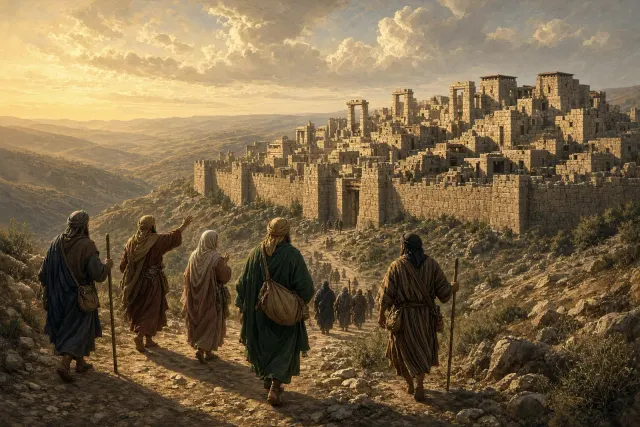
The Laughter Remembers, and the Tears Are Still Sowing
Psalm 126 remembers a restoration so astonishing that the people felt like dreamers, then turns around and asks the LORD to restore them again. The Book of Psalms lets laughter and unfinished need remain in the same chapter. Mouths once filled with laughter and tongues with singing became public evidence of a great divine act, even to the nations. Yet the community still needs another turning. Two images explain how renewal can come. Streams in the dry south suggest a sudden filling of channels that seemed empty, while sowing and reaping suggest a slower process in which tears accompany the labor until joy arrives with the harvest. The final return with sheaves echoes the opening return of Zion. Remembered joy does not deny present tears, and present tears do not erase the reality of what has already been done.
One complete chapter pageOpen chapter →
The Builder Works, but Cannot Manufacture the Blessing
Psalm 127 refuses to separate human work from divine dependence. Builders still build, watchmen still keep watch, and laborers still rise early, but none of those actions can bear the full weight of security by themselves. The Book of Psalms calls that burden vain when work is treated as though it alone controls the outcome. Sleep appears as a gift to the beloved, not as failure to squeeze one more productive hour from the day. Then the chapter turns from the house as a structure to the household that gives it a future. Children are called an inheritance and compared with arrows, and the family eventually appears at the public gate. The same logic governs both halves: real human participation matters, but lasting security, rest, continuity, and future life are finally received rather than manufactured by effort alone.
One complete chapter pageOpen chapter →
The Household Table Opens Toward the Peace of Israel
Psalm 128 begins with one person fearing the LORD and walking in his ways, then steadily enlarges the picture until the horizon includes Zion, Jerusalem, grandchildren, and peace upon Israel. The Book of Psalms makes blessing tangible through work, food, marriage, children, and a table. The laboring person eats the fruit of his own hands, while wife and children are pictured through vine and olive growth. Yet the household never becomes a sealed private world. The blessing is said to come from Zion, and the person is to see the good of Jerusalem. Future generations finally open into the peace of the whole people. The chapter’s movement is therefore outward. Domestic flourishing matters, but it belongs within a communal life whose health cannot stop at the edge of one property or one family’s table.
One complete chapter pageOpen chapter →
The Furrows Remain, but the Plowers Do Not Prevail
Psalm 129 lets Israel remember long affliction without turning survival into a claim of having escaped unhurt. The Book of Psalms repeats that enemies have afflicted Israel “from my youth,” then says they have not prevailed. The next line makes clear what that does not mean: the people’s back is pictured as ground cut by plowers into long furrows. Deliverance preserves the scars in the account. The LORD’s righteousness appears in cutting the cords of the wicked, ending their control rather than pretending the injury never happened. The second half reverses the agricultural imagery. Enemies who plowed long furrows are compared with rooftop grass that withers before it can produce a harvest. Their apparent growth will not fill a mower’s hand or receive the customary blessing. The surviving people keep their voice, while hostile strength is asked to become barren and brief.
One complete chapter pageOpen chapter →
Forgiveness Makes the Waiting Possible
Psalm 130 begins “out of the depths” and quickly reveals that the deepest problem is not hostile circumstance alone. If the LORD were to mark iniquities without forgiveness, no one could stand. The Book of Psalms therefore grounds hope neither in innocence nor in denial but in the declaration that forgiveness is with God. Strikingly, forgiveness produces fear rather than casualness. It makes reverent approach possible where strict accounting would leave no standing at all. The chapter then slows into waiting. The speaker waits more intensely than watchers wait for morning, holding hope in the word while darkness remains. Finally the solitary voice turns toward Israel and invites the people into the same hope. Mercy is with the LORD, redemption is plentiful, and the promised redemption addresses the iniquities named at the start. The psalm climbs from the depths by forgiveness, waiting, and redemption, not by proving the charges were mistaken.
One complete chapter pageOpen chapter →
A Quieted Soul Beside Its Mother
Psalm 131 is only three verses, but it gives humility a surprisingly concrete form. The speaker begins by denying haughtiness of heart, loftiness of eyes, and involvement in matters too high for him. The Book of Psalms does not turn this into contempt for knowledge or difficult questions. The concern is self-exaltation, the attempt to occupy a place beyond proper measure. Then the chapter leaves abstract language and gives humility a domestic image: a weaned child quiet beside its mother. The child is no longer defined only by immediate demand, yet the relationship has not ended. Dependence becomes calm without becoming independence. The speaker says he has quieted himself, making the posture deliberate rather than accidental. The last line opens the small scene toward the entire people, calling Israel to hope in the LORD from now and forever. A private posture becomes a communal orientation.
One complete chapter pageOpen chapter →
David’s Vow Is Answered by the LORD’s Oath
Psalm 132 begins with David’s vow to find a place for the LORD and ends with the LORD declaring Zion the resting place he has chosen. The Book of Psalms deliberately reverses the direction of oath: David swears to God, then God swears concerning David’s descendants and throne. Human devotion matters, but divine choice governs the conclusion. The chapter gathers ark, worship, priests, saints, covenant, kingship, provision, and Zion into one ordered scene. The royal promise includes a stated condition for David’s children, preserving covenant responsibility beside the language of permanence. Zion’s blessing is also strikingly practical. The poor are promised bread, priests salvation, and worshippers joy. A budding horn and prepared lamp preserve the anointed line while enemies receive shame. The sanctuary is therefore not treated as decorative royal architecture. It becomes the place where dwelling, nourishment, worship, and kingship meet under the LORD’s own desire and oath.
One complete chapter pageOpen chapter →
The Blessing Runs Down
Psalm 133 celebrates unity without explaining it through a program, hierarchy, or administrative arrangement. The Book of Psalms instead gives two images that move downward. First, precious anointing oil runs from Aaron’s head to his beard and onward over the garment. Then dew descends in the mountain imagery. Both comparisons picture a good that does not remain trapped at the highest point but spreads through the whole scene. Aaron gives the first image a priestly and consecrated setting, while the dew introduces refreshment and life. Hermon and Zion are geographically distinct, so the second image works poetically rather than as meteorological travel from one mountain to another. The final line explains the comparisons by naming the LORD as the one who commands blessing in Zion, “even life for evermore.” Unity is good and pleasant, but its fruitfulness is received as blessing rather than manufactured by togetherness itself.
One complete chapter pageOpen chapter →
The Night Watch Answers with a Blessing
Psalm 134 closes the Songs of Degrees with only three verses, but it creates a complete exchange. Servants stand in the house of the LORD by night and are called to lift their hands and bless him. The Book of Psalms lets the sanctuary remain active after ordinary daytime movement has ended. Then the direction of blessing reverses. The servants bless the LORD in praise, and the LORD, maker of heaven and earth, is asked to bless the addressed person or community from Zion. The local place and the cosmic title stand together without conflict. Zion is the place from which the blessing is spoken, but the giver is not confined there. After Psalm 120 began among hostile speech and people set on war, the sequence ends with voices in the night directed toward praise and blessing. The ascent concludes in worship that turns outward again.
One complete chapter pageOpen chapter →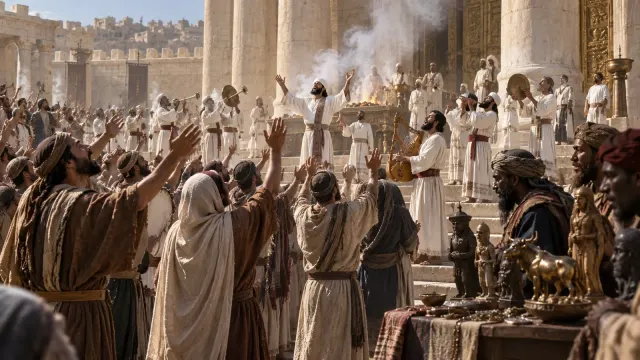
The Living God and the Breathless Gods
Psalm 135 begins among servants standing in the temple courts and quickly widens to a God who acts throughout heaven, earth, seas, weather, nations, and history. The Book of Psalms holds particular election and universal rule together: Jacob is chosen as a treasured possession, yet the LORD does whatever pleases him in every realm. Egypt, Sihon, Og, and Canaan become remembered examples of effective divine action, while the LORD’s own name endures beyond the rulers he defeats. The contrast with idols is then almost physical. Silver and gold can give them value, and mouths, eyes, and ears can give them appearance, but there is no speech, sight, hearing, or breath. Their makers and trusters are drawn into that incapacity. The chapter closes back in Zion with living voices from Israel, Aaron, Levi, and all who fear the LORD. The place of praise is local; the rule being praised is not.
One complete chapter pageOpen chapter →
One Answer Through Creation, Deliverance, and Daily Bread
Psalm 136 gives every verse the same response: “for his mercy endureth for ever.” The repetition could have become mechanical, but the changing first half of each line keeps giving the refrain new work to do. The Book of Psalms applies enduring mercy to creation, sun and moon, Egypt’s defeat, the sea crossing, wilderness guidance, conquered kings, inherited land, remembered distress, rescue, and food for all flesh. That range is crucial. Mercy is not reserved for gentle scenes or spectacular emergencies. The firstborn deaths and Pharaoh’s overthrow remain inside Israel’s praise, while the wilderness receives the same refrain as the divided sea. The community finally enters the account with “our low estate,” linking present memory to older deliverance. Then the final act named before thanksgiving is wonderfully ordinary: feeding living creatures. Cosmic order, national rescue, and daily nourishment all receive one answer. The psalm measures mercy by continuity across radically different kinds of need.
One complete chapter pageOpen chapter →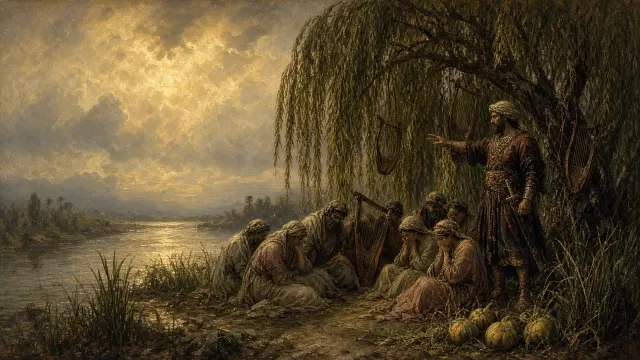
The Songs the Captors Cannot Command
Psalm 137 begins with exiles beside Babylon’s rivers and ends with a violent wish against Babylon’s children. The Book of Psalms does not provide a soft bridge between those points. The captives weep when they remember Zion and hang their harps even though their captors demand music. Their refusal is not a rejection of song itself but a refusal to turn sacred songs of belonging into entertainment for the people who destroyed that belonging. Memory then becomes an oath. The singer binds right hand, tongue, and highest joy to Jerusalem rather than perform forgetfully. In the final section, the same act of remembering is directed toward God: remember Edom, remember what Babylon did, and repay it correspondingly. The last wish reaches the killing of little ones against stones. The psalm neither disguises the victims nor reports divine approval or fulfillment. It preserves the injured community’s desire for retaliation in all its terrible force and stops there.
One complete chapter pageOpen chapter →
An Answered Voice and an Unfinished Work
Psalm 138 begins with praise rooted in an answered cry, but the answer is first described as strength given within the soul rather than the disappearance of every threat. The singer's gratitude then widens toward the kings of the earth, who are imagined hearing God's words and singing of his ways. Height and rank are rearranged by the claim that the Lord, though high, regards the lowly while knowing the proud from afar. The final verses return to danger still in progress. Trouble remains around the singer even as he expects reviving and rescue. The chapter ends with confidence that God will complete what concerns him, yet that confidence immediately becomes another petition that the work of God's own hands not be forsaken.
One complete chapter pageOpen chapter →
Known in Every Place, Searched to the End
Psalm 139 begins with the unsettling comfort of being completely known. Ordinary movements, unspoken words, distance, darkness, hidden formation, and the thoughts of God all expand the claim until no outside remains. The poem then turns sharply toward violent people and the speaker's declared hostility to those he identifies as God's enemies. That fierce turn is not the last word. The closing petition brings the language of searching back upon the speaker himself. What the opening stated as fact becomes something he actively requests, including examination for any wicked way within him. The chapter therefore moves from being known, to discovering that no place escapes that knowledge, to asking that the same searching attention become guidance into the enduring way.
One complete chapter pageOpen chapter →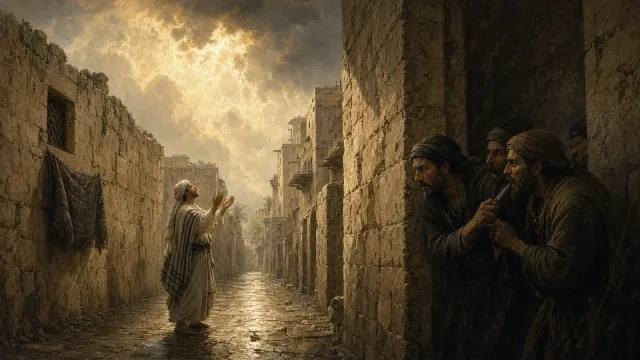
When the Hunters Are Overtaken by Their Own Violence
Psalm 140 treats violence as something planned, spoken, handled, and hidden in advance. Harm begins in the heart, sharpens on the tongue, reaches through violent hands, and waits beside the path in nets and snares. Against that coordinated threat, the speaker names God as his own and remembers that his head has already been covered in battle. The prayer then asks not merely for escape, but for the attackers' designs to fail and their own harmful speech to return upon them. Severe images of judgment dominate the middle of that request. The ending widens beyond one threatened person, grounding confidence in the Lord's maintenance of the afflicted person's cause and the poor person's right, before the final image shifts from pursuit to thanksgiving in God's presence.
One complete chapter pageOpen chapter →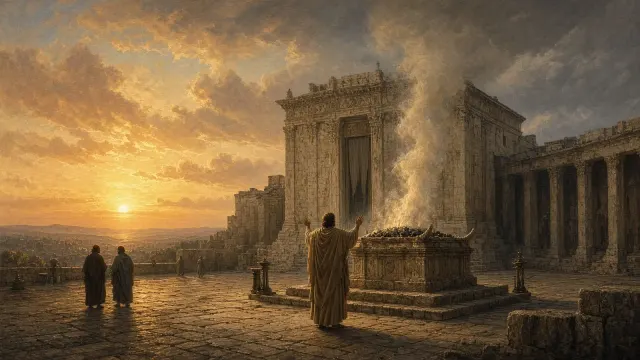
A Guarded Mouth in a Field of Traps
Psalm 141 asks for rescue from traps while refusing to treat the speaker's own mouth and heart as harmless territory. Prayer is compared to incense and lifted hands to the evening sacrifice, then the first guard requested is placed over the lips. The heart, conduct, and even participation at the wrong table are brought under restraint before enemy snares dominate the prayer. Righteous correction is welcomed as kindness, creating a distinction between painful reproof and hostile violence. The middle lines involving judges, rocky places, and scattered bones remain difficult enough that the psalm should not be forced into a precise scene it does not identify. The ending regains clarity as the speaker fixes his eyes on God and asks that those who laid nets fall into them while he escapes.
One complete chapter pageOpen chapter →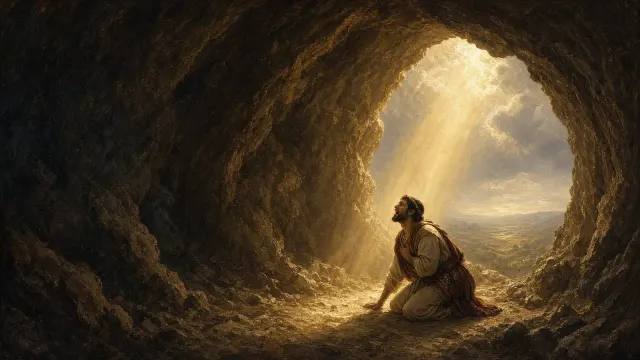
A Refuge When Nobody Stands Beside the Fugitive
Psalm 142 gives distress a voice before it gives it an exit. The heading associates the prayer with David in a cave, but the poem itself concentrates on what it feels like when the path contains hidden traps and the expected human refuge is empty. The speaker's spirit is overwhelmed, yet God still knows the path that has become dangerous to him. Looking to the right hand reveals no defender and no one willing to acknowledge his need. Against that absence, God is named as refuge and portion in the land of the living. The final request imagines release not as isolated survival, but as freedom to praise while the righteous gather around. The social emptiness of the opening is answered by a hoped for company at the end.
One complete chapter pageOpen chapter →
A Servant Asking for Mercy, Direction, and Life
Psalm 143 asks for righteous help without making a claim to flawless innocence. The speaker appeals to God's faithfulness and righteousness, then immediately asks not to enter judgment because no living person can be justified before him. Enemy pursuit has crushed his life into darkness and left his spirit overwhelmed, so memory reaches back toward God's earlier works while his hands reach forward in need. The prayer then asks for more than removal from danger. The speaker wants to hear lovingkindness in the morning, know the way he should walk, learn to do God's will, and be led by the good Spirit. The ending remains severe toward the enemies, but the final identity is still "thy servant," preserving dependence rather than replacing it with a late claim of sinlessness.
One complete chapter pageOpen chapter →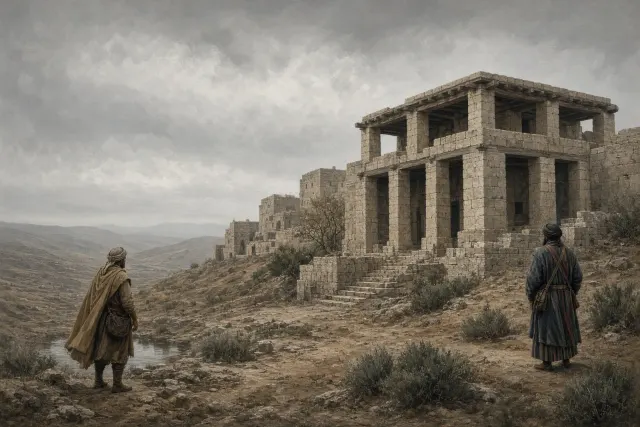
The Trained Hands and the Life Beyond the Battle
Psalm 144 begins with trained hands, fortified protection, and royal rule, then interrupts that strength with the brevity of human life. The warrior is still like a passing shadow. From there the prayer asks for heaven to bow, mountains to smoke, lightning to scatter enemies, and a hand from above to rescue the speaker from great waters and deceptive people. A new song appears before the danger has disappeared, keeping anticipated praise inside an unresolved plea. The closing picture shifts from battle to the life battle is meant to protect: growing sons and daughters, full stores, abundant flocks, strong working animals, secure borders, and streets without cries of distress. In the KJV's sequence, communal peace and provision become the desired horizon of deliverance.
One complete chapter pageOpen chapter →
An Everlasting Kingdom with an Open Hand
Psalm 145 turns one person's praise into a relay across generations. The singer promises daily blessing, yet God's greatness is called unsearchable, so the poem keeps speaking precisely because its subject cannot be exhausted. Grace, compassion, patience, mercy, kingdom, and dominion define a kingship whose duration extends beyond every individual voice. That vast rule is then shown at close range: the falling are upheld, the bowed down raised, waiting eyes fed, and an open hand satisfies living creatures in season. The repeated word "all" widens the field without erasing distinctions. The Lord is near to those who call in truth, preserves those who love him, and destroys the wicked. The ending returns to the speaker's own mouth before inviting all flesh into praise that outlasts any one generation.
One complete chapter pageOpen chapter →
The Breath That Ends and the Faithfulness That Does Not
Psalm 146 measures human power by breath. The singer resolves to praise for as long as he lives, then warns against placing ultimate trust in princes because death ends both their breathing and their plans. The contrast is not with a vague spiritual force, but with the God of Jacob, maker of heaven, earth, and sea, who keeps truth for ever. Creation establishes the range of his power, while justice, food, release, sight, support, and protection show how that power is exercised. The psalm repeatedly turns toward people who lack ordinary security: the oppressed, hungry, prisoners, blind, bowed down, strangers, fatherless, and widows. Its final contrast places the disrupted way of the wicked beside a reign that continues through all generations.
One complete chapter pageOpen chapter →
The One Who Numbers Stars Binds Broken Hearts
Psalm 147 keeps changing scale without losing its subject. Jerusalem is rebuilt, Israel's outcasts gathered, broken hearts healed, and wounds bound, then the poem looks upward to the one who counts and names the stars. Great power and infinite understanding do not make individual damage insignificant. The psalm next moves through clouds, rain, mountain grass, animals, human strength, city gates, children, borders, wheat, snow, frost, ice, thaw, wind, and flowing water. Again and again, power is described through provision and ordered change rather than admiration for strength itself. The final movement connects the word that governs weather with the word made known to Jacob and Israel, distinguishing universal creation from the particular gift of statutes and judgments while keeping both under the same divine command.
One complete chapter pageOpen chapter →
Heaven and Earth Are Summoned Into One Praise
Psalm 148 turns creation into an addressed assembly. The summons begins above, among angels, heavenly hosts, sun, moon, stars, highest heavens, and waters, then descends through sea creatures, weather, mountains, hills, trees, animals, rulers, peoples, ages, and sexes. The catalogue is wide without pretending that every creature praises in the same manner. Its unity lies in relation to the maker whose command brought the heavens into being and whose word the storm wind fulfills. Sun, moon, and stars are called to praise rather than treated as objects of worship. The ending then makes two claims at once: the Lord's name is exalted above earth and heaven, while Israel is described intimately as a people near to him. Cosmic height and particular nearness occupy the same conclusion.
One complete chapter pageOpen chapter →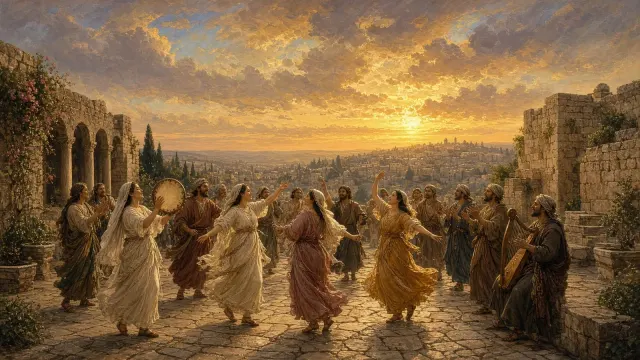
The New Song and the Judgment Written
Psalm 149 begins as congregational celebration and ends in judgment. Israel rejoices in its maker and king with a new song, dance, timbrel, and harp, while salvation is described as the adornment of the meek. The joy then extends to the bed and suddenly acquires a weapon: high praise is in the mouth and a two edged sword in the hand. The psalm does not mark that sword as a metaphor or dissolve the following violence into inward struggle. Nations are punished, rulers bound, and a judgment described as written is executed. At the same time, no specific campaign, date, or ruler is identified, so the severe scene should not be pinned to details the text does not supply. The final praise holds received salvation and participation in judgment inside the same difficult conclusion.
One complete chapter pageOpen chapter →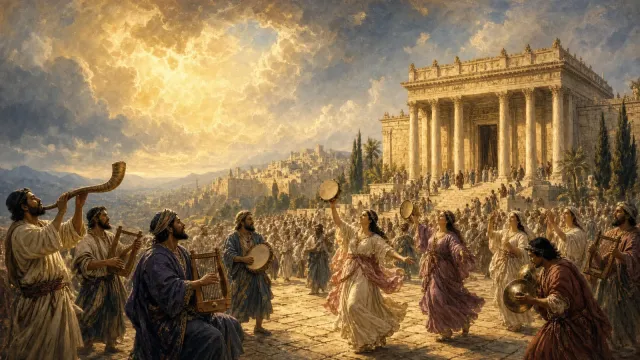
Everything That Breathes Joins the Final Summons
Psalm 150 closes the collection by stripping praise down to place, reason, means, and breath. Sanctuary and firmament give the opening a scale larger than one room, while God's mighty acts and excellent greatness provide the grounds. The psalm does not introduce another danger or rehearse another rescue. Instead, it turns to sound: trumpet, psaltery, harp, timbrel, strings, pipes, cymbals, and dance accumulate until the catalogue itself can no longer contain the summons. The final expansion reaches beyond musicians and named instruments to "every thing that hath breath." That last qualification is broader than skill, office, or location. Praise receives the final position in the Psalms without canceling the laments, severe petitions, conflicts, and unresolved questions that remain part of the collection it concludes.
One complete chapter pageOpen chapter →Source: eBible.org · eng-kjv2006