
The big picture
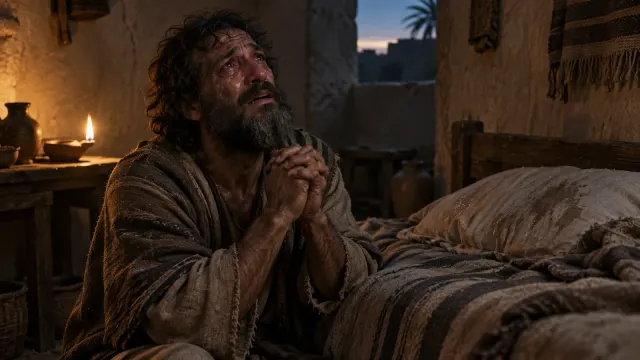
Pain reaches both body and mind in this prayer. Its speaker feels weak, shaken, and worn out by tears. He asks God for mercy rather than more anger, and he fears death. Enemies add to his distress, though the psalm does not explain the whole cause of his illness. Near the end, his voice changes. He declares that God has heard him, even before the poem describes any outward recovery.
In this chapter
- Weakness Pleads for Mercy Psalms 6:1-5
The suffering speaker asks the Lord not to correct him in anger.
- The Lord Hears Weeping Psalms 6:6-10
Night after night, tears soak the speaker's bed.
Central truth
A suffering worshipper pleads for mercy and ends with confidence that God has heard his tears and prayer.

Scripture beside the summary
Psalms · King James Version · 10Psalms 6:1-5
Weakness Pleads for Mercy
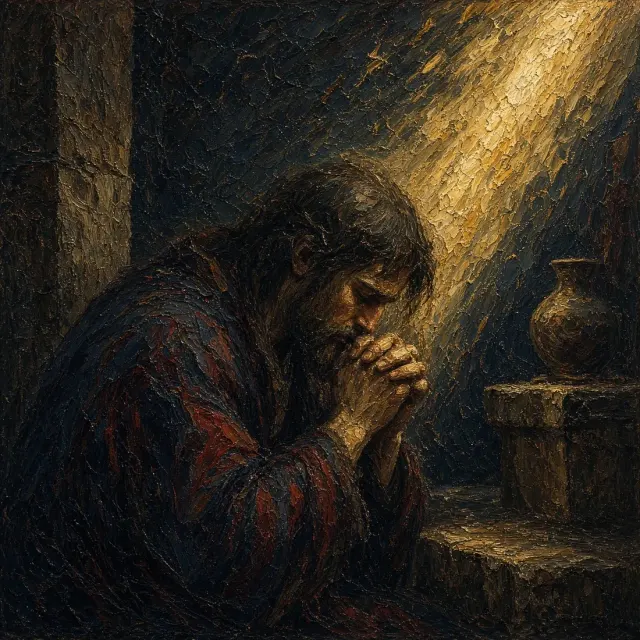
The suffering speaker asks the Lord not to correct him in anger. His bones ache and his whole being feels shaken. He asks how long this will continue, then calls for God to return and rescue him. God's mercy supplies the reason for that request. He also speaks about death as the end of his present ability to remember and praise God among the living. The grave feels like a place of silence. These are a frightened sufferer's words, spoken in an urgent plea for life.
In everyday life
A patient recovering from a severe infection presses the bedside call button. His hands shake as he asks the nurse to return. He has little strength for a full account, but he names the pain and asks how much longer it will last. The short appeal carries the weight of his fear. This prayer seeks mercy from God, not clinical treatment.
Notice
Psalms 6:5 Asking about thanks in the grave supports a plea to stay alive. It voices the speaker's fear of losing his place among those praising God.
Psalms 6:1-5
King James Version1O LORD, rebuke me not in thine anger, neither chasten me in thy hot displeasure.
2Have mercy upon me, O LORD; for I am weak: O LORD, heal me; for my bones are vexed.
3My soul is also sore vexed: but thou, O LORD, how long?
4Return, O LORD, deliver my soul: oh save me for thy mercies’ sake.
5For in death there is no remembrance of thee: in the grave who shall give thee thanks?
Psalms 6:6-10
The Lord Hears Weeping
Night after night, tears soak the speaker's bed. Grief wears him down, and hostile people deepen the strain. Then he turns on the wrongdoers and tells them to leave. His reason is that God has heard his weeping and accepted his prayer. No scene of healing appears between the tears and this declaration. The change lies in his confidence that God listens. He expects his enemies to be shaken, ashamed, and turned back, reversing the fear they have pressed upon him.

In everyday life
A grieving mother sits beside a pile of damp tissues in a bereavement centre. The counsellor returns and confirms that her request for help has been accepted. Her loss remains, but she puts away a cruel message and asks its sender to stop contacting her. Being heard gives her room to resist further harm. God's answer is not described as counselling.
Notice
Psalms 6:8 Weeping itself is something God hears. The speaker does not need polished words before his distress can reach the one he asks for help.
Psalms 6:6-10
King James Version6I am weary with my groaning; all the night make I my bed to swim; I water my couch with my tears.
7Mine eye is consumed because of grief; it waxeth old because of all mine enemies.
8Depart from me, all ye workers of iniquity; for the LORD hath heard the voice of my weeping.
9The LORD hath heard my supplication; the LORD will receive my prayer.
10Let all mine enemies be ashamed and sore vexed: let them return and be ashamed suddenly.
Details worth noticing
The opening image
Psalms 6:1 begins with “O LORD, rebuke me not in thine anger, neither chasten me in thy hot displeasure.”
Where the chapter turns
Psalms 6:5 forms a natural hinge: “For in death there is no remembrance of thee: in the grave who shall give thee thanks?”
The final note
Psalms 6:10 leaves the reader with “Let all mine enemies be ashamed and sore vexed: let them return and be ashamed suddenly.”
A word trail through the chapter
The words LORD, vexed, ashamed, enemies, return, sore help reveal the chapter’s repeated concerns.
KJV words made clear
- vexed
- Deeply troubled, distressed, or shaken by pain and fear.
Music and video connected to the passage
Related media appears when its Scripture reference overlaps this study. Music and video can illuminate a theme while the biblical text remains the foundation.