
The big picture
Israel, God's people, speaks like a person who has suffered from youth. Enemies have hurt the people again and again, but have not finally overcome them. A back torn like ploughed ground gives a harsh picture of that pain. The Lord cuts the wicked cords. The prayer then turns against those who hate Zion, the holy hill representing Jerusalem and its people. It asks that their growth fail like shallow grass that never reaches a harvest.
In this chapter
- Repeated Wounds Have Not Ended the People Psalms 129:1-4
Their earliest days already held oppression, and the people are called to recall how often it came.
- Hatred Is Asked to Wither Before Harvest Psalms 129:5-8
Shame and retreat are sought for everyone who hates the holy city.
Central truth
Though enemies have repeatedly wounded the people, the Lord has broken their bonds, and the prayer asks that hatred bear no lasting fruit.


Scripture beside the summary
Psalms · King James Version · 8Psalms 129:1-4
Repeated Wounds Have Not Ended the People
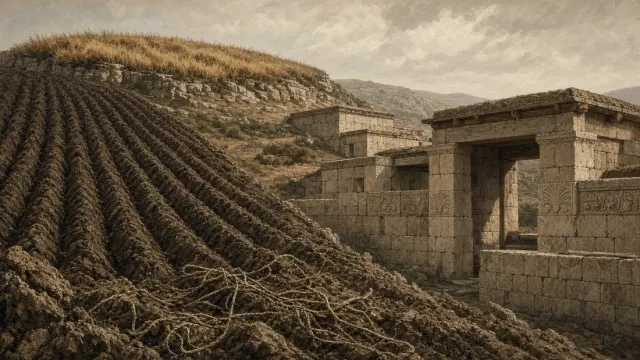
Their earliest days already held oppression, and the people are called to recall how often it came. They repeat the claim, then add that the attackers did not win in the end. The pain is pictured as ploughs cutting long furrows across a back. This is a severe image of inflicted suffering, not a minor setback. Yet the Lord is right and has cut the cords of the wicked. The account keeps both facts: the wounds were deep, and the forces making them did not gain an unbroken hold.
In everyday life
A survivor-support volunteer helps a client place years of official notices into a box after a long abusive arrangement ends. The papers show how often control was imposed. She does not ask him to pretend those years left no marks. The open door now gives him a next step. The psalm speaks for a people's suffering and God's release.
Notice
Psalms 129:2 Repeated affliction is followed by the claim that the attackers did not prevail. Survival does not erase the harm; it denies that harm the final outcome.
Psalms 129:1-4
King James Version1Many a time have they afflicted me from my youth, may Israel now say:
2Many a time have they afflicted me from my youth: yet they have not prevailed against me.
3The plowers plowed upon my back: they made long their furrows.
4The LORD is righteous: he hath cut asunder the cords of the wicked.
Psalms 129:5-8
Hatred Is Asked to Wither Before Harvest
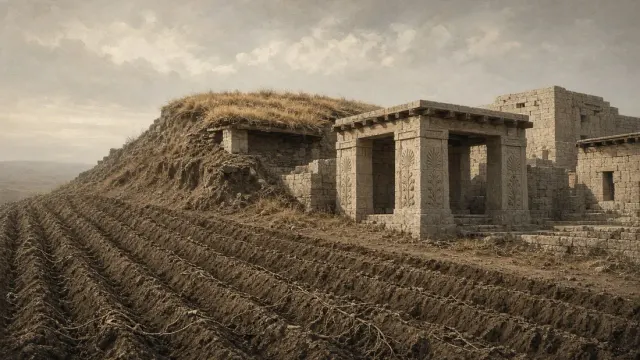
Shame and retreat are sought for everyone who hates the holy city. Such people are compared to grass on a rooftop, where thin soil gives little room for roots. It dries out before anyone gathers a crop. No mower fills a hand, and no bundle is carried home. Nor do passers-by speak the usual blessing over a fruitful harvest. The wish is that hostile plans fail before yielding gain. The poem ends by withholding the picture of success and blessing from those who seek the people's ruin.
In everyday life
A rooftop gardener lifts a tray where shallow roots have dried in the heat. There is nothing to cut for the food box, so she leaves the harvest basket empty. A quick green start has not become a crop. She sets the brittle stems aside. The psalm uses failed growth as a prayer against those who hate Zion.
Notice
Psalms 129:7 The empty hands of mower and gatherer make the failure concrete. The enemies are wished growth that never becomes a usable harvest.
Psalms 129:5-8
King James Version5Let them all be confounded and turned back that hate Zion.
6Let them be as the grass upon the housetops, which withereth afore it groweth up:
7Wherewith the mower filleth not his hand; nor he that bindeth sheaves his bosom.
8Neither do they which go by say, The blessing of the LORD be upon you: we bless you in the name of the LORD.
Details worth noticing
The opening image
Psalms 129:1 begins with “Many a time have they afflicted me from my youth, may Israel now say:”
Where the chapter turns
Psalms 129:4 forms a natural hinge: “The LORD is righteous: he hath cut asunder the cords of the wicked.”
The final note
Psalms 129:8 leaves the reader with “Neither do they which go by say, The blessing of the LORD be upon you: we bless you in the name of the LORD.”
A word trail through the chapter
The words LORD, afflicted, back, time, youth, afore help reveal the chapter’s repeated concerns.
KJV words made clear
- asunder
- Apart or into separate pieces, especially by cutting or breaking.
- afore
- Before, in this older form of the word.
Music and video connected to the passage
Related media appears when its Scripture reference overlaps this study. Music and video can illuminate a theme while the biblical text remains the foundation.