
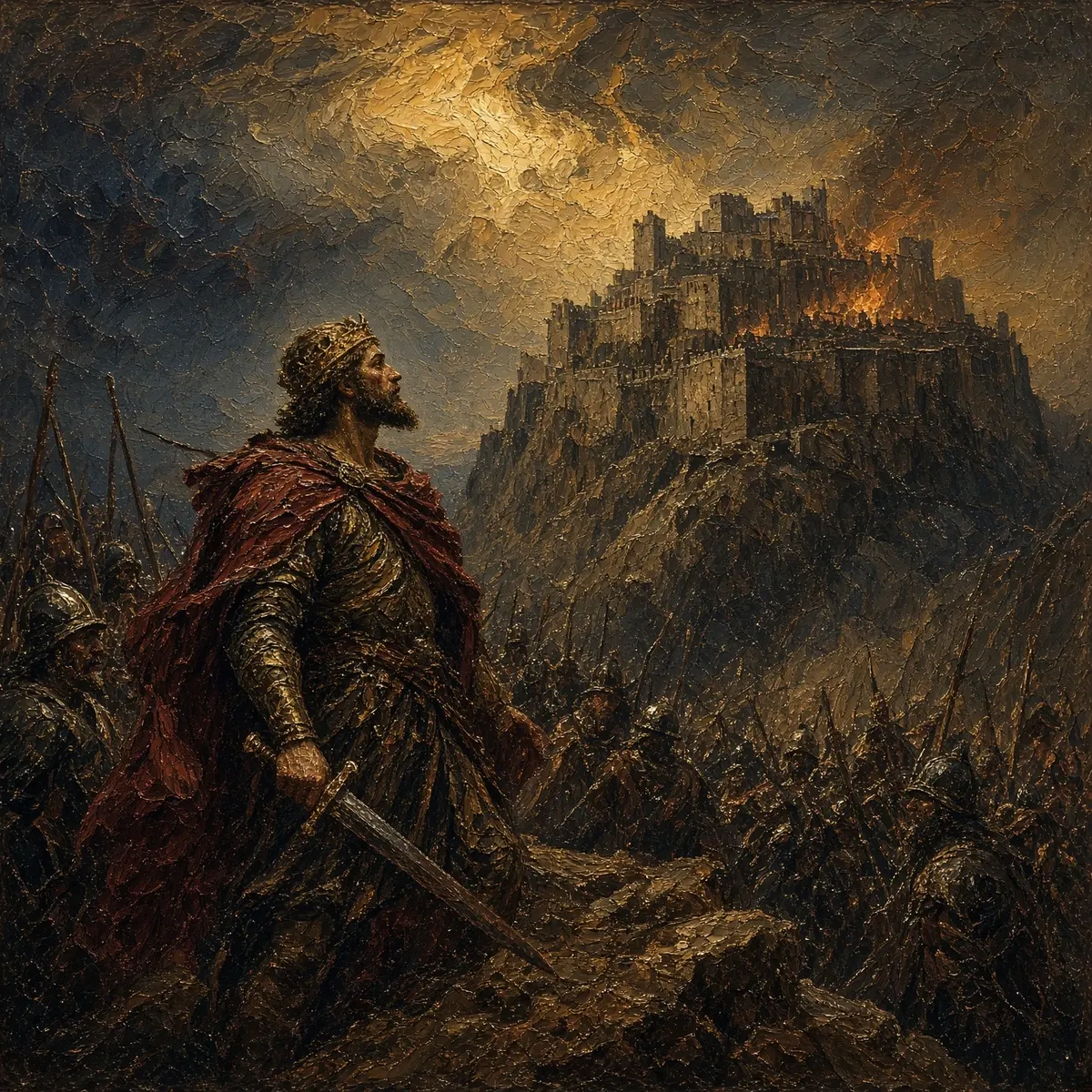

2 Samuel 5:6-9
Except thou take away the blind and the lame
The taunt is recorded in full, and so is the answer. He dwelt in the fort and called it the city of David.
Verse by verse
- 5:6
The claim that David cannot enter belongs to the Jebusites. The following nevertheless explicitly overturns their confidence.
- 5:7
Zion here is the stronghold identified with the city of David. Its later, wider use should not be read back as though the verse named the whole future temple complex.
- 5:8
Gutter translates the rare Hebrew tsinnor, associated with a conduit or watercourse. Its exact identification in this difficult verse is disputed; no named archaeological shaft is specified.
- 5:9
David takes up residence and builds after the capture. The passage describes occupation and development of an existing fortified place, not the founding of Jerusalem from nothing.

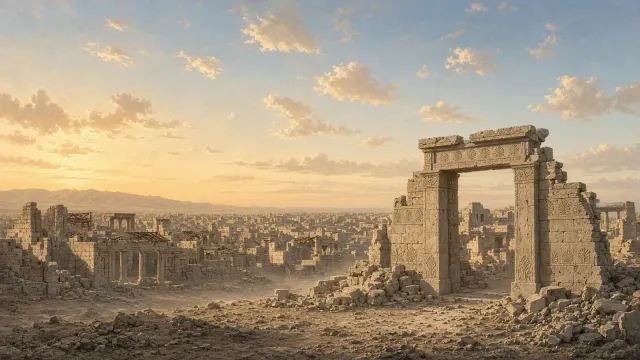
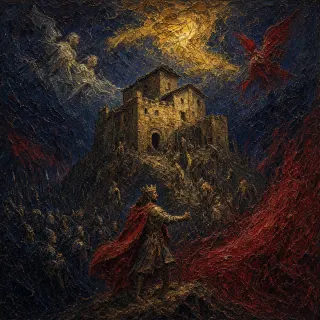




Nevertheless is a remarkably economical answer to a fortress boasting that David cannot enter it. The defenders' taunt receives one sentence of confidence; the capture receives one sentence that disposes of it. The stronghold has mistaken its position for a guarantee.
Jerusalem is not David's first capital. Verse 5 has already given him seven years and six months at Hebron before his reign over all Israel and Judah from Jerusalem. The new name, city of David, marks a change of possession and royal residence. It does not mean he founded an empty settlement. There were inhabitants, defenses, and a name before his arrival.
The language about the blind and lame is difficult and harsh. Its immediate setting is the Jebusite taunt and David's response, not a detached statement about every disabled person. The same Book of Second Samuel later places Mephibosheth, lame in both feet, at David's table in Jerusalem in 9:13. That later detail does not make the words here gentle. It does prevent a careless generalization.