
The big picture
The Lord reigns above all peoples, yet he is known in Zion, Jerusalem's holy hill. Jacob, Israel's ancestor, names the people among whom he works justice. The song repeatedly calls him holy. Moses and Aaron, leaders in the people's early history, and Samuel, a later leader who prayed for them, supply examples of people calling and receiving answers. Forgiveness and correction stand together in those remembered dealings, giving the worship its serious depth.
In this chapter
- The Holy Throne Calls for Awe Psalms 99:1-3
God's announced reign calls peoples to tremble and earth to shake.
- Royal Strength Loves Fair Judgement Psalms 99:4-5
The king's strength is described as loving justice.
- Earlier Prayers Met Mercy and Correction Psalms 99:6-9
Remembered leaders called on the Lord and received answers.
Central truth
The holy Lord rules with fairness and answers his people's prayers, forgiving them while still confronting their wrongdoing.


Scripture beside the summary
Psalms · King James Version · 9Psalms 99:1-3
The Holy Throne Calls for Awe
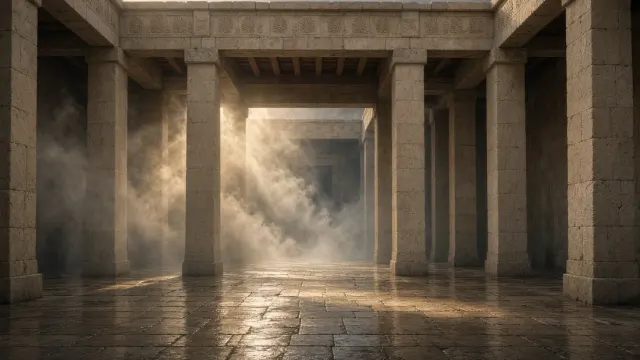
God's announced reign calls peoples to tremble and earth to shake. He is pictured enthroned among heavenly beings, great in his holy city and exalted above every people. The singers ask that his great and fearsome name be praised because it is holy. The response is more than admiration for impressive power. Holiness names a divine character set apart from ordinary claims to rule. The opening therefore joins exaltation with reverence, presenting the ruler of all peoples as one before whom worshippers cannot remain careless.
In everyday life
A conservation trainee enters a sealed archive with rare records in her hands. She slows down, follows the handling rules, and gives the objects the attention their place requires. The room's purpose changes how she acts within it. Respect is more than saying the collection is impressive. The psalm's holy king is living God, not a protected collection.
Notice
Psalms 99:3 Holiness is the reason given for praise of the great name. The song does not separate God's exalted rank from the character worshippers must revere.
Psalms 99:1-3
King James Version1The LORD reigneth; let the people tremble: he sitteth between the cherubims; let the earth be moved.
2The LORD is great in Zion; and he is high above all the people.
3Let them praise thy great and terrible name; for it is holy.
Psalms 99:4-5
Royal Strength Loves Fair Judgement
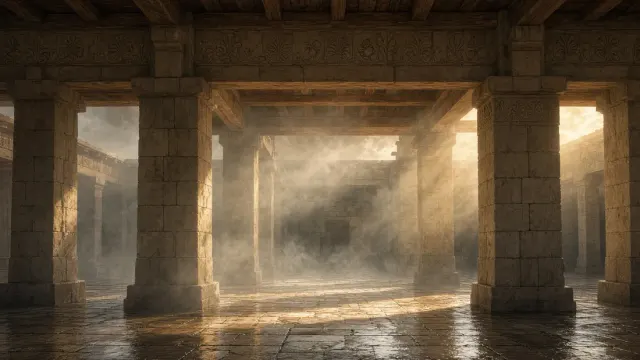
The king's strength is described as loving justice. God makes fairness firm and carries out right judgement among his people. The call to lift him high then brings worshippers low, bowing at his footstool. Holiness returns as the reason. These short verses explain what makes the throne worthy of reverence: strength serves what is right. The people are not asked to honour power merely because it can overpower them. Their praise responds to the fair rule of the one whose presence they approach humbly.
In everyday life
A school head uses her authority to reopen an appeal that a quiet pupil was not allowed to present. She asks the louder adults to wait and gives the pupil time to speak. Strength in the room is used to secure a fair hearing. Those present see authority through its action. The psalm names God as the holy ruler who loves justice.
Notice
Psalms 99:4 Strength is said to love judgement. The verse makes justice part of royal character, rather than a limit reluctantly placed upon the ruler's power.
Psalms 99:4-5
King James Version4The king’s strength also loveth judgment; thou dost establish equity, thou executest judgment and righteousness in Jacob.
5Exalt ye the LORD our God, and worship at his footstool; for he is holy.
Psalms 99:6-9
Earlier Prayers Met Mercy and Correction
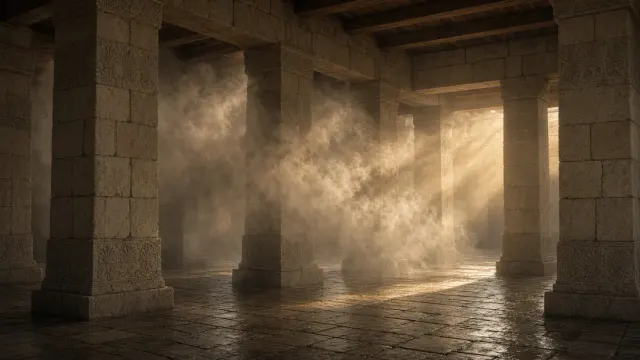
Remembered leaders called on the Lord and received answers. He spoke in the cloud associated with his presence, and they kept his instructions. The singers name him as a forgiving God who nevertheless answered wrongdoing with punishment. These two claims are not treated as opposites. Mercy did not make evil harmless, and correction did not mean prayer could never be heard. The final call returns to worship at the holy hill because the Lord is holy. Past dealings give the present gathering reasons for both confidence and reverence.
In everyday life
A workshop mentor receives a worker back after a serious breach and restores the path to training. She also keeps the agreed consequence in place and explains why. The worker can ask questions without pretending the wrong did not occur. Welcome and correction belong to the same relationship. The psalm recalls God's answers to the prayers of his people's leaders.
Notice
Psalms 99:8 Forgiveness and punishment are named together. The verse refuses both the idea that mercy ignores wrong and the idea that correction leaves no room for pardon.
Psalms 99:6-9
King James Version6Moses and Aaron among his priests, and Samuel among them that call upon his name; they called upon the LORD, and he answered them.
7He spake unto them in the cloudy pillar: they kept his testimonies, and the ordinance that he gave them.
8Thou answeredst them, O LORD our God: thou wast a God that forgavest them, though thou tookest vengeance of their inventions.
9Exalt the LORD our God, and worship at his holy hill; for the LORD our God is holy.
Details worth noticing
The opening image
Psalms 99:1 begins with “The LORD reigneth; let the people tremble: he sitteth between the cherubims; let the earth be moved.”
Where the chapter turns
Psalms 99:5 forms a natural hinge: “Exalt ye the LORD our God, and worship at his footstool; for he is holy.”
The final note
Psalms 99:9 leaves the reader with “Exalt the LORD our God, and worship at his holy hill; for the LORD our God is holy.”
A word trail through the chapter
The words LORD, holy, Exalt, judgment, name, people help reveal the chapter’s repeated concerns.
KJV words made clear
- cherubims
- Heavenly beings associated with the throne and presence of God.
- ordinance
- A rule or instruction given with authority.
Music and video connected to the passage
Related media appears when its Scripture reference overlaps this study. Music and video can illuminate a theme while the biblical text remains the foundation.