


Back to all lyrics
Artwork for We Asked No Counsel (Official)

Joshua 8:30-9:27

We Asked No Counsel (Official)

Lyrics · Joshua

We Asked No Counsel (Official)

Joshua 8:30-9:27

Lyrics
About this song

About this song

This song belongs to the Joshua collection. One recording is available to play here, with the complete lyrics below.

Bible book
Joshua
Collection
Joshua
Musical styles
Pop
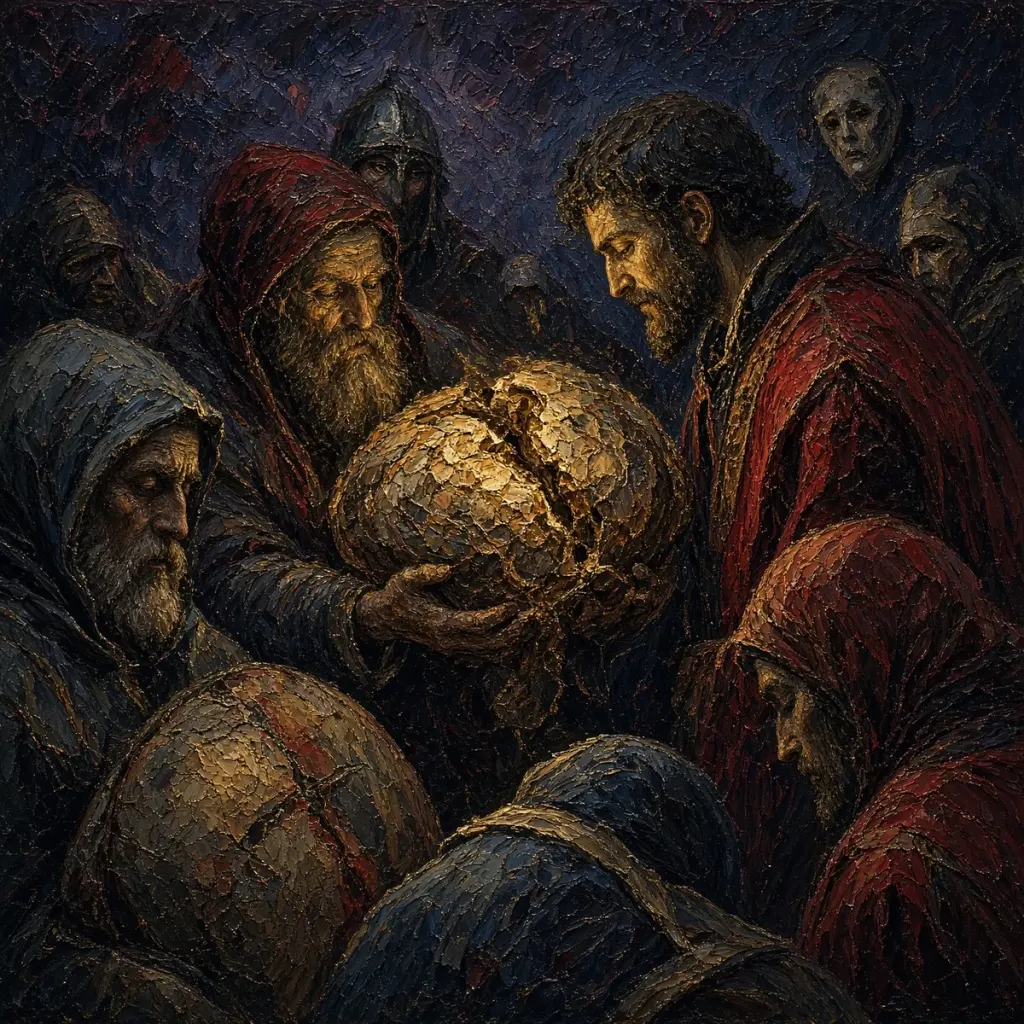
[Intro] Old bread. Old wine. Old shoes. Old lies. [Verse 1] Up on Mount Ebal we raised it, whole stones that no iron had cut. Joshua wrote out the Law on the stones and read every line of it out. Half of us stood on Gerizim, half of us under the hill, the women, the children, the strangers, and the whole valley listening, still. [Verse 2] Then men came in to Gilgal with patches all over their shoes, their wineskins split and tied up, their bread gone dry and blue. They said, we come from a country so far that the road wore us thin. This bread came warm from the oven. Now look at the mold on the skin. [Pre-Chorus] And Joshua listened. The princes turned the dry crust in their hands. Nobody went to the LORD with it. Nobody asked Him His plans. [Chorus] We asked no counsel, we asked no one, we broke their bread in the Gilgal sun. We looked at the mold and we trusted our eyes. We swore by the LORD to a pack of lies. We asked no counsel, and the deed was done. [Verse 3] Three days, and the truth came walking. Their towns were a short march away. The whole camp muttered against us. We said, we swore it. They stay. Joshua called them and asked them why. They said, we were afraid for our lives. We heard what your God said of this country, and fear makes a man tell lies. [Chorus] We asked no counsel, we asked no one, we broke their bread in the Gilgal sun. We looked at the mold and we trusted our eyes. We swore by the LORD to a pack of lies. We asked no counsel, and the deed was done. [Bridge] So they live, and they carry the water. So they live, and they cut the wood for the house of our God and the altar. We kept it. We kept it. We said that we would. [Final Chorus] We asked no counsel, we asked no one, we broke their bread in the Gilgal sun. We looked at the mold and we trusted our eyes. We swore by the LORD to a pack of lies. We asked no counsel, and the deed was done. Old bread, old shoes, and a word that stood. [Outro] Old bread. Old shoes. A promise kept.

Named in this songMount EbalJoshuaGilgal

About the passage

Joshua 8: Ai is taken, then the law is heard

After Achan's judgment, God tells Joshua not to fear and sends Israel back against Ai with new instructions. This time livestock and spoil may be kept, making the contrast with Jericho unmistakable. The battle plan also changes completely. An ambush and feigned retreat use Ai's memory of Israel's earlier defeat against it, drawing the defenders away until smoke from the captured city reveals the trap. The destruction that follows is severe, but the handling of spoil and the removal of the king's body at sunset remain under specific commands. Then the chapter shifts abruptly from battle to covenant ceremony. At Mount Ebal, Joshua builds an altar of unworked stones, writes the law, and reads blessings and curses before the entire assembly. Leaders, women, children, and resident foreigners all stand within its hearing. Ai is taken, but the chapter's final image is not smoke. It is a whole people listening to the law that governs their inheritance.

Study Joshua 8 in depth

Joshua 9: The treaty survives the disguise

Gibeon responds to Israel's victories with a deception built out of worn-out objects. Old sacks, patched wineskins, old shoes, old garments, and dry bread make nearby people look like travelers from far away. Israel suspects the right problem and asks sensible questions, but the leaders accept the staged evidence without seeking counsel from the LORD. Joshua makes peace, and the princes swear an oath to let the visitors live. Three days later, geography exposes the fraud. The congregation is angry, yet the leaders refuse to solve their mistake by breaking a promise sworn in God's name. Gibeon survives, but under compulsory service as woodcutters and water carriers for the congregation and the altar. The chapter never calls the deception harmless, and it never treats the oath as disposable. Israel must now live with a covenant it entered carelessly, while the Gibeonites live under the burden that came with the survival they sought.

Study Joshua 9 in depth