New · FreePlay The Witnesses The in-depth puzzle battle quest through Bible history

Objects of the Bible

The silver cup of Joseph

Planted in the youngest brother’s sack to find out whether the others had changed.

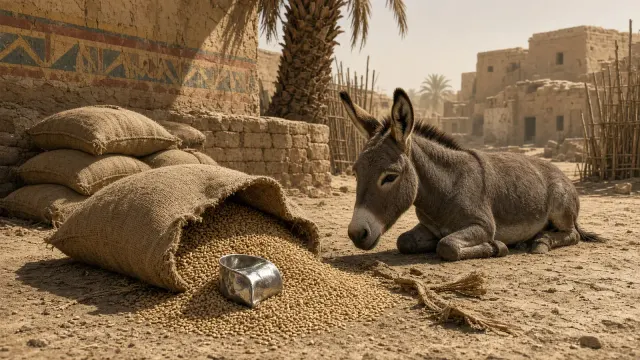
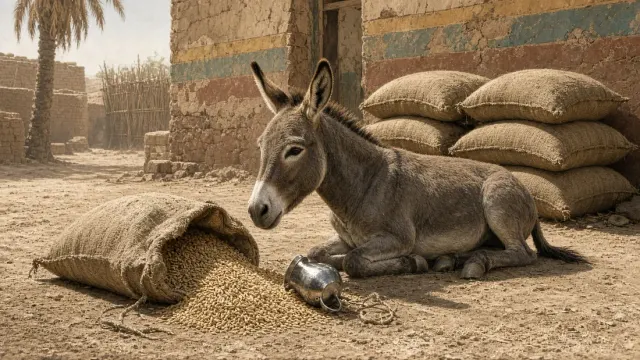
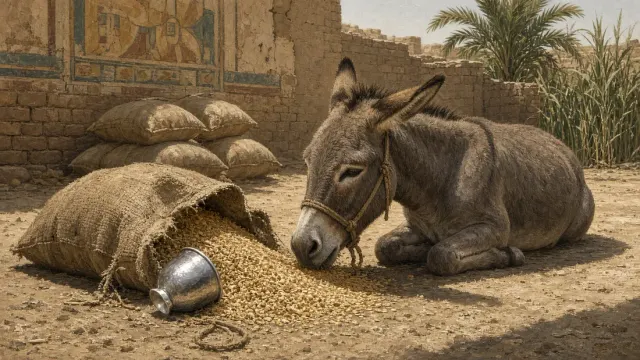
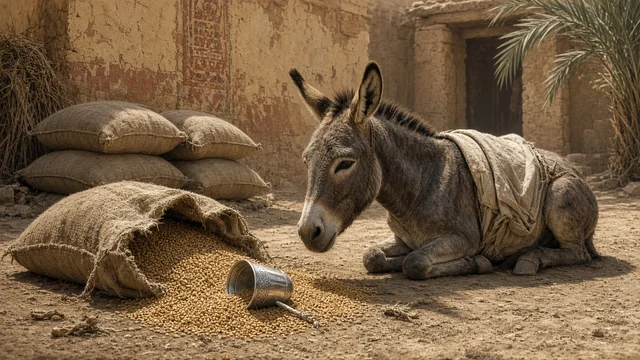
The cup is the last of the tests and the only one that is openly dishonest. Joseph tells the steward to fill the sacks with food as much as they can carry, put every man’s money in his sack’s mouth, and put my cup, the silver cup, in the sack’s mouth of the youngest. Then he sends them away and sends the steward after them with a speech already written. It is a trap built to produce one specific situation: Rachel’s other son accused, and the ten who sold Rachel’s first son free to walk away.

Where it appearsGenesis 44

Scroll down to the account
The silver cup of Joseph

The movements, in the order the text gives them.

The Account of The silver cup of Joseph

  1. 01

    Genesis 44:1-2

    Put my cup in the sack’s mouth of the youngest

    The instruction is given in detail and includes returning every man’s money as well, so the accusation will look like ingratitude on top of theft.

    The theft has not happened, but the evidence is already being packed. The Book of Genesis gives the instructions before the accusation, so Benjamin's innocence is not a mystery to be solved. Joseph and the steward know where the cup will be found. The brothers do not. This is a test conducted through unequal knowledge, not a successful investigation into a missing household object.

    Food fills every sack, money returns to every man, and one additional piece of silver singles out the youngest. Benjamin has just received conspicuous favor at the meal in Genesis 43:34. Now that same brother is placed in danger while the others will be offered release. The arrangement reproduces the old family fault line: a favored son of Rachel can be abandoned, and his brothers can return to their father without him. Joseph's precise motives are not narrated here. The structure, however, is visible. The cup creates a circumstance in which their conduct toward one brother can no longer remain a claim.

    Verse by verse

    1. 44:1

      The food is supplied generously, up to what the men can carry. The planted evidence accompanies real provision.

    2. 44:2

      The steward acts on Joseph's explicit instruction. Finding the cup in Benjamin's sack cannot establish that Benjamin stole it.

    Genesis 44:1-2

    King James Version · 2 verses

    44:1And he commanded the steward of his house, saying, Fill the men’s sacks with food, as much as they can carry, and put every man’s money in his sack’s mouth.

    44:2And put my cup, the silver cup, in the sack’s mouth of the youngest, and his corn money. And he did according to the word that Joseph had spoken.

    Genesis 44:1-2: Put my cup in the sack’s mouth of the youngest
  2. 02

    Genesis 44:9-12

    He searched, and began at the eldest

    They offer the death penalty for whoever has it, so certain are they. The search runs in order down to the last sack, which is the point of running it in order.

    The steward declines the death sentence the brothers have volunteered. That change matters. Their oath threatens the possessor with death and everyone else with slavery; his terms isolate the possessor as a slave and release the rest. The resulting choice is not simply whether they can prove innocence. It is whether the unaccused brothers will accept freedom at Benjamin's expense.

    The search proceeds from eldest to youngest, a wonderfully orderly investigation by the man who already knows the answer. Its order delays the discovery while giving the process an appearance of impartiality. The brothers open their sacks quickly because they know they did not steal the cup. Their certainty is honest, but incomplete: innocence cannot tell them what has been planted. When the cup appears in Benjamin's sack, the evidence contradicts what they know of their own conduct. The Book of Genesis keeps those two facts together. An object can be genuinely found in someone's possession and still prove absolutely nothing about how it arrived there.

    Verse by verse

    1. 44:9-10

      The steward does not enforce the brothers' proposed penalty. He substitutes slavery for the possessor and freedom for everyone else.

    2. 44:12

      The search is performed by the steward who placed the cup. Its result is planned, not divined.

    Genesis 44:9-12

    King James Version · 4 verses

    44:9With whomsoever of thy servants it be found, both let him die, and we also will be my lord’s bondmen.

    44:10And he said, Now also let it be according unto your words: he with whom it is found shall be my servant; and ye shall be blameless.

    44:11Then they speedily took down every man his sack to the ground, and opened every man his sack.

    44:12And he searched, and began at the eldest, and left at the youngest: and the cup was found in Benjamin’s sack.

    Genesis 44:9-12: He searched, and began at the eldest
  3. 03

    Genesis 44:13

    They rent their clothes

    Nobody rides on. The whole company turns around and goes back for a brother, which is the exact thing they did not do for the last one.

    Every man loads his animal again. That ordinary piece of work carries the decision: they are all going back. The steward has already declared the others blameless, yet the brothers do not separate themselves from Benjamin and take the road home. The verse contains no speech about loyalty. It gives torn clothes, reloaded animals, and a shared return. Their feet answer before Judah's words do.

    The clothing also recalls Genesis 37. There, Joseph lost his coat, Reuben tore his clothes when the pit was empty, and Jacob tore his when he believed his son dead. Here the grief is collective. The brothers who once returned without a son of Rachel now return with the endangered son of Rachel. This does not erase their earlier deed or prove that every hidden resentment has vanished. It records something concrete enough to matter: under circumstances that permit abandonment, they refuse to leave one brother behind. The caravan turns around. Nobody goes home alone.

    Verse by verse

    1. 44:13

      They rent their clothes describes the group, not Benjamin alone. All the brothers share the outward expression of distress.

    2. 44:13

      Returned to the city follows the offer of release in verse 10. The text does not say the whole group was forced back.

    Genesis 44:13

    King James Version · 1 verse

    44:13Then they rent their clothes, and laded every man his ass, and returned to the city.

    Genesis 44:13: They rent their clothes
  4. 04

    Genesis 44:18-34

    Judah came near unto him

    The longest speech in the book is made by the man who once said what profit is it if we slay our brother. It ends with an offer to be the slave instead.

    Judah asks to speak a word and delivers an appeal built almost entirely around an absent man. The father is not in the room, yet his life becomes the central issue. The cup itself nearly disappears. Judah does not offer a clever explanation for the silver or accuse the steward of planting it. He describes what losing Benjamin will do to Jacob, then places himself between that loss and its consequences.

    The account includes Jacob's painful phrase, my wife bare me two sons. Judah is not one of those two. He is repeating, without stopping to contest it, the father's special attachment to Rachel's children. In Genesis 37, that unequal affection helped define the family conflict. Here Judah makes the father's attachment a reason to preserve Benjamin rather than a reason to abandon him. The difference is not that the family has become perfectly fair. Judah's response to its unfairness has changed.

    Instead of the lad is the decisive phrase. The man who proposed selling Joseph in Genesis 37:26-27 now offers to remain in slavery so Joseph's brother can leave. His earlier guarantee in Genesis 43:9 acquires a bodily cost. This is not a general announcement that Judah has become a better man; it is an offer with a named substitute and a specific consequence. The speech ends with the father again. Judah is no longer calculating what a brother's removal might earn. He is offering what keeping a brother will cost.

    Verse by verse

    1. 44:20

      His brother is dead reports the family's stated understanding, not the Book of Genesis confirming Joseph's death.

    2. 44:27-28

      Judah quotes Jacob's words about Rachel's two sons and the supposed animal attack. The quotation preserves Jacob's mistaken belief.

    3. 44:32

      Became surety refers back to Judah's personal guarantee in Genesis 43:9.

    4. 44:33

      Instead of the lad makes the proposal explicitly substitutionary: Judah will remain, and Benjamin will return.

    Genesis 44:18-34

    King James Version · 17 verses

    44:18Then Judah came near unto him, and said, Oh my lord, let thy servant, I pray thee, speak a word in my lord’s ears, and let not thine anger burn against thy servant: for thou art even as Pharaoh.

    44:19My lord asked his servants, saying, Have ye a father, or a brother?

    44:20And we said unto my lord, We have a father, an old man, and a child of his old age, a little one; and his brother is dead, and he alone is left of his mother, and his father loveth him.

    44:21And thou saidst unto thy servants, Bring him down unto me, that I may set mine eyes upon him.

    44:22And we said unto my lord, The lad cannot leave his father: for if he should leave his father, his father would die.

    44:23And thou saidst unto thy servants, Except your youngest brother come down with you, ye shall see my face no more.

    44:24And it came to pass when we came up unto thy servant my father, we told him the words of my lord.

    44:25And our father said, Go again, and buy us a little food.

    44:26And we said, We cannot go down: if our youngest brother be with us, then will we go down: for we may not see the man’s face, except our youngest brother be with us.

    44:27And thy servant my father said unto us, Ye know that my wife bare me two sons:

    44:28And the one went out from me, and I said, Surely he is torn in pieces; and I saw him not since:

    44:29And if ye take this also from me, and mischief befall him, ye shall bring down my gray hairs with sorrow to the grave.

    44:30Now therefore when I come to thy servant my father, and the lad be not with us; seeing that his life is bound up in the lad’s life;

    44:31It shall come to pass, when he seeth that the lad is not with us, that he will die: and thy servants shall bring down the gray hairs of thy servant our father with sorrow to the grave.

    44:32For thy servant became surety for the lad unto my father, saying, If I bring him not unto thee, then I shall bear the blame to my father for ever.

    44:33Now therefore, I pray thee, let thy servant abide instead of the lad a bondman to my lord; and let the lad go up with his brethren.

    44:34For how shall I go up to my father, and the lad be not with me? lest peradventure I see the evil that shall come on my father.


  5. 05

    Genesis 45:1-4

    Joseph could not refrain himself

    The test ends because the tester cannot finish it. He clears the room and says I am Joseph, and the cup is never mentioned again.

    The room is cleared, but the weeping cannot be kept inside it. Joseph controls who witnesses the disclosure; he cannot make it quiet. That contrast suits the moment. The official who has managed questions, meals, sacks, and searches finally names himself, and the carefully maintained distance collapses in three words: I am Joseph.

    His brothers cannot answer. The text supplies the reason, their alarm at his presence, so there is no need to invent a polished sequence of guilt, relief, or instant understanding. Joseph then draws them nearer and names the relationship and the offense together: your brother, whom ye sold into Egypt. Reconciliation does not begin by pretending the sale never happened. The following verses interpret his arrival through God's preservation of life, but this sentence still assigns the sale to the men who carried it out. The cup has accomplished no magical revelation. A brother's offer has been followed by another brother's disclosure. The most consequential thing uncovered is not silver. It is Joseph himself.

    Verse by verse

    1. 45:1

      There stood no man with him means no outside attendant remained during the disclosure; Joseph's brothers are expressly present.

    2. 45:4

      Whom ye sold into Egypt preserves human responsibility even before Joseph speaks of divine preservation in verses 5-8.

    Genesis 45:1-4

    King James Version · 4 verses

    45:1Then Joseph could not refrain himself before all them that stood by him; and he cried, Cause every man to go out from me. And there stood no man with him, while Joseph made himself known unto his brethren.

    45:2And he wept aloud: and the Egyptians and the house of Pharaoh heard.

    45:3And Joseph said unto his brethren, I am Joseph; doth my father yet live? And his brethren could not answer him; for they were troubled at his presence.

    45:4And Joseph said unto his brethren, Come near to me, I pray you. And they came near. And he said, I am Joseph your brother, whom ye sold into Egypt.

    Genesis 45:1-4: Joseph could not refrain himself

Why it matters

They do not walk away. They rend their clothes, load their asses and go back to the city together, and Judah, the brother who proposed the sale twenty two years earlier, makes the longest speech in Genesis. He recounts the whole family history, names his father’s grief for the other son, and offers himself in the boy’s place: let thy servant abide instead of the lad a bondman to my lord, and let the lad go up with his brethren. The next chapter is Joseph unable to keep it up any longer.

The music

The music

Every song in the catalogue whose passage falls inside these chapters.

No song in the catalogue reaches these chapters yet.

Nearby

All the objects

Report an error on this page