


Judges 4:6-7
Has not the LORD commanded you
The summons is not new information. Deborah repeats an order already given, with the place, the number and the outcome all specified in advance.
Verse by verse
- 4:6
Kedeshnaphtali identifies Barak's home in Naphtali. Deborah's judgment site is separately located in Ephraim in 4:5.
- 4:6
The stated force consists of ten thousand men drawn from Naphtali and Zebulun, not a levy explicitly assigned to every tribe.
- 4:7
Mashak, to draw, repeats the verb used in the instruction to Barak. The repetition places the opposing movements under the same announced purpose.

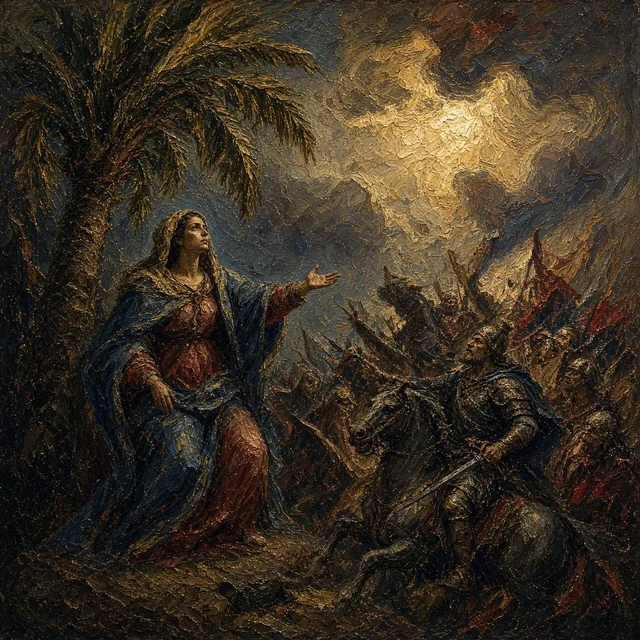
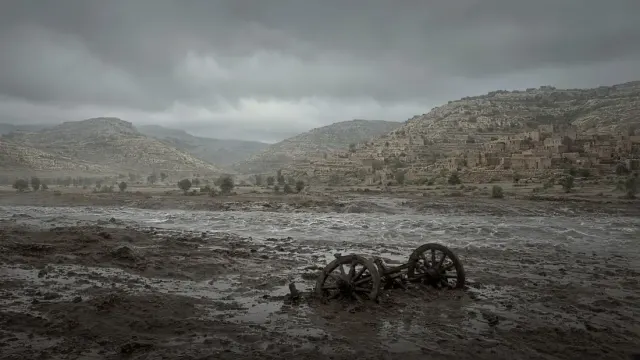

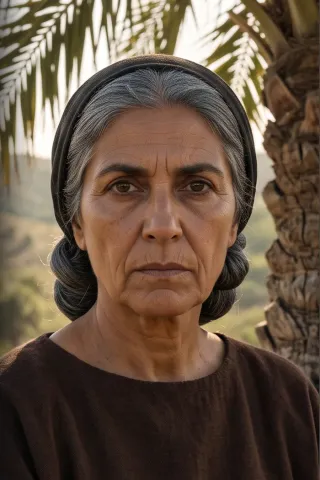


The command does not tell Barak to find a war. It names the force he must gather, the mountain he must approach, the river where the enemy will be drawn, and the commander he will face. The precision matters. This is not a general encouragement to be brave, with the practical difficulties left for Barak to discover. Sisera's chariots are mentioned inside the promise itself.
Two movements run alongside each other. Barak must draw toward Tabor; the LORD will draw Sisera toward the Kishon. The repeated Hebrew verb ties the military order to the divine undertaking. Barak has something definite to do, but he is not being asked to control both armies. Even the enemy's approach belongs to the announced plan. The summons gives him responsibility without pretending that the whole encounter rests on his ability to arrange it.