

1 Samuel 1:1-8
Year after year at the feast
A double portion from a husband who loves her, and a rival who provokes her until she weeps and will not eat. His comfort is sincere and lands badly.
Verse by verse
- 1:2
The text identifies Peninnah's children and Hannah's lack of children. It does not state which woman Elkanah married first.
- 1:5
Worthy portion renders a difficult Hebrew phrase often understood as a double portion. The clear explanation supplied by the verse is Elkanah's love for Hannah.
- 1:6
The LORD's closing of Hannah's womb is stated, but no sin of Hannah is given as its cause.
- 1:8
Ten sons is Elkanah's comparison, not a statement of how many sons Peninnah had. Hannah gives no recorded verbal reply to him here.
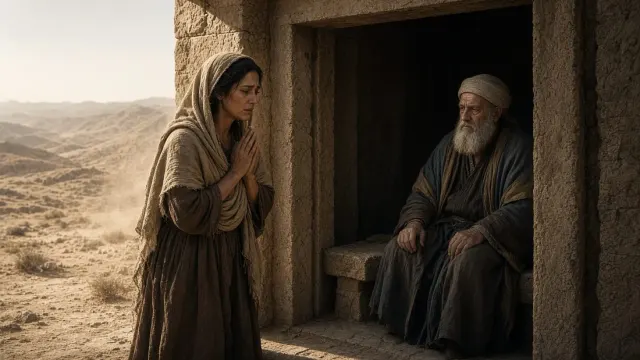
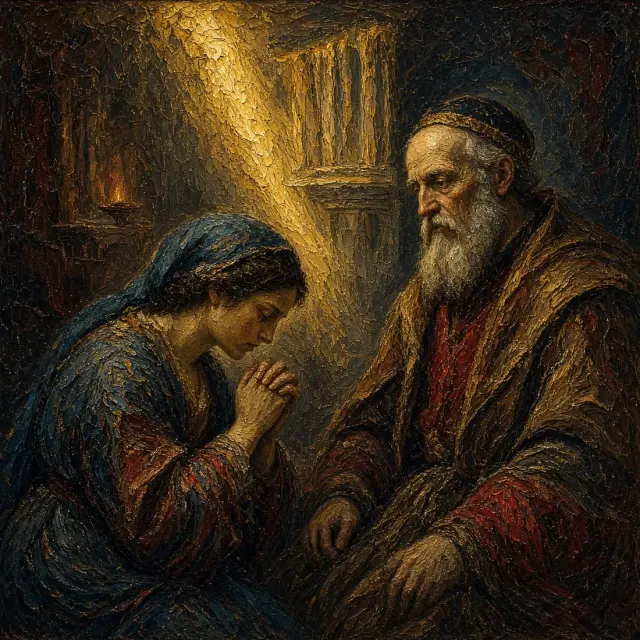
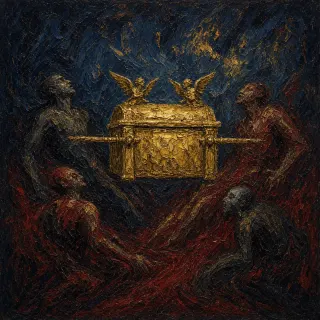
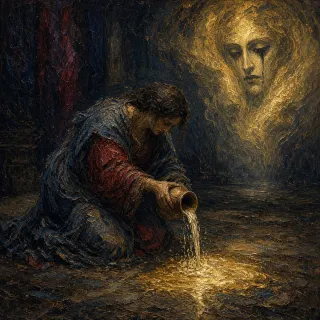
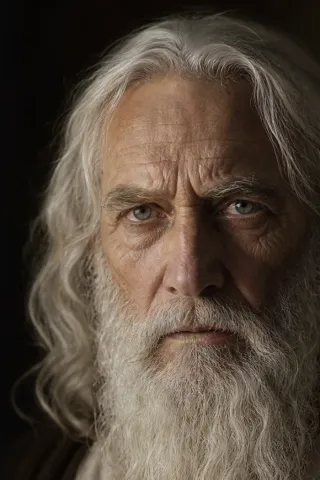
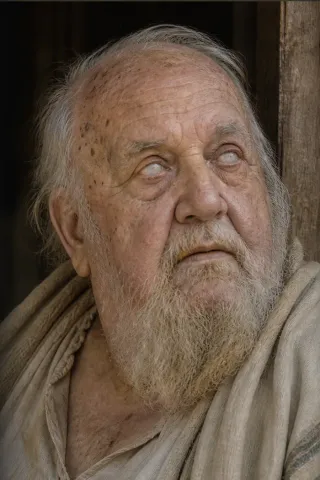
The meal has a way of counting everyone Hannah does not have. Portions go to Peninnah, to her sons, and to her daughters. Hannah receives special consideration from Elkanah, but affection cannot turn one place at the table into a household of children. The Book of First Samuel places his love and her barrenness in the same sentence. Neither cancels the other.
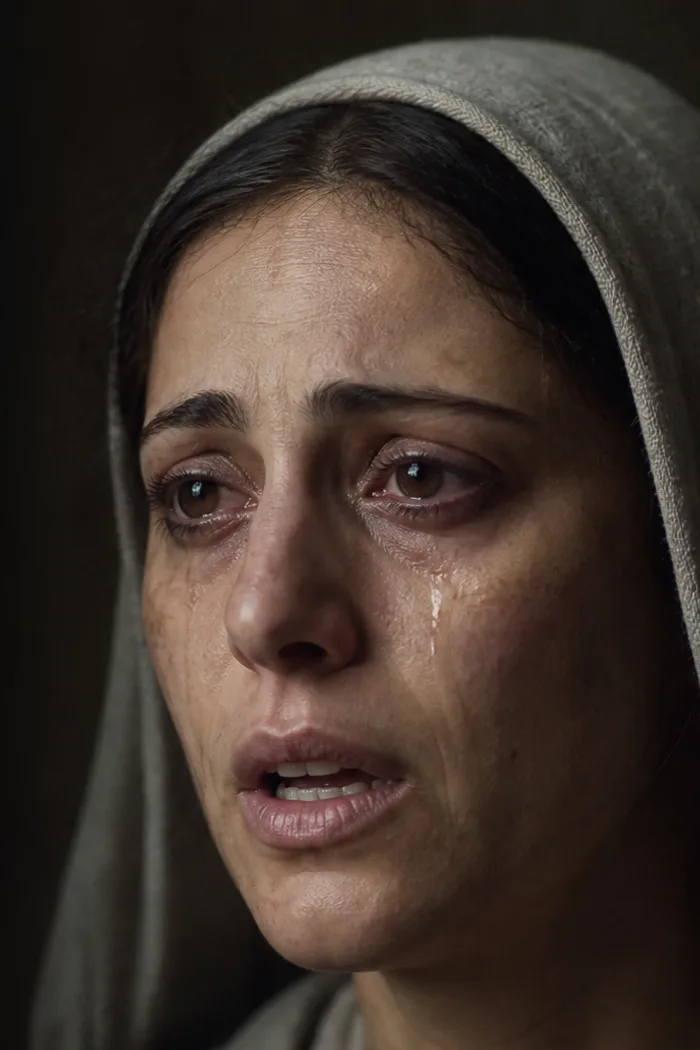
Year by year is the cruel rhythm. The pilgrimage returns, the offerings return, and Peninnah's provocation returns with them. Going to the house of the LORD does not suspend the rivalry; it supplies the setting in which Hannah is made to feel it again. Her tears and refusal to eat are stated plainly. The chapter does not need to invent a private speech to show what the feast has become for her.
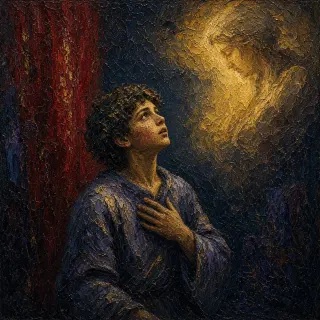
Elkanah's answer offers himself as better than ten sons. The arithmetic is generous. It still answers a different question from the one her grief is asking. His love is not denied, but neither is Hannah required to become content because he has announced its value. For now, her husband has the closing words. Hannah's sorrow remains unanswered.