
Amos
9 Chapters
Amos: The Whole Book, Chapter by Chapter
A Roar That Crosses National Borders
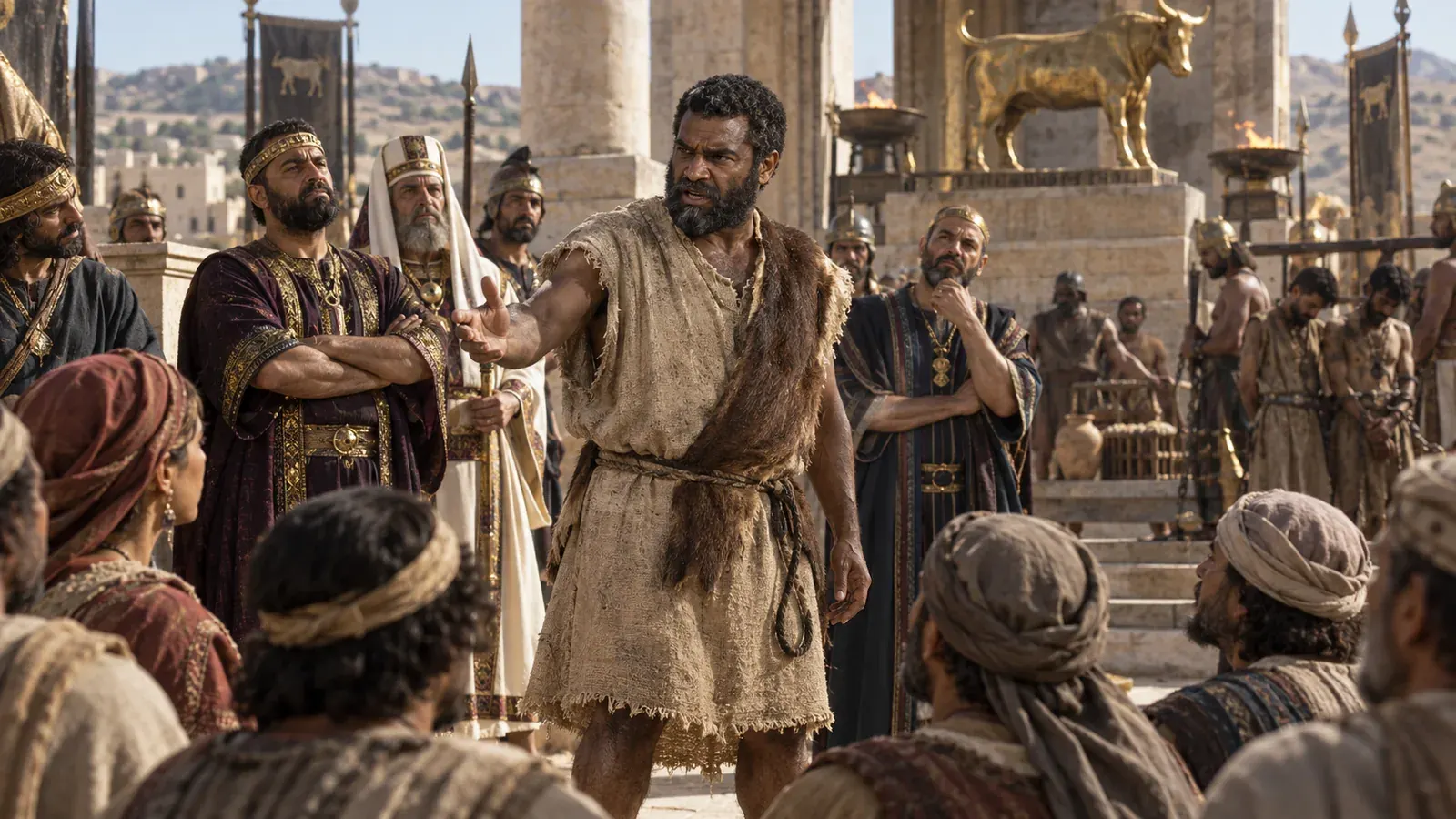
A roar from Zion opens the Book of Amos before any nation has been named, and its effects already reach shepherd country and Carmel. The chapter then turns outward through Damascus, Gaza, Tyre, Edom, and Ammon. Each oracle keeps the same accumulating rhythm while changing the offense under examination: Gilead treated like a threshing floor, whole captive populations delivered away, covenant obligations forgotten, brotherhood answered with relentless wrath, and pregnant women killed for the sake of a larger border. The repetition refuses to make any one people’s suffering disposable. Palaces, walls, rulers, and territorial gains all look solid until the accusation reaches them. Israel is still waiting outside the direct address, but the chapter has already established a dangerous principle: the LORD’s judgment crosses the borders that human power uses to organize responsibility.
One complete chapter pageOpen chapter →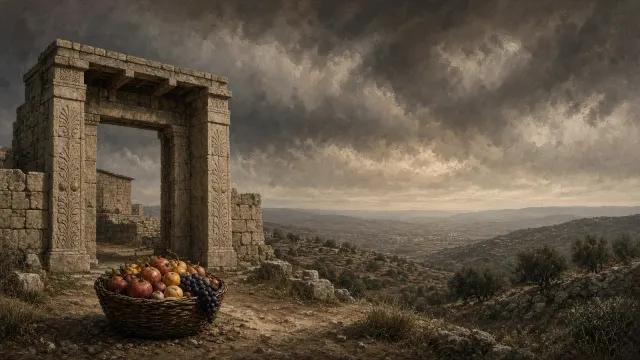
The Accusation Arrives at Israel's Own Door
The circle tightens. Moab is judged for violence against the dead, Judah receives the same repeated formula for despising the LORD’s law, and then the chapter settles on Israel with far more detail. The righteous and poor can be priced in silver and shoes, pledged garments become furniture beside altars, and religious comfort is built from condemned people’s losses. Against that conduct, the LORD recalls what Israel did not create for itself: the defeat of the Amorite, deliverance from Egypt, wilderness guidance, prophets, and Nazarites. Those gifts were answered by making Nazarites drink and ordering prophets not to speak. The final verses strip away every familiar military advantage. Speed, strength, bows, horses, and courage are all named and denied their usual result. Privilege and preparedness offer no exception to the accusation.
One complete chapter pageOpen chapter →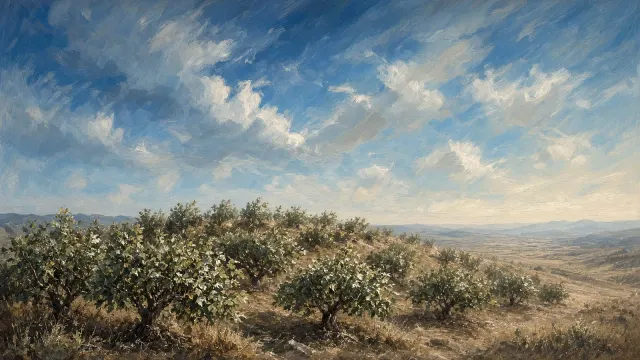
Known by God, and Therefore Answerable
The chapter takes Israel’s special relation with the LORD and turns the expected conclusion inside out. “You only have I known” does not lead to immunity but to “therefore I will punish you.” A chain of questions then explains Amos’s own speech: effects have causes, danger produces alarm, and once the LORD has spoken, the prophet cannot simply choose silence. Foreign palaces are summoned to inspect Samaria, where violence and robbery have been stored like treasure. The promised rescue is deliberately meager, like two legs or a piece of an ear pulled from a lion’s mouth, not a restored flock walking home. The close joins Bethel’s altars to winter houses, summer houses, ivory houses, and great houses. Worship and luxury occupy the same sentence because neither structure can stand outside the transgressions being examined.
One complete chapter pageOpen chapter →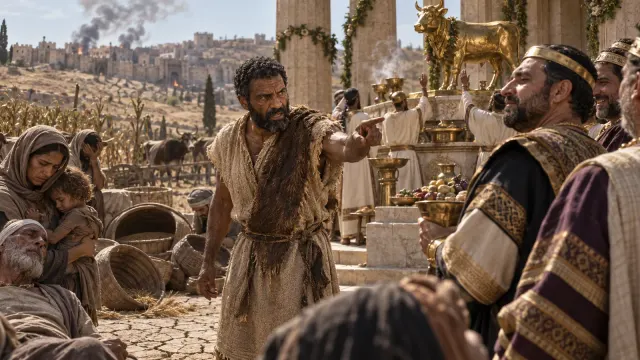
Five Warnings, and Still No Return
Amos begins with Samaria’s cultivated comfort and immediately names the poor people crushed beneath it. He then turns to Bethel and Gilgal with an invitation so sharp it becomes accusation: come, worship, and multiply transgression. Sacrifices, tithes, thanksgiving, and free offerings are plentiful, but the people’s enjoyment of the activity cannot make it acceptable. The center of the chapter is a fivefold record of famine, drought, crop destruction, pestilence, war, and overthrow. Each movement ends with the same line, “yet have ye not returned unto me.” The disasters change, the response does not. That repetition gives the final command its force. “Prepare to meet thy God” is not another festival announcement. It follows warnings already resisted and is backed by a description of the One who forms mountains, creates wind, changes light, and treads the earth’s heights.
One complete chapter pageOpen chapter →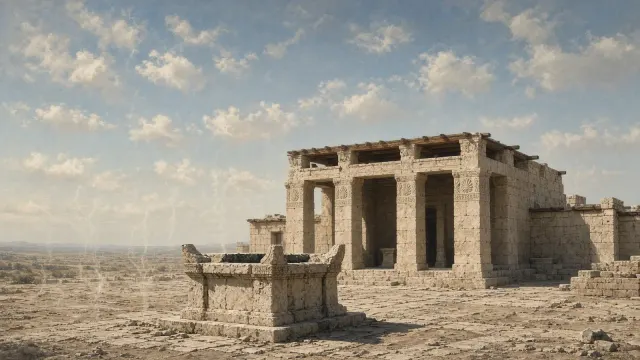
A Funeral Song Before the Feasting Has Ended
The Book of Amos turns chapter 5 into a funeral song while Israel’s ordinary life is still moving. The lament announces collapse, yet the chapter also repeats a narrow opening toward life: seek the LORD, seek good, establish judgment in the gate. That path is carefully distinguished from merely reaching Bethel, Gilgal, or Beersheba. Sacred destinations cannot substitute for justice where bribes are taken and the poor are denied their case. The expected day of the LORD is also overturned, becoming darkness rather than light, with one apparent refuge after another removed. Then worship itself comes under the same pressure. Feasts, offerings, songs, and instruments are rejected while judgment and righteousness are demanded like flowing water. The wilderness past supplies no automatic defense, and the chapter ends with captivity beyond Damascus rather than confidence in inherited religious forms.
One complete chapter pageOpen chapter →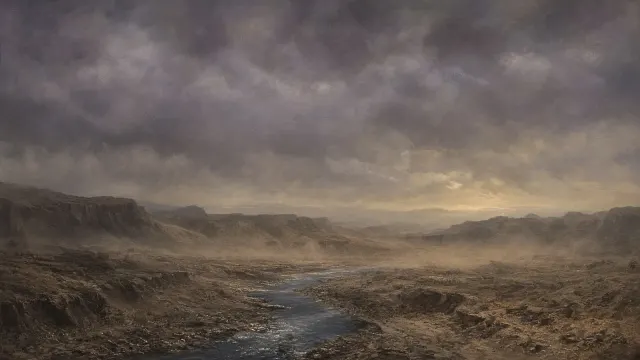
First in Comfort, First in Captivity
The chapter opens on people who have learned to place the dangerous day conveniently far away while keeping violence close at hand. Zion and Samaria are both addressed, and rank, territory, and public importance are tested against the fate of other kingdoms. The most memorable room in the chapter is the banquet: ivory beds, carefully chosen food, invented music, bowls of wine, and fine ointments, all paired with one absence, grief over Joseph’s affliction. Their claim to precedence is answered with a bitter reversal as they become first in captivity. The crowded house then empties into death and frightened silence, and both great and little houses are struck. Finally, Amos compares corrupted justice to farming on rock and poisonous fruit. Boasts about self-made strength cannot survive the nation the LORD says he will raise against Israel across the length of its land.
One complete chapter pageOpen chapter →
The Prophet Whose Words the Sanctuary Cannot Bear
Three visions establish the chapter’s movement before the conflict at Bethel makes it public. Locusts threaten the latter growth, then fire reaches even the great deep. In both scenes Amos pleads for small Jacob, and the announced calamity is withdrawn. The third vision breaks the pattern. A plumbline is set among Israel, the LORD says he will not pass by the people again, and sanctuaries and the house of Jeroboam are named for judgment. Amaziah responds not by answering the accusation but by treating Amos as a political threat and a professional nuisance who should earn his bread elsewhere. His defense of Bethel is revealing: it is the king’s chapel and court. Amos answers by locating his authority outside that institution. Herds, sycomore fruit, and the LORD’s command stand behind a commission that royal property cannot revoke.
One complete chapter pageOpen chapter →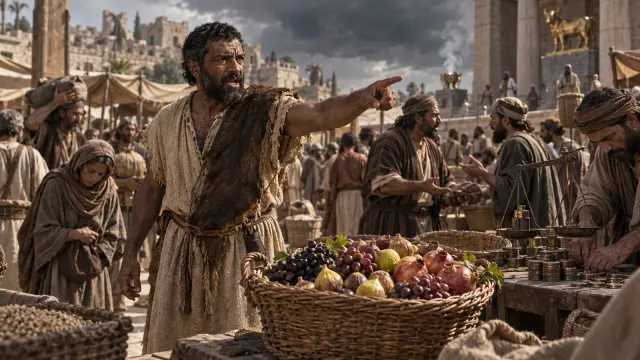
A Basket of Fruit, and the End It Announces
A basket of summer fruit becomes one of Amos’s simplest and most severe visions. The sound play between fruit and end cannot be carried into English, but the interpretation is explicit: the period of passing by Israel has reached its limit. The chapter then moves into ordinary commerce and finds the same refusal that worship has concealed elsewhere. Merchants observe the new moon and Sabbath while waiting impatiently to shrink the measure, enlarge the price, falsify the scales, and push the needy into sale. The LORD’s oath answers those particular works with a heaving land, darkness at noon, and feast songs turned into mourning. The last judgment is stranger still: a famine of hearing the LORD’s words. People run widely in search of the voice that prophets were earlier told to silence, while established religious oaths continue without recovering it.
One complete chapter pageOpen chapter →
The Judgment That Cannot Be Escaped, and the Planting That Remains
The final chapter begins by denying escape from the sanctuary itself. The Lord stands at the altar, the structure is struck, and every imagined route away from judgment is closed: depth, height, Carmel, sea, and even captivity remain within reach. A hymn-like description of the Creator reinforces that scale before Amos makes a crucial distinction. The sinful kingdom will be destroyed, but the house of Jacob will not be utterly destroyed. Israel is sifted rather than simply erased. From there the book turns toward restoration without pretending the ruins never happened. David’s fallen shelter is raised, breaches are repaired, and peoples beyond Israel enter the horizon of the promise. The last agricultural picture reverses earlier losses: ruined cities are inhabited, vineyards and gardens are enjoyed by those who work them, and the people themselves become the LORD’s final planting.
One complete chapter pageOpen chapter →Source: eBible.org · eng-kjv2006