The big picture
Zephaniah, God's prophet, calls the people to gather before the announced day arrives. Humble conduct and seeking the Lord are urged while time remains. The warning then moves across neighbouring lands: the coast, eastern peoples, and great powers farther away. Their pride will not preserve them. Places once full of city life will become pasture or ruins where animals rest. Alongside those warnings, Judah, God's southern people, receives a promise that those left will find land and rest after captivity.
In this chapter
- A Humble People Is Called to Seek God Zephaniah 2:1-3
A call to gather comes before the decree takes effect.
- The Coast Becomes Pasture for Those Left Zephaniah 2:4-7
The warning names Gaza, Ashkelon, Ashdod, and Ekron, cities of the Philistines on the coast.
- Proud Insults Receive an Answer from God Zephaniah 2:8-11
God has heard Moab and Ammon, neighbouring peoples, insult his people and boast against their border.
- The Self-Sufficient City Becomes an Animal Haunt Zephaniah 2:12-15
The warning reaches the Ethiopians, a distant people, and then Assyria, a northern empire.
Central truth
The call to seek God comes before judgement falls, while proud nations lose their security and a humbled people receives a promise of restoration.

Scripture beside the summary
Zephaniah · King James Version · 15Zephaniah 2:1-3
A Humble People Is Called to Seek God
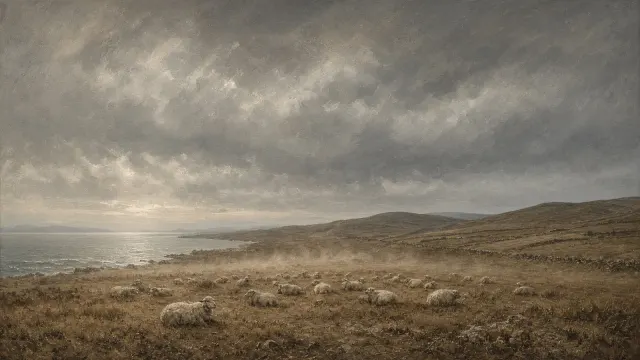
A call to gather comes before the decree takes effect. The day passes like windblown husks. God's fierce anger has not yet arrived, but the time is short. Those who are humble and have acted according to his judgement are urged to seek him, seek what is right, and seek humility. Perhaps they will be sheltered on the day of his anger. The wording offers hope without giving a method for forcing safety. They can still hear the warning. Now is the time to turn towards God.
In everyday life
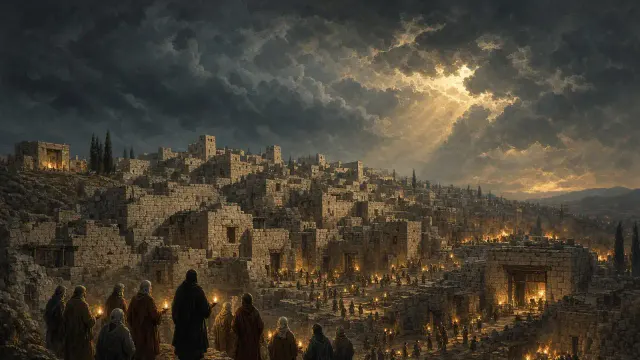
A tenants' representative calls residents together before an urgent hearing and asks them to put truthful records in order. She does not promise that attendance alone will settle the outcome. The remaining time is for a real response, not confident delay. Zephaniah calls people to seek God's shelter in judgement, not to improve their prospects before a housing panel.
Notice
Zephaniah 2:3 Shelter is expressed as a hope rather than a guaranteed result of a ritual. The call directs the humble towards God without making him subject to their control.
Zephaniah 2:1-3
King James Version1Gather yourselves together, yea, gather together, O nation not desired;
2Before the decree bring forth, before the day pass as the chaff, before the fierce anger of the LORD come upon you, before the day of the LORD’s anger come upon you.
3Seek ye the LORD, all ye meek of the earth, which have wrought his judgment; seek righteousness, seek meekness: it may be ye shall be hid in the day of the LORD’s anger.
Zephaniah 2:4-7
The Coast Becomes Pasture for Those Left
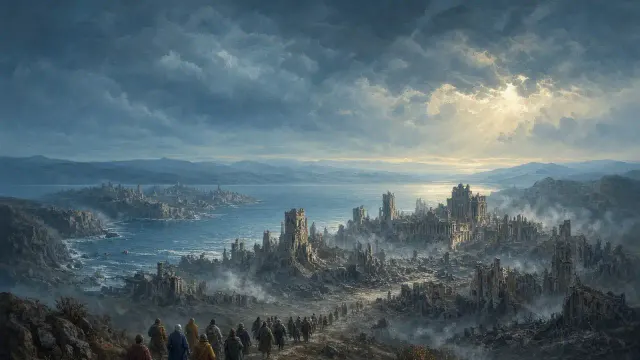
The warning names Gaza, Ashkelon, Ashdod, and Ekron, cities of the Philistines on the coast. They will be abandoned, emptied, and uprooted. God's word stands against that coastal people and their land. The emptied shore will hold shepherds' dwellings and places for flocks. Those left from Judah will feed there and lie down in Ashkelon's houses at evening. The Lord will attend to them and reverse their captivity. The land changes hands in a severe judgement, while the promise gives displaced people a picture of food, shelter, and rest rather than continued wandering.
In everyday life
A resettlement officer unlocks a vacant coastal house for a family returning from displacement. She checks where they can sleep and where their animals can feed. Rest is becoming a concrete possibility after months of temporary stops. Zephaniah promises this change through God's judgement and care, not an officer's authority to allocate empty property.
Notice
Zephaniah 2:7 Evening rest in the former city's houses gives the promise a daily rhythm. The people will not only arrive; they will have somewhere to lie down.
Zephaniah 2:4-7
King James Version4For Gaza shall be forsaken, and Ashkelon a desolation: they shall drive out Ashdod at the noon day, and Ekron shall be rooted up.
5Woe unto the inhabitants of the sea coast, the nation of the Cherethites! the word of the LORD is against you; O Canaan, the land of the Philistines, I will even destroy thee, that there shall be no inhabitant.
6And the sea coast shall be dwellings and cottages for shepherds, and folds for flocks.
7And the coast shall be for the remnant of the house of Judah; they shall feed thereupon: in the houses of Ashkelon shall they lie down in the evening: for the LORD their God shall visit them, and turn away their captivity.
Zephaniah 2:8-11
Proud Insults Receive an Answer from God
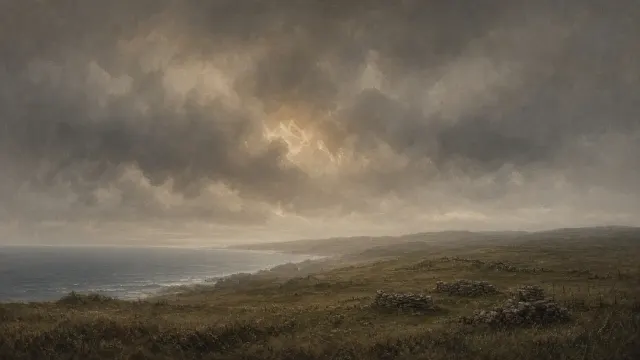
God has heard Moab and Ammon, neighbouring peoples, insult his people and boast against their border. He swears they will become like Sodom and Gomorrah, cities remembered for destruction. Nettles and salt pits will replace settled life, and those left from God's people will possess the land. The reason is pride and contempt for the people belonging to the Lord. God will also strip the earth's false gods of their supposed power. People across distant coasts will worship him from their own places. The answer to local insults widens into a promise of worship reaching far lands.
In everyday life
A border-dispute mediator plays a recording of landowners mocking the families they have pushed off adjoining plots. Their taunts are part of the evidence of intent, not harmless noise outside the dispute. The displaced families hear their experience acknowledged. Zephaniah announces desolation and worldwide worship of God, not a mediator's power to settle boundaries.
Notice
Zephaniah 2:10 Pride is named as the reason for the outcome. The insults are expressions of a claim to superiority over God's people, not merely careless words.
Zephaniah 2:8-11
King James Version8I have heard the reproach of Moab, and the revilings of the children of Ammon, whereby they have reproached my people, and magnified themselves against their border.
9Therefore as I live, saith the LORD of hosts, the God of Israel, Surely Moab shall be as Sodom, and the children of Ammon as Gomorrah, even the breeding of nettles, and saltpits, and a perpetual desolation: the residue of my people shall spoil them, and the remnant of my people shall possess them.
10This shall they have for their pride, because they have reproached and magnified themselves against the people of the LORD of hosts.
11The LORD will be terrible unto them: for he will famish all the gods of the earth; and men shall worship him, every one from his place, even all the isles of the heathen.
Zephaniah 2:12-15
The Self-Sufficient City Becomes an Animal Haunt
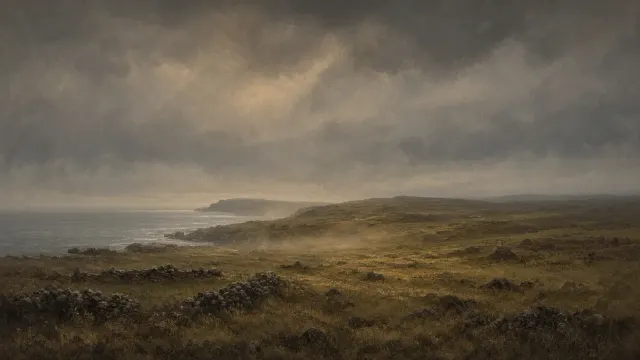
The warning reaches the Ethiopians, a distant people, and then Assyria, a northern empire. Nineveh, its great city, will become dry waste. Flocks and wild creatures will rest among its buildings, and birds will settle where human voices once filled windows. Exposed woodwork marks the loss of shelter and splendour. This is the city that lived at ease and claimed there was no other like it. Passers-by will respond with scorn at the ruin. The boast of unique importance ends in a place where animals find room because human power has disappeared.
In everyday life
A ruins photographer waits as birds settle in the upper windows of an abandoned grand hotel. An old brochure still calls the place unmatched. The contrast is visible without adding a mocking caption to the image. Zephaniah declares God's judgement on an empire's pride, not a building's decline through changing trade or neglect.
Notice
Zephaniah 2:15 The city's claim to have no equal is repeated beside its ruined state. Its own boast makes the loss of security more exposed to those passing by.
Zephaniah 2:12-15
King James Version12Ye Ethiopians also, ye shall be slain by my sword.
13And he will stretch out his hand against the north, and destroy Assyria; and will make Nineveh a desolation, and dry like a wilderness.
14And flocks shall lie down in the midst of her, all the beasts of the nations: both the cormorant and the bittern shall lodge in the upper lintels of it; their voice shall sing in the windows; desolation shall be in the thresholds: for he shall uncover the cedar work.
15This is the rejoicing city that dwelt carelessly, that said in her heart, I am, and there is none beside me: how is she become a desolation, a place for beasts to lie down in! every one that passeth by her shall hiss, and wag his hand.
Details worth noticing
The opening image
Zephaniah 2:1 begins with “Gather yourselves together, yea, gather together, O nation not desired;”
Where the chapter turns
Zephaniah 2:9 forms a natural hinge: “Therefore as I live, saith the LORD of hosts, the God of Israel, Surely Moab shall be as Sodom, and the children of Ammon as Gomorrah, even the breeding of…”
The final note
Zephaniah 2:15 leaves the reader with “This is the rejoicing city that dwelt carelessly, that said in her heart, I am, and there is none beside me: how is she become a desolation, a place for…”
A word trail through the chapter
The words LORD, desolation, people, anger, coast, seek help reveal the chapter’s repeated concerns.
KJV words made clear
- chaff
- Light husks separated from grain and blown away.
- revilings
- Insulting or abusive speech directed against another people.
- residue
- The people left after destruction or great loss.
Music and video connected to the passage
Related media appears when its Scripture reference overlaps this study. Music and video can illuminate a theme while the biblical text remains the foundation.