


Jonah 3:4-5
Yet forty days
The sermon is one sentence long and contains no offer of mercy, and the people believe God before the king has said anything.
Verse by verse
- 3:4
The verse records a brief proclamation; it does not establish that these were the only words Jonah ever spoke in Nineveh.
- 3:5
Believed God identifies the authority the people acknowledge, rather than merely reporting confidence in Jonah's personality.
- 3:5
Sackcloth accompanies fasting as a visible response of mourning and humiliation; changed conduct is expressly noted in 3:10.


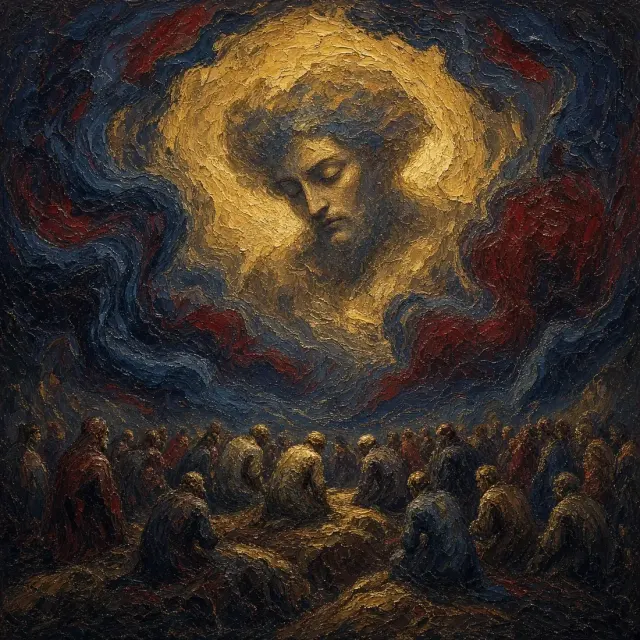














Nineveh is given a deadline, not a negotiation. The recorded announcement contains no introduction to Jonah's credentials, no description of his journey, and no explicit offer of pardon. Yet forty days, and Nineveh shall be overthrown. The sentence is almost brutally short. The response is not.
The crucial wording is that the people believed God. They hear Jonah, but the Book of Jonah locates their belief beyond the messenger. That matters in a book where the messenger has already refused the commission once. His reluctance does not make the warning his private opinion, and his eventual obedience does not make him the source of its authority. The city responds before the king's decree is described. Greatest and least enter the same fast; rank does not purchase a different deadline.
The next verses make clear that the response is more than a change of clothing. God sees their turning from evil. Jeremiah 18:7-8 explicitly describes this pattern: announced destruction may be withheld when a nation turns from its evil. The warning here is not an empty threat because it produces repentance rather than rubble. Luke 11:32 later names Nineveh's repentance as genuine. The short announcement had reached its hearers.