
Lyrics · Exodus
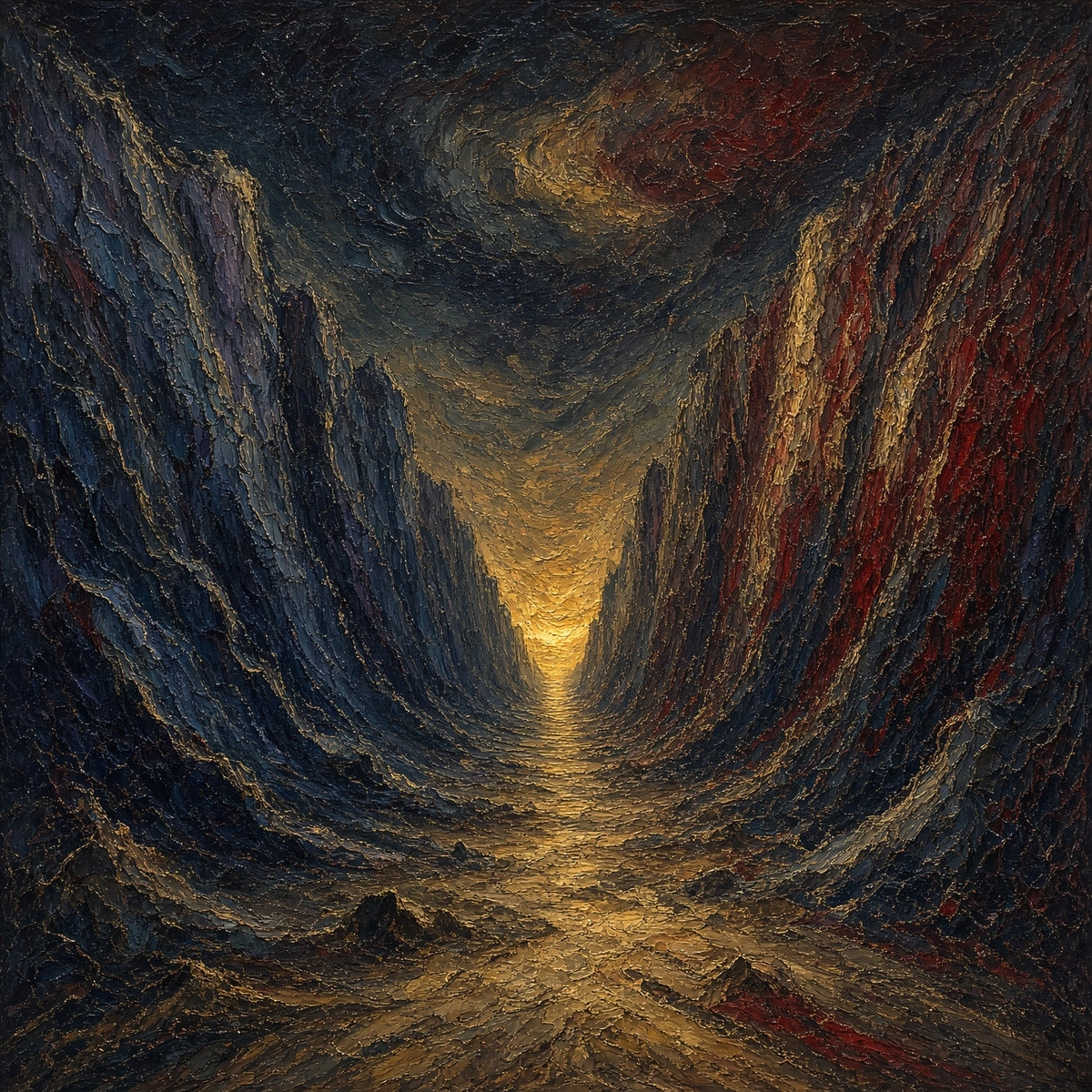
The Sea Stood Up
Exodus 12:37-15:21
Lyrics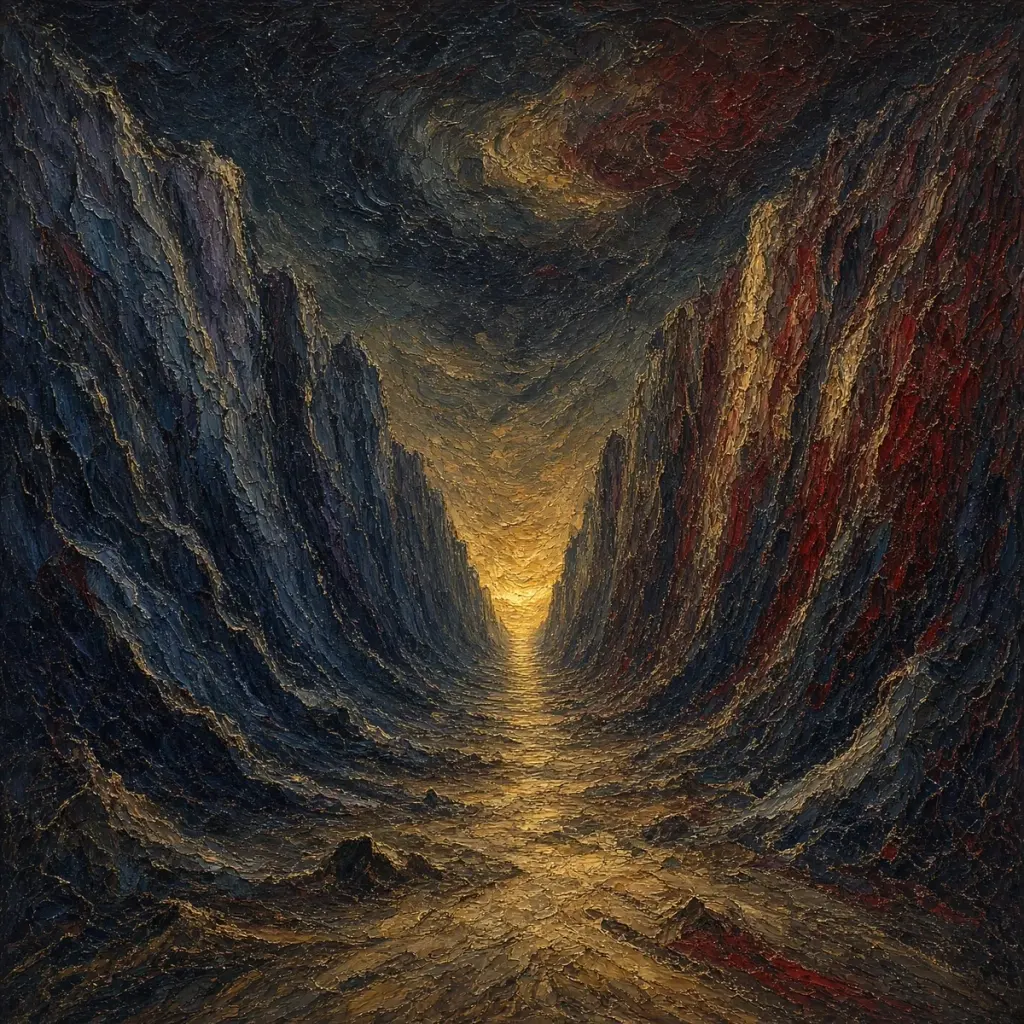
Playing next
About this song
About this song
This song belongs to the Exodus collection. One recording is available to play here, with the complete lyrics below.
- Bible book
- Exodus
- Collection
- Exodus
- Musical styles
- Electronic
Named in this songPharaohMosesEgyptMiriam
About the passage
Exodus 12: The night that gives Israel a calendar
Exodus 12 gives Israel's departure a form that can outlive the generation leaving Egypt. The calendar is reset, households select and share an unblemished animal, blood marks the doorway, and the meal is eaten dressed for travel. Before the chapter reports the midnight judgment, it already gives future Israel an annual memorial, seven days of unleavened bread, holy assemblies, and answers for children who will ask what the observance means. At midnight the firstborn die throughout Egypt, and Pharaoh finally orders Israel out with the families and animals he had tried to keep. The people leave in haste with unleavened dough, valuables, livestock, and a mixed multitude. The chapter then looks backward over the long sojourn and forward into Passover participation, defining a guarded covenant meal that also gives a way for committed outsiders to enter its observance.
Study Exodus 12 in depthExodus 13: Freedom is remembered, redeemed, and led
Freedom immediately acquires memory, obligation, and direction. The firstborn belong to the LORD because Israel's firstborn were spared, yet human sons are not sacrificed. They are redeemed, and the distinction between sacrifice and redemption becomes something children are to ask about and parents are to explain. Unleavened bread likewise carries the departure into yearly household practice, joining food, speech, and remembrance. When the travel account resumes, God does not choose the shortest road. The nearby route risks immediate war and a frightened return to Egypt, so Israel is led toward the wilderness instead. Moses carries Joseph's bones, fulfilling an oath that reaches back before the bondage. At the edge of the wilderness, the pillar of cloud by day and fire by night makes divine guidance visible and continuous as the newly freed people move beyond familiar ground.
Study Exodus 13 in depthExodus 14: A road through the sea and an end to pursuit
Israel's first great danger outside Egypt begins with a camp chosen by divine instruction but interpreted by Pharaoh as a tactical mistake. Regretting the loss of Israel's service, he pursues with chariots and overtakes the people by the sea. Fear transforms their memory almost instantly, and bondage begins to sound safer than the wilderness. Moses answers that the LORD will fight for them, then the command comes to move forward. The pillar shifts behind the camp, separating Israel from Egypt through the night, while a strong east wind opens dry ground through the sea. Israel crosses. The pursuing chariots enter the same passage but cannot master it, and the Egyptians themselves recognize that the LORD fights for Israel. When the water returns, the pursuing force is destroyed. The chapter closes with Israel seeing that Egypt's army can no longer reach them and responding with fear of the LORD and belief.
Study Exodus 14 in depth