

Lyrics · Hosea
Hosea (Return to Me)
Hosea 1:1–14:9
Lyrics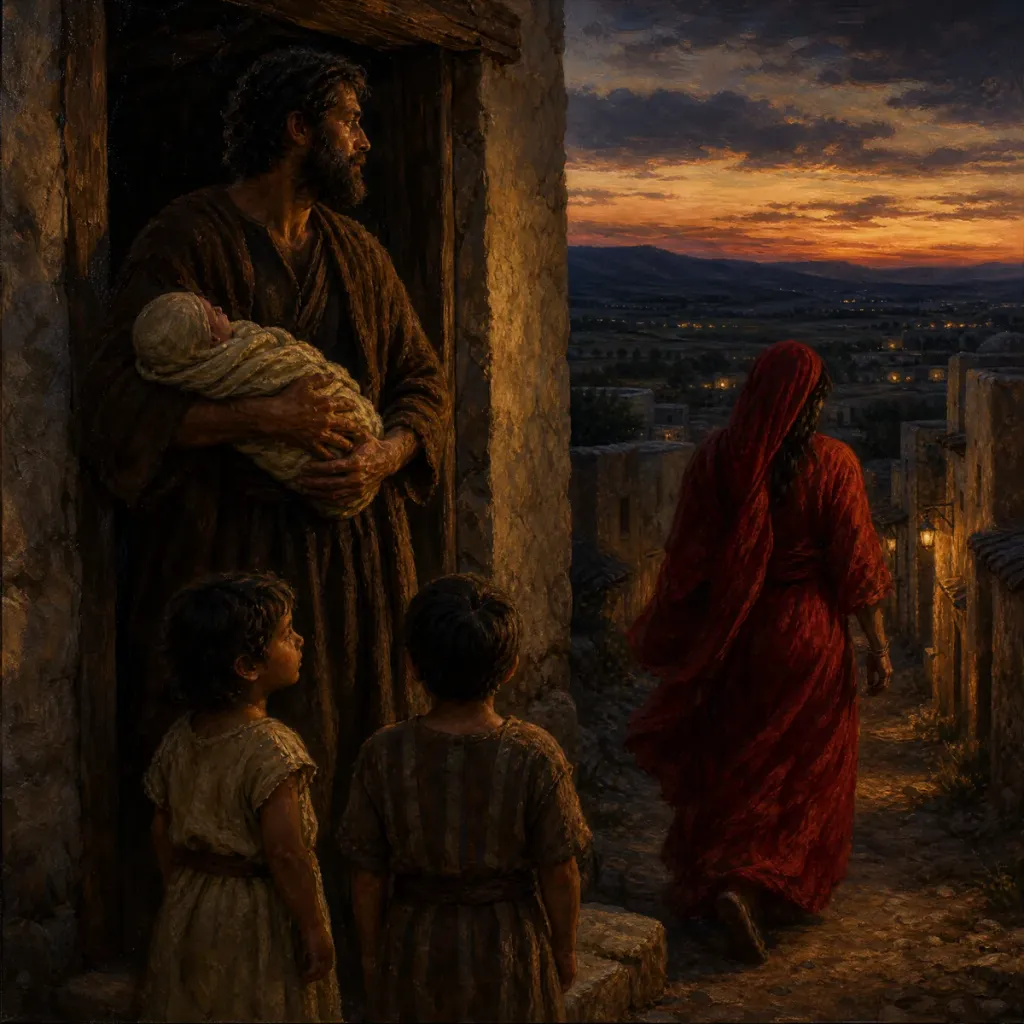
Playing next
Lyrics transcribed from this recording. Word-for-word review is pending.
Named in this songHoseaJezreelEgypt
About the passage
Hosea 1: Names that announce judgment and then change direction
Hosea opens by placing the prophetic word inside the reigns of named kings, then makes the prophet's household carry an accusation against the northern kingdom. Gomer's marriage and the children's names are not treated as private curiosities. Jezreel announces accountability for bloodshed and the breaking of Israel's military power. Lo-ruhamah and Lo-ammi press the judgment further by naming withdrawn mercy and denied covenant belonging. Yet the chapter changes direction before the accusation has even finished developing. Israel is again compared with the innumerable sand, the people called "not my people" are promised the name "sons of the living God," and Judah and Israel are gathered under one head. Even Jezreel is left open to a future larger than its first announcement of judgment.
Study Hosea 1 in depthHosea 2: The gifts have been credited to the wrong giver
The marriage figure expands into a dispute over provision, worship, and identity. Israel has credited bread, water, wool, flax, oil, wine, silver, and gold to lovers, while the Lord claims those gifts as his own. Withdrawal therefore exposes more than deprivation. It exposes a false account of who supplied ordinary life in the first place. Feasts cease, vines fail, and the supposed providers cannot rescue what was attributed to them. Then the chapter's next "therefore" turns unexpectedly toward renewed address in the wilderness, a door of hope in the valley of Achor, and a corrected vocabulary for the divine husband. The final movement widens restoration to land, safety, betrothal, fertility, mercy, and belonging. The gifts, their source, and the people's acknowledgment are brought back into one relationship.
Study Hosea 2 in depthHosea 3: Love returns, but restoration includes waiting
A renewed command to love is answered by a concrete purchase involving silver and barley, but the Book of Hosea refuses to supply the marketplace scene that later imagination might want. The woman is not named, and the text does not settle every question about her identity or circumstances. What it does make clear is the comparison with the Lord's continuing love toward Israel while Israel looks to other gods. The purchase leads not to an instant return to ordinary married life but to "many days" of restraint and exclusive attachment. Hosea then explains that waiting through Israel's coming deprivation: king, prince, sacrifice, image, ephod, and teraphim will all be absent. The chapter ends beyond that suspension, with Israel seeking the Lord and David their king and approaching divine goodness with reverence.
Study Hosea 3 in depth