
1 Kings 21:1-4
He laid him down upon his bed, and turned away his face
A king sulks over a vegetable patch. The refusal he received was legal, and the account lets the pettiness stand undescribed.
Verse by verse
- 21:1-2
Hard by means close beside. The proposed garden of herbs is a vegetable garden; the text does not suggest a public famine-relief project or another motive beyond the convenience Ahab states.
- 21:3
Naboth invokes the LORD and calls the vineyard his fathers' inheritance. The passage gives this reason explicitly, not a desire to negotiate a higher price.
- 21:4
Ahab's lying down, turning his face away, and refusing bread are stated physical actions. The verse does not require invented dialogue or a psychological diagnosis to make them revealing.
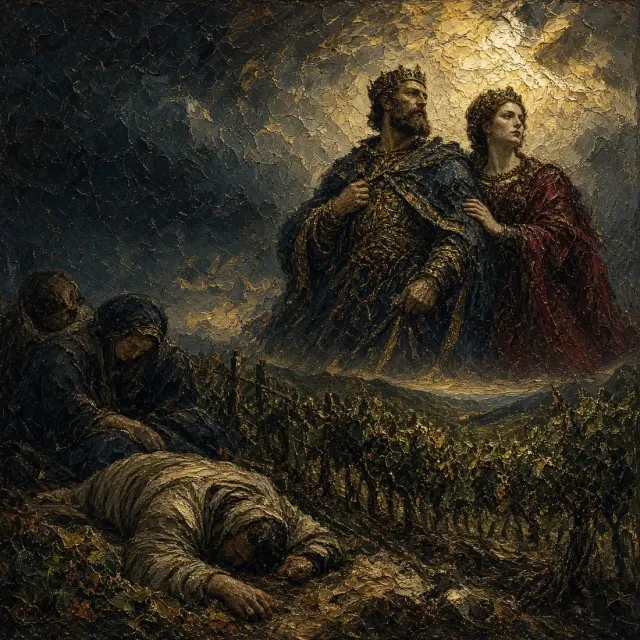
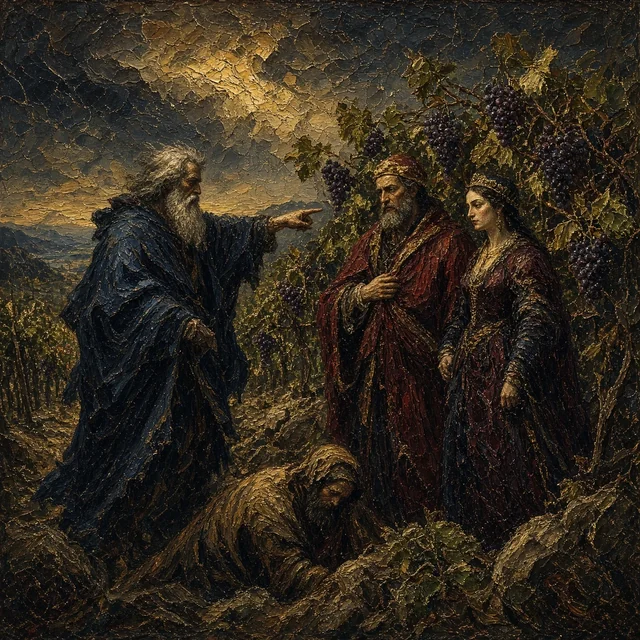
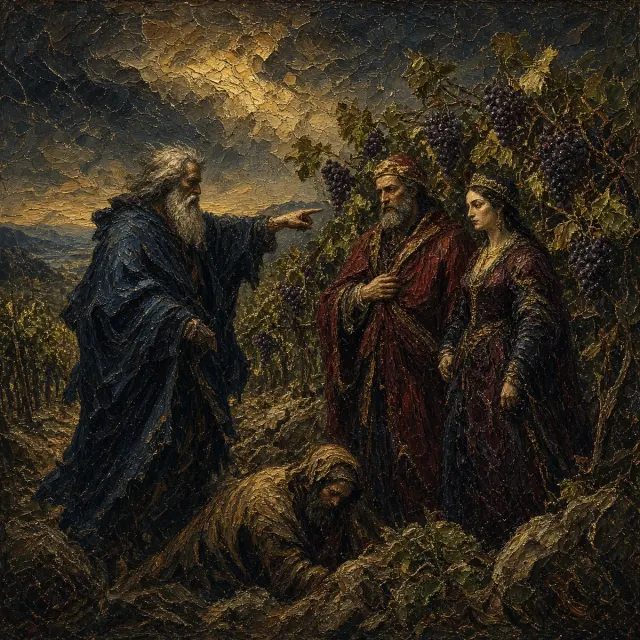

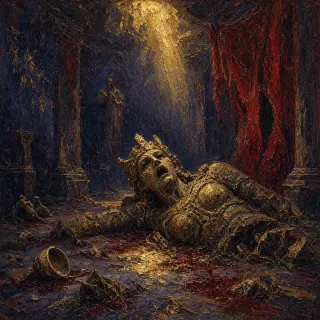
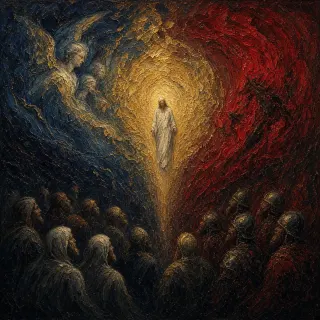
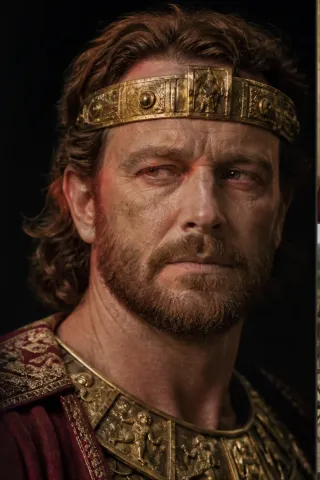
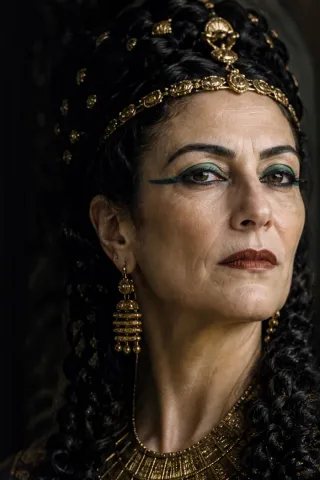
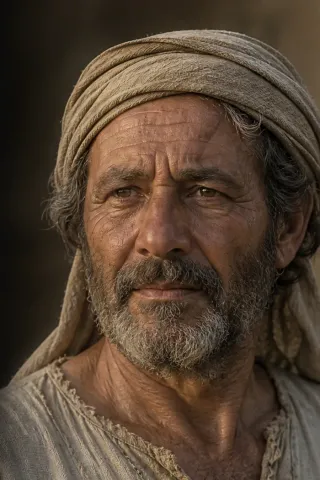

The same patch of ground has two names before anyone moves a boundary. To Ahab it is a convenient future vegetable garden. To Naboth it is the inheritance of his fathers. The disagreement is not simply over the asking price. Ahab offers money or a better vineyard; Naboth answers with the LORD and his inherited obligation. A more attractive offer cannot settle an objection that is not about valuation.
The opening names Ahab king of Samaria while placing his palace in Jezreel. This is not a contradiction between capitals; the account has put the king beside a property he does not own. Nearness gives him a reason to want it, not a right to possess it.
Then the ruler with a palace retreats to a bed and will not face his bread. The physical details supply the irony without an invented speech about his childhood or temperament. His displeasure is explicit; everything beyond it must earn its place from the text. In verse 6, when he tells Jezebel what happened, his version omits Naboth's appeal to the LORD and reduces the inheritance to a vineyard he would not give. The missing words matter. A refusal rooted in obligation has become, in the king's retelling, a frustrating refusal of the king.