


Jeremiah 32:12-16
The deed in the earthen vessel
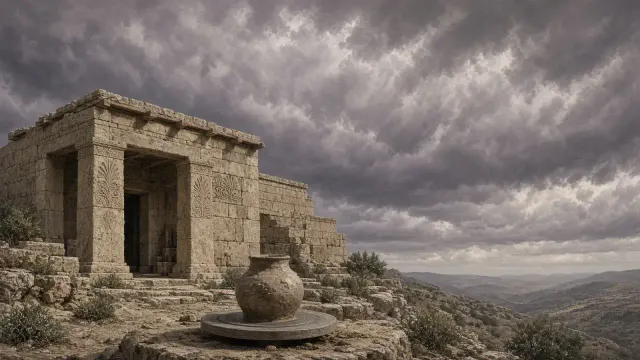
He takes the sealed purchase and the open copy in front of witnesses and puts them in a clay jar so they will last many days. The siege works are going up outside as he does it.
Verse by verse
- 32:12
The detailed parentage identifies the custodian publicly; the passage does not call Baruch a priest.
- 32:14
Evidence means the legal document attesting the purchase, not merely an argument supporting a belief.
- 32:14
Many days makes long preservation part of the instruction. The passage gives no account of the vessel's later discovery.
- 32:16
Jeremiah begins this prayer after delivering the documents, a sequence expressly marked by the verse.



Baruch receives more than a document. He receives responsibility for making a public act outlast the people who witnessed it. His full ancestry is given, the seller is present, the witnesses are named as witnesses, and the instructions are spoken before them all. This is not a private souvenir of Jeremiah's confidence. It is evidence with an appointed custodian.
The command about storage has its own weight. Put them in an earthen vessel, that they may continue many days. The promise concerns houses, fields, and vineyards possessed again, but Baruch's immediate assignment is preservation, not possession. There is a remarkable distance between the scale of what God announces and the modest task handed to the scribe: the nation's future is being declared while someone is told to look after the paperwork. Verse 16 then marks the handover as complete before Jeremiah begins to pray. The deed is already entrusted to another pair of hands when the prophet lays his questions before God. Baruch's work makes the sign durable.