
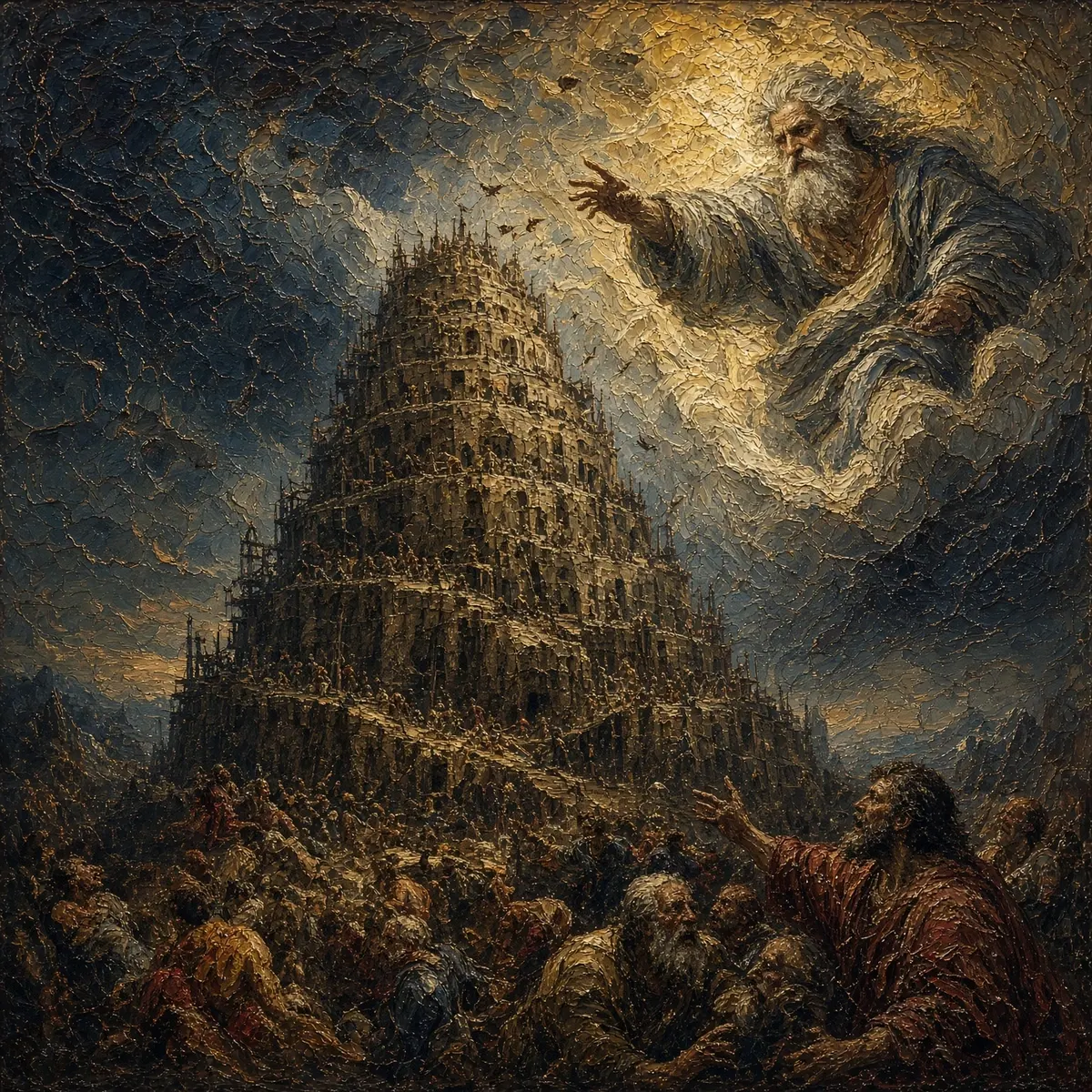

Genesis 11:27-30
And Sarai was barren
The family is introduced with a death, a marriage and a closed womb. All three facts will be load bearing for the next fourteen chapters.
Verse by verse
- 11:28
Before his father can mean during his father's lifetime or in his presence. The verse establishes that Haran predeceased Terah; it does not describe a deathbed scene.
- 11:29
Milcah is identified as Haran's daughter and Nahor's wife. The verse does not identify Iscah with Sarai, although some later readers have done so.
- 11:30
The text reports Sarai's childlessness without attributing it to punishment or personal wrongdoing.

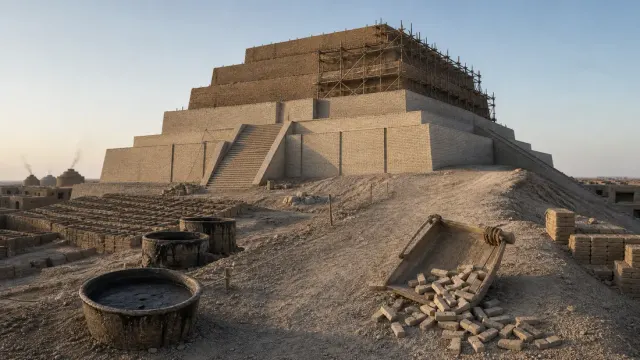

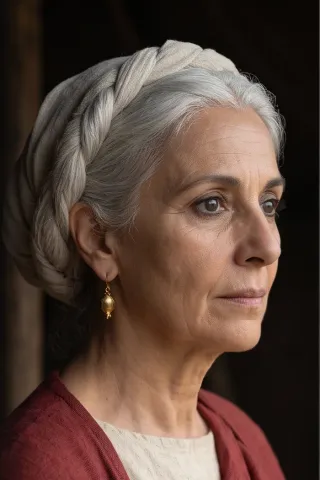
A genealogy built on repeated births ends by saying there is no child. The second half of verse 30 does not add new information to the first. It makes the absence stay on the page. After name follows name and father follows father, Sarai's place in the line cannot be filled by the usual formula.
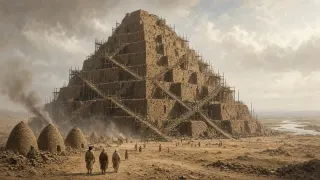
Ur enters this family record as the place where Haran dies while his father is still alive. The account gives no cause of death and no invented farewell. It supplies the relationship that death has altered: Lot is Haran's son, and the household that leaves Ur will include a grandson whose father is gone. The family is not introduced as an untouched collection of ancestors waiting for important things to happen.
Nor is its religious background presented elsewhere as spotless. Joshua 24:2 explicitly says that Terah and the ancestral household served other gods. That later witness prevents the call of Abram from becoming a reward for an already ideal pedigree. At Ur the record contains a dead son, a fatherless grandson, and a wife without a child. The future of this family cannot be read straight off its family tree.