
El panorama
Éxodo 19 abre con “In the third month, when the children of Israel were gone forth out of the land of…”, cambia cerca del versículo 13 con “There shall not an hand touch it, but he shall surely be stoned, or shot through…” y termina con “So Moses went down unto the people, and spake unto them.”. Estos puntos trazan el movimiento propio del capítulo desde su inicio hasta su conclusión.
Las Escrituras junto al resumen
Éxodo · Versión King James · 25Éxodo 19:1-7
Versículos 1–7: In the third month, when the children of Israel were gone forth out of…
Éxodo 19:1–7 abre con “In the third month, when the children of Israel were gone forth out of the land of Egypt, the…” y llega a “And Moses came and called for the elders of the people, and laid before their faces all these…” en su último versículo. Ese recorrido desarrolla Éxodo 19 se desarrolla mediante sus propias voces, acciones, afirmaciones y consecuencias.
Contexto que da vida al pasaje
“In the third month, when the children of Israel were gone forth out of the land of Egypt, the same day came they into…” Nombrar a Egypt y Israel mantiene el relato unido a personas o lugares concretos. Sigue dónde reaparece el nombre y qué cambia a su alrededor.
“For they were departed from Rephidim, and were come to the desert of Sinai, and had pitched in the wilderness; and…” Esta línea aporta una razón, un resultado o una conclusión. Debe permanecer unida a la afirmación o acción que le da sentido.
Éxodo 19:1-7
Versión King James1In the third month, when the children of Israel were gone forth out of the land of Egypt, the same day came they into the wilderness of Sinai.
2For they were departed from Rephidim, and were come to the desert of Sinai, and had pitched in the wilderness; and there Israel camped before the mount.
3And Moses went up unto God, and the LORD called unto him out of the mountain, saying, Thus shalt thou say to the house of Jacob, and tell the children of Israel;
4Ye have seen what I did unto the Egyptians, and how I bare you on eagles’ wings, and brought you unto myself.
5Now therefore, if ye will obey my voice indeed, and keep my covenant, then ye shall be a peculiar treasure unto me above all people: for all the earth is mine:
6And ye shall be unto me a kingdom of priests, and an holy nation. These are the words which thou shalt speak unto the children of Israel.
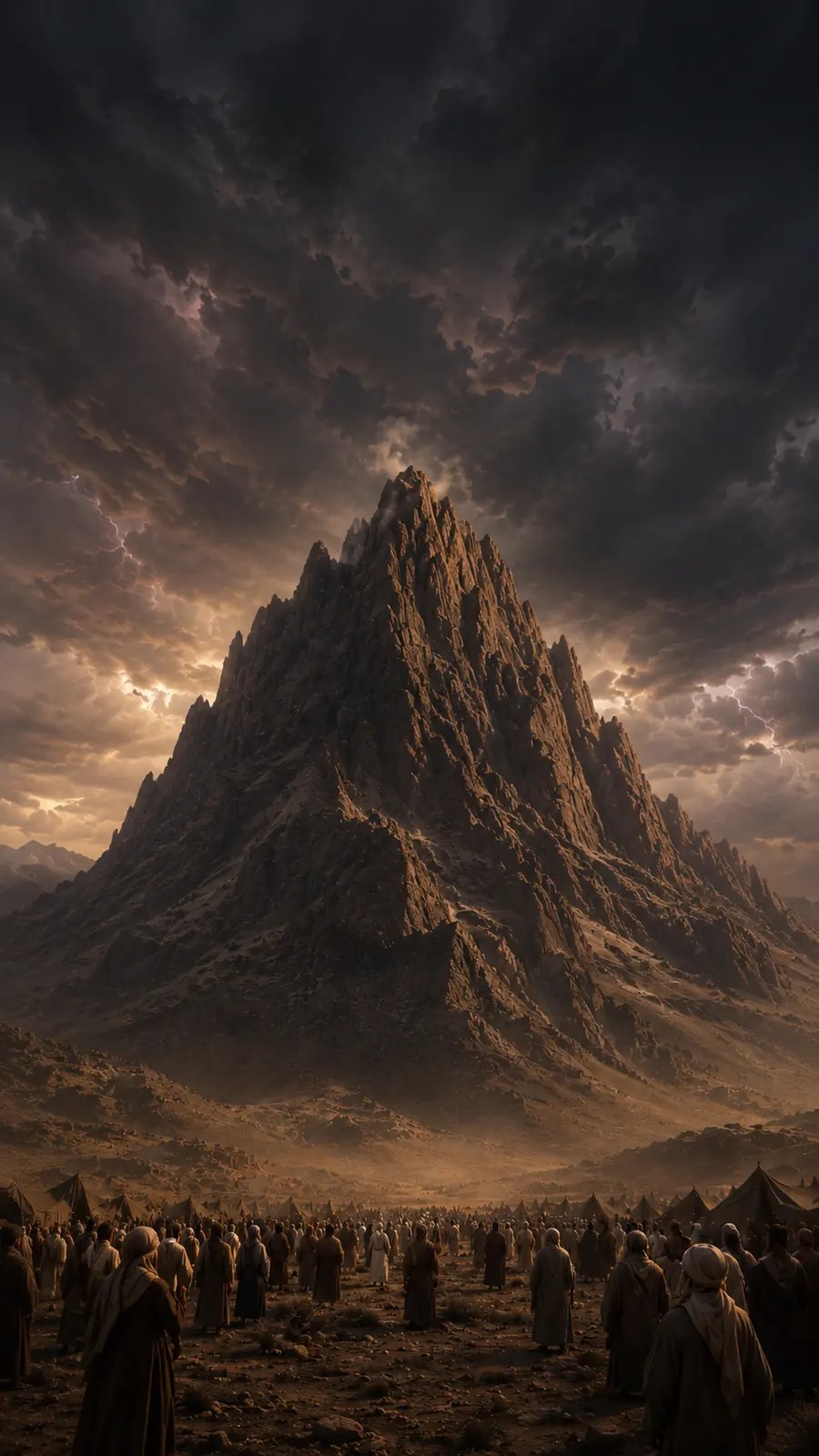
7And Moses came and called for the elders of the people, and laid before their faces all these words which the LORD commanded him.
Éxodo 19:8-14
Versículos 8–14: All the people answered together, and said, All that the LORD hath…
Éxodo 19:8–14 abre con “And all the people answered together, and said, All that the LORD hath spoken we will do. And…” y llega a “And Moses went down from the mount unto the people, and sanctified the people; and they washed…” en su último versículo. Ese recorrido desarrolla Éxodo 19 se desarrolla mediante sus propias voces, acciones, afirmaciones y consecuencias.
Contexto que da vida al pasaje
“And all the people answered together, and said, All that the LORD hath spoken we will do. And Moses returned the words…” Nombrar a All y Moses mantiene el relato unido a personas o lugares concretos. Sigue dónde reaparece el nombre y qué cambia a su alrededor.
“And the LORD said unto Moses, Lo, I come unto thee in a thick cloud, that the people may hear when I speak with thee…” Nombrar a Moses mantiene el relato unido a personas o lugares concretos. Sigue dónde reaparece el nombre y qué cambia a su alrededor.
“And the LORD said unto Moses, Go unto the people, and sanctify them to day and to morrow, and let them wash their…” Nombrar a Moses mantiene el relato unido a personas o lugares concretos. Sigue dónde reaparece el nombre y qué cambia a su alrededor.
Éxodo 19:8-14
Versión King James8And all the people answered together, and said, All that the LORD hath spoken we will do. And Moses returned the words of the people unto the LORD .
9And the LORD said unto Moses, Lo, I come unto thee in a thick cloud, that the people may hear when I speak with thee, and believe thee for ever. And Moses told the words of the people unto the LORD .
10And the LORD said unto Moses, Go unto the people, and sanctify them to day and to morrow, and let them wash their clothes,
11And be ready against the third day: for the third day the LORD will come down in the sight of all the people upon mount Sinai.
12And thou shalt set bounds unto the people round about, saying, Take heed to yourselves, that ye go not up into the mount, or touch the border of it: whosoever toucheth the mount shall be surely put to death:
13There shall not an hand touch it, but he shall surely be stoned, or shot through; whether it be beast or man, it shall not live: when the trumpet soundeth long, they shall come up to the mount.
14And Moses went down from the mount unto the people, and sanctified the people; and they washed their clothes.
Éxodo 19:15-21
Versículos 15–21: He said unto the people, Be ready against the third day: come not at…
Éxodo 19:15–21 abre con “And he said unto the people, Be ready against the third day: come not at your wives.” y llega a “And the LORD said unto Moses, Go down, charge the people, lest they break through unto the LORD…” en su último versículo. Ese recorrido desarrolla Éxodo 19 se desarrolla mediante sus propias voces, acciones, afirmaciones y consecuencias.
Contexto que da vida al pasaje
“And he said unto the people, Be ready against the third day: come not at your wives.” Los términos propios de esta línea incluyen people, ready, third. Su relación con los versículos 16 permite comprobar su función dentro del pasaje.
“And it came to pass on the third day in the morning, that there were thunders and lightnings, and a thick cloud upon…” Esta señal narrativa conocida hace avanzar el tiempo. Lo que sigue es una nueva escena, consecuencia o respuesta a una tensión anterior.
“And Moses brought forth the people out of the camp to meet with God; and they stood at the nether part of the mount.” Nombrar a Moses mantiene el relato unido a personas o lugares concretos. Sigue dónde reaparece el nombre y qué cambia a su alrededor.
Éxodo 19:15-21
Versión King James15And he said unto the people, Be ready against the third day: come not at your wives.
16And it came to pass on the third day in the morning, that there were thunders and lightnings, and a thick cloud upon the mount, and the voice of the trumpet exceeding loud; so that all the people that was in the camp trembled.
17And Moses brought forth the people out of the camp to meet with God; and they stood at the nether part of the mount.
18And mount Sinai was altogether on a smoke, because the LORD descended upon it in fire: and the smoke thereof ascended as the smoke of a furnace, and the whole mount quaked greatly.
19And when the voice of the trumpet sounded long, and waxed louder and louder, Moses spake, and God answered him by a voice.
20And the LORD came down upon mount Sinai, on the top of the mount: and the LORD called Moses up to the top of the mount; and Moses went up.
21And the LORD said unto Moses, Go down, charge the people, lest they break through unto the LORD to gaze, and many of them perish.
Éxodo 19:22-25
Versículos 22–25: Let the priests also, which come near to the LORD , sanctify themselves…
Éxodo 19:22–25 abre con “And let the priests also, which come near to the LORD , sanctify themselves, lest the LORD break…” y llega a “So Moses went down unto the people, and spake unto them.” en su último versículo. Ese recorrido desarrolla Éxodo 19 se desarrolla mediante sus propias voces, acciones, afirmaciones y consecuencias.
Contexto que da vida al pasaje
“And let the priests also, which come near to the LORD , sanctify themselves, lest the LORD break forth upon them.” Los términos propios de esta línea incluyen LORD, break, lest. Su relación con los versículos 23 permite comprobar su función dentro del pasaje.
Éxodo 19:22-25
Versión King James22And let the priests also, which come near to the LORD , sanctify themselves, lest the LORD break forth upon them.
23And Moses said unto the LORD , The people cannot come up to mount Sinai: for thou chargedst us, saying, Set bounds about the mount, and sanctify it.
24And the LORD said unto him, Away, get thee down, and thou shalt come up, thou, and Aaron with thee: but let not the priests and the people break through to come up unto the LORD , lest he break forth upon them.
25So Moses went down unto the people, and spake unto them.
Detalles que vale la pena notar
La imagen inicial
Exodus 19:1 comienza con “In the third month, when the children of Israel were gone forth out of the land of Egypt, the same day came they into the wilderness of Sinai.”
Dónde cambia el capítulo
Exodus 19:16 forma un giro natural: “And it came to pass on the third day in the morning, that there were thunders and lightnings, and a thick cloud upon the mount, and the voice of the…”
La nota final
Exodus 19:25 deja al lector con “So Moses went down unto the people, and spake unto them.”
Un recorrido de palabras por el capítulo
Las palabras LORD, people, mount, Moses, Sinai, third ayudan a revelar las preocupaciones que se repiten en el capítulo.
Primero el texto
Donde difieren los lectores
El resumen comienza con lo que dice el pasaje y cómo se relacionan sus partes. No supone que una denominación ya haya resuelto cada pregunta. Toda dependencia de una tradición, teoría literaria o reconstrucción histórica se identifica con claridad.
El texto KJV aparece primero. Las conclusiones interpretativas se identifican, y las diferencias se presentan cuando ayudan a explicar por qué las comunidades serias no siempre llegan a la misma respuesta.
Las notas interpretativas comparativas de este capítulo están en preparación. Hasta que las notas revisadas estén listas, esta página separa el texto KJV del resumen y la aplicación sin afirmar que todos los lectores serios coinciden en cada cuestión.