
The big picture
Jeremiah writes from Jerusalem, Judah's capital, to people taken into exile in Babylon. His letter reaches elders, priests, prophets, and households uprooted by the conquering king. They are to expect a long stay rather than a quick return. God tells them to build homes, raise families, and seek peace for the city where they now live. A future homecoming remains promised. False prophets who deny that wait, and a letter seeking Jeremiah's punishment, receive direct answers from the Lord.
In this chapter
- A Letter Calls for Homes and Shared Peace Jeremiah 29:1-9
Jeremiah sends the letter through envoys travelling from King Zedekiah, Judah's ruler, to Babylon's king Nebuchadnezzar.
- The Promised Future Follows a Long Wait Jeremiah 29:10-14
After seventy years at Babylon, God will act.
- Those Left at Home Are Not Exempt Jeremiah 29:15-20
The exiles claim that God has raised prophets for them in Babylon.
- Two Lying Prophets Face a Public End Jeremiah 29:21-23
God names Ahab, son of Kolaiah, and Zedekiah, son of Maaseiah, two prophets among the exiles.
- A Letter Against Jeremiah Receives an Answer Jeremiah 29:24-32
Shemaiah the Nehelamite is a man among the exiles.
Central truth
God calls the exiles to seek their city's peace during a long wait and promises restoration while exposing false claims that encourage rebellion.


Scripture beside the summary
Jeremiah · King James Version · 32Jeremiah 29:1-9
A Letter Calls for Homes and Shared Peace
Jeremiah sends the letter through envoys travelling from King Zedekiah, Judah's ruler, to Babylon's king Nebuchadnezzar. A deportation has already removed King Jeconiah, royal staff, and craftsmen from the capital. God tells the exiles that he sent them away. They must build houses, plant gardens, marry, and raise children, including arranging the next generation's families. Their numbers should grow rather than shrink. They must seek and pray for the city's peace because their welfare is bound to it. Prophets and dreamers promising otherwise have not been sent by God.
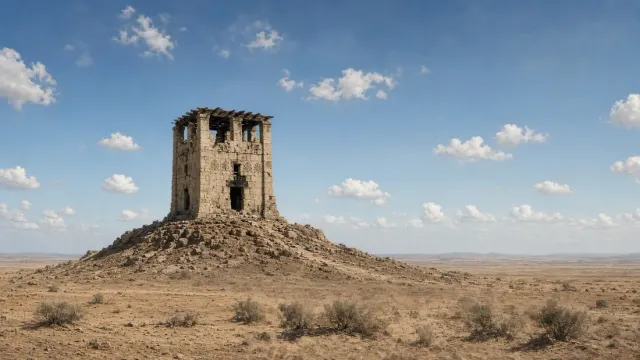
In everyday life
The displaced father signs a lease near the temporary settlement where his family has waited for months. He plants vegetables and joins neighbours repairing a shared tap, while still hoping to return home. Caring for the present place does not erase that hope. God commands these exiles to seek their captor city's peace over a stated long term.
Notice
Jeremiah 29:7 Prayer for the city is required of its captives. Their peace is bound to its peace. They must share its life while they wait.
Jeremiah 29:1-9
King James Version1Now these are the words of the letter that Jeremiah the prophet sent from Jerusalem unto the residue of the elders which were carried away captives, and to the priests, and to the prophets, and to all the people whom Nebuchadnezzar had carried away captive from Jerusalem to Babylon;
2(After that Jeconiah the king, and the queen, and the eunuchs, the princes of Judah and Jerusalem, and the carpenters, and the smiths, were departed from Jerusalem;)
3By the hand of Elasah the son of Shaphan, and Gemariah the son of Hilkiah, (whom Zedekiah king of Judah sent unto Babylon to Nebuchadnezzar king of Babylon) saying,
4Thus saith the LORD of hosts, the God of Israel, unto all that are carried away captives, whom I have caused to be carried away from Jerusalem unto Babylon;
5Build ye houses, and dwell in them; and plant gardens, and eat the fruit of them;
6Take ye wives, and beget sons and daughters; and take wives for your sons, and give your daughters to husbands, that they may bear sons and daughters; that ye may be increased there, and not diminished.
7And seek the peace of the city whither I have caused you to be carried away captives, and pray unto the LORD for it: for in the peace thereof shall ye have peace.
8For thus saith the LORD of hosts, the God of Israel; Let not your prophets and your diviners, that be in the midst of you, deceive you, neither hearken to your dreams which ye cause to be dreamed.
9For they prophesy falsely unto you in my name: I have not sent them, saith the LORD.
Jeremiah 29:10-14
The Promised Future Follows a Long Wait
After seventy years at Babylon, God will act. He will fulfil his promise to bring the exiles back. He knows his intentions towards them: peace and a hopeful outcome rather than their final ruin. They will call and pray, and he will listen. When they seek him wholeheartedly, they will find him. He will gather them from the nations and places where he scattered them and return them to the place of departure. The exiles have a future. That does not mean the long wait is over now.
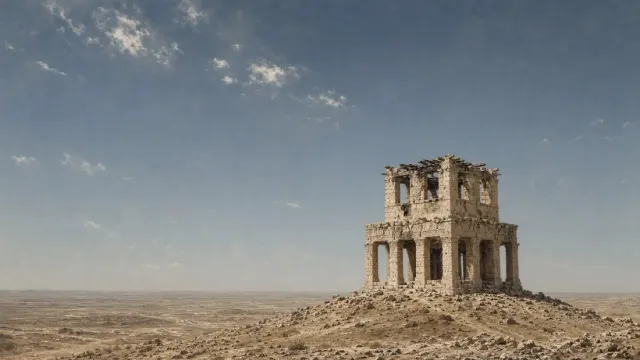
In everyday life
The family separated by a long rebuilding programme reads a confirmed return plan at their kitchen table. The end is promised, but the calendar still requires years of ordinary life where they are. They begin planning both the wait and the return. God's promise includes being found in wholehearted prayer, not only a scheduled relocation.
Notice
Jeremiah 29:11 God's good intention is spoken to exiles facing seventy years, not an immediate escape. The hopeful outcome belongs with the stated waiting period rather than cancelling it.
Jeremiah 29:10-14
King James Version10For thus saith the LORD, That after seventy years be accomplished at Babylon I will visit you, and perform my good word toward you, in causing you to return to this place.
11For I know the thoughts that I think toward you, saith the LORD, thoughts of peace, and not of evil, to give you an expected end.
12Then shall ye call upon me, and ye shall go and pray unto me, and I will hearken unto you.
13And ye shall seek me, and find me, when ye shall search for me with all your heart.
14And I will be found of you, saith the LORD: and I will turn away your captivity, and I will gather you from all the nations, and from all the places whither I have driven you, saith the LORD; and I will bring you again into the place whence I caused you to be carried away captive.
Jeremiah 29:15-20
Those Left at Home Are Not Exempt
The exiles claim that God has raised prophets for them in Babylon. God answers with a warning about the king on the ancestral throne and the people still in the capital. Those left behind will face war, famine, and disease, like figs too rotten to eat. They will be scattered and become objects of horror and scorn. The cause is refusal to hear the prophets God repeatedly sent. The exiles too have refused to listen, so the letter calls them to hear now. Remaining at home is not proof of a better standing.


In everyday life
A young evacuee hears classmates say the pupils still in the old building must have been judged safer. A teacher shows him the continuing closure warnings and explains that remaining there proves nothing about the risk. He has to reassess what looked fortunate. God judges refusal to hear his prophets; the teacher explains a building hazard.
Notice
Jeremiah 29:19 Exiles are accused along with those at home. They must listen too. Judgement on another group does not prove that the letter's readers have been faithful.
Jeremiah 29:15-20
King James Version15Because ye have said, The LORD hath raised us up prophets in Babylon;
16Know that thus saith the LORD of the king that sitteth upon the throne of David, and of all the people that dwelleth in this city, and of your brethren that are not gone forth with you into captivity;
17Thus saith the LORD of hosts; Behold, I will send upon them the sword, the famine, and the pestilence, and will make them like vile figs, that cannot be eaten, they are so evil.
18And I will persecute them with the sword, with the famine, and with the pestilence, and will deliver them to be removed to all the kingdoms of the earth, to be a curse, and an astonishment, and an hissing, and a reproach, among all the nations whither I have driven them:
19Because they have not hearkened to my words, saith the LORD, which I sent unto them by my servants the prophets, rising up early and sending them; but ye would not hear, saith the LORD.
20Hear ye therefore the word of the LORD, all ye of the captivity, whom I have sent from Jerusalem to Babylon:
Jeremiah 29:21-23
Two Lying Prophets Face a Public End
God names Ahab, son of Kolaiah, and Zedekiah, son of Maaseiah, two prophets among the exiles. This Zedekiah is distinct from Judah's king. They speak lies in God's name and commit adultery with neighbours' wives. God will hand them to Nebuchadrezzar, Babylon's ruler, who will kill them before the captives. Their deaths by fire will become a saying of cursing among the exiles. God declares himself witness to their conduct and false words. They claim to know his word. He knows the wrong they have done.

In everyday life
An exile support volunteer listens as a community discusses the deaths of two once-trusted leaders. She records the allegations against them and the grief around their end without turning the violence into a public spectacle. Trust has been damaged as well as lives lost. Jeremiah reports God's declared judgement and knowledge, not an inquiry still gathering facts.
Notice
Jeremiah 29:23 God names himself as witness to their acts. The charge against the prophets includes both their conduct and their invented messages, neither hidden by religious status.
Jeremiah 29:21-23
King James Version21Thus saith the LORD of hosts, the God of Israel, of Ahab the son of Kolaiah, and of Zedekiah the son of Maaseiah, which prophesy a lie unto you in my name; Behold, I will deliver them into the hand of Nebuchadrezzar king of Babylon; and he shall slay them before your eyes;
22And of them shall be taken up a curse by all the captivity of Judah which are in Babylon, saying, The LORD make thee like Zedekiah and like Ahab, whom the king of Babylon roasted in the fire;
23Because they have committed villany in Israel, and have committed adultery with their neighbours’ wives, and have spoken lying words in my name, which I have not commanded them; even I know, and am a witness, saith the LORD.
Jeremiah 29:24-32
A Letter Against Jeremiah Receives an Answer
Shemaiah the Nehelamite is a man among the exiles. He writes to Jerusalem to demand restraint for Jeremiah as a false prophet. He addresses Zephaniah, a priest. He says the priest must lock up mad men who claim to be prophets. His complaint is Jeremiah's instruction to settle into a long captivity. Zephaniah reads the letter to Jeremiah. God then sends an answer to all the exiles: Shemaiah was not sent and has taught them to trust a lie. He taught revolt against the Lord. Neither he nor his family will share the promised good.
In everyday life
A tenant organiser sends a complaint demanding that a surveyor be disciplined for saying repairs will take years. The responsible officer reads the letter to the surveyor rather than treating its anger as proof. The disputed timeline must still answer to the actual damage. God condemns Shemaiah's unsent prophecy and excludes him from promised restoration.
Notice
Jeremiah 29:28 The complaint repeats Jeremiah's advice to build and plant. The practical instruction for a long exile is precisely what the opposing letter wants punished.
Jeremiah 29:24-32
King James Version24Thus shalt thou also speak to Shemaiah the Nehelamite, saying,
25Thus speaketh the LORD of hosts, the God of Israel, saying, Because thou hast sent letters in thy name unto all the people that are at Jerusalem, and to Zephaniah the son of Maaseiah the priest, and to all the priests, saying,
26The LORD hath made thee priest in the stead of Jehoiada the priest, that ye should be officers in the house of the LORD, for every man that is mad, and maketh himself a prophet, that thou shouldest put him in prison, and in the stocks.
27Now therefore why hast thou not reproved Jeremiah of Anathoth, which maketh himself a prophet to you?
28For therefore he sent unto us in Babylon, saying, This captivity is long: build ye houses, and dwell in them; and plant gardens, and eat the fruit of them.
29And Zephaniah the priest read this letter in the ears of Jeremiah the prophet.
30Then came the word of the LORD unto Jeremiah, saying,
31Send to all them of the captivity, saying, Thus saith the LORD concerning Shemaiah the Nehelamite; Because that Shemaiah hath prophesied unto you, and I sent him not, and he caused you to trust in a lie:
32Therefore thus saith the LORD; Behold, I will punish Shemaiah the Nehelamite, and his seed: he shall not have a man to dwell among this people; neither shall he behold the good that I will do for my people, saith the LORD; because he hath taught rebellion against the LORD.
Details worth noticing
The opening image
Jeremiah 29:1 begins with “Now these are the words of the letter that Jeremiah the prophet sent from Jerusalem unto the residue of the elders which were carried away captives, and to…”
Where the chapter turns
Jeremiah 29:12 forms a natural hinge: “Then shall ye call upon me, and ye shall go and pray unto me, and I will hearken unto you.”
The final note
Jeremiah 29:32 leaves the reader with “Therefore thus saith the LORD; Behold, I will punish Shemaiah the Nehelamite, and his seed: he shall not have a man to dwell among this people; neither…”
A word trail through the chapter
The words LORD, Babylon, Jerusalem, captivity, carried, king help reveal the chapter’s repeated concerns.
KJV words made clear
- diviners
- People claiming knowledge of hidden matters or the future through special practices.
- expected end
- A hoped-for outcome, here the promised future after captivity.
- stocks
- A restraint used to confine a prisoner in a fixed position.
Music and video connected to the passage
Related media appears when its Scripture reference overlaps this study. Music and video can illuminate a theme while the biblical text remains the foundation.