
Jeremiah

52 Chapters
Jeremiah: The Whole Book, Chapter by Chapter

A Mouth Appointed Before a City Falls
The Book of Jeremiah begins by placing Jerusalem’s captivity in the heading before Jeremiah’s own call is narrated, so the ending shadows the beginning. The prophet’s authority does not arise from priestly ancestry or confidence in his own ability. He objects that he cannot speak, and God answers by touching the very mouth Jeremiah considers inadequate. Two visions then define the commission: an almond branch signals that God is watching over his word, while a boiling pot points toward disaster from the north. The chapter closes by turning Jeremiah himself into the imagery of defense. He becomes a fortified city, iron pillar, and brasen walls against kings, princes, priests, and people. Opposition is not removed from the promise. It is built into it: they will fight, but they will not prevail.
One complete chapter pageOpen chapter →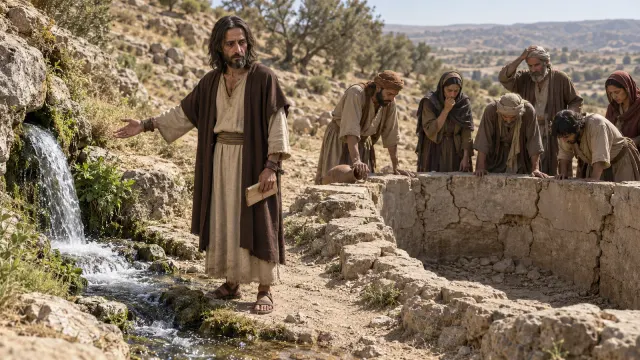
A Fountain Traded for Cracked Stone
Jeremiah 2 is a chapter of exchanges that leave Judah poorer every time. The Book of Jeremiah remembers early devotion in the wilderness, then asks what fault in God could explain the people’s departure. None is supplied. Living water is traded for broken cisterns, divine guidance for Egyptian and Assyrian dependence, a noble vine for degeneration, and liberation for restless pursuit. The people deny pollution while their conduct remains visible, call wood and stone their parents, and turn toward God only when the gods they made cannot save them. The chapter’s final turn exposes innocent blood beneath the search for new attachments. Even then Judah says, “I am innocent,” and prepares another political change of direction. The destinations vary, but the deeper pattern does not: substitutes multiply while security, truth, and life keep leaking away.
One complete chapter pageOpen chapter →
Return Is More Than Saying the Word
Marriage, family, inheritance, and national reunion overlap throughout Jeremiah 3. Judah’s familiar address to God is exposed as empty when conduct remains unchanged, while Israel’s fate becomes a warning Judah sees and nevertheless repeats. The Book of Jeremiah distinguishes outward return from return “with the whole heart,” then sends an unmistakable invitation toward the north. Mercy is offered with acknowledgment of iniquity, and restoration grows larger than a simple return to former arrangements. Shepherds with knowledge and understanding are promised, the ark no longer occupies the center of memory, Jerusalem is called the throne of the LORD, and Israel and Judah are pictured together again with the nations gathering. The chapter closes by giving voice to the confession the summons requires. Hills are admitted to be false hopes, shame is named, and generations are included in the admission of disobedience.
One complete chapter pageOpen chapter →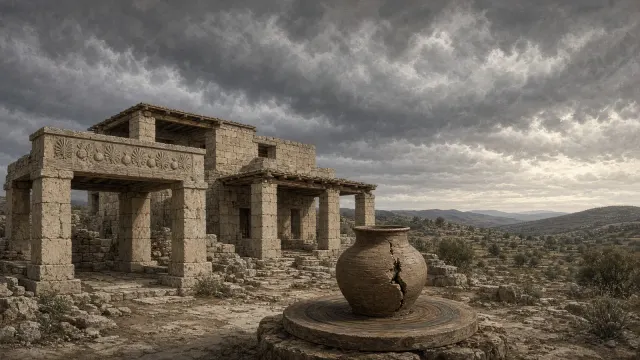
The Land Begins to Come Undone
Jeremiah 4 begins with the possibility of genuine return, defined through truthful allegiance and a changed heart, then accelerates into alarms. Trumpets sound, a destroyer advances from the north, leaders lose their nerve, and Jeremiah himself protests the collision between promised peace and a sword reaching the people’s life. The Book of Jeremiah keeps the military danger moving closer through clouds, whirlwind, eagles, Dan, and Mount Ephraim, while still interrupting the advance with calls to cleanse the heart. Jeremiah’s own body registers the warning in pain. Then the landscape itself seems to come apart: light disappears, mountains shake, people vanish, birds flee, and fruitful ground becomes wilderness. Yet “I will not make a full end” sets a boundary inside the devastation. The chapter ends with adornment unable to turn lethal alliances back into protective ones and Zion crying under assault.
One complete chapter pageOpen chapter →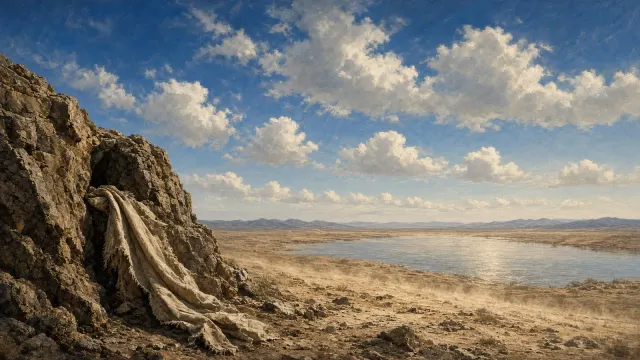
A Search for Truth in a City of Denials
A search for truth runs through Jeremiah 5 and keeps failing in every social class. The poor do not know the way, the great know it and break the yoke anyway, and even the oath “The LORD liveth” can be spoken falsely. The Book of Jeremiah then connects full tables with uncontrolled appetite, false assurances with approaching invasion, and rejection of the prophetic word with that word becoming fire. The foreign nation consumes the practical means of life while God still refuses to make a full end. Nature becomes a witness when the sea keeps the boundary Judah refuses, and ordinary rain and harvest expose forgotten dependence. The chapter closes inside prosperous houses filled through deceit, where the fatherless and needy receive no judgment. False prophets and cooperative priests are not operating alone. The people “love to have it so,” making public approval part of the structure being judged.
One complete chapter pageOpen chapter →
A Warning Refused at Every Hearing
Jeremiah 6 is a sequence of warnings that meet refusal at every point. Jerusalem, once imagined as refuge, becomes a place Benjamin is told to flee, while siege labor gathers around a city already pouring out internal violence. The Book of Jeremiah describes ears unable to hear, leaders who treat a deep wound with the word “Peace,” and people who will neither walk in the good old way nor heed the trumpet of watchmen. Costly incense from far away cannot substitute for obedience. The northern army then becomes concrete in bows, spears, horses, formation, and terror that empties field and road of safety. Finally the chapter enters a furnace. Jeremiah is appointed to test the people, but bellows, fire, lead, and labor cannot separate the corruption. The silver is rejected because the refining has exposed rather than removed what is wrong.
One complete chapter pageOpen chapter →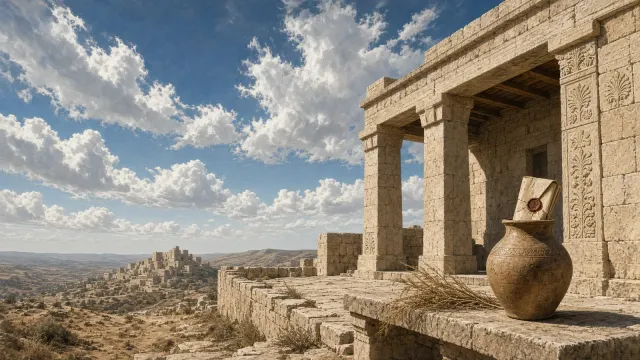
The Temple Is Not an Alibi
At the temple gate, Jeremiah 7 dismantles the assumption that sacred space can serve as protection for unchanged conduct. Worshippers repeat “The temple of the LORD,” but the Book of Jeremiah answers with justice between neighbors, protection of the vulnerable, rejection of innocent blood, and faithfulness to God. Shiloh supplies the precedent proving that a place genuinely associated with God’s name is not therefore immune. The accusation then widens from temple confidence to household idolatry, rejected intercession, and sacrifice detached from the central command to obey God’s voice. Jeremiah is told to speak even though the people will not answer, separating the prophet’s obligation from his audience’s response. The chapter ends at Tophet, where children have been burned and where judgment will produce a valley of slaughter. Even the sounds of weddings disappear as the land becomes desolate.
One complete chapter pageOpen chapter →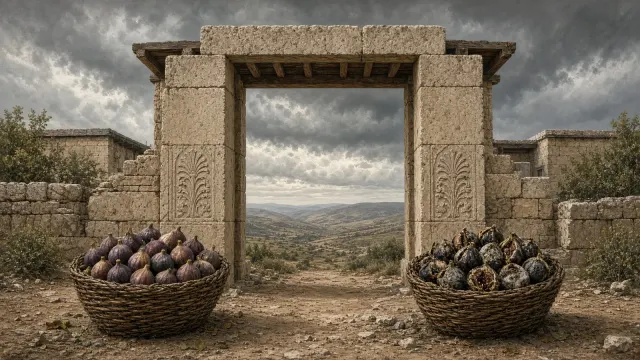
The Wound Beneath the Promise of Peace
Jeremiah 8 begins by disturbing the graves and exposing the dead before the heavenly bodies they once worshipped. The survivors inherit no easy relief. The Book of Jeremiah then asks why Judah refuses the ordinary logic of getting up after a fall or turning back after a wrong direction. Even migrating birds understand their seasons better than the people understand judgment. Claims to wisdom and possession of the law fail when the word itself is rejected, and the old false treatment returns: “Peace, peace,” over a wound that remains open. Fruitfulness disappears, defended cities become places of bitter silence, and the army approaches from Dan. The final lament braids together the people’s cry, God’s accusation, and Jeremiah’s own hurt. Balm and physician can be named, yet healing is still absent. Harvest and summer pass, and the chapter ends without rescue.
One complete chapter pageOpen chapter →
Tears for a People Practiced in Deceit
Tears and deceit dominate Jeremiah 9. The speaker wants enough water to weep continuously for the slain and, in the next breath, a wilderness lodging far from a society where tongues have been trained to lie. The Book of Jeremiah shows falsehood moving from private speech into public devastation: neighbors set verbal ambushes, the land empties, animal sounds disappear, and cities become ruins. When wisdom is challenged to explain the waste, God gives the covenant answer, including wrongdoing learned from previous generations. Mourning then becomes its own discipline, taught by skilled women because death has entered windows and palaces and left bodies without gathering. The chapter’s final movement strips wisdom, strength, and riches of their power to serve as grounds for boasting. True knowledge is defined through God’s lovingkindness, judgment, and righteousness, while an uncircumcised heart defeats confidence in an outward sign.
One complete chapter pageOpen chapter →
The God Who Needs to Be Carried
Jeremiah 10 first examines manufactured gods with almost practical humor. Timber is cut, decorated, nailed down, and carried because the finished object cannot speak or move. The Book of Jeremiah contrasts that dependence with the true, living, everlasting King who made the earth and governs waters, rain, lightning, and wind. Human craftsmen can complete an image but cannot give it breath. Then the argument moves abruptly from idols that must be carried to Judahites who must gather their possessions for exile. A ruined tent, missing children, scattered flock, and failed shepherds turn national displacement into the scale of household collapse. The chapter closes with prayer rather than mockery. Human beings cannot finally direct every step, so Jeremiah asks for correction with judgment rather than annihilating anger, while also appealing against nations that have devoured Jacob and made his habitation desolate.
One complete chapter pageOpen chapter →
The Covenant Reaches Jeremiah’s Own Town
The covenant’s words return in Jeremiah 11 as commands that must be heard and done, not preserved merely as inherited language. Egypt, the promised land, and mutual belonging are remembered around the repeated demand, “Obey my voice.” The Book of Jeremiah then describes a collective breach, with gods and altars multiplying across cities and streets but failing to provide refuge. Jeremiah is again forbidden to intercede as a shortcut around persistent refusal. Even the language of affection intensifies the judgment: Judah is “my beloved,” and the people are compared to a green, fruitful olive tree now facing fire and broken branches. Finally the conflict reaches Jeremiah personally. Men from Anathoth, the hometown named at the book’s opening, threaten to kill him if he continues speaking. The national struggle between word and refusal has arrived at the prophet’s own door.
One complete chapter pageOpen chapter →
The Prophet Asks Why the Treacherous Thrive
Jeremiah 12 opens with one of the book’s hardest questions: why do treacherous people prosper? Jeremiah affirms God’s righteousness while describing wrongdoers as planted, rooted, growing, and fruitful, with God near their mouths but far from their inward lives. The answer does not provide a neat theory of prosperity. Instead, the Book of Jeremiah warns that harder races are coming, including betrayal from Jeremiah’s own family. God then describes the judgment of Judah as the abandonment of “mine house,” “mine heritage,” and “the dearly beloved of my soul.” The possessive language makes devastation a loss of something valued, not disposal of something meaningless. Yet the chapter ends by widening mercy beyond Judah. Neighboring nations that seized Israel’s inheritance are uprooted, but compassion and rebuilding are also offered if they learn a changed allegiance. Judgment and future inclusion stand in the same frame.
One complete chapter pageOpen chapter →
Cloth That No Longer Clings
Jeremiah 13 turns pride into a series of physical signs. A linen girdle, made to cling close to the body, is hidden until it becomes useless, and the Book of Jeremiah interprets the ruined cloth as a relationship damaged by refusal to hear. The people were meant to cling to God for name, praise, and glory, but pride treats closeness as something that can be retained without obedience. Wine vessels then become people filled not with celebration but with drunken collision across kings, priests, prophets, fathers, and sons. Darkness follows, the prophet weeps in secret, a crown comes down, and captivity overtakes the flock. The final image compares practiced evil to unchangeable features such as skin and spots, carefully locating the problem in habit rather than nature. The chapter ends with Jerusalem’s cleansing still posed as an unanswered question.
One complete chapter pageOpen chapter →
Empty Vessels and Unanswered Appeals
Drought gives Jeremiah 14 its physical setting: empty vessels return from dry pits, soil cracks, farmers cover their heads, and animals fail in a landscape without grass. The Book of Jeremiah then places substantial confession beside an equally substantial refusal. The people admit sin and appeal to God’s name and presence, but God points to feet that still love to wander and rejects fasting and offerings as substitutes for changed direction. Jeremiah raises another difficulty: competing prophets are promising assured peace. God denies having sent, commanded, or spoken to them, and announces that the sword and famine they deny will overtake both speakers and hearers. The chapter closes with tears, slain bodies, famine, renewed confession, covenant appeal, and the question of who can send rain. The people say they will wait on the LORD, but the text reports no end to the drought or judgment.
One complete chapter pageOpen chapter →
The Word Is Eaten, and the Wound Remains
Jeremiah 15 presses both national judgment and prophetic anguish to a sharper edge. The chapter begins by ruling out the hope that stronger intercession might reverse the verdict: even Moses and Samuel are named only to show how settled the present refusal has become. Jerusalem is pictured through interrupted households, widows, and a mother whose sun goes down before the day is finished. Then Jeremiah himself moves into the foreground. He has become a man of contention without the ordinary quarrel of debts to explain why everyone opposes him. He remembers receiving God's words as joy, yet the same calling has left him alone and wounded badly enough to accuse God of being like unreliable water. The answer does not flatter the complaint. Jeremiah is called to return, to separate precious speech from worthless speech, and to stand again as God's mouth. The old promise also returns: enemies will fight him, but they will not finally master him.
One complete chapter pageOpen chapter →
The Missing Wedding and the Coming Return
Jeremiah 16 turns the prophet's own social life into a set of public signs. He is told not to marry or begin a household because families throughout the land are approaching sword, famine, death without burial, and the collapse of ordinary care. He must also stay away from both mourning houses and feasts. The missing presence of the prophet anticipates a society in which consolation after death and joy at a new marriage will both fall silent. When the people ask why such disaster is announced, the answer joins inherited rebellion to present choice: the fathers served other gods, and their children have continued the pattern rather than merely suffering for a forgotten past. Yet the chapter refuses to end with displacement. A coming return will become so defining that Israel's language of deliverance will be reshaped around it. At the same time, judgment still exposes hidden ways. The final vision widens further, with nations acknowledging that what they inherited as gods were human falsehoods.
One complete chapter pageOpen chapter →
What the Heart Holds and the Gates Reveal
Jeremiah 17 moves from what is hidden to what can be seen. Judah's sin is pictured as engraving cut into the heart and the altar with tools too hard for easy erasure. Trust is then tested through two plants under the same heat: one withers in barren ground, while the other remains green because its roots reach water. The famous declaration about the deceitful heart immediately leads to God's claim to search what other observers cannot know, and ill-gotten wealth is exposed as possession that will not stay. Jeremiah's prayer makes that searching personal. He asks the healer to heal him and the refuge not to become a terror while opponents mock the apparent delay of the word he carries. The chapter finally leaves the hidden heart for Jerusalem's gates. Sabbath observance turns hearing into public conduct, visible in whether burdens pass through the city on the appointed day. Continuance or fire is attached to that concrete covenant test.
One complete chapter pageOpen chapter →
The Vessel Can Still Be Made Otherwise
Jeremiah 18 begins with wet clay and ends with words hardened by conflict. At the potter's house, Jeremiah watches a spoiled vessel remade while the clay remains in the craftsman's hands. God immediately explains the image through conditional prophetic speech: a nation threatened with destruction may turn, and a nation promised good may abandon obedience. The warning is meant to engage response, not merely report a fixed future. Judah answers that possibility by choosing its own devices, an answer made stranger by images of abandoning dependable waters and ancient paths. The conflict then becomes personal. Jeremiah's opponents are confident that priests, wise men, and prophets can continue without him, so they plot to silence the unwelcome voice. Jeremiah remembers that he had once stood before God for their good. His final prayer reverses that posture and asks for the announced judgment to fall on them. The chapter records that severity without turning it into a general command.
One complete chapter pageOpen chapter →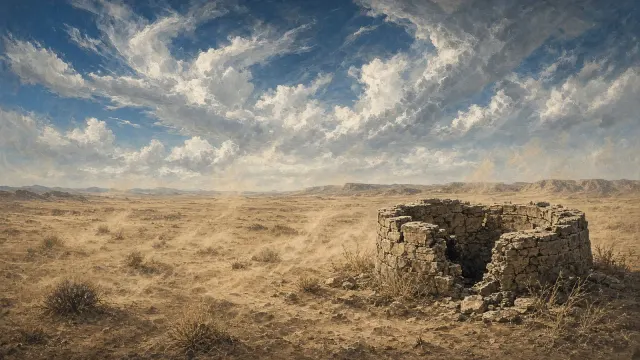
A Broken Vessel Before Public Witnesses
Jeremiah 19 returns to pottery, but the object is no longer soft clay on a wheel. Jeremiah takes a finished earthen bottle and representative elders into the valley of Hinnom, a place already marked by innocent blood and the burning of children to Baal. The witnesses matter because the sign will be performed before public leadership, not merely reported from a private encounter. The valley is renamed through the slaughter that is coming, and siege is described as the destruction of even the most basic bonds of human care. Jeremiah then breaks the vessel. Unlike the clay remade in chapter 18, this bottle represents a city entering a judgment that will not leave its existing form intact. Rooftop worship brings Jerusalem's own houses under the valley's accusation, so sacred and prestigious locations cannot distance themselves from the practices condemned there. The final movement returns to the temple court, where Jeremiah repeats the warning and names stubborn refusal to hear as its cause.
One complete chapter pageOpen chapter →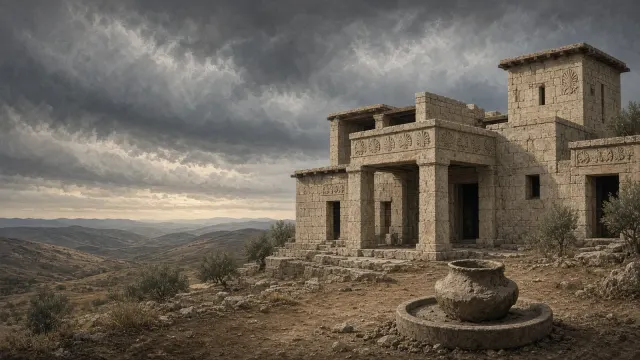
Fire Within, Terror on Every Side
Jeremiah 20 places public humiliation and private lament in the same chapter without forcing either one to explain the other away. Pashur, a priest and temple official, strikes Jeremiah and confines him in stocks for speaking the warning from chapter 19. Release does not produce retraction. Jeremiah names Pashur "terror on every side" and announces Babylonian captivity. Then the speech turns inward. Jeremiah accuses God of overpowering him, says the word has made him a daily object of ridicule, and describes silence as impossible because the word becomes fire shut up in his bones. Confidence follows as he declares that his persecutors will not prevail and calls for praise. Yet praise does not get the final line. Jeremiah curses the day of his birth and asks why he ever came from the womb to see sorrow and shame. The Book of Jeremiah leaves that last question unanswered, refusing a neat progression from despair to triumph.
One complete chapter pageOpen chapter →
Life Lies Outside the Defended City
Jeremiah 21 turns Jerusalem's expected pattern of deliverance inside out. Zedekiah sends a delegation hoping that God will act according to former wonders and drive Babylon away. Instead, the answer uses the language of divine power against the city itself. The weapons in Jerusalem's hands will not save it, and the Lord declares that he will fight against the place the king expects him to defend. The way of life is then located beyond the walls: remaining in the city leads toward sword, famine, and pestilence, while surrender to the Chaldeans preserves life as the one piece of spoil a person can carry away. The royal house receives no exemption from the chapter's moral account. The house of David is told to execute judgment and rescue the oppressed, and the city's confidence in its geography cannot replace that duty. The chapter begins with a king requesting a wonder and ends with conduct, not fortification, as the issue under judgment.
One complete chapter pageOpen chapter →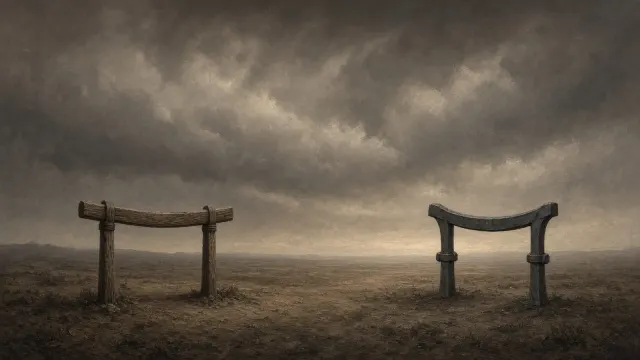
Cedar Cannot Make a King Righteous
Jeremiah 22 subjects the house of David to a test that cedar, ancestry, and royal display cannot pass on its behalf. At the palace gate, king, servants, and people are commanded to practice judgment and righteousness, protect the stranger, fatherless, and widow, and refuse innocent blood. The chapter then names royal failures one by one. Shallum will die in exile and never see his native land again. Jehoiakim's wide rooms, cedar paneling, and vermilion are read through the unpaid labor inside them, while Josiah's justice for the poor becomes the true contrast with his son's reign. Jerusalem's prosperous confidence is exposed as a long refusal to hear, and its cedar nest cannot shelter it from coming distress. Finally, Coniah is compared with a signet that can still be plucked away. His descendants are not erased, but their successful continuation on David's throne in Judah is denied. Royal legitimacy here is measured by conduct and divine purpose, not architecture or inherited entitlement.
One complete chapter pageOpen chapter →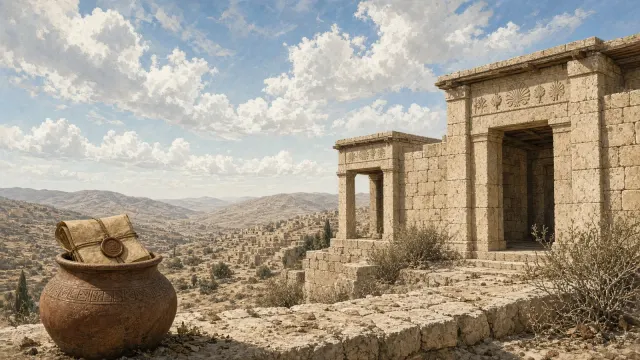
A Righteous Branch and Words That Are Not Straw
Jeremiah 23 sets failed leadership beside promises of restored leadership, then turns the same scrutiny on prophetic speech. Shepherds who scattered God's flock are held responsible for the care they withheld, while God promises to gather the remnant and provide shepherds who actually feed it. The chapter then raises a righteous Branch for David, a king defined by judgment, justice, safety, and a new act of gathering. After that promise, the language becomes an extended examination of false prophecy. Priests and prophets can occupy sacred offices while spreading profaneness through the land. Speakers can run without being sent, promise peace to people determined not to turn, claim dreams, steal one another's words, and borrow formulas that sound authoritative. Jeremiah answers with images of counsel, wheat, chaff, fire, and a hammer. The decisive question is not how confident or familiar the message sounds, but whether God actually spoke and sent the speaker, and whether the word confronts rather than protects wrongdoing.
One complete chapter pageOpen chapter →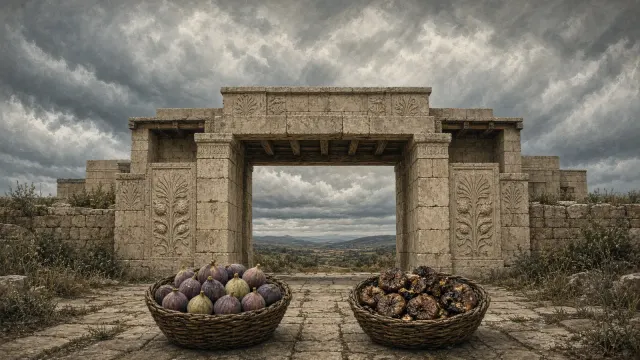
The Good Figs Are Already in Exile
Jeremiah 24 uses two baskets of figs to overturn the easiest reading of Judah's political circumstances. The vision comes after Jeconiah, officials, craftsmen, and smiths have been carried from Jerusalem to Babylon. Those deportees might look rejected, while people still in the city might look favored. The baskets reverse that assumption. The very good figs represent the exiles whom God says he has sent away "for their good." He will set his eyes on them, build and plant them, bring them back, and give them a heart to know him. Restoration is inward as well as geographical. The inedible figs represent Zedekiah, his officials, those remaining in Jerusalem, and people in Egypt. Staying in the inherited land or fleeing toward another country does not itself establish safety. The chapter therefore refuses to use location as a simple measure of divine favor. The people who have lost the city receive the promise of renewal, while those who retained or sought another refuge remain under judgment.
One complete chapter pageOpen chapter →
The Cup Reaches the Hand That Conquered
Jeremiah 25 looks back over twenty-three years of rejected warning and then widens Judah's crisis into an international reckoning. Jeremiah dates the speech to Jehoiakim's fourth year and recalls persistent prophetic sending met by persistent refusal to hear. Babylon is named as the instrument of judgment, and Nebuchadnezzar is called God's servant for that appointed work. Yet Babylon's authority is immediately given a limit. Seventy years of domination do not become permanent ownership, and the empire that conquers others will itself answer for its iniquity. The cup of fury then passes from Jerusalem through an expanding list of nations until Babylon itself receives it. Roaring, a winepress shout, whirlwind, unburied dead, and the cries of shepherds give the judgment sound, motion, and scale. The chapter begins with the long patience of messages repeatedly sent. It ends with rulers and nations unable to escape the consequences those messages announced, while the conquering power is denied any exemption from the same accounting.
One complete chapter pageOpen chapter →
A Warning on Trial, Two Prophets in Danger
Jeremiah 26 turns a temple sermon into a public trial over whether a prophet may speak against Jerusalem and still speak from God. At the beginning of Jehoiakim's reign, Jeremiah is ordered to deliver the whole warning without diminishing a word. The message still carries a route away from disaster: if the people hear and turn, God may relent. Priests, prophets, and people instead seize Jeremiah and demand his death for comparing the temple's future to Shiloh. Before officials, Jeremiah neither retracts the warning nor abandons its call to amended conduct. Elders then cite Micah, whose severe prophecy against Zion was answered in Hezekiah's time by repentance rather than execution. The chapter might have ended as a clean vindication, but Urijah prevents that simplification. He preached a comparable message, fled, was brought back from Egypt, and was killed. Jeremiah survives through Ahikam's protection. Faithful speech receives two different earthly outcomes in the same chapter, and the text does not explain them by ranking the two prophets' courage or worth.
One complete chapter pageOpen chapter →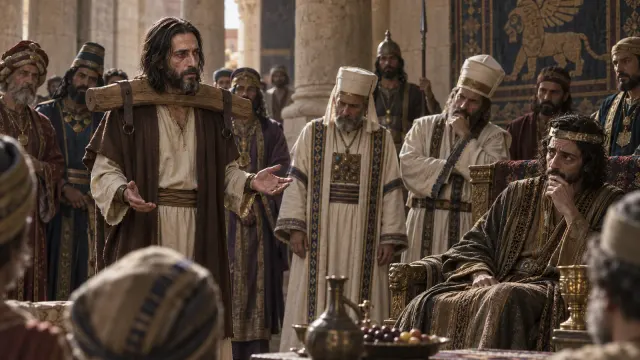
The Yoke That Leaves a Nation Alive
Jeremiah 27 makes political submission visible by placing a yoke on the prophet's neck. The sign is carried into a diplomatic setting where envoys from neighboring kingdoms are to receive the same message given to Zedekiah: Babylon's rule has been appointed for a time, and resisting it will bring the sword, famine, pestilence, and greater displacement. The chapter's counsel is deliberately narrower than a general philosophy of empire. In this crisis, accepting the yoke can allow nations to remain on their land and live. Rival prophets promise escape, but their message produces the very exile it claims to prevent. Temple vessels become the final test. Prophets who announce their quick return are challenged to intercede for the objects still in Jerusalem, because those too are about to go to Babylon. Yet the chapter does not make their loss permanent. The vessels will remain there until God visits them and brings them back. Restoration is affirmed, but its timing cannot be shortened by a more attractive prophecy.
One complete chapter pageOpen chapter →
A Broken Yoke and an Unbroken Warning
Jeremiah 28 stages the clash between Jeremiah and Hananiah in the temple before priests and people. Hananiah speaks with the same divine title and offers a precise, attractive promise: within two years the temple vessels, Jeconiah, and the captives will return because Babylon's yoke has been broken. Jeremiah answers "Amen," showing that he can desire the outcome without accepting the prophecy as authentic. Fulfillment becomes the test for a message of peace. Hananiah then seizes the wooden yoke from Jeremiah's neck and breaks it in public, turning disagreement into spectacle. Jeremiah simply leaves until a later word comes to him. The answer does not repair the wooden prop. It replaces wood with iron and reasserts Babylon's appointed rule. Finally, Jeremiah announces a second timetable, much shorter than Hananiah's. Hananiah will die within the year, and the chapter records his death in the seventh month. The nearest dated prediction reaches fulfillment before the promised two-year restoration ever arrives.
One complete chapter pageOpen chapter →
A Letter for People Who Must Stay
Jeremiah 29 addresses people who must stop organizing their lives around an immediate return. From Jerusalem, Jeremiah sends a letter to the exiled community in Babylon telling them to build houses, plant gardens, marry, raise children, and seek the peace of the city where they now live. The command's timescale is the point. Exile will be long enough for ordinary life and another generation to matter. Only inside that horizon comes the promise of return after seventy years and the assurance of an "expected end." The future is real, but it does not cancel the present. The letter then warns that people still in Jerusalem are not necessarily safer than those deported, and it names false prophets among the exiles whose conduct and claims will be judged. Shemaiah's correspondence completes the chapter by trying to have Jeremiah restrained for telling the captives to settle down. Instead, the complaint is read to Jeremiah, and the man opposing the long horizon is excluded from the good restoration he tried to hurry.
One complete chapter pageOpen chapter →
An Incurable Wound Is Not the Last Word
The Book of Jeremiah turns from siege and ruin toward a future that does not pretend either one was small. The chapter begins by ordering the promise itself to be written, then places restoration beside a day of terror so severe that strong men are pictured doubled over in pain. The same voice that names Jacob’s trouble also promises that Jacob will be saved out of it. Foreign yokes will break, yet release is not described as life without rule or correction. The people will serve the Lord, and the promised Davidic ruler stands beyond the immediate kings who have failed them. Zion’s wound is called incurable with no softening of the diagnosis, but the Lord then undertakes the cure no human remedy can supply. Houses, children, worship, government, and ordinary celebration return together. The closing whirlwind keeps judgment in the chapter, so hope never depends on forgetting why the wound came.
One complete chapter pageOpen chapter →
The Covenant Reaches the Heart
Jeremiah 31 is crowded with return, but the chapter keeps giving that return a human scale. Vineyards are planted by people who will actually eat their fruit, roads are made passable for travelers who cannot simply power through hardship, and Rachel’s weeping is allowed to interrupt the celebration. Ephraim’s confession is answered as the voice of a remembered son. The Book of Jeremiah then moves from marked roads and restored farms to a change of direction in the Lord’s own commission: the verbs once used for uprooting and destruction now turn toward building and planting. At the center stands the new covenant, addressed to Israel and Judah, in which the law is written inwardly, knowledge of the Lord reaches from least to greatest, and forgiven sin no longer remains as an outstanding charge. The chapter finally looks outward again to sun, moon, stars, measuring lines, gates, and valleys. Inward renewal ends with a real city, even its places of death claimed as holy.
One complete chapter pageOpen chapter →
Seventeen Shekels for a Future
Jeremiah 32 builds its hope with legal paperwork. Jerusalem is under siege, Jeremiah is confined, and the prophet who has insisted that Babylon will win is told to buy a field in territory he cannot presently enjoy. Seventeen shekels are weighed, witnesses watch, documents are signed and sealed, and Baruch is told to preserve them because ordinary ownership will one day matter again. The Book of Jeremiah then refuses to make obedience look effortless. Jeremiah completes the purchase and afterwards asks how it can fit the catastrophe visibly closing around the city. The Lord’s answer first confirms the fire, the conquest, and the long record of rebellion. Only then does it turn to gathering, one heart, an everlasting covenant, and divine delight in planting the people back in the land. By the end, Jeremiah’s strange transaction has become a preview of normal life. Fields will again be bought everywhere, with the same signatures, seals, money, and witnesses.
One complete chapter pageOpen chapter →
The City Will Have Voices Again
Jeremiah 33 gives its promises to a man who is still locked up while the city around him is being dismantled. The Book of Jeremiah does not hide the dead or the ruined houses before speaking of healing. It sets cure, pardon, and restoration directly against those conditions, then makes the future audible through wedding voices, praise, shepherds, and the unglamorous sound of someone counting sheep. The chapter next returns to Davidic rule and priestly service. A righteous Branch grows from David, Jerusalem receives a name tied to the Lord’s righteousness, and government and worship are promised continuity. To answer the claim that devastation means abandonment, the chapter reaches beyond institutions already collapsing and points to day, night, heaven, and earth. If the created order can be broken at will, then the covenant can be treated as finished. Until then, the ruined city is not evidence that Jacob and David have been discarded. Judgment has been severe, but the final verbs are return and mercy.
One complete chapter pageOpen chapter →
The Freedom That Jerusalem Took Back
Jeremiah 34 places a public act of liberty inside Jerusalem’s last military collapse and then shows what happens when that liberty is revoked. Zedekiah first hears a word that distinguishes capture from the manner of his death: the city will burn and he will go to Babylon, yet he is promised death in peace rather than by the sword. The chapter then turns from royal fate to Hebrew servants. Jerusalem makes a covenant to release them, actually lets them go, and then forces them back into bondage. The Book of Jeremiah reaches behind that act to the exodus and to the command that Israel not make permanent property of its own brothers and sisters. The temple covenant had been real enough to make the reversal worse, not better. In response, “liberty” is turned into a grim word of judgment, liberty to sword, famine, and pestilence. The divided calf and the returning Babylonian army expose the cost of treating a solemn promise as reversible when its human consequences become inconvenient.
One complete chapter pageOpen chapter →
The Cups Remain Full
Jeremiah 35 steps backward in time to the reign of Jehoiakim and places one household’s stubborn obedience beside Judah’s repeated refusal to listen. Jeremiah brings the Rechabites into a temple chamber, sets full pots and cups of wine before them, and tells them to drink. They refuse, not because wine has suddenly become the chapter’s universal test of righteousness, but because Jonadab their ancestor gave their family a rule that has shaped generations of life. They avoid wine, permanent houses, fields, and vineyards, and wartime danger has driven them into Jerusalem without erasing the rule they still keep. The Book of Jeremiah then uses that fidelity as a comparison. One human ancestor spoke once and is still obeyed, while the Lord has sent prophets repeatedly and Judah has not listened. The chapter never converts the Rechabite lifestyle into a command for everyone. Its focus is hearing and doing. The family that remembered receives a promise that its line will continue before the Lord.
One complete chapter pageOpen chapter →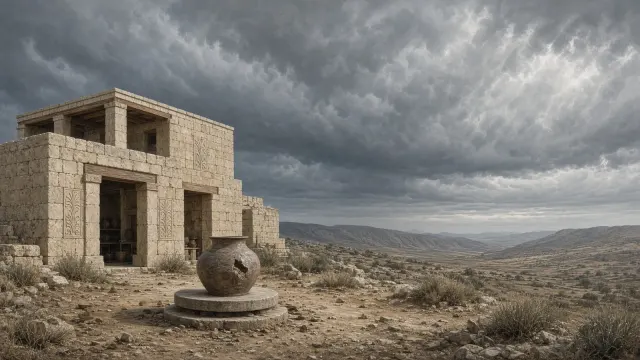
The Scroll the Fire Could Not Finish
Jeremiah 36 is built around the strange durability of words written on something that can burn. Jeremiah dictates years of prophetic warning to Baruch because Judah still has an opportunity to hear, turn, and receive forgiveness. Since Jeremiah cannot enter the temple, the scroll travels in his place. Baruch reads it publicly, Michaiah carries its substance to royal officials, and those officials summon Baruch to hear the document for themselves. Their fear contrasts with Jehoiakim’s response. In the winter room, the king listens only far enough to cut each portion away and feed it to the fire. He does not tear his garments; he tears the scroll. Yet burning the copy does not reach the source. The Book of Jeremiah orders a second scroll containing the former words, then adds “many like words” besides. The attempted act of suppression therefore produces more writing, not less. The chapter ends with Baruch again taking dictation, while the king’s fire has proved capable of consuming parchment and incapable of finishing the message.
One complete chapter pageOpen chapter →
A Lifted Siege Is Not a Changed Word
Jeremiah 37 shows how easily a temporary military change can be mistaken for a changed prophetic word. Zedekiah has not listened to Jeremiah, yet he still sends for prayer when Egypt’s advance causes the Chaldeans to withdraw from Jerusalem. The Book of Jeremiah answers the momentary relief by saying Egypt will retreat and Babylon will return. Even an absurdly weakened Chaldean force would still burn the city, because the announced outcome does not rest on favorable battlefield odds. Jeremiah later tries to leave for Benjamin and is accused of desertion. He denies the charge, but the officials beat and imprison him. After many days, Zedekiah secretly asks whether there is a word from the Lord. The answer remains exactly what it was before confinement: the king will be delivered to Babylon. Jeremiah does not pretend prison is irrelevant, though. He asks not to be sent back to a place where he may die and receives a safer confinement and a daily ration of bread. The word remains unchanged while the prophet’s bodily circumstances matter greatly.
One complete chapter pageOpen chapter →
Cords, Worn Cloth, and One Last Audience
Jeremiah 38 brings the conflict over surrender down to mud, cords, cloth, and the fear of one king. Officials argue that Jeremiah’s message is destroying military morale because he tells people life can be preserved by going out to Babylon. Zedekiah yields him into their hands, and they lower him into a cistern where he sinks in mire. Ebedmelech, an Ethiopian court official, calls the act evil and organizes a rescue with old rags placed under Jeremiah’s arms so the cords do not injure him. The Book of Jeremiah then gives Zedekiah one more private audience. Jeremiah still offers a concrete alternative: surrender and live, or refuse and lose the city. The king admits he fears ridicule from Judean defectors. Jeremiah answers that fear directly, then warns that refusal will bring a worse humiliation. The chapter ends with the conversation concealed and Jeremiah still confined. A hearing has occurred, but no royal obedience is recorded before Jerusalem falls.
One complete chapter pageOpen chapter →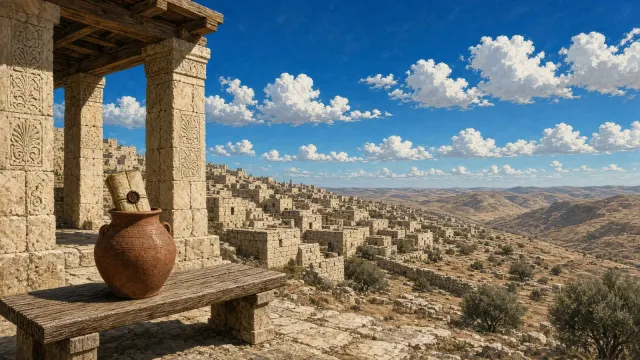
The Breach, and the Lives Preserved Within It
Jeremiah 39 records Jerusalem’s fall with dates, names, and consequences that make the long predicted catastrophe painfully specific. After a siege lasting into Zedekiah’s eleventh year, Babylon breaches the city and its officials take their places inside the gate. Zedekiah flees by night instead of surrendering as Jeremiah had urged. He is captured, taken before Nebuchadnezzar, forced to witness the death of his sons, blinded, and chained for Babylon. The Book of Jeremiah then widens the lens. Houses burn, walls come down, many are deported, and some of the poorest inhabitants receive fields and vineyards. Jeremiah himself is protected by order of the Babylonian king and released to live among the remaining people. Finally, the chapter reaches backward to a promise made to Ebedmelech while Jeremiah was still confined. The city’s judgment will come, but Ebedmelech will survive because he trusted the Lord. The fall is therefore devastating without becoming an indistinguishable fate for every person within it.
One complete chapter pageOpen chapter →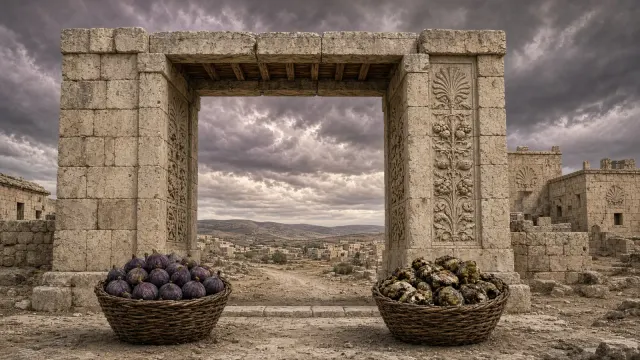
A Harvest Beneath a Threatened Peace
Jeremiah 40 opens with a strange reversal: a Babylonian commander explains Jerusalem’s fall in the same moral terms Jeremiah has been preaching. Nebuzaradan releases the prophet at Ramah, offers him security in Babylon or freedom to remain, and Jeremiah chooses life among the remnant under Gedaliah at Mizpah. The Book of Jeremiah then turns toward the practical work of surviving conquest. Gedaliah asks scattered military leaders to accept Babylonian rule, live in the land, and gather wine, fruit, and oil. Refugees hear that a remnant remains and come home from surrounding countries, producing an abundant harvest in a land recently marked by famine. Yet the recovery is fragile. Johanan warns Gedaliah that Ishmael has been sent to kill him and even offers to eliminate Ishmael secretly. Gedaliah rejects both the warning and the proposal. The chapter ends with the harvest still present but the governor’s life hanging over it, making peace feel possible and precarious at the same time.
One complete chapter pageOpen chapter →
A Meal That Breaks the Remnant
Jeremiah 41 destroys the tentative stability of the previous chapter in a sequence of betrayal, murder, deception, captivity, and fear. Ishmael comes to Gedaliah’s table, eats bread with him, and then kills the governor whose administration had allowed a remnant to remain in Judah. He also kills Judeans and Chaldeans at Mizpah, turning local violence into an attack that the survivors reasonably fear Babylon will answer. The Book of Jeremiah then follows Ishmael as he deceives mourners, fills an old pit with bodies, and carries the remaining population away. Ten men survive by offering access to hidden stores of food, a grim echo of the abundant harvest that had just signaled recovery. Johanan pursues Ishmael and recovers the captives, but Gedaliah cannot be restored and Ishmael escapes. The rescued community gathers near Bethlehem, already intending to go to Egypt. By the end, deliverance from one captor has not restored confidence in the land. Fear of Babylon now drives the remnant toward another departure.
One complete chapter pageOpen chapter →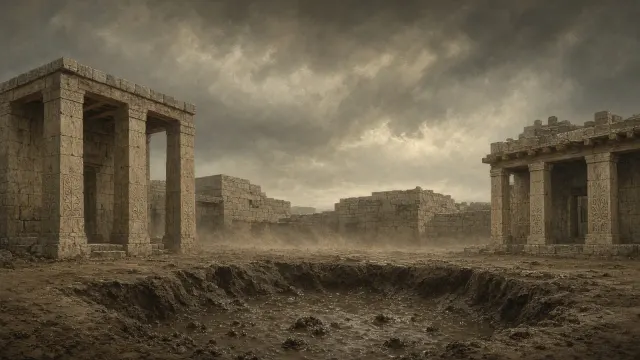
The Answer They Asked for, but Did Not Want
Jeremiah 42 turns a request for guidance into a test of whether the remnant truly wants an answer or only confirmation. Johanan, the commanders, and the people from least to greatest ask Jeremiah to pray and promise beforehand that they will obey whatever the Lord says, whether the answer feels good or bad to them. Ten days later, the answer comes. The Book of Jeremiah offers them a future in Judah: remain in the land, and the Lord will build, plant, protect, and show mercy. Egypt, by contrast, will not provide the silence from war and hunger they imagine. Sword, famine, and pestilence will follow them there. The warning finally becomes explicit, “Go ye not into Egypt.” Jeremiah then accuses them of having dissembled in their hearts when they made their broad promise of obedience. The chapter ends with their desired destination exposed. They asked which way to walk, but Egypt had already become the answer they hoped to hear.
One complete chapter pageOpen chapter →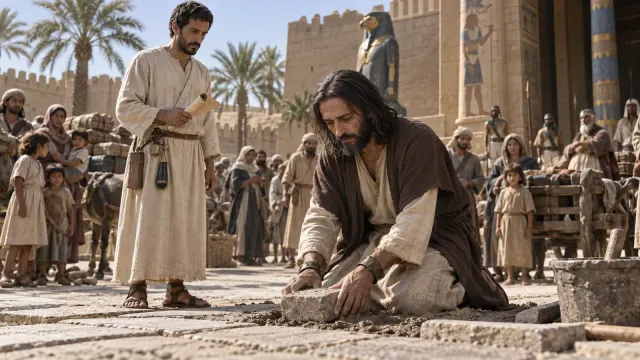
Stones Beneath Pharaoh's Doorway
Jeremiah 43 shows the remnant rejecting the very answer it commissioned. Once Jeremiah finishes speaking all the words he was sent to give, Azariah, Johanan, and others call him false and accuse Baruch of manipulating the message to hand them over to Babylon. The Book of Jeremiah records the accusation but gives it no support. Earlier chapters showed Baruch serving as Jeremiah’s scribe and reader, not inventing prophecy. The leaders then take the entire remnant into Egypt, including Jeremiah and Baruch, reversing the recent return of people who had come back to live in Judah. Their arrival at Tahpanhes does not end the prophetic word. Jeremiah is told to hide large stones near Pharaoh’s house in view of Judean witnesses and announce that Nebuchadnezzar will set his throne over that spot. Egypt’s temples, images, and royal space are all placed under coming Babylonian judgment. The refuge chosen to escape Babylon becomes another country into which Babylon is prophetically invited.
One complete chapter pageOpen chapter →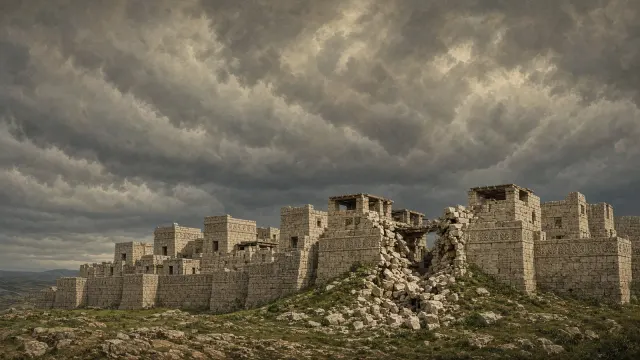
Two Explanations for the Same Ruins
Jeremiah 44 is an argument over causation conducted among Judeans living throughout Egypt. Both Jeremiah and his opponents agree that Jerusalem has become a ruin. They disagree completely about why. The people defend worship of the queen of heaven by appealing to remembered prosperity: when they burned incense and poured offerings, they had food and security; after stopping, they suffered sword and famine. Jeremiah answers that the worship they credit with blessing was itself part of the disobedience that brought judgment after years of warning. The Book of Jeremiah makes the disagreement unusually clear because both sides interpret the same history. Their mouths then harden into competing commitments. The people vow to continue their offerings, and the Lord answers with an oath that judgment will reach them in Egypt. A small number will still escape and return to Judah, preserving the exception inside the severe warning. Pharaoh Hophra’s coming downfall becomes the sign that Egypt’s king is no more able than Zedekiah was to decide whose word will stand.
One complete chapter pageOpen chapter →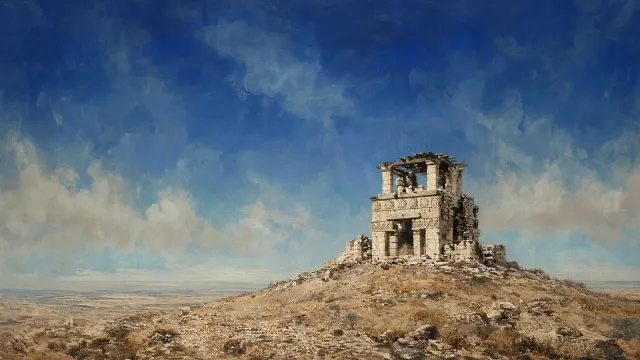
A Promise Small Enough to Carry
Baruch appears here not merely as the hand that wrote Jeremiah’s words, but as a named man whose own grief is placed inside the record. The date reaches back to Jehoiakim’s fourth year, the season of the scroll, while Baruch’s complaint speaks of added sorrow, exhaustion, and no rest. The answer does not explain every private disappointment behind that lament. Instead, it sets his unnamed “great things” beside a land the LORD says he will break down and uproot. What remains is smaller and harder: life “for a prey,” carried through danger rather than protected from it. The chapter is brief because the promise is brief, but its scale fits the man who must live through much larger events.
One complete chapter pageOpen chapter →
Egypt's Noise and the King's Word
Egypt enters the oracles with military spectacle, but the Book of Jeremiah keeps turning display into collapse. At Carchemish, shields, horses, helmets, spears, and allied contingents assemble only to flee and stumble by the Euphrates. Egypt rises in its own imagination like a flood, yet the day is named by the LORD of hosts, and its wound resists the balm of Gilead. A second word brings the danger inside Egypt itself, where Pharaoh is reduced to “but a noise” while the LORD is named “the King.” The images then shift through heifer, serpent, forest, and innumerable attackers before the chapter makes two distinctions that matter: Egypt will afterward be inhabited, and Jacob will be corrected without being brought to a full end.
One complete chapter pageOpen chapter →
The Sword That Cannot Yet Rest
The Philistine oracle is only seven verses, but it compresses an invasion into sound. Waters rise from the north and become hoofbeats, rushing chariots, and rumbling wheels. The force of the passage is not a battlefield tally but the collapse of ordinary protection, with fathers too weakened by fear to turn back toward their children. Gaza and Ashkelon move into visible mourning, and then the language turns directly toward the sword of the LORD. Someone asks how long before it can be quiet, sheathed, and still. The answer does not mock the desire for rest. It simply says the sword has been given a charge against Ashkelon and the seacoast. Lament and commission remain beside one another at the close.
One complete chapter pageOpen chapter →
Moab's Wine Is Poured Out
Moab’s long oracle keeps taking apart the forms of confidence by which a settled country imagines itself secure. Town after town carries the alarm, Chemosh goes into captivity with priests and princes, and trust in works and treasure proves unable to hold the land. The governing image is wine: Moab has rested on its lees, unpoured and unchanged, until the coming judgment empties the vessels and breaks them. Yet the Book of Jeremiah does not answer Moab’s earlier delight in Israel’s humiliation with simple delight of its own. Pride is condemned, but the oracle howls, weeps, and lets the lost vineyards and harvests sound through the judgment. Fear, pit, snare, and fire close off escape, then one final “Yet” opens another horizon with a promise that Moab’s captivity will be restored in the latter days.
One complete chapter pageOpen chapter →
No Refuge Outside the Word
Jeremiah 49 moves rapidly across Ammon, Edom, Damascus, Kedar and Hazor, and Elam, but each address has its own pressure point. Ammon trusts valleys and treasure after occupying Gad, then hears that the inheritance will reverse. Edom’s famous wisdom cannot find a hiding place, and its high rocky nest becomes useless when the image of the eagle changes sides. Damascus, the “city of praise,” hears bad news before fire reaches the palaces of Benhadad. Kedar and Hazor have no walls like a great city, yet their tents, flocks, camels, and isolation do not make remoteness an exemption. Elam loses the bow called “the chief of their might” and is scattered to the four winds. The chapter also refuses one uniform ending: Ammon and Elam receive explicit promises of restoration, while other oracles close differently.
One complete chapter pageOpen chapter →
The Hammer Is Broken
Babylon now hears the kind of word it had long carried toward others. The “hammer of the whole earth” is broken, the captor becomes spoil, and a northern force advances against the empire that once came from the north upon Judah. Yet Babylon’s fall is never isolated from the people held in its grasp. Israel and Judah come together asking the way to Zion, scattered sheep are led back toward pasture, and pardon reaches guilt the book had never denied. The chapter is equally clear that Babylon’s earlier role as an instrument does not excuse its pride, cruelty, temple destruction, or refusal to let captives go. Against that refusal stands the strong Redeemer who will “plead their cause.” The city that once made other kings fear reports now has a king whose own hands grow feeble when the report reaches him.
One complete chapter pageOpen chapter →
A Scroll Sinks in the Euphrates
The final oracle against Babylon gathers image after image because the empire’s apparent permanence has to be dismantled from every angle. A destroying wind scatters it, a golden cup that intoxicated nations cannot heal itself, many waters and abundant treasure are set beside the Creator who brings wind from his own treasures, and the destroying mountain is rolled down. Named coalitions assemble while Babylon’s defenders stay in their holds and messengers run toward the king with news he cannot reverse. Zion is allowed to name what Nebuchadnezzar did to her, and the LORD answers, “I will plead thy cause.” The people are told to leave Babylon while remembering Jerusalem from far away. At last Seraiah reads the written judgment, weights the scroll with a stone, and casts it into the Euphrates, turning Babylon’s announced sinking into a performed sign.
One complete chapter pageOpen chapter →
A Ruined City and a Place at the Table
The Book of Jeremiah closes with a historical record in which earlier warnings acquire dates, names, measurements, and totals. Zedekiah’s rebellion ends with famine, breach, flight, capture, the death of his sons before him, blindness, and prison. Jerusalem is burned in stages, some of the poor are deported while others remain to work the land, and the temple is remembered through an inventory so detailed that pillars, vessels, network, and pomegranates remain visible even as their metal is carried away. Priests, royal attendants, military officials, and men of the land are taken to Riblah and executed. Three deportation notices total 4,600 people across different years. Then the scale narrows to one captive king. Jehoiachin leaves prison, changes garments, receives a place at the table, and is given bread every day for the rest of his life.
One complete chapter pageOpen chapter →Source: eBible.org · eng-kjv2006