
The big picture
Sharp contrasts recall the ruin of Jerusalem, also called Zion. People once valued like gold are treated like common pots. Those raised in luxury lie in the streets, while hunger destroys ordinary care for children. Priests and prophets share blame for bloodshed, and hoped-for help never comes. The king seemed to offer shelter. Now he is captured. Edom is a neighbouring nation that rejoices at the fall. The lament warns it that God will expose its sin too.
In this chapter
- Precious Lives Are Treated as Common Clay Lamentations 4:1-6
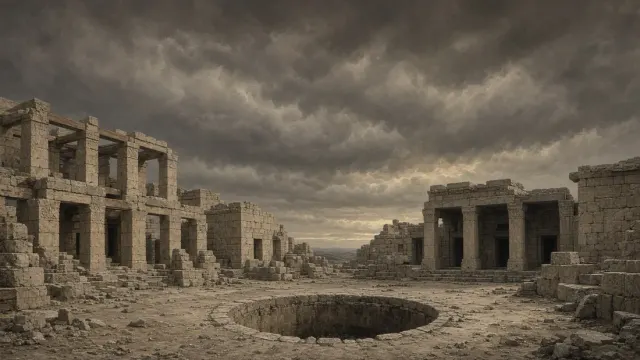
Gold has lost its shine, and sanctuary stones lie scattered in the streets.
- Famine Makes the Once Healthy Unrecognisable Lamentations 4:7-10
The people under special vows once looked bright and healthy.
- Bloodshed Corrupts the Leaders Who Should Guide Lamentations 4:11-16
Fire from the Lord's anger reaches the city's foundations.
- Expected Help and Royal Shelter Both Fail Lamentations 4:17-20
The people strain their eyes watching for help from a nation unable to save them.
- The Rejoicing Neighbour Will Drink in Turn Lamentations 4:21-22
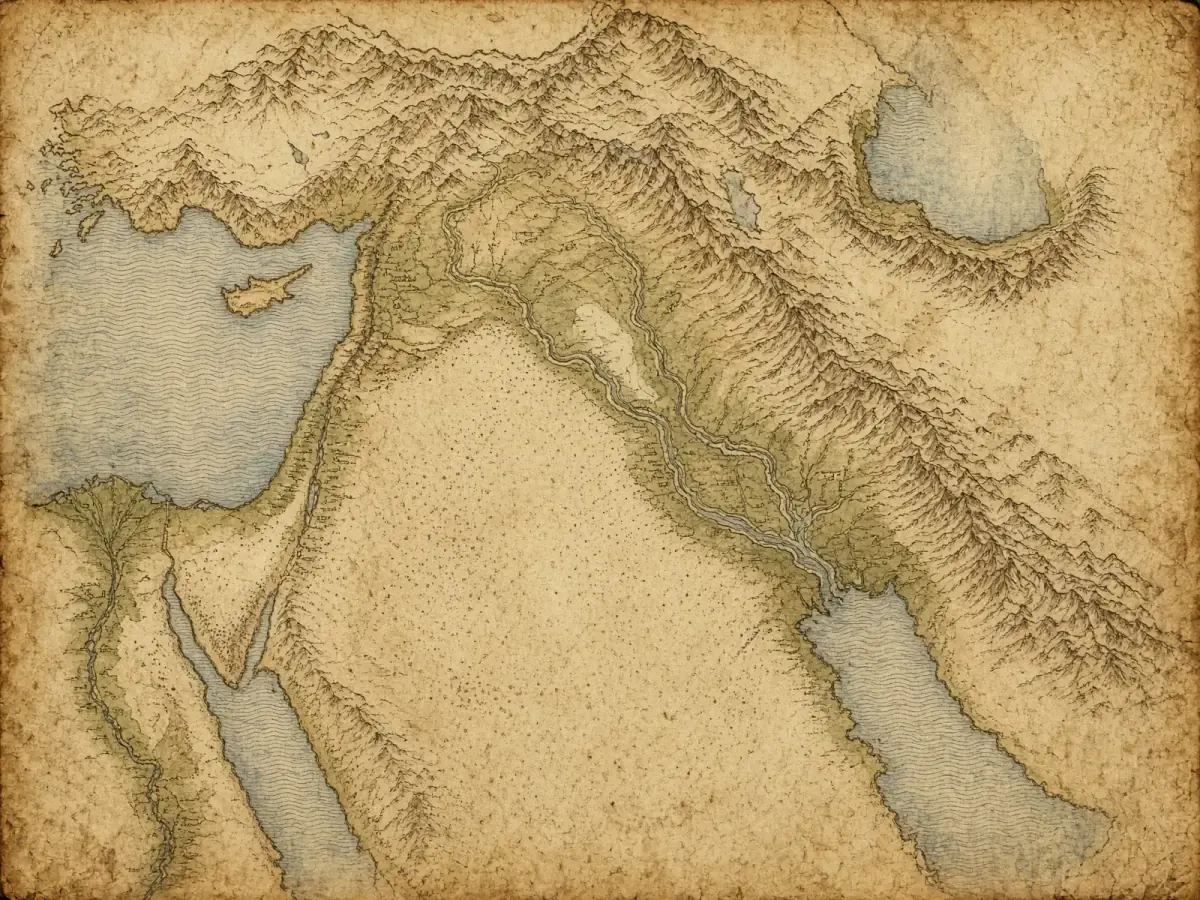
Edom, a neighbouring nation dwelling in the region called Uz, is addressed in its delight over the city's fall.
Central truth
Jerusalem's loss strips away wealth, status, and false security, while the ending warns that a rejoicing neighbour will face judgement too.

Scripture beside the summary
Lamentations · King James Version · 22Lamentations 4:1-6
Precious Lives Are Treated as Common Clay
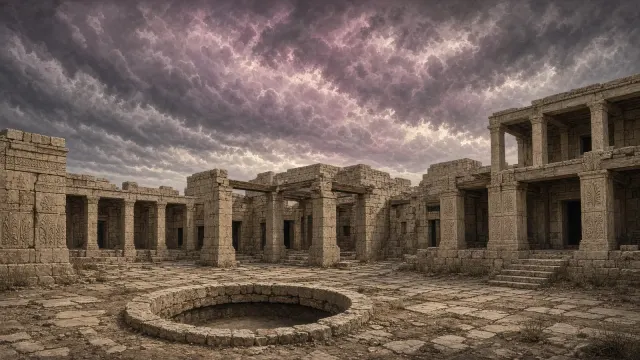
Gold has lost its shine, and sanctuary stones lie scattered in the streets. The city's precious children, once compared to fine gold, are treated like ordinary clay jars. Even wild creatures feed their young, while the people appear cruel like birds that neglect theirs. Infants thirst, and children ask for bread without receiving it. Those used to rich food and fine clothing now lie among refuse. The city's punishment is compared with Sodom, a city destroyed suddenly under judgement. This drawn-out suffering is described as worse than that swift overthrow.

In everyday life
A food-bank worker receives a former restaurant owner wearing the worn remains of an expensive coat. The visitor now needs the same basic parcel as every household in the queue. Past wealth cannot feed the children waiting at home. Lamentations describes prolonged famine and divine punishment, not a temporary loss of income alone.
Notice
Lamentations 4:5 Those raised in fine clothing now lie among refuse. The contrast shows that former wealth and social standing have not insulated people from the city's common hunger.
Lamentations 4:1-6
King James Version1How is the gold become dim! how is the most fine gold changed! the stones of the sanctuary are poured out in the top of every street.
2The precious sons of Zion, comparable to fine gold, how are they esteemed as earthen pitchers, the work of the hands of the potter!
3Even the sea monsters draw out the breast, they give suck to their young ones: the daughter of my people is become cruel, like the ostriches in the wilderness.
4The tongue of the sucking child cleaveth to the roof of his mouth for thirst: the young children ask bread, and no man breaketh it unto them.
5They that did feed delicately are desolate in the streets: they that were brought up in scarlet embrace dunghills.
6For the punishment of the iniquity of the daughter of my people is greater than the punishment of the sin of Sodom, that was overthrown as in a moment, and no hands stayed on her.
Lamentations 4:7-10
Famine Makes the Once Healthy Unrecognisable
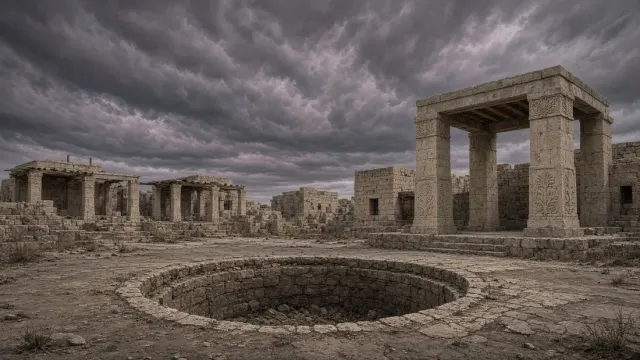
The people under special vows once looked bright and healthy. Now their faces are dark, their skin clings to bone, and people fail to recognise them in the streets. The lament calls those killed quickly by the sword more fortunate than those slowly dying of hunger. The absence of food wears life away. It then names a horrific result: women known for compassion have cooked their own children for food. Famine has ruined their bodies. It has also broken the bonds by which people care for each other. The account does not soften that horror.
In everyday life
The famine relief archivist listens to survivors describe acts they can scarcely bear to name from the worst days of starvation. She preserves their testimony without staging or displaying the horror for an audience. The record must neither hide nor sensationalise the loss. Lamentations speaks directly from a city under divine judgement, not from a later documentation project.
Notice
Lamentations 4:9 The comparison favours a quick death over prolonged hunger. It measures famine by the drawn-out suffering of bodies deprived of food, not only by the number who die.
Lamentations 4:7-10
King James Version7Her Nazarites were purer than snow, they were whiter than milk, they were more ruddy in body than rubies, their polishing was of sapphire:
8Their visage is blacker than a coal; they are not known in the streets: their skin cleaveth to their bones; it is withered, it is become like a stick.
9They that be slain with the sword are better than they that be slain with hunger: for these pine away, stricken through for want of the fruits of the field.
10The hands of the pitiful women have sodden their own children: they were their meat in the destruction of the daughter of my people.
Lamentations 4:11-16
Bloodshed Corrupts the Leaders Who Should Guide
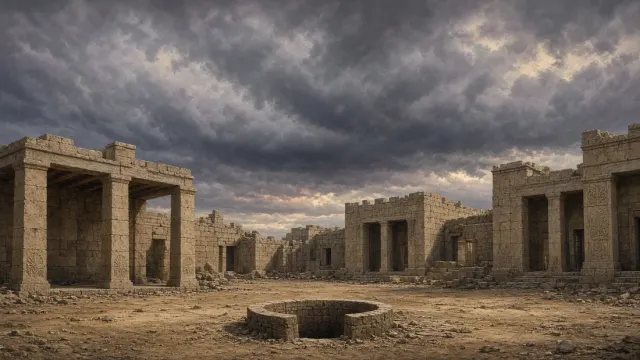
Fire from the Lord's anger reaches the city's foundations. Rulers elsewhere had not believed an enemy could enter its gates, yet the impossible has happened. The lament names the sins of prophets and priests who shed innocent blood. They now wander like blind people, stained so badly that others will not touch their clothes. Cries drive them away as unclean, and foreign peoples refuse them a place to stay. God scatters them, and their former status no longer brings respect. Sacred office has not removed the guilt of the violence they committed.
In everyday life
A safeguarding reviewer reads findings against trusted religious leaders whose conduct left people harmed. Titles once used to secure confidence now appear beside specific failures and offences. She keeps the victims' treatment central rather than protecting the office's reputation. Lamentations describes blood-guilt, divine scattering, and ritual uncleanness, not merely an institutional investigation.
Notice
Lamentations 4:13 The leaders' guilt includes shedding innocent blood. They did more than give an unwelcome message. They shed blood. Their later rejection is tied to that guilt.
Lamentations 4:11-16
King James Version11The LORD hath accomplished his fury; he hath poured out his fierce anger, and hath kindled a fire in Zion, and it hath devoured the foundations thereof.
12The kings of the earth, and all the inhabitants of the world, would not have believed that the adversary and the enemy should have entered into the gates of Jerusalem.
13For the sins of her prophets, and the iniquities of her priests, that have shed the blood of the just in the midst of her,
14They have wandered as blind men in the streets, they have polluted themselves with blood, so that men could not touch their garments.
15They cried unto them, Depart ye; it is unclean; depart, depart, touch not: when they fled away and wandered, they said among the heathen, They shall no more sojourn there.
16The anger of the LORD hath divided them; he will no more regard them: they respected not the persons of the priests, they favoured not the elders.
Lamentations 4:17-20
Expected Help and Royal Shelter Both Fail
The people strain their eyes watching for help from a nation unable to save them. Enemies hunt their steps so they cannot move safely through the streets. The end feels near and unavoidable. Pursuers move faster than eagles, following them into mountains and waiting in the wilderness. The Lord's anointed king, regarded as their breath and shelter, is caught in enemy traps. They had expected to live under his protection even among foreign nations. They looked abroad for help. They also trusted their king. Both have failed, and the pursuers leave them no safe path.
In everyday life
The displaced family waits at a closed transport point for a promised escort that never arrives. The official they expected to arrange passage has also been detained. They must face that both sources of protection are gone. The lament concerns failed foreign help and a captured anointed king, not only a broken transport plan.
Notice
Lamentations 4:20 The king is remembered as the shelter under which the people expected to live abroad. His capture destroys a hope that had extended even beyond loss of the homeland.
Lamentations 4:17-20
King James Version17As for us, our eyes as yet failed for our vain help: in our watching we have watched for a nation that could not save us.
18They hunt our steps, that we cannot go in our streets: our end is near, our days are fulfilled; for our end is come.
19Our persecutors are swifter than the eagles of the heaven: they pursued us upon the mountains, they laid wait for us in the wilderness.
20The breath of our nostrils, the anointed of the LORD, was taken in their pits, of whom we said, Under his shadow we shall live among the heathen.
Lamentations 4:21-22
The Rejoicing Neighbour Will Drink in Turn
Edom, a neighbouring nation dwelling in the region called Uz, is addressed in its delight over the city's fall. Its turn with the cup will come. Drunkenness and exposure picture the shame judgement will bring. The city's own punishment is declared complete, with no further carrying away into captivity in this promise. Edom's wrongdoing, by contrast, will be visited and uncovered. Jerusalem is shamed now. Yet its punishment has a limit. Its neighbour rejoices at the loss. That does not make the neighbour safe from judgement.

In everyday life
A mediation chair hears one household celebrate a neighbour's public disgrace while hiding evidence of its own misconduct. She brings that evidence into the hearing and refuses to let mockery stand as a defence. One case does not settle the other. The lament promises an end to Zion's punishment and God's coming judgement on Edom.
Notice
Lamentations 4:22 Punishment completed for Zion is set beside sin exposed for Edom. The final comparison gives the afflicted city hope without treating its neighbour's gloating as innocent.
Lamentations 4:21-22
King James Version21Rejoice and be glad, O daughter of Edom, that dwellest in the land of Uz; the cup also shall pass through unto thee: thou shalt be drunken, and shalt make thyself naked.
22The punishment of thine iniquity is accomplished, O daughter of Zion; he will no more carry thee away into captivity: he will visit thine iniquity, O daughter of Edom; he will discover thy sins.
Details worth noticing
The opening image
Lamentations 4:1 begins with “How is the gold become dim! how is the most fine gold changed! the stones of the sanctuary are poured out in the top of every street.”
Where the chapter turns
Lamentations 4:11 forms a natural hinge: “The LORD hath accomplished his fury; he hath poured out his fierce anger, and hath kindled a fire in Zion, and it hath devoured the foundations thereof.”
The final note
Lamentations 4:22 leaves the reader with “The punishment of thine iniquity is accomplished, O daughter of Zion; he will no more carry thee away into captivity: he will visit thine iniquity, O…”
A word trail through the chapter
The words daughter, streets, become, depart, gold, hands help reveal the chapter’s repeated concerns.
KJV words made clear
- Nazarites
- People set apart by a special vow to God.
- visage
- The face or outward appearance of a person.
- sodden
- Boiled or cooked, used here within a description of famine.
Music and video connected to the passage
Related media appears when its Scripture reference overlaps this study. Music and video can illuminate a theme while the biblical text remains the foundation.