New · FreePlay The Witnesses The in-depth puzzle battle quest through Bible history

People of the Bible

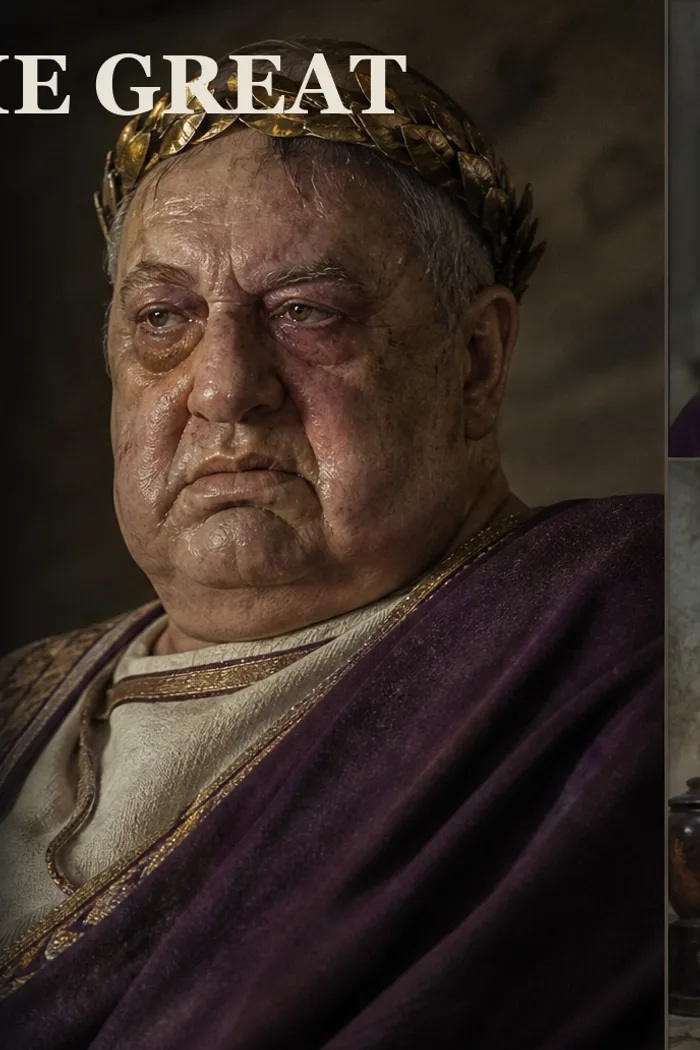
Herod the Great

Rebuilt the temple on a scale nobody had seen since Solomon, and killed a village of children over a rumour.

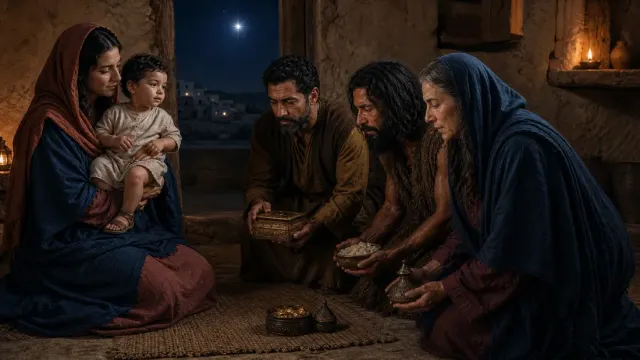
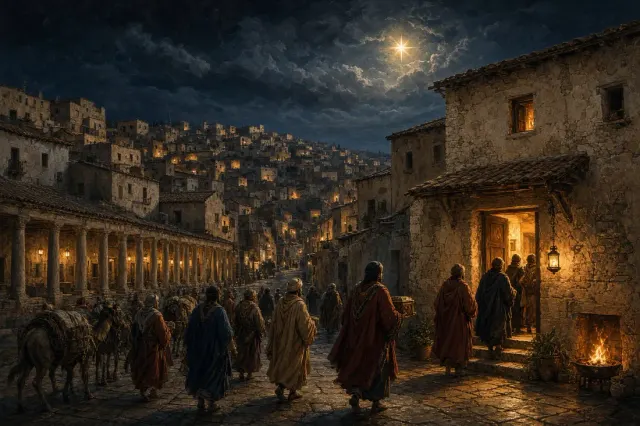
Herod is king of Judea by appointment of Rome, a builder of harbours, fortresses and the temple itself, and a man who had already executed a wife and three of his own sons. When magi arrive from the east asking where the king of the Jews is born, he is troubled, and all Jerusalem with him, which is the more telling half of the sentence. He assembles the chief priests and scribes, gets the answer in one verse of Micah, and then meets the visitors privately to establish the date.

Where he appearsMatthew 2

Scroll down to the account
Herod the Great

The movements, in the order the text gives them.

The Account of Herod the Great

  1. 01

    Matthew 2:1-6

    He was troubled, and all Jerusalem with him

    The question is asked publicly by foreigners. He gathers the chief priests and scribes and demands where Christ should be born, and they answer out of Micah without hesitating.

    Herod gets Bethlehem from the Scriptures, not from the star. The visitors know that a king has been born; the chief priests and scribes supply the place. Matthew brings those two kinds of knowledge into the same room without making them the same response. The visitors have come to worship. The advisers can identify the relevant prophecy. Herod asks where the Christ should be born. An accurate answer is available to everyone at the meeting.

    The titles sharpen the encounter. Herod is the king already named in the opening verse, while the visitors ask about one born King of the Jews. Herod's question then translates their royal announcement into the language of the Messiah. Matthew says that he and Jerusalem are troubled, but does not give every resident the same motive. The city's response should not be expanded into a diagnosis of every person living there.

    The answer contains more than directions. The promised ruler will shepherd God's people, language that recalls David's charge in 2 Samuel 5:2. Bethlehem is not insignificant because this ruler comes from it. Matthew has already named Jesus son of David in 1:1. Here that claim reaches Herod through his own advisers. The king's consultation delivers a promise about another king.

    Verse by verse

    1. 2:1-2

      Matthew does not give the wise men's number or call them kings. The three kinds of gifts in 2:11 do not establish that three visitors came.

    2. 2:3

      Matthew reports that Herod and Jerusalem were troubled. It does not explain the private motives of every inhabitant of the city.

    3. 2:4

      Christ is the title for the anointed one or Messiah. Herod's question connects the visitors' announcement of a king with scriptural expectation.

    4. 2:6

      Micah calls Bethlehem little; Matthew emphasizes that it is not least because the promised ruler comes from it. The citation interprets the town's significance through that birth.
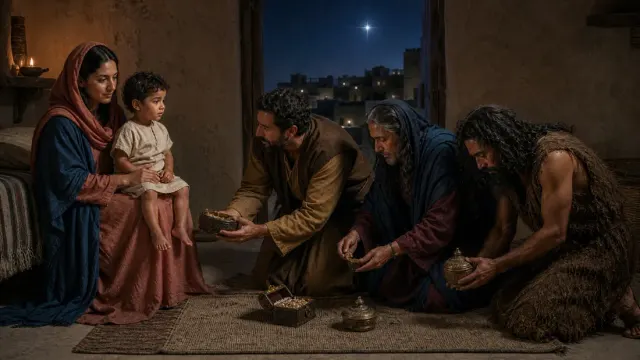
    Matthew 2:1-6

    King James Version · 6 verses

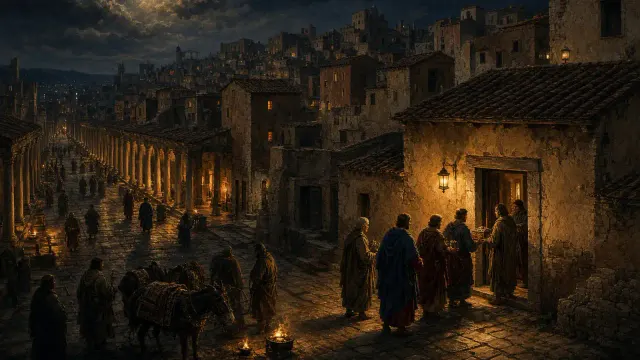
    2:1Now when Jesus was born in Bethlehem of Judaea in the days of Herod the king, behold, there came wise men from the east to Jerusalem,

    2:2Saying, Where is he that is born King of the Jews? for we have seen his star in the east, and are come to worship him.

    2:3When Herod the king had heard these things, he was troubled, and all Jerusalem with him.

    2:4And when he had gathered all the chief priests and scribes of the people together, he demanded of them where Christ should be born.

    2:5And they said unto him, In Bethlehem of Judaea: for thus it is written by the prophet,

    2:6And thou Bethlehem, in the land of Juda, art not the least among the princes of Juda: for out of thee shall come a Governor, that shall rule my people Israel.

    Matthew 2:1-6: He was troubled, and all Jerusalem with him
  2. 02

    Matthew 2:7-8

    Enquired of them diligently

    He calls the magi privately and asks one thing: what time the star appeared. Then he sends them on with an instruction to bring word again, that I may come and worship him also.

    The public question concerned a place. The private question concerns a time. Herod has received Bethlehem from the priests and scribes; he now asks the visitors exactly when the star appeared. Matthew keeps both inquiries because the later violence is tied to both pieces of information: Bethlehem and its vicinity, and children two years old and under. The chronology is not decorative background.

    The request also assigns the visitors a second errand. They came to find and worship the child; Herod tells them to return with a report. His final explanation borrows their own stated purpose: worship. Taken by itself, the sentence sounds like agreement. Matthew 2:13 supplies the contradiction explicitly: Herod will seek the young child to destroy him. The commentary does not need to invent a hidden motive when the passage itself identifies the intended act.

    No military escort or accompanying official is mentioned here. The proposed route of information runs through the visitors, who are asked to locate the child and then come back. Matthew distinguishes the worship they actually offer in 2:11 from the worship Herod says he will offer in 2:8. The same word does not make the two claims the same.

    Verse by verse

    1. 2:7

      Privily means privately or secretly. Matthew moves from the gathering of priests and scribes to a separate consultation with the visitors.

    2. 2:8

      The stated intention is worship; Matthew 2:13 explicitly identifies the intended destruction of the child. The contrast is supplied by the text, not inferred from a psychological diagnosis.

    Matthew 2:7-8

    King James Version · 2 verses

    2:7Then Herod, when he had privily called the wise men, enquired of them diligently what time the star appeared.

    2:8And he sent them to Bethlehem, and said, Go and search diligently for the young child; and when ye have found him, bring me word again, that I may come and worship him also.

    Matthew 2:7-8: Enquired of them diligently
  3. 03

    Matthew 2:12-15

    Warned in a dream

    The visitors leave for their own country another way, and the family leaves at night for Egypt. Both departures are prompted the same way, and neither is announced.

    The report Herod requested never reaches him. Matthew first follows the visitors out by another route, then gives Joseph a separate warning. These are two communications to different recipients, not one dream passed along. The first closes the route back to the king. The second sends the family away before the attempt on the child's life.

    The angel's wording leaves no uncertainty about the stated danger: Herod will seek the young child to destroy him. Against that intention, the instructions are physical and immediate. Take the child and his mother. Leave. Remain until another message comes. Joseph's departure by night gives the obedience a visible form without requiring invented conversations or a description of every mile. The family is protected through flight, not through a battle outside the house.

    Egypt changes roles within the scriptural pattern. The land associated with Israel's oppression now shelters the child from a ruler in Judaea. Hosea 11:1 originally looks back to Israel, God's son, called from Egypt; Matthew applies that history to Jesus. Herod's pursuit is thus placed within an account larger than the royal order. The sentence until the death of Herod gives the stay its boundary. The family's departure is not the cancellation of the promise. It is the route through which Matthew traces it.

    Verse by verse

    1. 2:12

      Another way means they return to their own country without returning to Herod. Matthew does not give the route or the country's name.

    2. 2:13

      Joseph's warning is distinct from the visitors' dream. The angel explicitly identifies Herod's intention to destroy the child.

    3. 2:14

      By night records the timing of the departure. No miraculous transport, travel itinerary, or conversation between Joseph and Mary is supplied.

    4. 2:15

      Hosea 11:1 refers first to Israel's exodus. Matthew presents Jesus' movement out of Egypt as fulfillment of that scriptural pattern, not as Hosea's immediate historical setting.

    Matthew 2:12-15

    King James Version · 4 verses

    2:12And being warned of God in a dream that they should not return to Herod, they departed into their own country another way.

    2:13And when they were departed, behold, the angel of the Lord appeareth to Joseph in a dream, saying, Arise, and take the young child and his mother, and flee into Egypt, and be thou there until I bring thee word: for Herod will seek the young child to destroy him.

    2:14When he arose, he took the young child and his mother by night, and departed into Egypt:

    2:15And was there until the death of Herod: that it might be fulfilled which was spoken of the Lord by the prophet, saying, Out of Egypt have I called my son.

    Matthew 2:12-15: Warned in a dream
  4. 04

    Matthew 2:16-18

    From two years old and under

    Exceeding wroth at being mocked, he works from the date he obtained. Matthew answers it with Jeremiah: Rachel weeping for her children, and would not be comforted, because they are not.

    The age limit is linked to the interview. Matthew explicitly connects the killing of the children with the time Herod had obtained from the visitors. The earlier questions were not an incidental conversation. The order reaches Bethlehem and its surrounding district, and the account names the victims by their age. Children die because the king is seeking one child.

    The phrase two years old and under does not establish that Jesus was exactly two. It describes the range Herod selected from the information he had received. Nor does Matthew supply a total number of deaths. Enlarging the count would add nothing to the gravity of the sentence. The act is already stated without cover: sent forth, and slew.

    Then the sound of the passage changes. Instead of another command from Herod, Matthew gives the voice of Rachel weeping for her children. Jeremiah 31:15 had placed that lament within Israel's losses, followed in verses 16-17 by a promise of return. Matthew quotes the lament, not a speech explaining away the bereavement. Jesus' escape and these children's deaths remain side by side. Fulfilled identifies a scriptural correspondence; it does not turn the killing into an act Matthew approves or make the mothers' grief unnecessary. The last words belong to absence: because they are not.

    Verse by verse

    1. 2:16

      The Greek masculine paidas refers here to boys. The KJV's children should be read in the setting of the search for the newborn king.

    2. 2:16

      Coasts means the surrounding district or borders, not a seashore. The age range is Herod's stated limit, not a precise age given for Jesus.

    3. 2:17-18

      Matthew gives no death toll. Jeremiah's name appears as Jeremy in this KJV passage, reflecting a different English form of the same name.

    4. 2:18

      Jeremiah 31:16-17 follows the lament with hope of return. Matthew preserves the grief rather than claiming the Bethlehem children were restored to their mothers within this event.

    Matthew 2:16-18

    King James Version · 3 verses

    2:16Then Herod, when he saw that he was mocked of the wise men, was exceeding wroth, and sent forth, and slew all the children that were in Bethlehem, and in all the coasts thereof, from two years old and under, according to the time which he had diligently enquired of the wise men.

    2:17Then was fulfilled that which was spoken by Jeremy the prophet, saying,

    2:18In Rama was there a voice heard, lamentation, and weeping, and great mourning, Rachel weeping for her children, and would not be comforted, because they are not.

    Matthew 2:16-18: From two years old and under

Why it matters

Matthew puts the two scenes side by side without comment. Scholars who can find the right verse in seconds, and a king who acts on it immediately, and neither of them goes the five miles to look. The order is precise and gives away his method: all the children in Bethlehem and its coasts, from two years old and under, according to the time he had diligently enquired. The one detail he asked for is the one that decides how many die.

2 songs

The music

Every song in the catalogue whose passage falls inside these chapters.

  1. Matthew 1-2; Luke 2:1-38

    Glory in the Highest

  2. Matthew 2:1-23

    The Star and the Sword

    Play here
    Open song pageRead lyrics

Nearby

All the people

Report an error on this page