New · FreePlay The Witnesses The in-depth puzzle battle quest through Bible history

People of the Bible

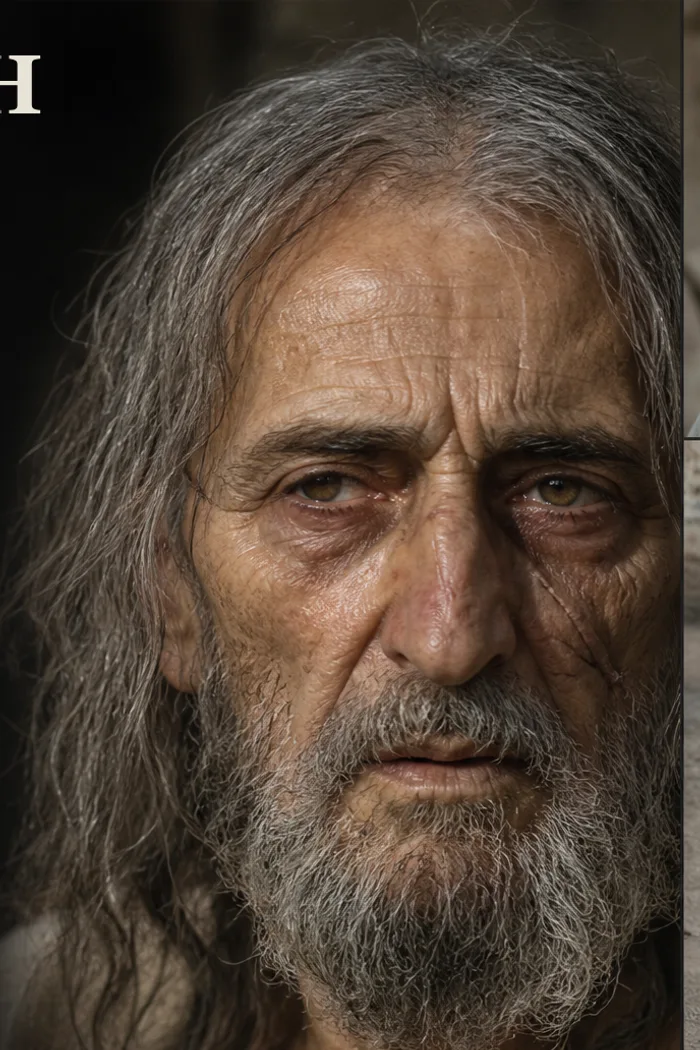
Manasseh

Reigned fifty-five years, the longest of any king of Judah, and undid his father’s reform item by item.

Manasseh is twelve when he begins to reign and he rebuilds every high place his father had broken down. He raises altars for Baal, makes a grove, builds altars for the host of heaven inside both courts of the house of the LORD, puts a carved image in the house itself, passes his son through the fire, uses enchantments and deals with spirits. Kings says he seduced them to do more evil than the nations the LORD destroyed before Israel, and that he filled Jerusalem with innocent blood from one end to another.

Where he appears2 Kings 21 · 2 Chronicles 33

Scroll down to the account
Manasseh

The movements, in the order the text gives them.

The Account of Manasseh

  1. 01

    2 Kings 21:1-9

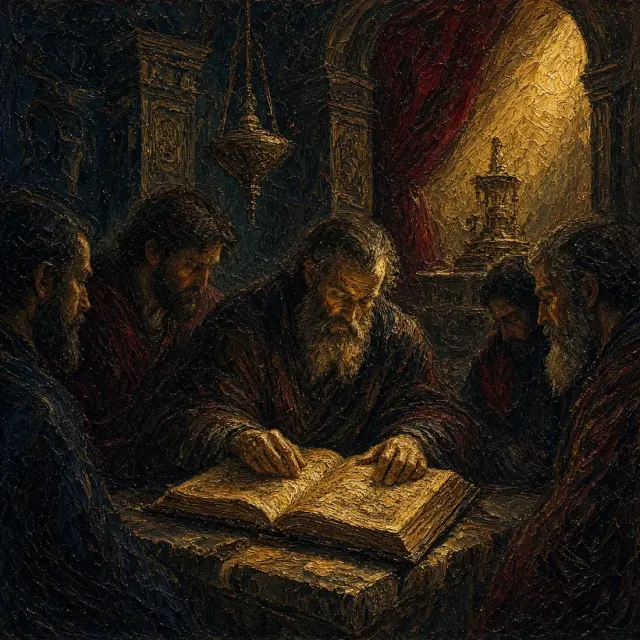
    He built again the high places

    Everything his father destroyed is reversed by name, and then he goes further, putting altars for the host of heaven in the two courts and a carved image in the house itself.

    Built up again is the phrase that makes this more than a fresh list of offenses. Manasseh rebuilds what his father demolished. The Book of Second Kings names Hezekiah to mark the reversal, then names Ahab to identify the pattern being copied. Judah's king has an example inside his own family and chooses a different one for his altars.

    The movement is inward: high places, the temple courts, then a carved image in the house itself. Against that advance, God's declaration about placing his name in Jerusalem is repeated. The house is not empty space waiting for a royal contribution. It already has an identity, and the new installations contradict it. The record of a son passing through fire also prevents the list from remaining a dispute about furniture. Human life is caught up in the worship.

    The promise concerning Israel's feet in the land includes an explicit condition of obedience. Then comes the answer: they hearkened not. Manasseh's influence is real, but the people do not disappear behind their king. The passage names his leading and their refusal together.

    Verse by verse

    1. 21:1

      The accession age is twelve and the stated reign fifty-five years; the passage does not date each reform or offense within that span.

    2. 21:3

      The host of heaven refers to the heavenly bodies as objects of worship; Deuteronomy 4:19 explicitly names the sun, moon and stars in this prohibition.

    3. 21:7

      The grove here concerns Asherah and her carved representation, not an innocent planting of trees inside the temple.

    4. 21:8-9

      The promise of remaining in the land is followed by its condition and the report that the people did not listen.

    2 Kings 21:1-9

    King James Version · 9 verses

    21:1Manasseh was twelve years old when he began to reign, and reigned fifty and five years in Jerusalem. And his mother’s name was Hephzi-bah.

    21:2And he did that which was evil in the sight of the LORD, after the abominations of the heathen, whom the LORD cast out before the children of Israel.

    21:3For he built up again the high places which Hezekiah his father had destroyed; and he reared up altars for Baal, and made a grove, as did Ahab king of Israel; and worshipped all the host of heaven, and served them.

    21:4And he built altars in the house of the LORD, of which the LORD said, In Jerusalem will I put my name.

    21:5And he built altars for all the host of heaven in the two courts of the house of the LORD.

    21:6And he made his son pass through the fire, and observed times, and used enchantments, and dealt with familiar spirits and wizards: he wrought much wickedness in the sight of the LORD, to provoke him to anger.

    21:7And he set a graven image of the grove that he had made in the house, of which the LORD said to David, and to Solomon his son, In this house, and in Jerusalem, which I have chosen out of all tribes of Israel, will I put my name for ever:

    21:8Neither will I make the feet of Israel move any more out of the land which I gave their fathers; only if they will observe to do according to all that I have commanded them, and according to all the law that my servant Moses commanded them.

    21:9But they hearkened not: and Manasseh seduced them to do more evil than did the nations whom the LORD destroyed before the children of Israel.


  2. 02

    2 Kings 21:10-16

    The line of Samaria and the plummet of Ahab

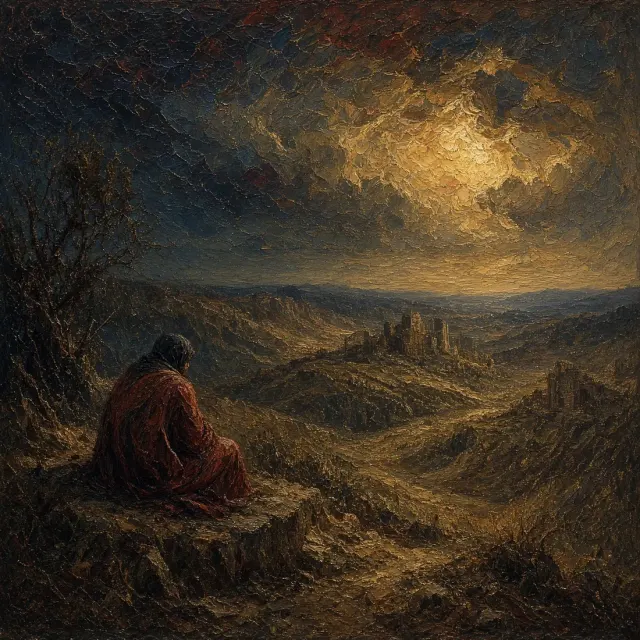
    The measuring tools of the north are to be used on Jerusalem. God will wipe it as a man wipes a dish, wiping it and turning it upside down.

    The measuring line is coming from Samaria. That is the sting in the image: Jerusalem is to be measured by the judgment already associated with the northern kingdom and Ahab's house. Its location and temple do not place it outside the reckoning. Then the scale abruptly changes. A capital city becomes a household dish, wiped clean and turned upside down. The familiar motion makes the threatened emptiness plain.

    The final sentence adds a charge that cannot be absorbed into the word idolatry. Manasseh shed innocent blood until Jerusalem was filled from end to end. The victims are not named here, but their innocence is. This is not merely an argument about which altar stood where. The book places violence against people beside the worship that provoked judgment and refuses to let one conceal the other.

    Nor is the crisis reduced to one isolated reign. The oracle reaches back to the departure from Egypt, placing Manasseh's acts inside a longer refusal. His name concentrates the indictment without exhausting it. The city is facing accumulated history, not a clerical mistake in its worship arrangements.

    Verse by verse

    1. 21:10

      The prophets are not named in this passage; assigning this oracle to Isaiah would add an identification the text does not provide.

    2. 21:13

      A line and plummet are measuring tools. Their association with Samaria and Ahab makes earlier judgment the measure now applied to Jerusalem.

    3. 21:16

      Second Kings 24:3-4 returns explicitly to Manasseh's innocent bloodshed when explaining Judah's removal; Jeremiah 15:4 also names his acts in Jerusalem.

    4. 21:16

      Second Chronicles records Manasseh's later humbling, but Second Kings does not include it here or use it to erase the continuing indictment of his reign.

    2 Kings 21:10-16

    King James Version · 7 verses

    21:10And the LORD spake by his servants the prophets, saying,

    21:11Because Manasseh king of Judah hath done these abominations, and hath done wickedly above all that the Amorites did, which were before him, and hath made Judah also to sin with his idols:

    21:12Therefore thus saith the LORD God of Israel, Behold, I am bringing such evil upon Jerusalem and Judah, that whosoever heareth of it, both his ears shall tingle.

    21:13And I will stretch over Jerusalem the line of Samaria, and the plummet of the house of Ahab: and I will wipe Jerusalem as a man wipeth a dish, wiping it, and turning it upside down.

    21:14And I will forsake the remnant of mine inheritance, and deliver them into the hand of their enemies; and they shall become a prey and a spoil to all their enemies;

    21:15Because they have done that which was evil in my sight, and have provoked me to anger, since the day their fathers came forth out of Egypt, even unto this day.

    21:16Moreover Manasseh shed innocent blood very much, till he had filled Jerusalem from one end to another; beside his sin wherewith he made Judah to sin, in doing that which was evil in the sight of the LORD.

    2 Kings 21:10-16: The line of Samaria and the plummet of Ahab
  3. 03

    2 Chronicles 33:10-13

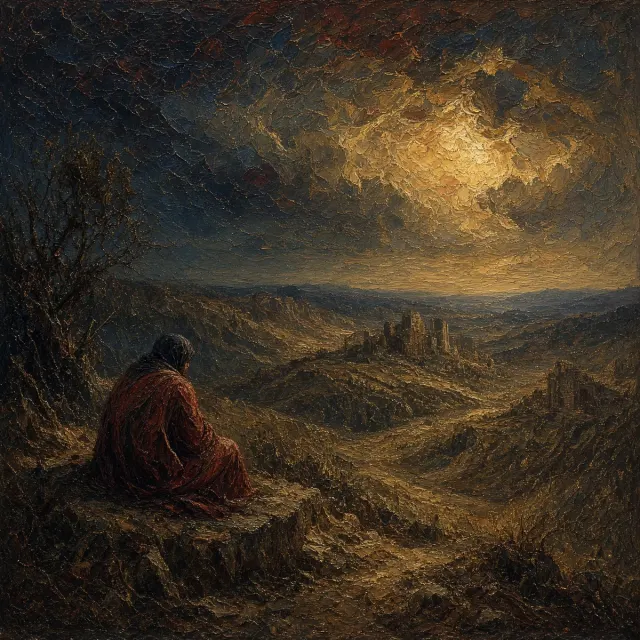
    Among the thorns, with hooks

    Carried to Babylon in bronze fetters. In his affliction he prayed and humbled himself greatly before the God of his fathers, and was heard and brought back.

    The man who would not listen is heard. Verse 10 says that Manasseh and his people refused God's speech; verse 13 says that God heard Manasseh's supplication. The turn is not hidden in an adjective. It is built into the movement of the passage, from rejected words to an answered prayer.

    Between those two statements stand captivity, fetters and great humiliation. The king appeals to the God of his fathers, the very relationship his earlier installations had contradicted. His return is not merely release from confinement: he is brought back to Jerusalem into his kingdom. Then Manasseh knew. The recognition follows the answered prayer and restoration; the book does not replace it with a vague report that hardship improved his manners.

    This is the turn recorded by the Book of Second Chronicles, not by the Book of Second Kings. Its force depends on the previous offenses remaining as severe as they were. The man returned to Jerusalem is the man who put the image in God's house. The passage does not introduce a less guilty prisoner to make the mercy easier to explain.

    Verse by verse

    1. 33:11

      The KJV reads among the thorns. The Hebrew word hohim can also denote hooks or rings, producing the alternative reading with hooks; the exact manner of capture should not be elaborated beyond that wording.

    2. 33:11

      The captors serve the king of Assyria, while the destination is Babylon. The verse does not name the Assyrian ruler or date the captivity.

    3. 33:12-13

      Manasseh's prayer is reported but not quoted; even 33:18-19 refers to its record elsewhere without supplying its words.

    4. 33:13

      The return is explicitly to Jerusalem and to his kingdom, not merely an unspecified release from imprisonment.

    2 Chronicles 33:10-13

    King James Version · 4 verses

    33:10And the LORD spake to Manasseh, and to his people: but they would not hearken.

    33:11Wherefore the LORD brought upon them the captains of the host of the king of Assyria, which took Manasseh among the thorns, and bound him with fetters, and carried him to Babylon.

    33:12And when he was in affliction, he besought the LORD his God, and humbled himself greatly before the God of his fathers,

    33:13And prayed unto him: and he was intreated of him, and heard his supplication, and brought him again to Jerusalem into his kingdom. Then Manasseh knew that the LORD he was God.

    2 Chronicles 33:10-13: Among the thorns, with hooks
  4. 04

    2 Chronicles 33:14-17

    He took away the strange gods

    Back in Jerusalem he builds a wall, removes the idols and the altar he had put in the house, repairs the altar of the LORD and commands Judah to serve him. The people still sacrifice in the high places.

    The building verbs return, but the objects have changed. Earlier Manasseh built altars for other gods; now he builds a defensive wall and repairs the LORD's altar. The image he installed in the house is carried out, along with the altars he made. The account does not leave his humiliation as a private experience detached from the public arrangements of his reign. There are things to dismantle.

    The removal is followed by worship and a command to Judah, so the new direction is more than an emptied room. Peace offerings and thank offerings replace the former installations as the focus of the temple scene. Then comes Nevertheless. The people still sacrifice in high places, though now to the LORD alone. That last qualification matters in both directions: the book acknowledges a change of recipient without claiming a complete change of practice. Manasseh has changed direction; the high places have not disappeared. The paragraph records restoration without giving it a tidier ending than the facts allow.

    Verse by verse

    1. 33:14

      The wall, Gihon, the Fish Gate and Ophel are concrete features of the defensive work; the text does not give a modern plan of its complete route.

    2. 33:15

      The objects removed are explicitly connected with Manasseh's own earlier construction, making this a reversal of his acts rather than an unrelated cleanup.

    3. 33:17

      The qualification unto the LORD their God only distinguishes the object of worship from the continuing use of high places.

    4. 33:17

      Matthew 1:10 names Manasseh, Amon and Josiah in Jesus' genealogy; its succession preserves the royal line without making the three reigns morally interchangeable.

    2 Chronicles 33:14-17

    King James Version · 4 verses

    33:14Now after this he built a wall without the city of David, on the west side of Gihon, in the valley, even to the entering in at the fish gate, and compassed about Ophel, and raised it up a very great height, and put captains of war in all the fenced cities of Judah.

    33:15And he took away the strange gods, and the idol out of the house of the LORD, and all the altars that he had built in the mount of the house of the LORD, and in Jerusalem, and cast them out of the city.

    33:16And he repaired the altar of the LORD, and sacrificed thereon peace offerings and thank offerings, and commanded Judah to serve the LORD God of Israel.

    33:17Nevertheless the people did sacrifice still in the high places, yet unto the LORD their God only.

    2 Chronicles 33:14-17: He took away the strange gods

Why it matters

Kings gives him no way back and names him as the reason the exile is no longer avoidable, even after Josiah’s reform. Chronicles adds what Kings does not: that Assyria took him with hooks and bound him in bronze and carried him to Babylon, and that in his affliction he besought the LORD and humbled himself greatly, and was brought back to Jerusalem, and then knew that the LORD was God. Both accounts stand, and the second does not cancel the sentence in the first.

1 song

The music

Every song in the catalogue whose passage falls inside these chapters.

  1. 2 Kings 21:1-23:30

    The Book Found in the House

Nearby

All the people

Report an error on this page