New · FreePlay The Witnesses The in-depth puzzle battle quest through Bible history

People of the Bible

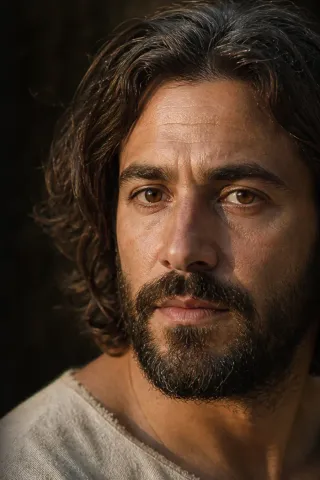
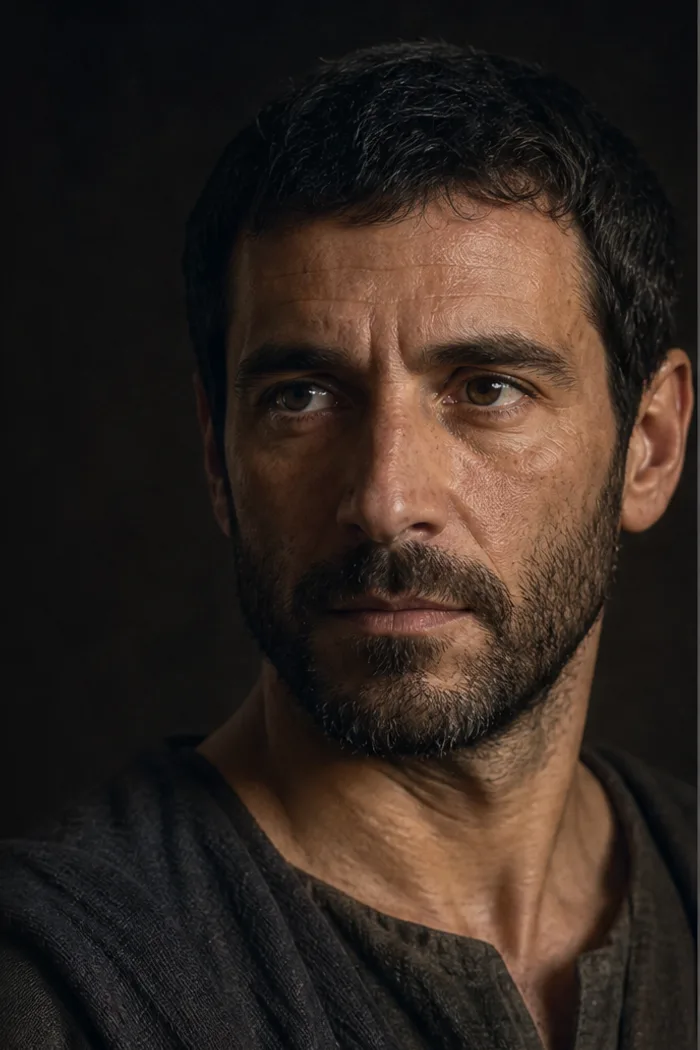
Thomas

Is remembered for one week of doubt and never for the day he volunteered to die.

Also called Didymus, the twin

Thomas appears four times in John and the famous one is last. When the others are arguing that going back to Judea means being stoned, it is Thomas who says let us also go, that we may die with him, which is either courage or gloom and reads like both. At the last supper he interrupts to say they do not know where he is going and cannot know the way. And after the resurrection he is simply not in the room, and says he will not believe the report without evidence he names precisely.

Where he appearsJohn 11 · John 14 · John 20

Scroll down to the account
Thomas

The movements, in the order the text gives them.

The Account of Thomas

  1. 01

    John 11:14-16

    Let us also go, that we may die with him

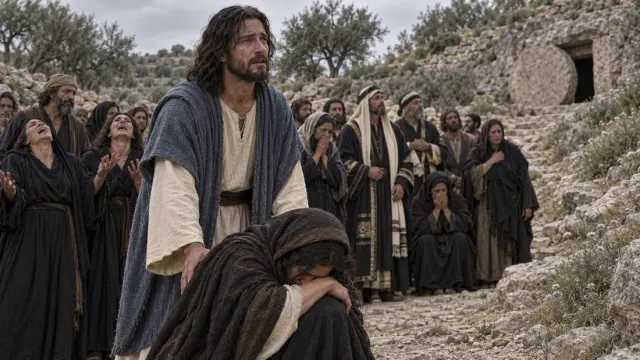
    The others point out that the Jews had lately sought to stone him. Thomas does not dispute the danger, he accepts it out loud and proposes going anyway.

    Thomas is willing to go before he understands what the journey means. That is a larger man than the familiar nickname allows. Earlier in the chapter, the disciples have recalled an attempt to stone Jesus in Judaea. Returning there is not a harmless visit with an unfortunate funeral attached. The danger has already been named.

    Jesus speaks of a death that will become an occasion for belief; Thomas speaks of joining him in death. The contrast is sharp. He has not grasped Jesus' intention to awaken Lazarus, but his misunderstanding does not send him in the opposite direction. His words urge the other disciples to accompany Jesus into the danger. Loyalty and incomplete understanding occupy the same sentence.

    The passage gives no stage directions for his tone. Grim courage, resignation, and a mixture of the two have all been heard in it. None needs to be turned into an invented inner monologue. The words themselves are enough: he proposes going with Jesus, not leaving him to go alone. This is not a man casually protecting his own skin.

    Verse by verse

    1. 11:14

      Plainly marks the correction of the disciples' misunderstanding of sleep in verses 11-13. Lazarus is dead, not merely resting.

    2. 11:15

      Jesus connects his absence with the disciples' coming belief, not with pleasure in the family's suffering.

    3. 11:16

      The threat to Jesus in 11:8 explains the usual reading of with him as accompanying Jesus into mortal danger. The verse records Thomas' words, not his private emotional state.
    John 11:14-16

    King James Version · 3 verses

    11:14Then said Jesus unto them plainly, Lazarus is dead.

    11:15And I am glad for your sakes that I was not there, to the intent ye may believe; nevertheless let us go unto him.

    11:16Then said Thomas, which is called Didymus, unto his fellowdisciples, Let us also go, that we may die with him.

    John 11:14-16: Let us also go, that we may die with him
  2. 02

    John 14:1-6

    We know not where you go

    He interrupts a comfort with an objection about logistics. The reply is one of the most quoted sentences in the New Testament, and it exists because he said he did not follow.

    Thomas will not nod politely at directions he cannot follow. Jesus has spoken of departure, a prepared place, and reunion; Thomas stops at the practical difficulty of knowing a route without knowing its destination. His question is not sophisticated, but it prevents the conversation from floating above the actual understanding of the men in the room.

    The answer changes the category. Jesus does not give Thomas a sequence of turns. I am the way places access to the Father in Jesus himself. Truth and life are not extra landmarks added to the route; they belong to the same personal claim. The destination named at the end of verse 6 explains the Father's house at the beginning.

    That connection also keeps the mansions from swallowing the passage. Its central promise is not an inventory of heavenly property but that where I am, there ye may be also. Thomas' inability to follow the explanation becomes the occasion for its clearest formulation. He asks for a way to find Jesus' destination. Jesus gives himself as the way to the Father.

    Verse by verse

    1. 14:1

      The opening reassurance follows the announcement of Peter's denial in John 13:38. The chapter division should not erase that unsettled setting.

    2. 14:2-3

      The promise emphasizes a prepared place and being with Jesus. The Greek dwelling word does not specify separate luxurious estates.

    3. 14:5-6

      Thomas' question supplies the immediate setting for the declaration of Jesus as way, truth, and life, and for the explicit destination: the Father.

    John 14:1-6

    King James Version · 6 verses

    14:1Let not your heart be troubled: ye believe in God, believe also in me.

    14:2In my Father’s house are many mansions: if it were not so, I would have told you. I go to prepare a place for you.

    14:3And if I go and prepare a place for you, I will come again, and receive you unto myself; that where I am, there ye may be also.

    14:4And whither I go ye know, and the way ye know.

    14:5Thomas saith unto him, Lord, we know not whither thou goest; and how can we know the way?

    14:6Jesus saith unto him, I am the way, the truth, and the life: no man cometh unto the Father, but by me.

    John 14:1-6: We know not where you go
  3. 03

    John 20:24-25

    Except I shall see the print of the nails

    He was not with them. The conditions he sets are specific and physical, and they are the same evidence the others had already been shown without asking.

    The other disciples are offering testimony, not a theory. Their announcement is that they have seen the Lord, and Thomas refuses to accept that announcement without his own specified evidence. The conditions become increasingly physical: sight, a finger in the nail marks, a hand in the side. His conclusion is not tentative. I will not believe.

    Yet the contrast should not be made tidier than the chapter permits. In verse 20, Jesus has already shown the others his hands and side. Their joy followed seeing him. Thomas is not the sole disciple interested in whether the risen Jesus is the crucified Jesus; he is the absent disciple who now rejects his companions' report and sets his own terms.

    The Book of John says he was not with them. It does not say why. A portrait of Thomas deliberately isolating himself, sulking, or abandoning the group adds information the verse withholds. What remains is serious enough: witnesses speak, and one of their own refuses them. His absence explains what he missed. It does not explain away what he says.

    Verse by verse

    1. 20:24

      One of the twelve remains the group designation even though Judas Iscariot is no longer among them. It is not a head count of this gathering.

    2. 20:24

      The reason for Thomas' absence is not given. The passage does not establish a habit of withdrawing from the other disciples.

    3. 20:25

      The hands and side correspond to what Jesus had already shown the others in 20:20. Thomas additionally demands contact with the wounds.

    John 20:24-25

    King James Version · 2 verses

    20:24But Thomas, one of the twelve, called Didymus, was not with them when Jesus came.

    20:25The other disciples therefore said unto him, We have seen the Lord. But he said unto them, Except I shall see in his hands the print of the nails, and put my finger into the print of the nails, and thrust my hand into his side, I will not believe.

    John 20:24-25: Except I shall see the print of the nails
  4. 04

    John 20:26-29

    My Lord and my God

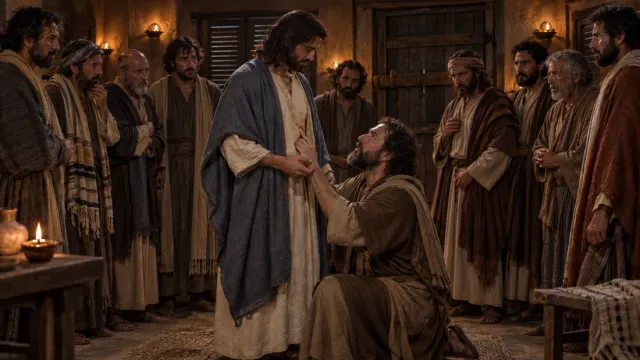
    Eight days later, doors shut again, and the offer repeated back to him word for word. The confession he makes goes further than any other in the book.

    Jesus answers the conditions Thomas laid down, but the Book of John does not report Thomas carrying out the examination. The offered finger and hand lead straight to his confession. Paintings may supply the touch. These verses do not.

    My Lord and my God is addressed to Jesus. The introductory words, said unto him, make that direction explicit, and Jesus answers in terms of Thomas having believed. This is not presented as an unrelated cry into the room. The man who demanded evidence of wounded flesh now gives one of the Gospel's most concentrated declarations of who stands before him. The wounds have not made the risen Jesus less worthy of that confession.

    The blessing that follows opens beyond Thomas without pretending his refusal was admirable. Jesus receives his belief and names as blessed those who believe without having seen. Immediately afterward, verses 30-31 explain the purpose of the written signs: belief in Jesus as the Christ, the Son of God. Thomas has seen the Lord. The Gospel preserves his encounter for people who will receive testimony instead.

    Verse by verse

    1. 20:26

      Thomas is now with the disciples. Jesus repeats the greeting of peace given at the earlier appearance in 20:19.

    2. 20:27-28

      The text records Jesus' invitation to touch and Thomas' answer, but no intervening act of touching.

    3. 20:29

      The blessing concerns believing without seeing the risen Jesus, not believing without any testimony or grounds. Verses 30-31 immediately identify the written signs as grounds for belief.

    John 20:26-29

    King James Version · 4 verses

    20:26And after eight days again his disciples were within, and Thomas with them: then came Jesus, the doors being shut, and stood in the midst, and said, Peace be unto you.

    20:27Then saith he to Thomas, Reach hither thy finger, and behold my hands; and reach hither thy hand, and thrust it into my side: and be not faithless, but believing.

    20:28And Thomas answered and said unto him, My Lord and my God.

    20:29Jesus saith unto him, Thomas, because thou hast seen me, thou hast believed: blessed are they that have not seen, and yet have believed.

    John 20:26-29: My Lord and my God

Why it matters

What he asks for is exactly what the others were given: Jesus had shown them his hands and his side in the same chapter, unasked. A week later the door is shut again and the offer is made in his own words, reach here your finger. The text never says he took it. What it records instead is the highest confession in the gospel, my Lord and my God, from the man the church has spent two thousand years calling doubting.

5 songs

The music

Every song in the catalogue whose passage falls inside these chapters.

  1. John 11:1-46

    Lazarus, Come Forth

  2. John 11:45-57

    One Man Should Die

    Play here
    Open song pageRead lyrics
  3. John 14:1-31

    Let Not Your Heart Be Troubled

    Play here
    Open song pageRead lyrics
  4. John 20:24-31

    Blessed Are They That Have Not Seen, and Yet Have Believed

  5. John 20:1-31

    These Are Written That Ye Might Believe

    Play here
    Open song pageRead lyrics

Nearby

All the people

Report an error on this page