


Genesis 22:1-3
He rose up early in the morning
The command names the son three ways before the destination: thy son, thine only son Isaac, whom thou lovest. The response is a list of actions with no speech in it.
Verse by verse
- 22:1
Tempt here is the Hebrew nissah, to test or prove, as metal is assayed. The Epistle of James later insists that God tempts no man, using a different Greek word for enticement.
- 22:2
Thine only son is covenantal rather than biological. Ishmael is alive, and the phrase marks Isaac as the son the promises depend on.
- 22:3
Abraham cleaves the wood before setting out, three days from the place. Nothing about the preparation is hurried or unconsidered.



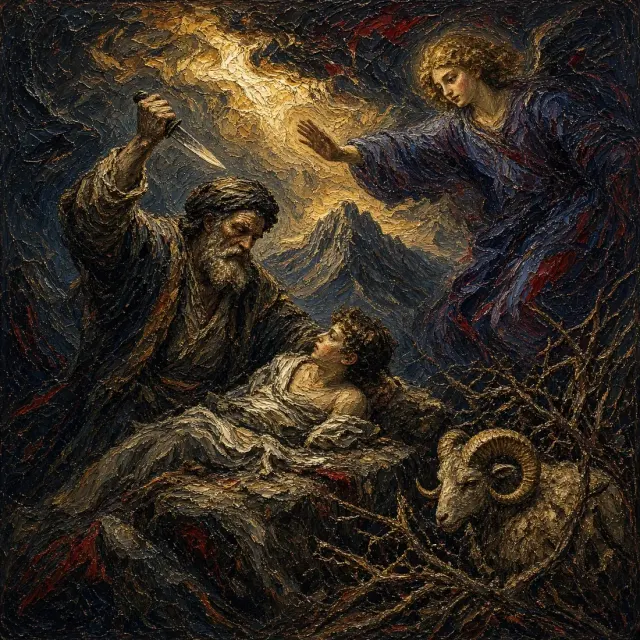




The King James says God did tempt Abraham, and the English has drifted since 1611. The Hebrew verb is nissah, to test or to prove, the word used of assaying metal, and it carries no sense of enticement to evil. What follows is an examination, not a seduction.
The command is built as a slow narrowing: thy son, thine only son, whom thou lovest, Isaac. Abraham has another son. Ishmael was born to him and is alive, so the phrase is not counting children. It is naming the son through whom every promise in the preceding chapters was to run, and it makes the demand precise before it is made.
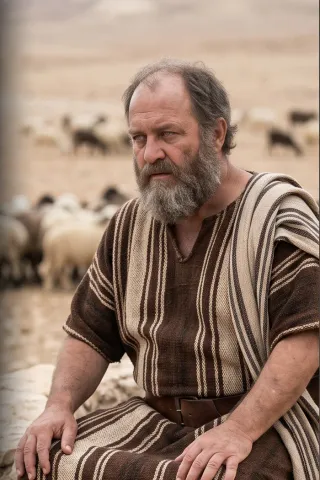
What the Book of Genesis then records is silence. Abraham does not argue. The man who bargained with God over Sodom, pressing the number down from fifty to ten, says nothing at all here. Instead there is a list of ordinary actions in the order they were done: rose up early, saddled, took, clave the wood, rose up, went. The wood is split before the journey starts, which means the fire was thought about at home.