


Exodus 13:17-18
God led them not by the way of the Philistines
The short road is rejected for a stated reason: lest peradventure the people repent when they see war. The long way is a mercy about readiness.
Verse by verse
- 13:17
Repent here means change their minds or reconsider, not necessarily repent of a moral offense.
- 13:18
Harnessed renders a Hebrew term for being equipped or arrayed. It does not describe people wearing literal harnesses.
- 13:18
Exodus 13:19 immediately adds that Moses carried Joseph's bones, fulfilling the charge recorded in Genesis 50:25.
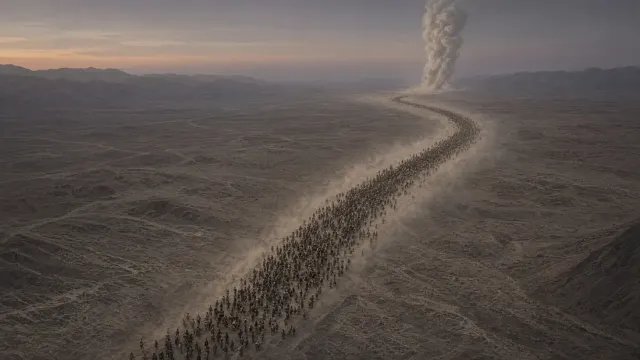
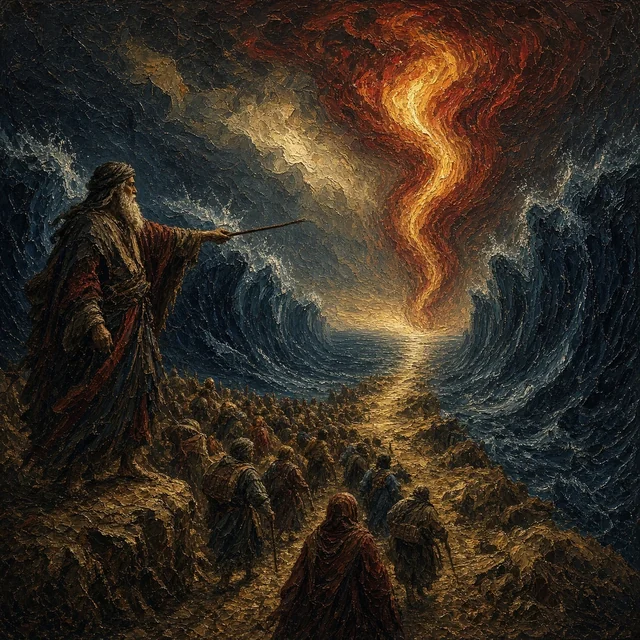








The shorter road is rejected for a reason that has nothing to do with mileage. God names the danger as a return to Egypt. War might make the people reconsider the whole departure, so the route is chosen with their response in view. The Book of Exodus does not present the wilderness as an accidental wrong turn. The detour belongs to the guidance.
That makes harnessed a particularly useful word. Israel leaves equipped or arranged for travel and conflict, not necessarily prepared to endure what conflict will demand. An orderly column is not the same thing as a settled resolve. The verse puts outward readiness beside God's knowledge of how quickly these travelers might turn around.
The next verse adds Joseph's bones to the baggage. That is a remarkable traveling companion for people who might prefer to go back: the remains of a man who had insisted that Egypt would not be his family's final address. The living are being led away from a return they might choose. The dead man had already refused to stay. The route is longer than the obvious road, but its destination is not in doubt.