1 Timothy opens with “That They Teach No Other Doctrine” and carries its history toward “The Love of Money.” A letter to a young man left behind in Ephesus with a difficult job. Godliness with contentment is great gain, for we brought nothing into this world and it is certain we can carry nothing out.
A clear path through the book’s major scenes, turning points, teachings, and lasting themes.
01
1 Timothy 1–2
That They Teach No Other Doctrine
A letter to a young man left behind in Ephesus with a difficult job. Stop the people teaching fables and endless genealogies. The law is good, if a man use it lawfully. Then the sentence he calls faithful and worthy of all acceptation: Christ Jesus came into the world to save sinners, of whom I am chief. Then prayer for kings and for all men, because God will have all men to be saved.
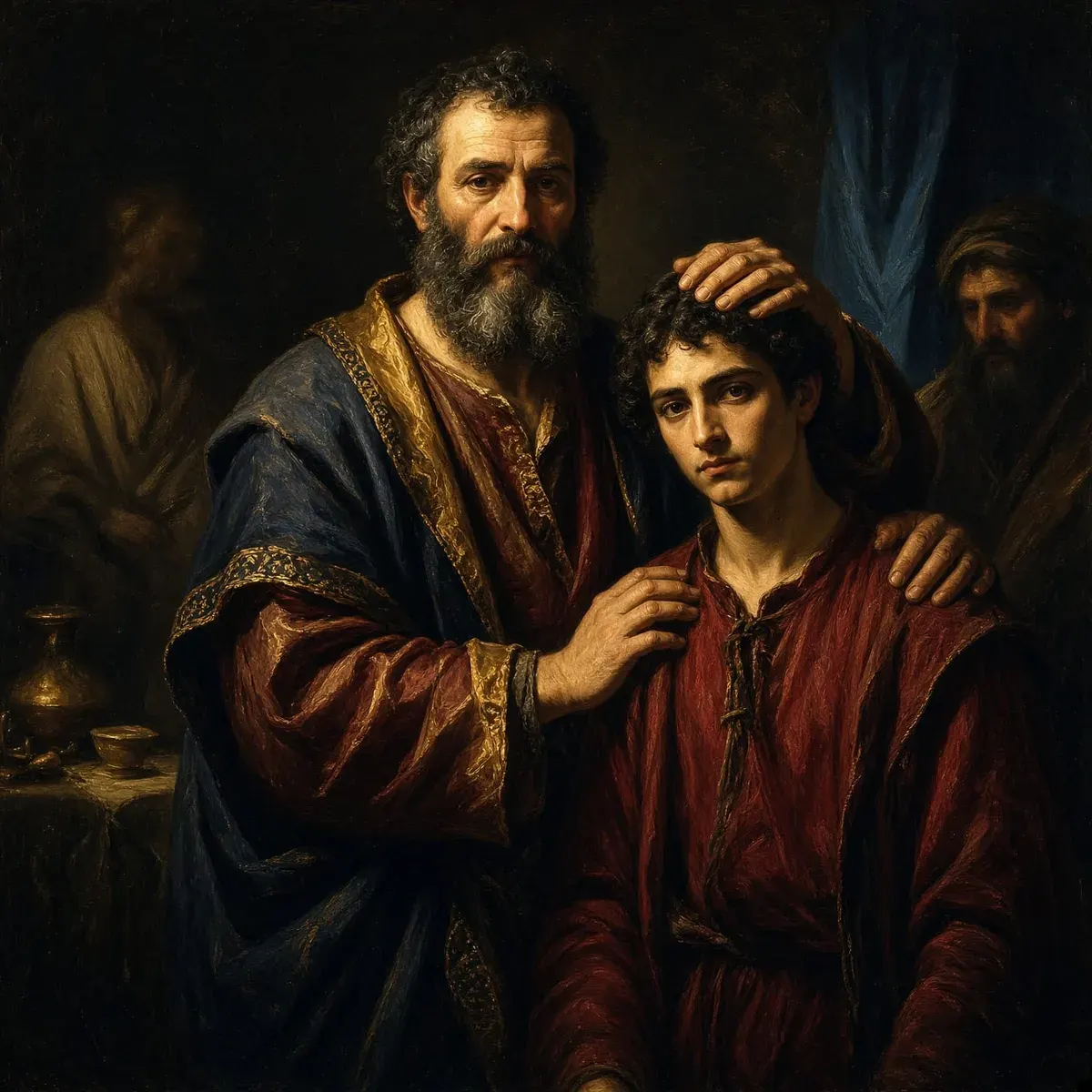
The qualifications for elders and deacons are almost entirely about character rather than ability: not violent, not greedy, not a novice, well spoken of by outsiders, and able to run a household. Then a warning about people who forbid marriage and command abstaining from foods. Exercise thyself rather unto godliness. Let no man despise thy youth, and neglect not the gift that is in thee.
A chapter about money, and about how a church treats people when nobody is watching. Rebuke not an elder, but entreat him as a father. Care for widows who have nobody, and let families look after their own first. Elders that rule well are worthy of double honour, and against an elder receive not an accusation except before two or three witnesses.
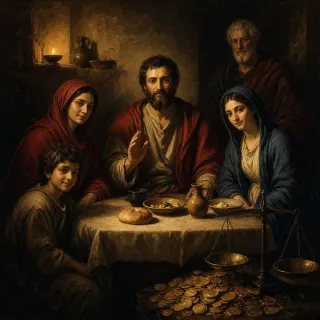
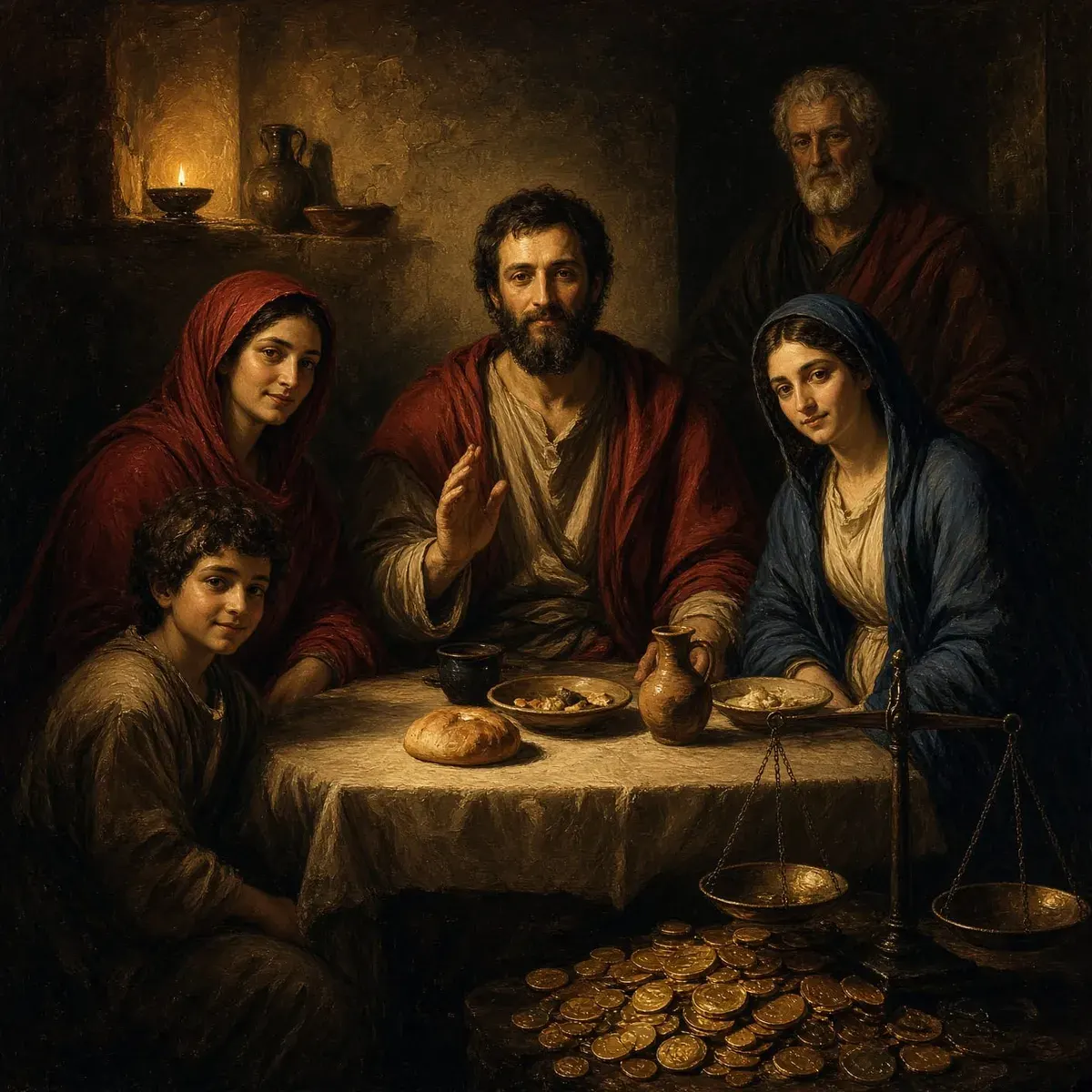
Godliness with contentment is great gain, for we brought nothing into this world and it is certain we can carry nothing out. The love of money is the root of all evil, which is a more careful sentence than the one people usually quote. Charge them that are rich not to be highminded but to be rich in good works. Fight the good fight of faith. O Timothy, keep that which is committed to thy trust.