The big picture
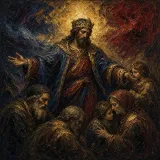
Psalm 82 opens a courtroom in which the usual authorities suddenly discover that they are the defendants. God stands among those called “gods” and asks why they judge unjustly, favor the wicked, and fail the poor, fatherless, afflicted, and needy. The identity of these “gods” has been read as human judges or as heavenly beings, but the poem’s direction is clear in either case: elevated status leads to accountability, not immunity. Their refusal of understanding leaves the foundations of the earth out of course. The title “children of the most High” does not protect them from the sentence, “ye shall die like men.” The psalm closes by lifting the matter beyond one failed tribunal and asking God himself to judge the earth, because all nations finally belong to him.
Central truth
Psalms 72 and 82 define righteous rule by what happens to the poor, needy, fatherless, and afflicted: the king is prayed into justice, unjust rulers are rebuked for partiality, and God is finally asked to judge the earth.

The study notes have a page of their own
The movement by movement analysis, the words to trace, the verse by verse notes and where readers differ are written for someone studying alone. They are on the Deep Personal Reflections page for this chapter. This page is the lesson.
A chapter-specific teaching brief
These anchors come from this chapter itself. They help a teacher use the Level 1 overview, the Level 2 study, and the Scripture text as one lesson.
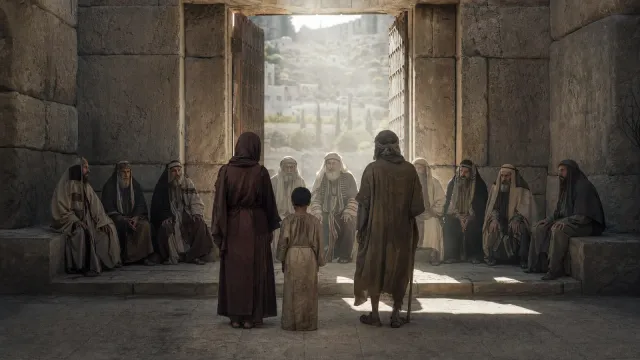
Open with the chapter’s first image
Psalms 82:1: “God standeth in the congregation of the mighty; he judgeth among the gods.”
Slow down at the turning point
Psalms 82:2: “How long will ye judge unjustly, and accept the persons of the wicked? Selah.”
Keep this word trail visible
earth, gods, judge, needy, poor, wicked
What to explain, in order
Teach the passage in this order. Each step names the verses it rests on, so every point can be shown in the text before it is applied.
Psalms 72 and 82
Read the throne from ground level
Begin by naming the theme both psalms share: what righteous rule looks like, measured by what happens to the poor. Psalm 72 is a prayer for the king, headed for Solomon, and closes the second book of the Psalms with the note that the prayers of David are ended. Psalm 82 is a courtroom scene where God judges unjust rulers. Teach the pair together so that the class hears the ideal and the failure side by side. Tell them at the start that the lesson is about justice under God, not about any modern government or party.
Psalm 72:1-7
Justice given from above
Read verses 1-7. Explain that the king does not generate justice; he asks God for it. Show how often the poor, the needy and their children appear. Explain verse 3, mountains bringing peace, as the land itself flourishing under righteousness. Teach verse 6, rain on mown grass, as the refreshment a good ruler brings to people who have been cut down. Then verse 7, the righteous flourishing and abundance of peace. Teach this first because it defines the kind of king the rest of the psalm celebrates.
Psalm 72:8-15
Why the nations notice
Now read verses 8-11, the wide dominion from sea to sea, kings of Tarshish, Sheba and Seba bringing gifts. Then show that verse 12 starts with For. Teach verses 12-14 as the reason the kings bow: this ruler delivers the needy who cry, spares the poor, redeems them from deceit and violence. Explain that precious shall their blood be means their lives are of great value to him; he will not let them be spent cheaply. Christian readers have long heard this psalm in the visit of the wise men in Matthew 2:11, and in Christ's kingdom.
Psalm 72:16-20
The doxology keeps the crown in place
Teach verses 16-17: grain waving on the mountain tops like the cedars of Lebanon, a city flourishing like grass, a name enduring like the sun, and all nations blessed in him, the language of God's promise to Abraham in Genesis 12:3 and 22:18. Then teach the doxology of verses 18-19, which praises not the king but the LORD God who alone does wonders, and prays that the whole earth be filled with his glory. Explain verse 20 as an editor's note closing a collection. Teach that the king's glory is meant to serve God's.
Psalm 82:1-4
God enters the courtroom
Turn to Psalm 82. Explain the scene: God stands in the congregation of the mighty and judges among the gods. Readers differ on who these gods are. Some understand them as human judges and rulers who bore God's authority, which is how Jesus' argument in John 10:34-35 reads it; others see heavenly powers set over the nations. Teach both views briefly without settling the debate. Then read verses 2-4 and show the charge: unjust judgment, favouritism, and failure to defend the poor, the fatherless, the afflicted and the needy.
Psalm 82:5-8
Mortal rulers, final Judge
Teach verse 5 as the consequence of their refusal to see: they walk in darkness and the foundations of the earth are out of course. Then verses 6-7: God gave them high status, gods and children of the Most High, but they will die like any man and fall like any prince. Explain that power does not exempt anyone from God's judgment. Then teach verse 8 as the psalmist's prayer: Arise, O God, judge the earth. Close the lesson by setting 72:1 and 82:8 side by side: pray for just rulers, and hope finally in God's justice.
Where learners get stuck
The misreadings this passage tends to produce, and how to answer each from the text.
"Psalm 72 is a description of a perfect government we should build now."
Psalm 72 is a prayer for Israel's king, headed for Solomon, whose own reign ended in oppression and idolatry (1 Kings 11-12). No human ruler fulfilled it. The church has seen its fullness in Christ's kingdom. It does teach what God values in any authority, justice for the poor, but it is not a blueprint for a party or a nation. Keep its call to justice and its hope in God's King together.
"Ye are gods means people are divine."
Psalm 82:6 is immediately followed by "But ye shall die like men" (82:7). Whoever the gods are, the point is that their high status does not exempt them from judgment. Jesus quotes the verse in John 10:34-35 to argue that if God called those who received his word gods, he himself is not blaspheming to call himself God's Son. The verse is a rebuke of rulers, not a teaching that humans are gods.
"Justice for the poor is a political issue, not a spiritual one."
In Psalm 72 justice for the poor is the first thing the king asks of God (72:1-4), and in Psalm 82 failure to defend the fatherless is the charge God brings (82:3-4). Scripture treats care for the weak as part of righteousness before God. How that is applied in public life is debated, and the lesson need not settle policy, but the psalms do not allow believers to treat the poor as someone else's concern.
"If rulers are corrupt, God has stopped caring about the world."
Psalm 82 shows God standing in the assembly and judging (82:1), naming the corruption and pronouncing the rulers' end (82:7). Then it prays "Arise, O God, judge the earth" (82:8). God's patience is not indifference. The psalm gives believers words to pray when justice fails, and assures them that the final judge has not left his seat.
Learning objectives
- Identify the repeated poor-and-needy vocabulary that links Psalms 72 and 82.
- Explain how Psalm 72 measures royal success through judgment, righteousness, peace, deliverance, and defense of the vulnerable.
- Distinguish universal royal imagery in Psalm 72 from mere displays of wealth or conquest.
- Explain the charge against the 'gods' in Psalm 82 by staying with the concrete failures named in verses 2–4.
- Present the main interpretations of 'gods' in Psalm 82 without pretending the passage settles every question.
- Compare Psalm 72's prayer for a king with Psalm 82's appeal for God himself to arise and judge the earth.
Teacher preparation
- Read Psalms 72 and 82 side by side and highlight poor, needy, afflicted, fatherless, judgment, and righteousness.
- Prepare background on ancient kingship, where rulers were publicly responsible for adjudicating disputes and protecting vulnerable subjects.
- Mark Psalm 72:4, 12–14 before discussing its global dominion, so power is interpreted through the king's treatment of the poor.
- Prepare a concise explanation of the major readings of Psalm 82's 'gods': human judges or rulers, heavenly beings, or language with more than one judicial resonance.
- Do not turn Psalm 82 into a speculative map of the unseen realm. Keep verses 2–4 as the interpretive center of the classroom discussion.
Evidence and interpretation checks
Explicit
Psalm 72:4 and 12–14 explicitly say the king judges the poor, saves needy children, breaks the oppressor, delivers the needy, spares the poor, and regards their blood as precious.
Scripture-supported
Psalm 82:2–4 explicitly rebukes unjust judgment and partiality, then commands defense and deliverance for poor, fatherless, afflicted, and needy people.
Strong inference
The combination strongly supports the inference that biblical evaluation of rulers is profoundly ethical: public power is tested by justice, especially toward those with less power.
Possible or traditional reading
Psalm 82's 'gods' is disputed. Major readings include human judges or rulers and members of a heavenly council; the rebuke for unjust judgment remains clear whichever reading is taught.
Limit
These psalms do not provide a modern policy platform, a constitutional blueprint, or permission to identify any contemporary leader as the direct fulfillment of their royal language.
Discussion with answer guidance
1. What does Psalm 72 ask the king to do before it describes kings bringing presents?
What a good answer contains
To judge rightly, and to do it for the poor. The psalm opens, "Give the king thy judgments, O God, and thy righteousness unto the king's son. He shall judge thy people with righteousness, and thy poor with judgment" (72:1-2), and "He shall judge the poor of the people, he shall save the children of the needy, and shall break in pieces the oppressor" (72:4). Only from verse 8 does it speak of dominion and kings bringing presents. A good answer sees that justice comes first and comes from God as a gift. A weak answer starts with the empire and treats the poor as a footnote.
Show teacher guidance
Begin with verses 1–4. The king receives judgment and righteousness so he can judge the people rightly, especially the poor and needy.
2. How do verses 12–14 explain why the king's wide dominion matters?
What a good answer contains
Verse 12 begins with For, giving the reason for the nations' homage in verse 11: "For he shall deliver the needy when he crieth; the poor also, and him that hath no helper. He shall spare the poor and needy, and shall save the souls of the needy. He shall redeem their soul from deceit and violence: and precious shall their blood be in his sight" (72:12-14). A strong answer sees that the king's greatness is measured by how he treats people with no helper, and that their lives are precious to him. A weak answer reads the dominion as conquest.
Show teacher guidance
His greatness is tied to deliverance, pity, salvation from deceit and violence, and treating the needy person's blood as precious.
3. What does Psalm 72 celebrate besides political control?
What a good answer contains
Much more than power. The king comes "down like rain upon the mown grass" (72:6); "In his days shall the righteous flourish; and abundance of peace" (72:7); there is abundant grain even on the mountain tops (72:16); people pray for him and bless him (72:15); "men shall be blessed in him: all nations shall call him blessed" (72:17), echoing the promise to Abraham. The doxology ends, "let the whole earth be filled with his glory" (72:19). A good answer gathers peace, flourishing, prayer, blessing and God's glory. A weak answer sees only political control.
Show teacher guidance
Look for peace, flourishing righteousness, prayer, blessing, abundance, and the extension of God's glorious name.
4. What is the first charge against the rulers in Psalm 82?
What a good answer contains
Partiality. God takes his place among the rulers and asks, "How long will ye judge unjustly, and accept the persons of the wicked?" (82:2). To accept persons means to favour someone because of status, bribe or influence. Then come the positive commands: "Defend the poor and fatherless: do justice to the afflicted and needy. Deliver the poor and needy: rid them out of the hand of the wicked" (82:3-4). A strong answer sees that failing to defend the weak is as much a charge as active wrong. A weak answer misses that justice requires action, not only avoiding corruption.
Show teacher guidance
Verse 2 names unjust judgment and acceptance of the persons of the wicked before verses 3–4 command positive defense of the vulnerable.
5. What happens when the rulers refuse knowledge and walk in darkness in Psalm 82:5–7?
What a good answer contains
Everything becomes unstable. "They know not, neither will they understand; they walk on in darkness: all the foundations of the earth are out of course" (82:5). When those who judge refuse to see, the moral order of the world shakes. Then God says, "I have said, Ye are gods; and all of you are children of the most High. But ye shall die like men, and fall like one of the princes" (82:6-7). A good answer sees that their high title does not protect them; they are mortal before God. A weak answer misses the link between corrupt justice and shaken foundations.
Show teacher guidance
The foundations are out of course, and those addressed as gods are told they will die like men and fall like princes.
6. Why does Psalm 82 end with 'Arise, O God, judge the earth'?
What a good answer contains
Because the earthly judges have failed. After God's verdict on them, the psalmist turns to God himself: "Arise, O God, judge the earth: for thou shalt inherit all nations" (82:8). A strong answer sees that the hope for justice finally rests not in better rulers but in God's own rule, and that the nations are his inheritance, as Psalm 2:8 gave them to his king. Psalm 72 prays for a just king, and Psalm 82 shows why only God can guarantee one. A weak answer ends with the condemnation and misses the prayer.
Show teacher guidance
After corrupt authorities fail their task, the final appeal places ultimate judgment and inheritance of the nations in God's hands.
Responsible application
Heart and habits
Use Psalm 72:12–14 to evaluate any admiration for power by asking whether the admired strength protects vulnerable people or merely enlarges the ruler's image.
Relationships and community
Use Psalm 82:2–4 as a decision-making checklist: reject partiality, defend those with less leverage, and make rescue from exploitation an explicit responsibility.
Measure the throne from the bottom
Have learners describe the king of Psalm 72 entirely from the viewpoint of the poor person, then compare that portrait with common definitions of successful leadership.
Session plans
Two timings of the same lesson. The shorter keeps the reading, the central discussion and one response; the longer gives the confusions and the application their own time.
45 minutes
What makes a good leader
Ask the group to list qualities of a good leader. Then read 72:1-4 and compare.
Justice for the poor
Read 72:1-14 and take questions one and two. Address confusion one.
Blessing and glory
Read 72:15-19 and take question three.
The courtroom
Read Psalm 82 and take questions four, five and six. Address confusions two and four.
Justice and us
Address confusion three. Ask each person to name one way to defend someone with no helper this week.
Prayer
Read the key verse together. Pray for leaders in your community and for the poor by name where appropriate.
90 minutes
From the ground up
Ask who in your community has no helper. Write the answers on the board and keep them visible.
A king who judges for the poor
Read 72:1-7 and take question one. Read 1 Kings 3:9-12, Solomon's request for wisdom to judge.
Precious blood
Read 72:8-14 and take question two. Return to the list on the board.
All nations blessed
Read 72:15-20 with Genesis 12:3 and Matthew 2:1-11. Take question three and confusion one.
God judges the judges
Read Psalm 82:1-5 and take questions four and five. Explain the two readings of gods. Read John 10:31-36 and address confusion two.
Arise, O God
Read 82:6-8 and take question six. Address confusion four.
Application
Address confusion three, then plan in pairs one concrete act of care for someone with no helper.
Handout and prayer
Read the key verse together and pray Psalm 72:1-4 for leaders and Psalm 82:8 for the world.
Adapting the lesson
Children
Use a paper crown and ask children what a good king would do. Read 72:12-13 and act out a king stopping to help a child who has fallen, instead of walking past. Teach that God cares about people who have no one to help them. For Psalm 82, keep it simple: God is the judge over all judges, and he wants leaders to be fair. Leave out the debate about gods.
Youth
Start with fairness: what does it look like when someone in charge has favourites. Read 82:2-4. Then read 72:12-14 and ask what it would look like if leaders treated the needy's lives as precious. Talk about how they can defend those with no helper at school or online. Keep the discussion away from parties and current campaigns.
Adults
Give time to the theology of kingship in Israel and its fulfilment in Christ, and to the interpretive debate in Psalm 82 with John 10. Discuss how adults in positions of authority, at work, in families or in church, can apply 72:1-4 and 82:3-4. Talk about praying for rulers without partisanship, as 1 Timothy 2:1-2 asks.
One to one
Ask whether they have ever been treated unfairly by someone in power, or whether they hold power over others. Read the psalm that fits: 82 if they have suffered injustice, 72 if they lead. Pray 82:8 with someone who has been wronged. Encourage a leader to pray 72:1 for themselves.
Song and video learning lab
A song or video may interpret, compress, or dramatize the text. Its value becomes clearer when its choices are compared with Scripture.
- Before the media: the exact passage and its central movement.
- During the media: the words, people, events, and emotions the artist emphasizes.
- After the media: what it clarifies, what it leaves out, and what belongs back in the biblical text.
Handout
One page for learners to take home. The print button prints this section alone.
Psalms 72 and 82
The passage in brief
Psalms 72 and 82 show what God wants from those who rule. Psalm 72 prays that the king will judge with God's righteousness, defend the poor, save the children of the needy and treat their lives as precious; then his reign will bring peace and blessing and all nations will be blessed in him. Psalm 82 shows God judging rulers who favour the wicked and neglect the poor, warning them that they will die like anyone else, and ends with a prayer for God to judge the earth.
A verse to keep
Defend the poor and fatherless: do justice to the afflicted and needy. Deliver the poor and needy: rid them out of the hand of the wicked.
Psalms 82:3-4 · King James Version
Questions to take home
What does Psalm 72 say a good ruler does first?
Who around you has no helper, as in 72:12?
What hope does Psalm 82:8 give when human justice fails?
This week
Do one concrete thing this week to help someone who has no helper, and pray Psalm 72:1 for a leader by name.
Music and video connected to the passage
Related media appears when its Scripture reference overlaps this study. Music and video can illuminate a theme while the biblical text remains the foundation.