
Lyrics · Joshua
The Altar Called Witness
Joshua 20:1-22:34
Lyrics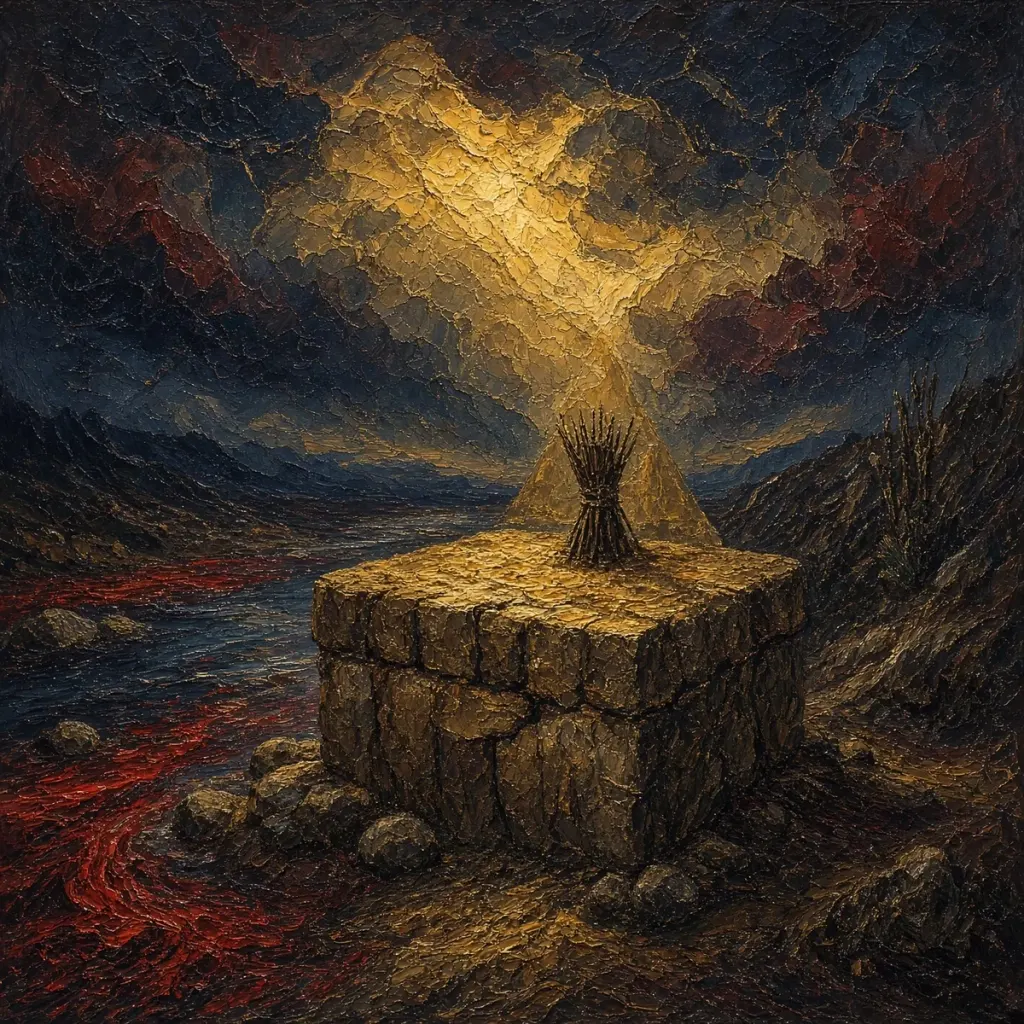
Playing next
Named in this songJordanAchanShilohPhinehas
About the passage
Joshua 20: A place to live long enough for judgement
Joshua 20 turns from who receives the land to what justice inside that land must look like. The cities of refuge are not places where death stops mattering. They keep an accused person alive long enough for intent to be judged, distinguishing unintentional killing from deliberate violence within the legal framework already given through Moses. The city gate provides an initial hearing, the congregation supplies judgement, and the person protected by refuge may still live under a serious restriction until the high priest dies. Six cities are named across both sides of Jordan, so eastern and western Israel share the same provision. The final verse expressly includes the stranger living among them. After so many chapters organized by tribal inheritance, the book pauses over a protection that is not limited to the bloodline receiving the land. Refuge preserves the possibility of judgement before vengeance becomes irreversible.
Study Joshua 20 in depthJoshua 21: Forty-eight cities, and not one failed promise
Joshua 21 finishes the distribution by giving the Levites what a tribe without a territorial block still needs: cities in which to live and surrounding land for livestock. The allocations are carefully organized among Aaron's priestly descendants, the remaining Kohathites, Gershon, and Merari, and the contributing cities come from tribes on both sides of Jordan. Repeated place-names require distinctions rather than confusion. Hebron can remain connected to Caleb's fields and villages, serve as a Levitical city, and function as a city of refuge because the chapter specifies the different claims. The six refuge cities reappear inside the Levitical network, tying provision for worship and provision for justice together geographically. The chapter then steps back from forty-eight individual cities to the whole promise: the LORD gave land, rest, and victory, and "all came to pass." The book's measure is fulfilled divine speech, not a monument to Joshua's reputation.
Study Joshua 21 in depthJoshua 22: The altar that nearly became a battlefield
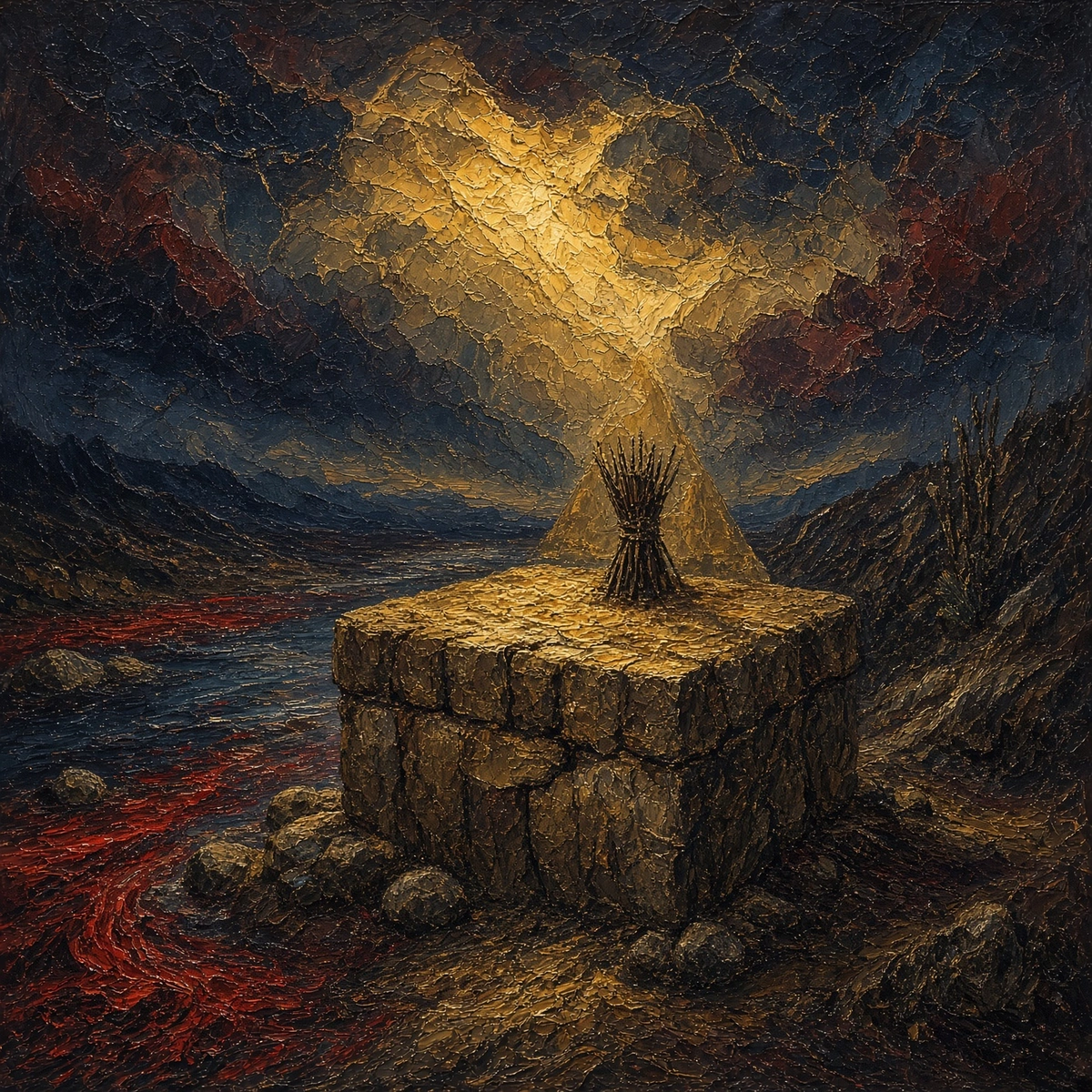
Joshua 22 begins with a homecoming and nearly ends in civil war. The eastern tribes are released with explicit praise because they kept their obligation to fight beside their brethren until the western tribes received rest. Their large altar near Jordan then creates a crisis of interpretation. The western tribes see a possible rival to the LORD's altar and prepare for war, carrying memories of Peor and Achan, where one group's sin brought consequences beyond itself. A delegation reaches the eastern tribes before the army does. The builders explain that the altar is not for sacrifice at all, but a visible witness meant to prevent future generations west of Jordan from denying their children a share in Israel's worship. Once that purpose is heard, the accusation is withdrawn. The same structure that looked like evidence of fracture becomes evidence against fracture. The chapter turns on the distance between seeing an object and knowing what it means.
Study Joshua 22 in depth