New · FreePlay The Witnesses The in-depth puzzle battle quest through Bible history

People of the Bible

Mordecai

Saved the king’s life, was forgotten for five years, and the forgetting is what turned the book.

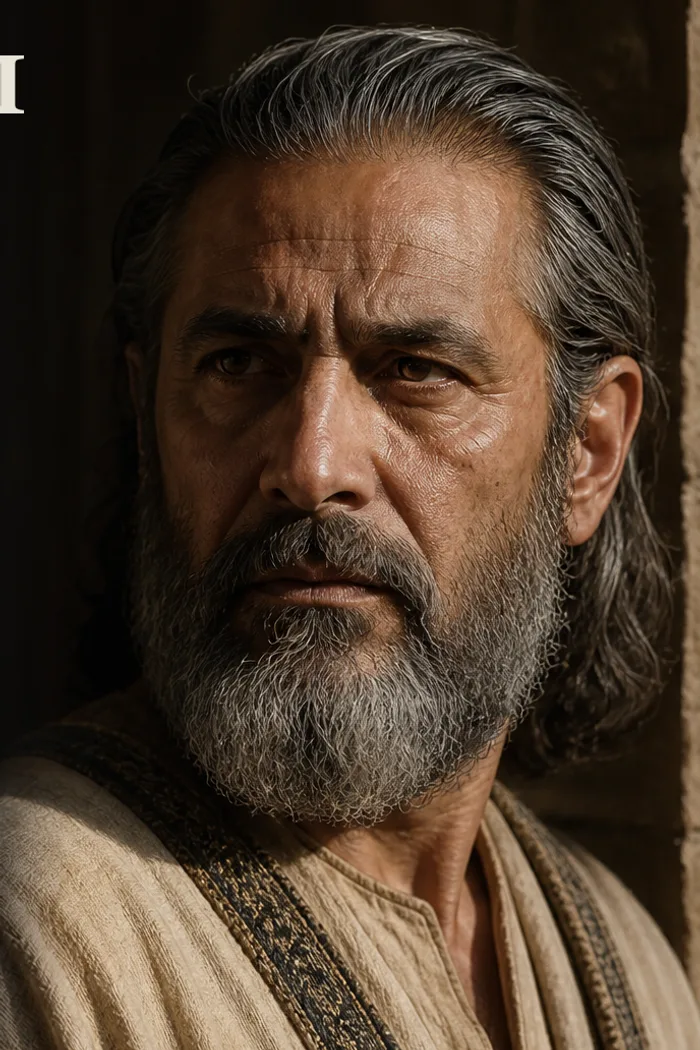
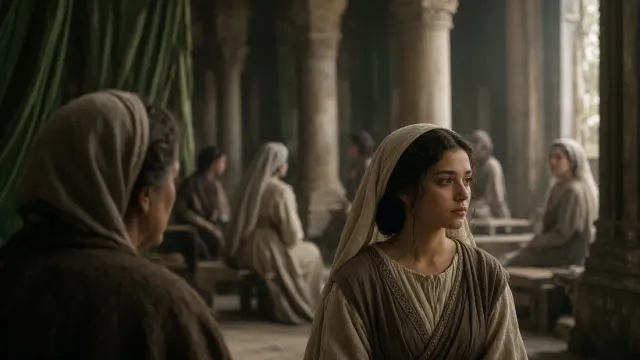
Mordecai is a Benjamite in Susa who raises his cousin as his own daughter. He sits in the king’s gate, which means he holds some position, and from there he overhears two doorkeepers plotting against the king and passes it on through Esther. It is written in the chronicles and nothing is done. Years later Haman is promoted and everyone in the gate bows except him. He gives no reason in the text. The decree that follows is aimed at an entire people because of one man who would not bend.

Where he appearsEsther 2 to 10

Scroll down to the account
Mordecai

The movements, in the order the text gives them.

The Account of Mordecai

  1. 01

    Esther 2:19-23

    It was written in the book

    He hears of the plot of Bigthan and Teresh, tells Esther, and she tells the king in his name. The men are hanged and the matter is recorded, and there it sits.

    The credit goes into the record before any reward goes to the man. Esther reports the plot in Mordecai's name, an easily passed-over detail that prevents his service from disappearing into the queen's access to the king. She is the person who can deliver the warning. She does not become its source.

    The warning is investigated, and the matter is found out. The account distinguishes information from confirmation: the two door-keepers are not executed merely because Mordecai has made an allegation. Their access to the king makes the threat close, while the man sitting at the gate proves useful precisely where the palace's own servants have become dangerous.

    Yet the paragraph ends with writing, not promotion. There is no parade, new office, or stated payment here. Chapter 6 will confirm that nothing had been done for him. It would be easy to call the missing reward a missing record, but the Book of Esther carefully separates them. The name is preserved; the debt remains unpaid. Royal administration has managed to remember an event without doing anything for the person responsible. The archive is accurate. Gratitude is another department.

    Verse by verse

    1. 2:19

      Sitting in the king's gate places Mordecai within the court's working environment. This verse does not give the formal title of his office.

    2. 2:22

      In Mordecai's name identifies the person credited with the warning. Esther does not conceal his contribution when reporting it.

    3. 2:23

      Inquisition means investigation. The passage states that the accusation was confirmed before the executions.

    Esther 2:19-23

    King James Version · 5 verses

    2:19And when the virgins were gathered together the second time, then Mordecai sat in the king’s gate.

    2:20Esther had not yet shewed her kindred nor her people; as Mordecai had charged her: for Esther did the commandment of Mordecai, like as when she was brought up with him.

    2:21In those days, while Mordecai sat in the king’s gate, two of the king’s chamberlains, Bigthan and Teresh, of those which kept the door, were wroth, and sought to lay hand on the king Ahasuerus.

    2:22And the thing was known to Mordecai, who told it unto Esther the queen; and Esther certified the king thereof in Mordecai’s name.

    2:23And when inquisition was made of the matter, it was found out; therefore they were both hanged on a tree: and it was written in the book of the chronicles before the king.

    Esther 2:19-23: It was written in the book
  2. 02

    Esther 3:1-6

    He bowed not, nor did him reverence

    The king’s servants ask daily why he transgresses the commandment. He tells them he is a Jew and they tell Haman, to see whether his reason will stand.

    The man who has just protected the king's life now refuses the king's command about Haman. That adjacency prevents an easy description of Mordecai as simply hostile to the court. His service and his refusal stand next to each other. The Book of Esther does not flatten him into either an obedient functionary or a man who rejects every royal demand.

    The refusal is persistent. Other servants speak to him daily, then take the matter to Haman after Mordecai has identified himself as a Jew. His identity is the explanation reported in the passage, but the precise reasoning behind it is not supplied. Bowing to a human being is not automatically idolatry throughout Scripture; Jacob bows to Esau in Genesis 33:3. Declaring Haman a self-proclaimed god would add something this text never says.

    What is supplied without ambiguity is Haman's escalation. He learns which people Mordecai belongs to and considers attacking one man beneath him. A question about one servant's posture becomes a plan against Jews throughout the kingdom. Mordecai's refusal is particular. Haman makes the target collective. The enormity lies in that deliberate change of scale.

    Verse by verse

    1. 3:2

      The king has specifically commanded the honor shown to Haman. Mordecai's refusal is therefore more than a breach of ordinary courtesy.

    2. 3:4

      The text links Mordecai's position with his Jewish identity but does not record a detailed explanation from him.

    3. 3:6

      Haman chooses to extend his hostility from Mordecai to an entire people. The passage attributes that decision to Haman, not to the other Jews.

    Esther 3:1-6

    King James Version · 6 verses

    3:1After these things did king Ahasuerus promote Haman the son of Hammedatha the Agagite, and advanced him, and set his seat above all the princes that were with him.

    3:2And all the king’s servants, that were in the king’s gate, bowed, and reverenced Haman: for the king had so commanded concerning him. But Mordecai bowed not, nor did him reverence.

    3:3Then the king’s servants, which were in the king’s gate, said unto Mordecai, Why transgressest thou the king’s commandment?

    3:4Now it came to pass, when they spake daily unto him, and he hearkened not unto them, that they told Haman, to see whether Mordecai’s matters would stand: for he had told them that he was a Jew.

    3:5And when Haman saw that Mordecai bowed not, nor did him reverence, then was Haman full of wrath.

    3:6And he thought scorn to lay hands on Mordecai alone; for they had shewed him the people of Mordecai: wherefore Haman sought to destroy all the Jews that were throughout the whole kingdom of Ahasuerus, even the people of Mordecai.

    Esther 3:1-6: He bowed not, nor did him reverence
  3. 03

    Esther 4:1-8

    Sackcloth in the middle of the city

    He rends his clothes and cries with a loud and bitter cry, and comes as far as the gate, because none may enter it in sackcloth. He sends Esther a copy of the decree.

    The palace can exclude sackcloth without excluding the decree that made it necessary. Mordecai reaches the gate and stops at a rule about clothing. Beyond that boundary sits a queen who is deeply distressed by his appearance but does not yet know its cause. The first attempted remedy is a change of clothes. He refuses it. The problem is not his wardrobe.

    His cry belongs to a larger sound spreading through the provinces: mourning, fasting, weeping, wailing. The repeated list will not allow the threatened population to remain an administrative category. These are people receiving official notice that their deaths have been authorized. Mordecai's public grief is part of their grief, not simply anger that Haman has insulted him.

    When Hatach comes out, Mordecai supplies more than emotion. He gives the promised sum of money and a copy of the decree itself. Esther is to see the document and hear its explanation. The man in ashes has brought evidence. He then asks her to petition for her people, placing her identity directly beside her access to the king. His clothes cannot pass the gate. His message must.

    Verse by verse

    1. 4:2

      The ban concerns entering the king's gate in sackcloth. It does not state a general ban on mourning throughout the city.

    2. 4:7

      The money is described as promised. This verse does not say Haman had already paid the treasury.

    3. 4:8

      The Hebrew word patshegen means a copy. Mordecai supplies the written decree, not merely a report of what he has heard.

    Esther 4:1-8

    King James Version · 8 verses

    4:1When Mordecai perceived all that was done, Mordecai rent his clothes, and put on sackcloth with ashes, and went out into the midst of the city, and cried with a loud and a bitter cry;

    4:2And came even before the king’s gate: for none might enter into the king’s gate clothed with sackcloth.

    4:3And in every province, whithersoever the king’s commandment and his decree came, there was great mourning among the Jews, and fasting, and weeping, and wailing; and many lay in sackcloth and ashes.

    4:4So Esther’s maids and her chamberlains came and told it her. Then was the queen exceedingly grieved; and she sent raiment to clothe Mordecai, and to take away his sackcloth from him: but he received it not.

    4:5Then called Esther for Hatach, one of the king’s chamberlains, whom he had appointed to attend upon her, and gave him a commandment to Mordecai, to know what it was, and why it was.

    4:6So Hatach went forth to Mordecai unto the street of the city, which was before the king’s gate.

    4:7And Mordecai told him of all that had happened unto him, and of the sum of the money that Haman had promised to pay to the king’s treasuries for the Jews, to destroy them.

    4:8Also he gave him the copy of the writing of the decree that was given at Shushan to destroy them, to shew it unto Esther, and to declare it unto her, and to charge her that she should go in unto the king, to make supplication unto him, and to make request before him for her people.

  4. 04

    Esther 6:1-11

    The night the king could not sleep

    The chronicles are read and the entry surfaces. Haman, waiting outside to ask for a gallows, is asked what should be done for the man the king delights to honour, and answers generously.

    Mordecai does not arrange the night that changes his standing. He is not in the royal bedroom, does not select the reading, and does not recommend himself for a reward. The Book of Esther keeps him outside the conversation while an old entry supplies his name. The man has done nothing new. The court has finally noticed what he already did.

    The timing is exact enough without an invented explanation for the king's sleeplessness. Haman arrives to ask for Mordecai's death just as the king is asking how to honor him. The same name stands at the center of two incompatible proposals. Haman hears the question without hearing the name, and his answer becomes lavish because he supplies himself as the missing person.

    Let nothing fail of all that thou hast spoken is wonderfully merciless in its precision. The king does not need to design a humiliation for Haman. He simply insists that Haman's own design be carried out for Mordecai. Apparel, horse, public proclamation: every decorative improvement survives the change of recipient. The uncredited man becomes publicly honored through the mouth of the man who came to have him killed.

    Verse by verse

    1. 6:1

      The verse reports sleeplessness but gives no medical, emotional, or explicitly supernatural explanation for it.

    2. 6:3

      Nothing done for him confirms that the service recorded in 2:23 had not received a reward.

    3. 6:10

      The king identifies Mordecai as the Jew at the gate. His identity is spoken openly within the command to honor him.

    Esther 6:1-11: The night the king could not sleep

    Esther 6:1-11

    King James Version · 11 verses

    6:1On that night could not the king sleep, and he commanded to bring the book of records of the chronicles; and they were read before the king.

    6:2And it was found written, that Mordecai had told of Bigthana and Teresh, two of the king’s chamberlains, the keepers of the door, who sought to lay hand on the king Ahasuerus.

    6:3And the king said, What honour and dignity hath been done to Mordecai for this? Then said the king’s servants that ministered unto him, There is nothing done for him.

    6:4And the king said, Who is in the court? Now Haman was come into the outward court of the king’s house, to speak unto the king to hang Mordecai on the gallows that he had prepared for him.

    6:5And the king’s servants said unto him, Behold, Haman standeth in the court. And the king said, Let him come in.

    6:6So Haman came in. And the king said unto him, What shall be done unto the man whom the king delighteth to honour? Now Haman thought in his heart, To whom would the king delight to do honour more than to myself?

    6:7And Haman answered the king, For the man whom the king delighteth to honour,

    6:8Let the royal apparel be brought which the king useth to wear, and the horse that the king rideth upon, and the crown royal which is set upon his head:

    6:9And let this apparel and horse be delivered to the hand of one of the king’s most noble princes, that they may array the man withal whom the king delighteth to honour, and bring him on horseback through the street of the city, and proclaim before him, Thus shall it be done to the man whom the king delighteth to honour.

    6:10Then the king said to Haman, Make haste, and take the apparel and the horse, as thou hast said, and do even so to Mordecai the Jew, that sitteth at the king’s gate: let nothing fail of all that thou hast spoken.

    6:11Then took Haman the apparel and the horse, and arrayed Mordecai, and brought him on horseback through the street of the city, and proclaimed before him, Thus shall it be done unto the man whom the king delighteth to honour.

  5. 05

    Esther 8:9-17

    The second decree

    The first cannot be revoked, so a second is written in every province’s own script and language, granting the Jews the right to defend themselves on the same day.

    Haman is dead, but his paperwork is still dangerous. The second decree exists because the first has not simply vanished with its author. Verse 8 has already stated the problem: writing sealed in the king's name cannot be reversed. Mordecai therefore uses the same scribes, royal name, seal, and provincial reach to authorize resistance on the very day fixed for attack.

    The reversal is real, but it is not bloodless. The Jews may gather and stand for their life; the decree also employs the language of destruction and plunder and explicitly names little ones and women. Its difficult wording must not be polished into a harmless proclamation. This is legal authorization for a violent confrontation, not the removal of every danger.

    Mordecai's clothing changes from sackcloth to royal blue, white, and purple, while Shushan's response changes from perplexity to joy. The public honor matters because a population's position has changed with his. The Book of Esther closes his career in 10:3 by naming the welfare of his people and his speech of peace. The office is larger than the man who holds it. Its consequences reach the people who cannot enter the palace.

    Verse by verse

    1. 8:9

      The new decree includes the Jews according to their own writing and language, alongside the empire's other provincial audiences.

    2. 8:11

      The syntax involving little ones and women is debated, but the KJV includes those words within the violent decree. They should not be omitted when describing its severity.

    3. 8:12

      The date matches the day fixed by Haman's decree in 3:13. The second authorization enables defense on that same day.

    Esther 8:9-17

    King James Version · 9 verses

    8:9Then were the king’s scribes called at that time in the third month, that is, the month Sivan, on the three and twentieth day thereof; and it was written according to all that Mordecai commanded unto the Jews, and to the lieutenants, and the deputies and rulers of the provinces which are from India unto Ethiopia, an hundred twenty and seven provinces, unto every province according to the writing thereof, and unto every people after their language, and to the Jews according to their writing, and according to their language.

    8:10And he wrote in the king Ahasuerus’ name, and sealed it with the king’s ring, and sent letters by posts on horseback, and riders on mules, camels, and young dromedaries:

    8:11Wherein the king granted the Jews which were in every city to gather themselves together, and to stand for their life, to destroy, to slay, and to cause to perish, all the power of the people and province that would assault them, both little ones and women, and to take the spoil of them for a prey,

    8:12Upon one day in all the provinces of king Ahasuerus, namely, upon the thirteenth day of the twelfth month, which is the month Adar.

    8:13The copy of the writing for a commandment to be given in every province was published unto all people, and that the Jews should be ready against that day to avenge themselves on their enemies.

    8:14So the posts that rode upon mules and camels went out, being hastened and pressed on by the king’s commandment. And the decree was given at Shushan the palace.

    8:15And Mordecai went out from the presence of the king in royal apparel of blue and white, and with a great crown of gold, and with a garment of fine linen and purple: and the city of Shushan rejoiced and was glad.

    8:16The Jews had light, and gladness, and joy, and honour.

    8:17And in every province, and in every city, whithersoever the king’s commandment and his decree came, the Jews had joy and gladness, a feast and a good day. And many of the people of the land became Jews; for the fear of the Jews fell upon them.

Why it matters

The turn of the whole book happens while nobody is acting. The king cannot sleep, calls for the chronicles to be read to him, and the reader happens on the entry about the doorkeepers. Haman is in the court at that moment to ask for a gallows. What the record kept for five years does in one night is the closest the book comes to naming providence, and it does it without ever naming God.

10 songs

The music

Every song in the catalogue whose passage falls inside these chapters.

  1. Esther 1:1-10:3

    Esther, Courage for Such a Time

  2. Esther 2:1-23

    Esther Obtained Favour

  3. Esther 3:1-15

    A Decree for One Appointed Day

  4. Esther 3-8

    For Such a Time as This

  5. Esther 3:1-6

    I Bow Before No Man

    Play here
    Open song pageRead lyrics
  6. Esther 5:1-14

    If I Perish, I Perish

  7. Esther 6:1-14

    What Honour Hath Been Done to Mordecai?

  8. Esther 7:1-10

    The Adversary and Enemy Is This Wicked Haman

  9. Esther 8:1-17

    Light and Gladness and Joy

  10. Esther 9:1-10:3

    The Month Was Turned unto Them

Nearby

All the people

Report an error on this page