Places of the Bible

Antioch

The third city of the empire, where the first mixed congregation happened by accident and got a nickname for it.

Antioch on the Orontes was the third largest city in the Roman world after Rome and Alexandria, with half a million people and a Jewish quarter of long standing. The church there starts as a side effect. Men scattered by the persecution over Stephen were preaching to Jews only, and then some men of Cyprus and Cyrene came and spake unto the Grecians. Nobody authorised this. The report reaches Jerusalem afterwards and Barnabas is sent to look at it.

Where it appearsActs 11 · Acts 13 · Acts 15 · Galatians 2

Scroll down to the account
Antioch

The movements, in the order the text gives them.

The Account of Antioch

  1. 01

    Acts 11:20-21

    They spake unto the Grecians

    No apostle sent them and no council approved it. The hand of the Lord was with them is the only credential the account offers.

    The men who begin the work in Antioch never receive names. Cyprus and Cyrene are their introductions; the Lord Jesus is their subject. Barnabas and Saul become prominent later, but neither gets to claim this beginning. The Book of Acts places the initiative with believers scattered by the persecution connected with Stephen, not with a delegation dispatched from Jerusalem. The scattering has carried their message farther than their persecutors intended, although the passage does not describe anybody planning the result.

    The contrast with verse 19 matters. There, the word travels among Jews only; here, the audience widens, though the exact identity of the Grecians involves a genuine textual difficulty. The chapter has already established the reception of Gentiles through Peter's account of Cornelius. Antioch belongs within that widening movement, not outside its history. Then the hand of the Lord takes the emphasis away from the messengers' origins and puts it on the source of the increase. Unnamed speakers, an unmistakable subject, a large response. The names are missing; the credit is not.

    Verse by verse

    1. 11:20

      Cyprus and Cyrene identify the speakers by origin, not by name. This is Syrian Antioch, distinct from the Antioch in Pisidia of Acts 13:14.

    2. 11:21

      The hand of the Lord is an established biblical expression for divine action; compare Luke 1:66. Here its effect is belief and turning to the Lord.
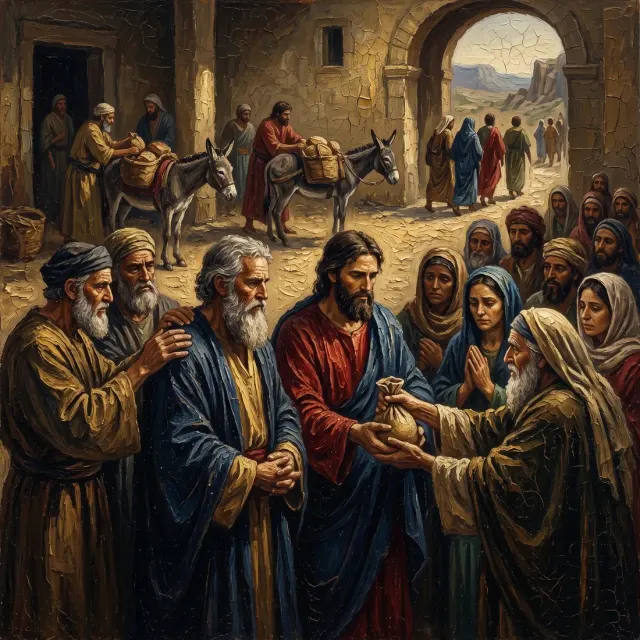
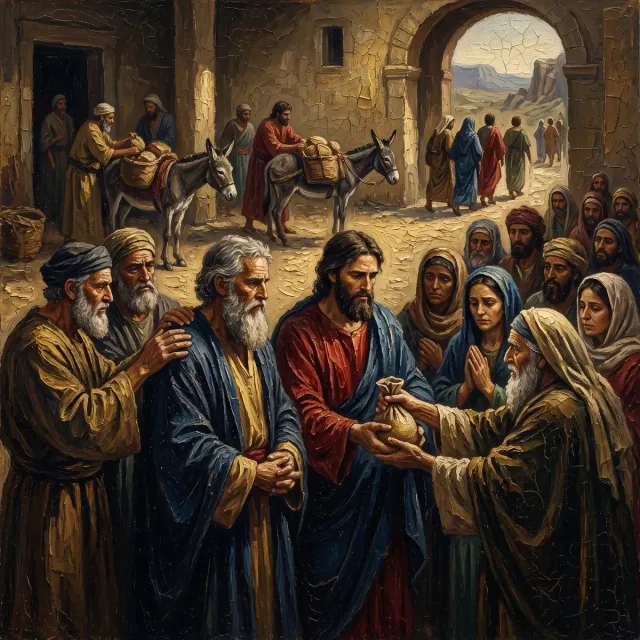
    Acts 11:20-21

    King James Version · 2 verses

    11:20And some of them were men of Cyprus and Cyrene, which, when they were come to Antioch, spake unto the Grecians, preaching the Lord Jesus.

    11:21And the hand of the Lord was with them: and a great number believed, and turned unto the Lord.

    Acts 11:20-21: They spake unto the Grecians
  2. 02

    Acts 11:22-26

    The disciples were called Christians first in Antioch

    Barnabas is sent to inspect and responds by recruiting. The nickname arrives at the end of a year of teaching rather than at a founding.

    Barnabas sees grace before he starts giving instructions. That order is the point of his visit. Jerusalem has heard reports; he arrives, recognizes what God has done, and is glad. The Book of Acts does not depict him arriving to establish that nothing counts until Jerusalem approves it. His exhortation directs the believers to cleave unto the Lord, not to their visiting representative.

    Then he goes looking for Saul. This is the same Barnabas who took Saul to the apostles when the Jerusalem disciples were afraid of him in Acts 9:26-27. Bringing an inconvenient man into the room is becoming something of a specialty. Here the result is not a brief appearance but a whole year of shared teaching. The striking growth of the preceding verses acquires patient instruction.

    The famous name comes at the end of that year-long description. Christians identifies the disciples by Christ, rather than by either teacher. The text says where the designation first appeared, but not who coined it or whether the first use was friendly. Antioch supplies the name. Barnabas and Saul supply the teaching.

    Verse by verse

    1. 11:23

      The instruction concerns purpose of heart and continued attachment to the Lord. It is not presented as an initiation requirement.

    2. 11:25

      Acts 9:30 last located Saul at Tarsus. Barnabas deliberately retrieves a man already known to him, rather than encountering a stranger.

    3. 11:26

      The passive wording, were called, does not identify the person or group responsible for the name. Mockery is possible, not stated.

    Acts 11:22-26

    King James Version · 5 verses

    11:22Then tidings of these things came unto the ears of the church which was in Jerusalem: and they sent forth Barnabas, that he should go as far as Antioch.

    11:23Who, when he came, and had seen the grace of God, was glad, and exhorted them all, that with purpose of heart they would cleave unto the Lord.

    11:24For he was a good man, and full of the Holy Ghost and of faith: and much people was added unto the Lord.

    11:25Then departed Barnabas to Tarsus, for to seek Saul:

    11:26And when he had found him, he brought him unto Antioch. And it came to pass, that a whole year they assembled themselves with the church, and taught much people. And the disciples were called Christians first in Antioch.

    Acts 11:22-26: The disciples were called Christians first in Antioch
  3. 03

    Acts 11:27-30

    Every man according to his ability, determined to send relief

    The new church’s first recorded act as a body is to send money to the older one that had been checking up on it.

    Jerusalem sends teachers and prophets; Antioch sends relief. The traffic now runs both ways. A congregation that has received instruction is already treating distant believers as brethren, and that kinship has acquired something more substantial than a greeting.

    Agabus announces a famine, but the paragraph spends its closing sentences on the response rather than on calculations about the prediction. Every man according to his ability keeps the contribution tied to actual resources. Equal concern does not require identical sums. Nor does the Book of Acts leave the collection suspended in the pleasant realm of good intentions. Which also they did is wonderfully resistant to excuses. The decision becomes a delivery, the recipients have elders, and Barnabas and Saul have the unglamorous responsibility of carrying it.

    This is also a reversal within the chapter. The community first investigated by Jerusalem is now supporting believers in Judaea. Neither community has ceased to need the other. Antioch's growing importance is measured here not by the size of its audience or the prominence of its teachers, but by assistance that actually leaves town.

    Verse by verse

    1. 11:28

      Dearth means famine. The verse places its occurrence under Claudius, but supplies neither an exact year nor a claim that every region suffered simultaneously.

    2. 11:29

      According to his ability makes each contribution proportionate to available means. Compare the similar principle in 2 Corinthians 8:12.

    3. 11:30

      The aid goes to the elders, through named carriers. The passage records both local recipients and identifiable responsibility for delivery.

    Acts 11:27-30

    King James Version · 4 verses

    11:27And in these days came prophets from Jerusalem unto Antioch.

    11:28And there stood up one of them named Agabus, and signified by the Spirit that there should be great dearth throughout all the world: which came to pass in the days of Claudius Cæsar.

    11:29Then the disciples, every man according to his ability, determined to send relief unto the brethren which dwelt in Judæa:

    11:30Which also they did, and sent it to the elders by the hands of Barnabas and Saul.

  4. 04

    Acts 13:1-3

    Separate me Barnabas and Saul

    The list of teachers names a man brought up with Herod and a man called Simeon that was called Niger, which tells you what the room looked like.

    Antioch's leadership list is an unlikely place for a court connection. Yet there is Manaen, brought up with Herod the tetrarch, worshipping alongside Barnabas, Simeon, Lucius, and Saul. Their introductions preserve different backgrounds without making any one background the qualification that holds the group together. The former persecutor stands at the end of the list. The Book of Acts has not arranged the room around his future reputation.

    The decisive instruction comes while they are ministering to the Lord and fasting. Barnabas and Saul are not volunteers whom the congregation must somehow find a use for. They are established workers being released for a call the Spirit describes as already his: the work whereunto I have called them. Antioch is giving up people it has reason to keep.

    Prayer, fasting, and the laying on of hands make the departure a shared act rather than a private disappearance. Verse 4 then calls them sent forth by the Holy Ghost. The human sending and the divine sending are not rival explanations. The same departure has both.

    Verse by verse

    1. 13:1

      Niger is a Latin name meaning black. The passage does not supply enough information to reconstruct Simeon's birthplace or personal history from it.

    2. 13:2

      The Spirit speaks of a call already given. The congregation recognizes and releases the workers; it is not described as originating their commission.

    3. 13:3

      The laying on of hands accompanies prayer and sending. Since both men are already prophets or teachers, this is not their conversion.

    Acts 13:1-3

    King James Version · 3 verses

    13:1Now there were in the church that was at Antioch certain prophets and teachers; as Barnabas, and Simeon that was called Niger, and Lucius of Cyrene, and Manaen, which had been brought up with Herod the tetrarch, and Saul.

    13:2As they ministered to the Lord, and fasted, the Holy Ghost said, Separate me Barnabas and Saul for the work whereunto I have called them.

    13:3And when they had fasted and prayed, and laid their hands on them, they sent them away.

    Acts 13:1-3: Separate me Barnabas and Saul
  5. 05

    Galatians 2:11-14

    I withstood him to the face, because he was to be blamed

    Peter stops eating with Gentiles when visitors arrive, and the confrontation is public because the retreat was public.

    A movement of people away from a table has become a statement about the gospel. Peter had been eating with Gentiles; his withdrawal makes their company unacceptable when certain visitors arrive. Paul identifies the motive as fear. No imagined private thought is needed: the accusation is already on the page.

    Barnabas also is the especially heavy phrase. The man who recognized grace in Antioch and helped teach its congregation is now caught in behavior that divides it. Paul's objection is not that Peter has made an awkward social choice. The withdrawal pressures Gentiles to adopt Jewish ways as the price of unbroken fellowship. A boundary that the gospel has crossed is being put back through the dining room.

    The rebuke is public because the conduct has become public and contagious. Paul does not erase Peter's apostleship; he confronts a practice inconsistent with the truth both men proclaim. Nor does the passage report Peter's reply or a tidy reconciliation scene. It leaves the charge where Paul put it: at the meeting point of confessed truth and an emptied place at the table.

    Verse by verse

    1. 2:12

      From James identifies the visitors' association or point of origin. Paul does not say that James ordered Peter to withdraw.

    2. 2:13

      Dissimulation means hypocrisy or concealment of the position actually held. Barnabas is specifically included in Paul's criticism.

    3. 2:14

      The date of this confrontation relative to the council in Acts 15 is disputed. This paragraph alone does not settle the chronology.

    Galatians 2:11-14

    King James Version · 4 verses

    2:11But when Peter was come to Antioch, I withstood him to the face, because he was to be blamed.

    2:12For before that certain came from James, he did eat with the Gentiles: but when they were come, he withdrew and separated himself, fearing them which were of the circumcision.

    2:13And the other Jews dissembled likewise with him; insomuch that Barnabas also was carried away with their dissimulation.

    2:14But when I saw that they walked not uprightly according to the truth of the gospel, I said unto Peter before them all, If thou, being a Jew, livest after the manner of Gentiles, and not as do the Jews, why compellest thou the Gentiles to live as do the Jews?

    Galatians 2:11-14: I withstood him to the face, because he was to be blamed

Why it matters

What he does when he arrives is the reason the church survived. He was glad, which the text says plainly, and then he went to Tarsus to fetch a man nobody else had a use for. The disciples were called Christians first in Antioch, and the name was a label from outside rather than a choice from within. This is the church that sends rather than receives: it funds famine relief in Judea, it commissions the first missionary journey, and it is where a dispute about eating together forces the whole question of who the gospel is for.

4 songs

The music

Every song in the catalogue whose passage falls inside these chapters.

  1. Acts 11:19-30; 13-14

    Sent Out

  2. Acts 15:1-35

    It Seemed Good to the Holy Ghost

  3. Acts 15

    No Greater Burden

  4. Galatians 2:1-21

    Crucified with Christ

Nearby

All the places

Report an error on this page