
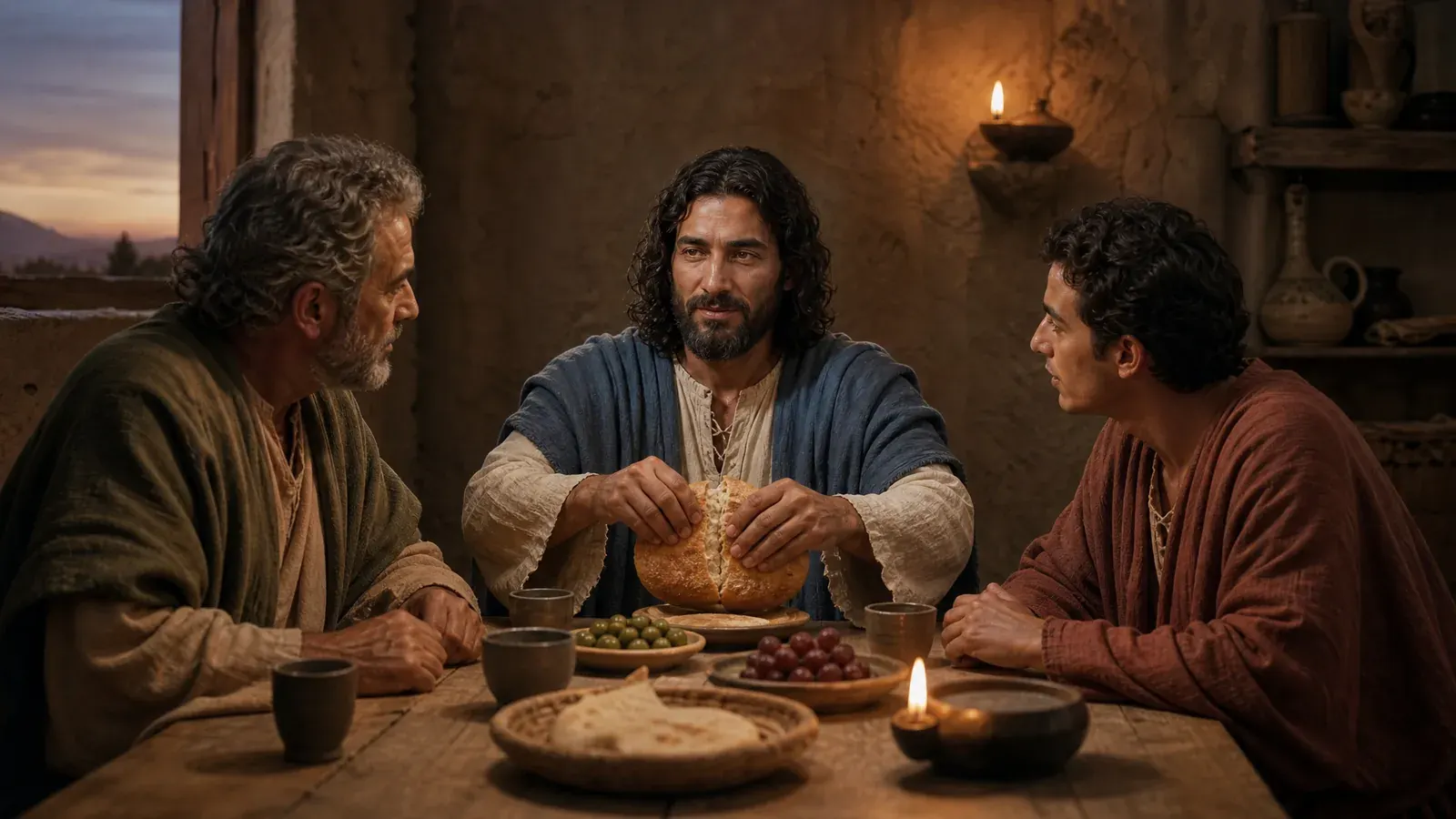

Luke 24:17
They stood still, and were sad
The question stops them where they are. The account notices the body language before it reports a word of the answer.
Verse by verse
- 24:17
Communications means the words being exchanged in conversation. It does not refer to letters or messages received from elsewhere.
- 24:17
The preceding verse says their eyes were holden so that they did not recognize Jesus. Luke does not give a physical explanation for that restraint.
- 24:17
Luke 24:18 names one traveller as Cleopas. The other traveller remains unnamed in this account.
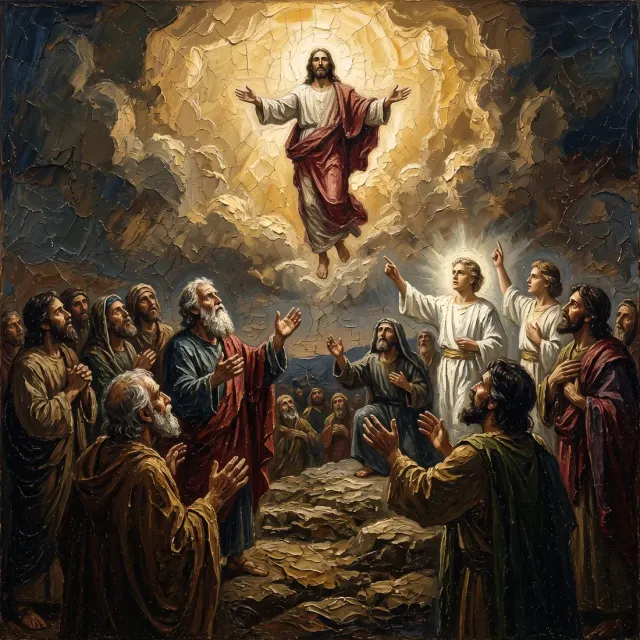
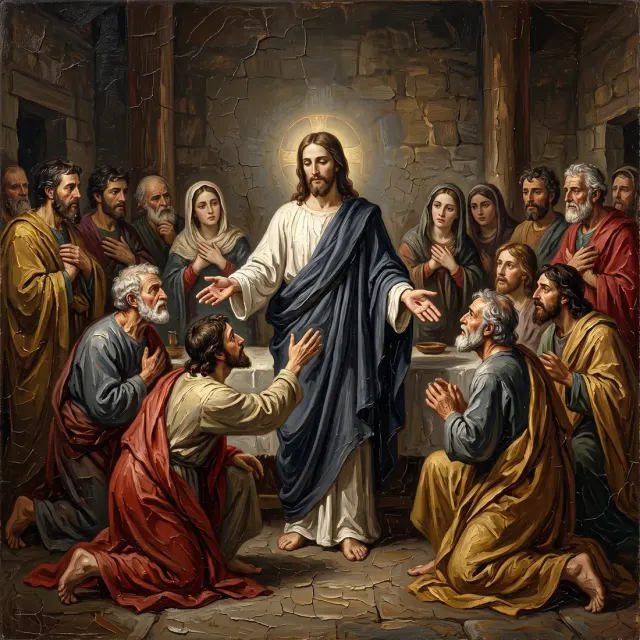
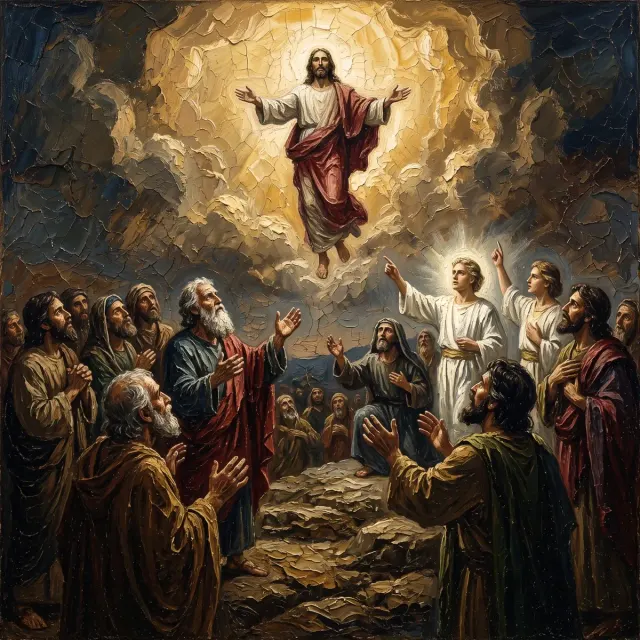

The conversation contains a magnificent reversal. In the answer that follows, the travellers explain Jesus of Nazareth to Jesus of Nazareth. Cleopas even wonders whether this companion is the only visitor to Jerusalem who has missed the news. The person treated as least informed is the person the news is about. The Book of Luke lets that irony stand without making their sadness ridiculous.
Their sadness is explicit, and so is their failure to recognize him. But the preceding verse says their eyes were holden. It does not attribute that failure to tears or a changed face. Jesus has drawn near and joined their walk before they can identify the companion beside them. His presence and their recognition are not the same event.
The question draws out an account full of information: Jesus' public deeds, his condemnation, the crucifixion, the hope attached to him and the unsettling reports from the tomb. These are not people who simply failed to hear that something had happened in Jerusalem. Their difficulty is what all those things mean together. They have enough facts to sustain a long conversation and not yet enough understanding to end their sorrow. Jesus meets them in the middle of that unfinished explanation.