
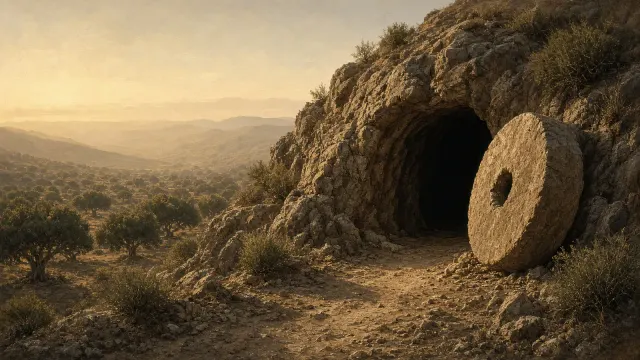

Genesis 13:18
He dwelt in the plain of Mamre
After separating from Lot he moves his tent to Hebron and builds an altar. The place becomes his base for the rest of his life.
Verse by verse
- 13:18
The Hebrew elone refers to large trees, commonly rendered oaks or terebinths. The KJV plain should not be used by itself to reconstruct a treeless, flat landscape.
- 13:18
Removed his tent means moved camp, not discarded his dwelling.
- 13:18
Second Samuel 5:5 records David's reign over Judah at Hebron as seven years and six months, before his reign at Jerusalem.
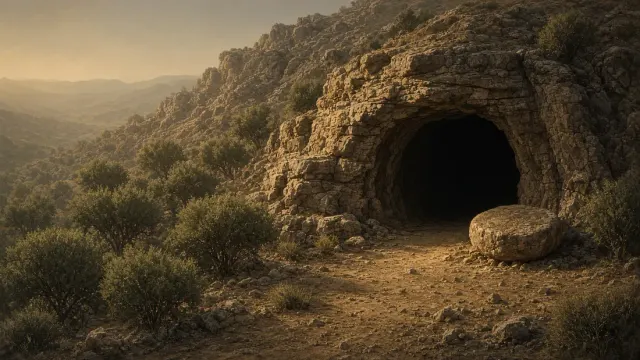
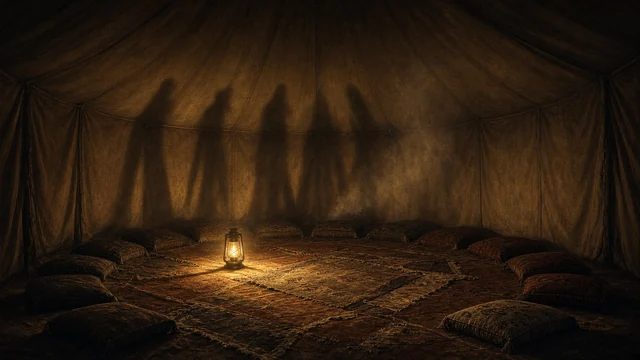


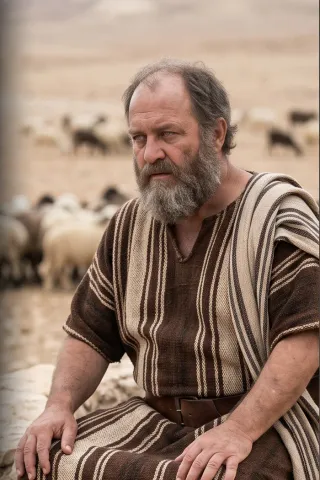

The first structure Abram builds at Hebron is not a house. His own dwelling remains a tent; the thing he builds is an altar. The distinction is small enough to pass unnoticed and large enough to describe his position in the land. He can live here, move through it, and worship here without yet possessing the inheritance promised to his descendants.
The verse follows the command to walk through the land in its length and breadth. Abram's movement is therefore more than a new address after the separation from Lot. It places an actual encampment inside the promise. The Book of Genesis does not suspend ordinary geography while speaking about divine commitments: there are trees, named neighbors in the following chapter, and places where a household must settle.
Hebron will become much more than this campsite. David will reign there before Jerusalem becomes his capital. But here the place enters Abram's life without a throne, a palace, or a deed of purchase. The later grandeur must not drown out the present scale. One household pitches its tent. One man builds an altar. The land is still larger than what he holds.