The big picture
Sarah, Abraham’s wife, dies at age one hundred twenty-seven in Kirjath-arba, another name for Hebron, a town in Canaan. Canaan is the land where Abraham lives. Abraham, Sarah’s husband, mourns her and needs a burial place. He speaks to the sons of Heth, a local Hittite community, and asks to own land. Ephron, a Hittite landowner, has the field Abraham wants. The field contains the cave of Machpelah near Mamre, an area by Hebron. Abraham pays for the property before local witnesses and then buries Sarah there.
In this chapter
- Abraham Mourns and Seeks Burial Land Genesis 23:1-6
Sarah dies in Hebron, in Canaan.
- Abraham Pays Ephron for Machpelah Genesis 23:7-16
Abraham bows to the local people and asks them to speak with Ephron son of Zohar.
- The Field Becomes Abraham’s Property Genesis 23:17-20
The account lists what now belongs to Abraham.
Central truth
Genesis 23 shows Abraham mourning Sarah and buying a secure burial property in Canaan through a public, witnessed payment.
Scripture beside the summary
Genesis · King James Version · 20Genesis 23:1-6
Abraham Mourns and Seeks Burial Land
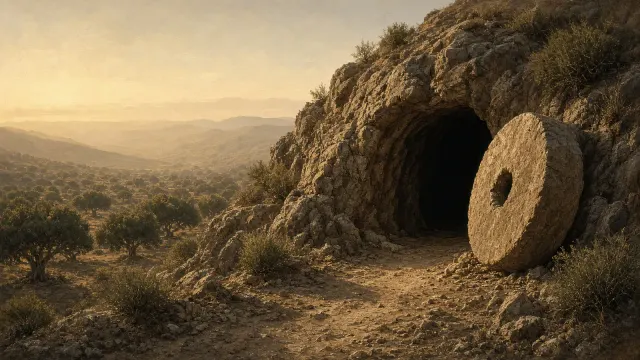
Sarah dies in Hebron, in Canaan. Abraham mourns and weeps for her. Then he goes to the sons of Heth and explains his position. He lives among them as a foreign resident and owns no burial land there. He asks for property where he can bury Sarah. The local men answer with respect. They call Abraham a mighty prince and offer him one of their best tombs. They say no one will refuse him a place for burial. Their answer gives him access to a tomb, but Abraham is asking for land he can own.
In everyday life
A widower walks into a cemetery office after losing his wife abroad. He owns no plot in that country. Local families offer places in their own sections, but he wants a plot his family can keep. Modern cemeteries use offices and contracts; Abraham deals with local clan leaders.
Notice
Genesis 23:4 Abraham calls himself both a stranger and a sojourner. Though he has wealth and standing, he still owns no land for Sarah’s burial.
Genesis 23:1-6
King James Version1And Sarah was an hundred and seven and twenty years old: these were the years of the life of Sarah.
2And Sarah died in Kirjath-arba; the same is Hebron in the land of Canaan: and Abraham came to mourn for Sarah, and to weep for her.
3And Abraham stood up from before his dead, and spake unto the sons of Heth, saying,
4I am a stranger and a sojourner with you: give me a possession of a buryingplace with you, that I may bury my dead out of my sight.
5And the children of Heth answered Abraham, saying unto him,
6Hear us, my lord: thou art a mighty prince among us: in the choice of our sepulchres bury thy dead; none of us shall withhold from thee his sepulchre, but that thou mayest bury thy dead.
Genesis 23:7-16
Abraham Pays Ephron for Machpelah
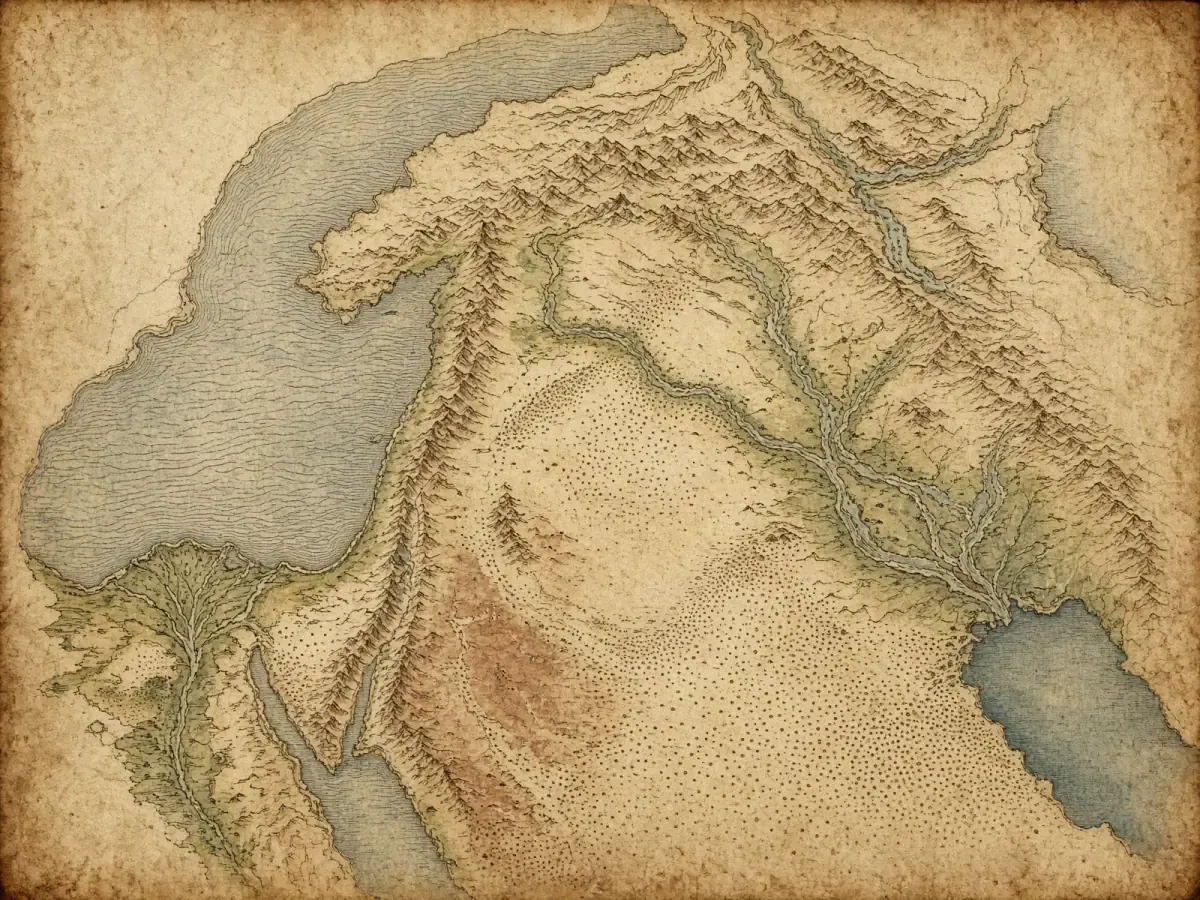
Abraham bows to the local people and asks them to speak with Ephron son of Zohar. Abraham wants the cave of Machpelah at the end of Ephron’s field. He offers to pay the full value. Ephron answers where the local people can hear. He offers the field and cave to Abraham. Abraham bows again and says he will pay. Ephron then names the value as four hundred shekels of silver. Abraham accepts the amount. He weighs out the silver by the standard used in trade. The whole exchange happens before the sons of Heth, so others witness the payment.
In everyday life
A home buyer hears the seller offer a handshake deal for a family property. The buyer asks for a firm price instead. He pays the full amount and keeps the transfer public. A modern buyer uses deeds and bank records; Abraham uses weighed silver and witnesses.
Notice
Genesis 23:16 Abraham pays the amount Ephron names without more bargaining. The verse stresses public payment and recognized trade weight, making the purchase clear.
Genesis 23:7-16
King James Version7And Abraham stood up, and bowed himself to the people of the land, even to the children of Heth.
8And he communed with them, saying, If it be your mind that I should bury my dead out of my sight; hear me, and intreat for me to Ephron the son of Zohar,
9That he may give me the cave of Machpelah, which he hath, which is in the end of his field; for as much money as it is worth he shall give it me for a possession of a buryingplace amongst you.
10And Ephron dwelt among the children of Heth: and Ephron the Hittite answered Abraham in the audience of the children of Heth, even of all that went in at the gate of his city, saying,
11Nay, my lord, hear me: the field give I thee, and the cave that is therein, I give it thee; in the presence of the sons of my people give I it thee: bury thy dead.
12And Abraham bowed down himself before the people of the land.
13And he spake unto Ephron in the audience of the people of the land, saying, But if thou wilt give it, I pray thee, hear me: I will give thee money for the field; take it of me, and I will bury my dead there.
14And Ephron answered Abraham, saying unto him,
15My lord, hearken unto me: the land is worth four hundred shekels of silver; what is that betwixt me and thee? bury therefore thy dead.
16And Abraham hearkened unto Ephron; and Abraham weighed to Ephron the silver, which he had named in the audience of the sons of Heth, four hundred shekels of silver, current money with the merchant.
Genesis 23:17-20
The Field Becomes Abraham’s Property
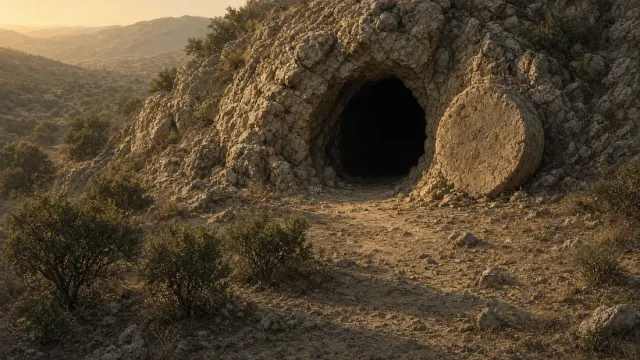
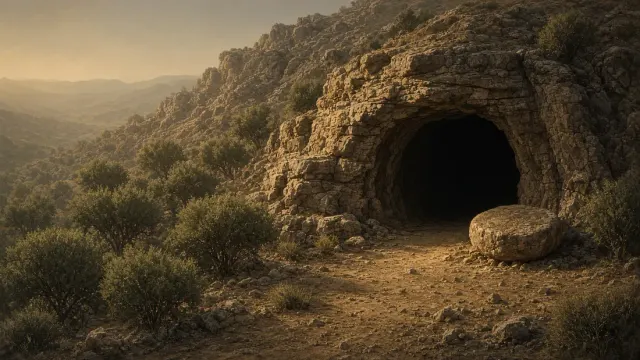
The account lists what now belongs to Abraham. It includes Ephron’s field at Machpelah, the cave in it, and the trees within its borders. The sons of Heth and others at the city gate witness the transfer. Abraham then buries Sarah in the cave. The place is near Mamre, which is Hebron in Canaan. The final verse says again that the field and cave are secure as Abraham’s burial property. The repeated details make the ownership clear. Sarah is buried there only after the land has become Abraham’s possession.
In everyday life
A museum registrar accepts a donated collection and lists every box, object, and label. The record prevents later fights over what changed hands. Here, the careful list serves a similar purpose for land. Museum records track movable items; Genesis names a field, cave, trees, and borders.
Notice
Genesis 23:17 The field, cave, trees, and borders are all named. That careful list defines the property itself, not only Abraham’s right to bury Sarah there.
Genesis 23:17-20
King James Version17And the field of Ephron, which was in Machpelah, which was before Mamre, the field, and the cave which was therein, and all the trees that were in the field, that were in all the borders round about, were made sure
18Unto Abraham for a possession in the presence of the children of Heth, before all that went in at the gate of his city.
19And after this, Abraham buried Sarah his wife in the cave of the field of Machpelah before Mamre: the same is Hebron in the land of Canaan.
20And the field, and the cave that is therein, were made sure unto Abraham for a possession of a buryingplace by the sons of Heth.
Details worth noticing
The opening image
Genesis 23:1 begins with “And Sarah was an hundred and seven and twenty years old: these were the years of the life of Sarah.”
Where the chapter turns
Genesis 23:15 forms a natural hinge: “My lord, hearken unto me: the land is worth four hundred shekels of silver; what is that betwixt me and thee? bury therefore thy dead.”
The final note
Genesis 23:20 leaves the reader with “And the field, and the cave that is therein, were made sure unto Abraham for a possession of a buryingplace by the sons of Heth.”
A word trail through the chapter
The words Abraham, dead, Ephron, field, Heth, bury help reveal the chapter’s repeated concerns.
KJV words made clear
- sojourner
- a temporary resident living among people without full local land ownership.
- sepulchres
- tombs or places prepared for burying the dead.
- intreat
- ask, appeal, or make an earnest request.
- shekels
- units of weight used here to measure silver for payment.
- made sure
- made legally secure or confirmed as Abraham’s possession.
Music and video connected to the passage
Related media appears when its Scripture reference overlaps this study. Music and video can illuminate a theme while the biblical text remains the foundation.