

Lyrics · Genesis
No Longer Jacob
Genesis 32:1-36:40
Lyrics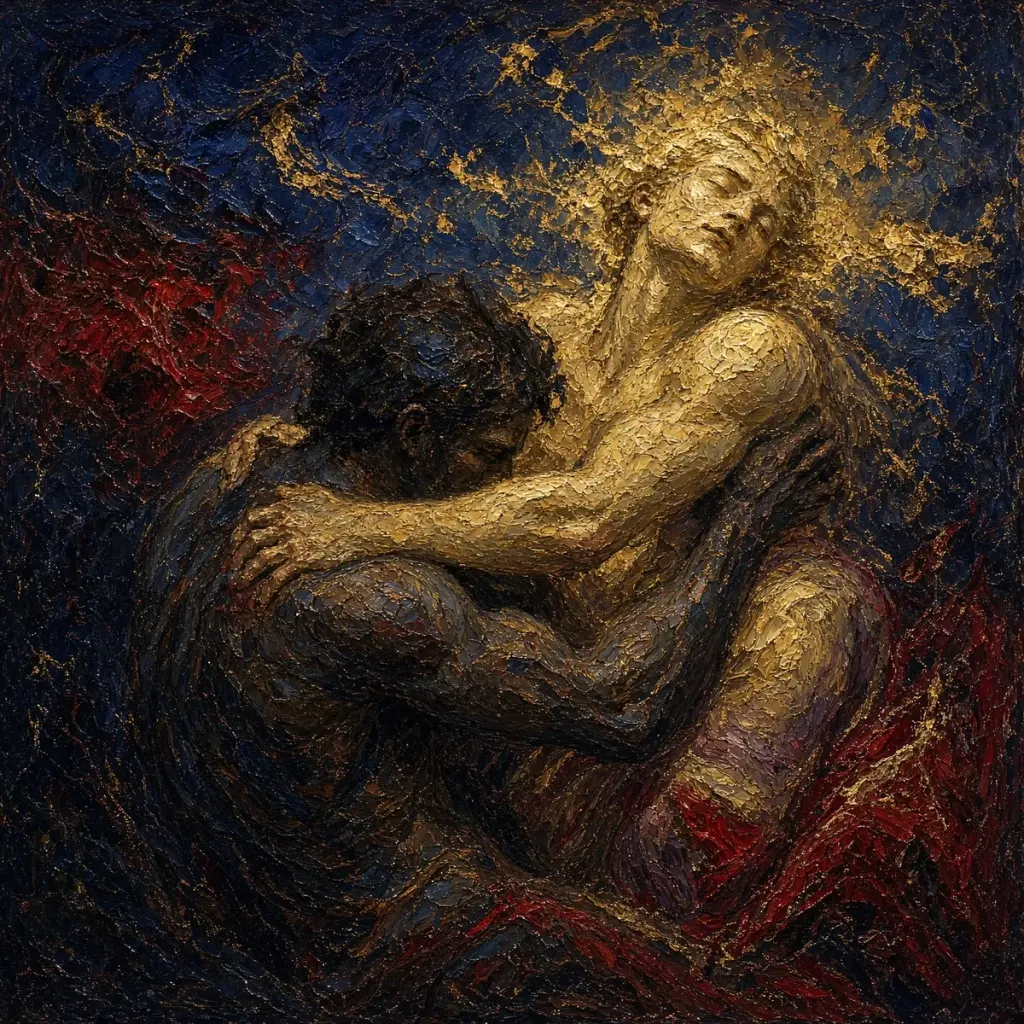
Playing next
About this song
About this song
This song belongs to the Genesis collection. One recording is available to play here, with the complete lyrics below.
- Bible book
- Genesis
- Collection
- Genesis
- Musical styles
- Alternative Rock
Named in this songEsauJacobPenielBethelRachelIsaac
About the passage
Genesis 32: A new name and a limp before the meeting
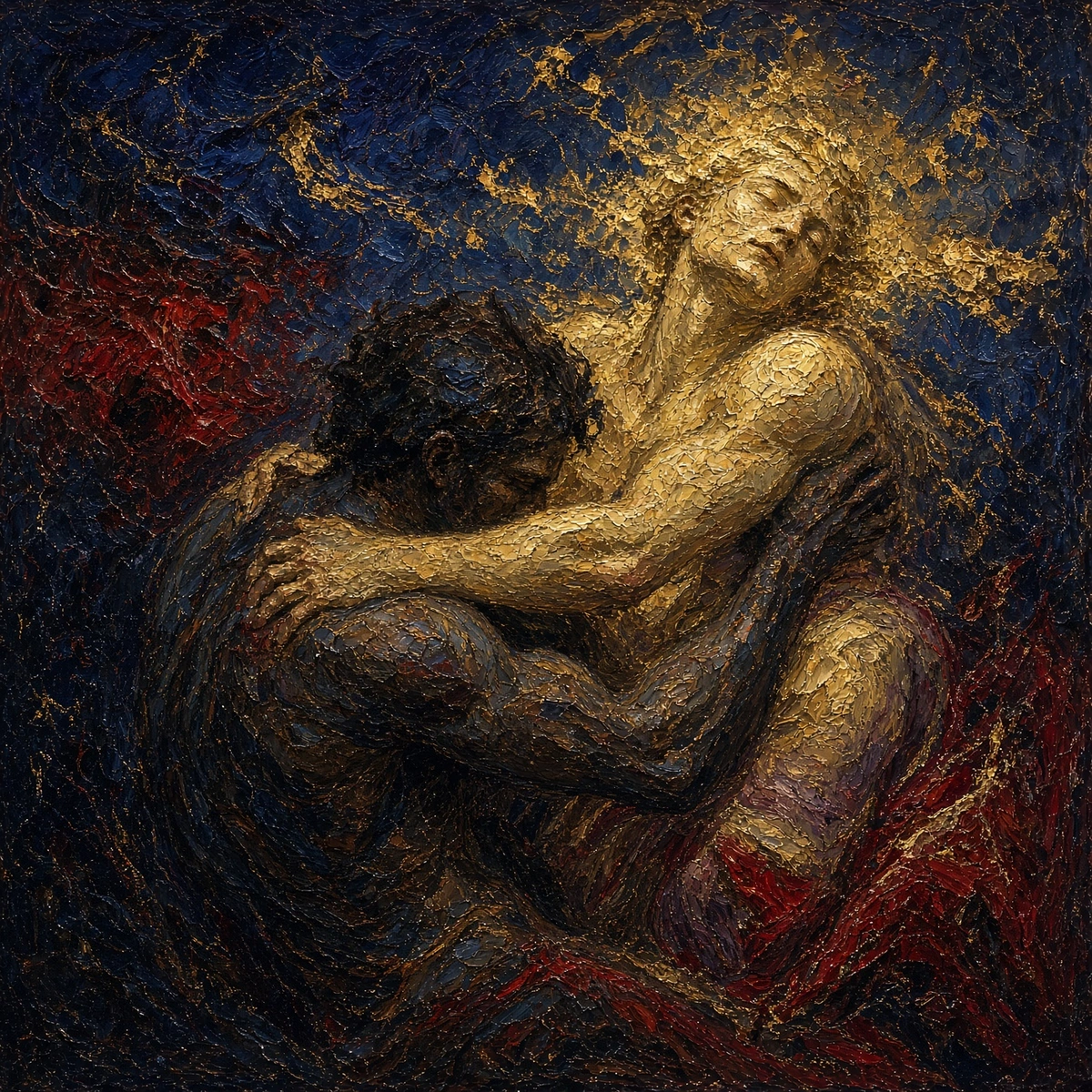
Genesis 32 begins with God's host and then immediately shows Jacob afraid of Esau's four hundred men. Divine encounter and human fear stand together throughout the chapter. Jacob lowers himself in his message, divides the household against possible attack, and prays by placing his danger beside the command and promise that brought him home. He then sends a deliberately spaced procession of gifts ahead, hoping repeated acts of deference will make the meeting survivable. Before Esau's face can be seen, however, Jacob is left alone for an encounter he did not plan. He wrestles through the night, is injured by a touch, gives his own name when asked, and receives the name Israel with a blessing he refuses to release. The account does not turn prevailing into untouched power. Jacob names the place for seeing God face to face and living, then crosses into sunrise limping. Israel's new name and remembered bodily weakness leave the night together.
Study Genesis 32 in depthGenesis 33: Esau runs toward the brother who bows
Genesis 33 overturns Jacob's preparations without pretending the years of estrangement never happened. Jacob arranges his household according to old preferences, places himself in front, and approaches Esau with seven bows. Esau answers not with the attack Jacob feared but by running, embracing, kissing, and weeping. Their exchange over the gifts deepens the reversal. Esau says he has enough; Jacob urges him to receive what he calls his blessing and connects his brother's accepting face with the preserved life of the previous night's encounter. Yet reconciliation does not collapse two households into one. Jacob declines Esau's proposed shared journey and escort, citing the pace of children and animals, and Genesis records different destinations without explaining every intention behind them. Jacob eventually reaches the area of Shechem, purchases ground rather than simply taking it, and builds an altar whose name joins God with Israel, the name he has just received.
Study Genesis 33 in depthGenesis 34: Dinah's violation and a city destroyed
Genesis 34 begins with verbs that no later proposal can soften: Shechem sees Dinah, takes her, lies with her, and defiles her. His affection and desire for marriage come afterward, while Dinah herself is given no recorded answer in negotiations conducted by men around her. Hamor expands the proposed marriage into intermarriage, trade, residence, and property. Jacob's sons answer deceitfully, taking the covenant sign of circumcision and turning it into the condition of a trap. Hamor and Shechem then sell the arrangement to their city with another emphasis, including the prospect that Jacob's wealth may become theirs. On the third day Simeon and Levi kill the city's males and remove Dinah from Shechem's house, after which the violence widens into plunder and captivity. Jacob argues from the danger created for his household; his sons answer from their sister's treatment. The chapter leaves that dispute open and refuses to make rescue, revenge, economic interest, and collective destruction into one clean resolution.
Study Genesis 34 in depth