

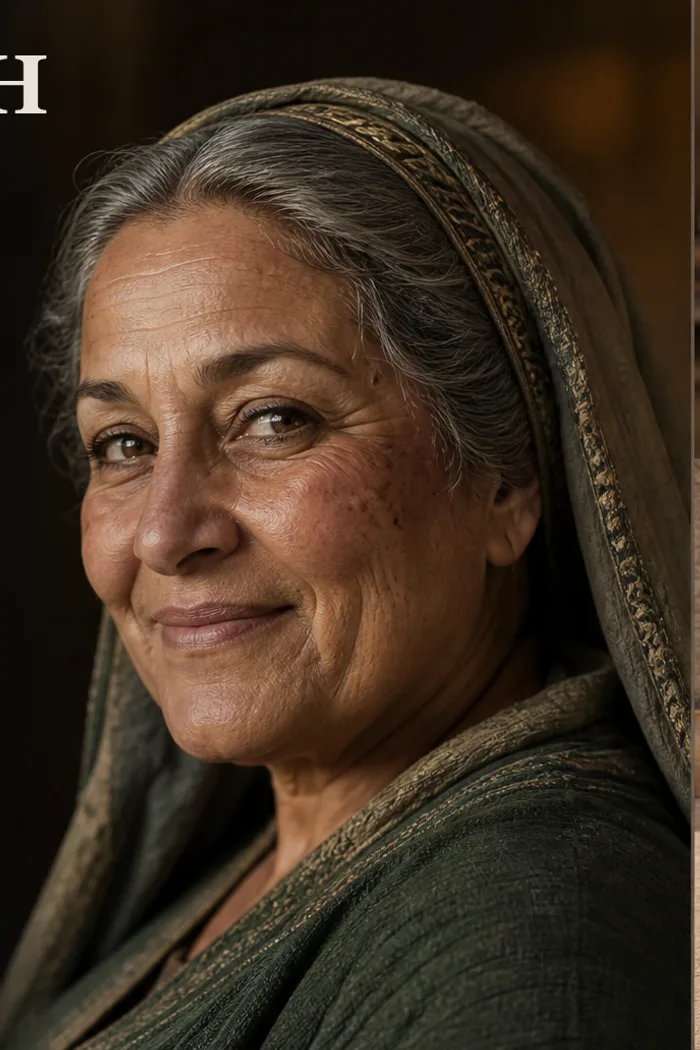
Luke 1:5-7
Both righteous, and no child
Two facts placed side by side with no bridge between them: blameless in all the commandments, and barren, and both now old.
Verse by verse
- 1:5
Daughters of Aaron means descent from Aaron's priestly family, not immediate daughterhood.
- 1:6
Blameless describes their conduct within the Lord's commandments. It does not mean that either person is incapable of sin, as Zechariah's later unbelief shows.
- 1:7
Well stricken in years establishes advanced age but gives neither spouse a numerical age.

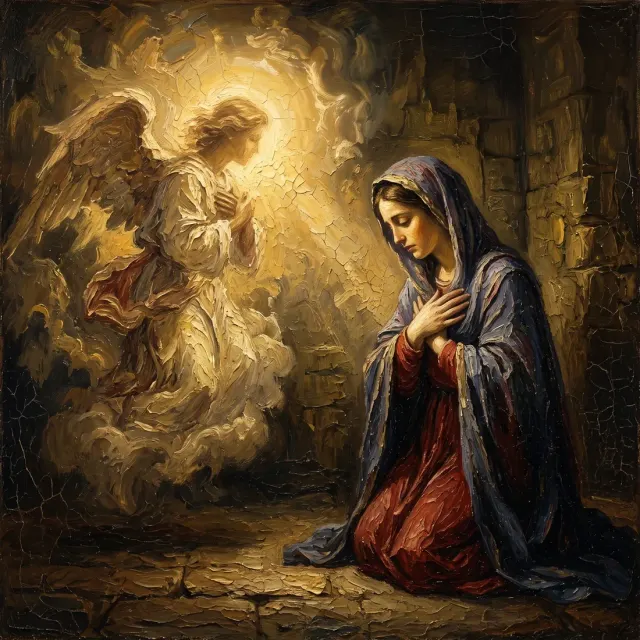



Before Elizabeth is called barren, she is called righteous. The order blocks a cruel explanation before it can get started. Her lack of children is not presented as God's verdict on her conduct. The Book of Luke has already given that verdict: both husband and wife walk before God blameless. The sorrow in the next sentence is real, but it is not evidence that the previous sentence was false.
Elizabeth also receives an ancestry of her own. She is not merely attached to a priestly husband; she is of the daughters of Aaron. The opening therefore places priestly descent on both sides of the household, then immediately refuses to let pedigree guarantee a particular outcome. Neither ancestry nor obedience has produced the child they lack. Their age closes off the easy assumption that this is simply an early stage in married life. Luke supplies no number of years, no accusation from a neighbor, and no speech from Elizabeth yet. What it does supply is enough: an honored lineage, a faithful life, and an absence that neither has removed.